Hair Between a Bernese Mountain Dog’s Toes
If you're a Bernese Mountain Dog owner, you know the struggle: those magnificent, fluffy paws are adorable, but the hair between their toes can become a real magnet for mud, snow, burrs, and general grime. This isn't just a cosmetic issue; matted or excessively long paw hair can lead to discomfort, pain, and even serious health problems for your beloved Berner. This comprehensive guide will walk you through why this happens, the risks involved, and how to safely and effectively trim the hair between your Bernese Mountain Dog's toes, ensuring their paws stay healthy and happy.
The Unique Challenge of Bernese Mountain Dog Paw Hair
Our Berners are built for the Swiss Alps, and their dense, beautiful coats reflect that heritage. But what works wonderfully for insulation in snow can become a nuisance when it comes to the delicate spaces between their paw pads. This isn't just any dog hair; it's part of a sophisticated double coat designed for protection.
The Double Coat Dilemma in Paw Care
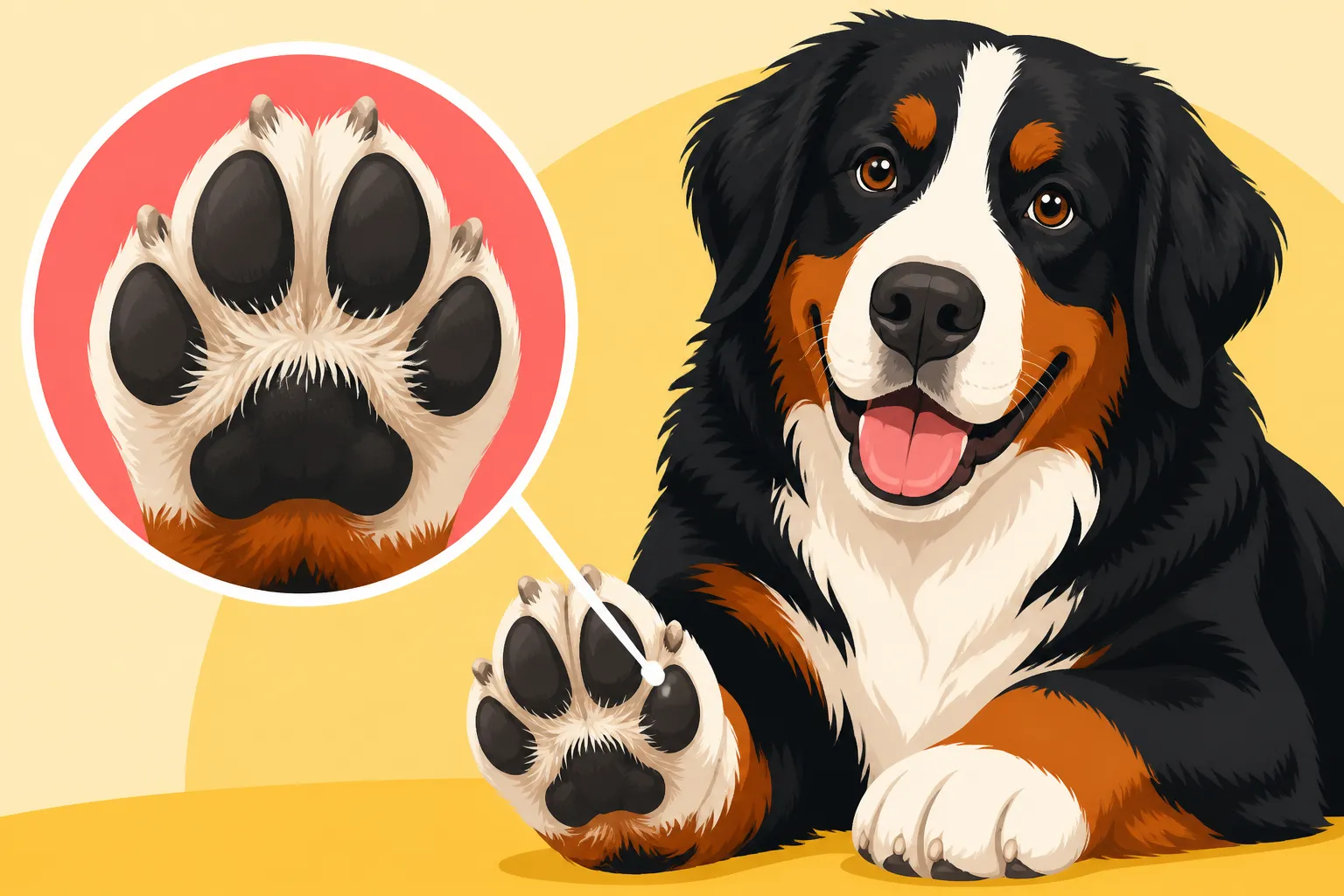
A Bernese Mountain Dog’s coat consists of a long, silky outer coat and a dense, woolly undercoat. While most of us focus on brushing out the main body coat, that undercoat extends everywhere, including between their toes. This dense growth acts like tiny little sponges and nets, catching everything from dust bunnies in your home to sticky burrs from a walk in the woods. The long, fine hairs between the pads, often called "feathers" or "grinch feet" by frustrated owners, can quickly become overgrown.
Imagine walking barefoot through tall grass after a rain shower. Now imagine having thick, dense hair between your toes that never fully dries and constantly picks up bits of leaves and dirt. That's essentially what your Berner experiences if their paw hair isn't maintained. It's a design feature meant to protect them from icy terrain, but in our modern homes and local parks, it often creates more problems than it solves. It's a constant battle against nature trying to make its way into the house via those magnificent paws.
What Gets Trapped Down There
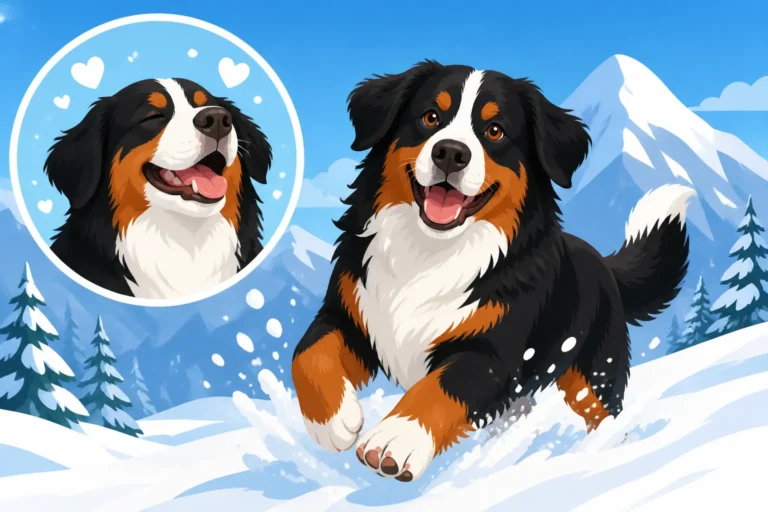
The list of culprits that find a home in overgrown paw hair is long and varied, and frankly, quite disgusting at times. Beyond the obvious mud and snow, think about what your Berner encounters daily. We're talking about tiny pebbles, asphalt tar, thorns from rose bushes, sticky weed seeds, foxtails that can burrow deep, and even small pieces of glass or metal picked up on city streets. In the colder months, road salt and de-icers can get trapped, leading to chemical burns on their sensitive skin.
During summer, moisture can linger, especially if your Berner loves to splash in puddles or take a dip. This creates a warm, damp environment that's absolutely perfect for bacteria and yeast to flourish. Anyone who has dealt with a dog constantly licking their paws knows this smell – a distinct, yeasty odor that screams "infection." This isn't just about making a mess in your car or on your Flooring a Bernese Mountain Dog Household Replaces; it's about protecting their delicate paw pads from irritation and potential injury.
The Health Risks and Everyday Annoyances of Untrimmed Paw Hair
Ignoring the hair between your Bernese Mountain Dog's toes isn't just about a bit of extra cleanup. It genuinely impacts their comfort, health, and even their mobility. As a large, sturdy breed, Berners need good traction and healthy feet to support their substantial weight.
Skin Irritations and Infections
When hair between the paw pads becomes overgrown and matted, it creates a breeding ground for problems. Firstly, mats pull on the skin, which can be incredibly painful, making walking or even standing uncomfortable. These mats also prevent proper air circulation, trapping moisture and debris right against the skin. This damp, dark environment is an open invitation for bacterial and yeast infections, which can manifest as redness, itching, swelling, and a foul odor. Your Berner might start excessively licking or chewing their paws, which only exacerbates the problem, introducing more bacteria and causing further irritation.
We've all seen a Berner with "hot spots" between their toes, a common result of this vicious cycle. These can be incredibly difficult to treat because the location is constantly subjected to pressure and moisture. A seemingly small mat or patch of damp hair can quickly escalate into a full-blown dermatological nightmare that requires veterinary intervention, antibiotics, and antifungal medications. Preventing these issues through regular paw maintenance is far easier and less stressful for both you and your dog than treating them.
Traction Troubles and Messy Homes
Beyond health concerns, overgrown paw hair significantly impacts your Berner's ability to get around safely, especially indoors. Think about your beautiful hardwood or tile floors. Long, fluffy hair between the pads reduces the natural grip of their paw pads, turning your Berner into a clumsy, sliding giant. This isn't just humorous; it's a genuine risk. Repeated slipping can lead to strains, sprains, and even more serious injuries, especially in a breed prone to Joint Disease in a Hundred Pound Bernese Mountain Dog as they age. Imagine a hundred-pound dog struggling to get up from a slick floor because their paws offer no purchase. It's heartbreaking to watch.
And then there's the mess. Oh, the mess! Every piece of dirt, every drop of water, every crumb from the kitchen floor becomes an unwelcome passenger on your Berner's paws, only to be deposited throughout your home. Your carefully vacuumed carpets and polished floors become a constant canvas for paw prints and collected debris. If you've ever dealt with dried mud caked deep within those paw hairs, you know the frustration. It's not just about aesthetics; it’s about maintaining a clean and hygienic living environment for everyone, including your furry family member.
Your Step-by-Step Guide to Trimming Paw Hair Safely
Trimming your Bernese Mountain Dog's paw hair isn't as daunting as it might seem, but it requires patience, the right tools, and a gentle hand. Remember, your Berner's paws are sensitive, and a bad experience can make future grooming sessions a battle.
Gathering Your Grooming Arsenal
Before you even touch your Berner's paw, make sure you have everything you need laid out and ready. This minimizes fumbling and stress for both of you.
Here's what you'll want to have on hand:
- Small, blunt-nosed scissors: These are crucial for safety. The blunt tips help prevent accidental pokes or cuts if your dog moves unexpectedly. Look for grooming scissors specifically designed for paws or faces, often available on platforms like Amazon or Chewy.
- Small electric clippers (optional, but highly recommended): For Berners who are comfortable with the vibration and sound, small, quiet clippers are often safer and more efficient than scissors, especially for getting into tight spaces. Look for cordless, low-noise models. Brands like Wahl or Andis often offer suitable options.
- Styptic powder: This is a must-have for any nail or paw grooming. Even with the utmost care, nicks can happen. Styptic powder quickly stops bleeding.
- High-value treats: Make this a positive experience! Delicious treats will help distract and reward your Berner for their cooperation.
- A non-slip mat: If you're working on a slick surface, a mat will help your Berner feel secure and less likely to shift their weight suddenly.
- A helper (optional, but great for beginners): An extra set of hands can be invaluable for holding treats or providing gentle reassurance.
Before you begin, ensure your tools are clean and sharp. Dull scissors or clippers can pull hair, causing pain and fear. Familiarize your Berner with the tools by letting them sniff them, turning clippers on briefly near them (without touching), and offering treats. This desensitization process is key for a calm grooming session.
The Gentle Art of Paw Hair Trimming
Approach this task calmly and patiently. Your Berner will pick up on your energy.
- Find a Comfortable Spot: Choose a quiet, well-lit area where your Berner feels relaxed. Have them lie down or stand, whichever is more comfortable for them and allows you good access to their paws.
- Examine the Paw: Gently pick up one paw. Take a moment to inspect it. Look for any mats, redness, swelling, or foreign objects lodged between the pads. This is also a good time to check their nails and consider Trimming Nails on a Struggling Bernese Mountain Dog if needed.
- Spread the Toes: Use your fingers to gently spread your Berner's toes apart, exposing the excess hair.
- Trimming with Scissors (if using):
- Hold the paw firmly but gently.
- Point the blunt-nosed scissors downwards, parallel to the paw pad, never pointing towards the pad itself.
- Carefully trim the hair that protrudes beyond the level of the paw pads. You want to make the hair flush with the pads, not cut below them.
- Work slowly, taking small snips.
- Focus on the hair that sticks out from between the pads and around the edges of the paw.
- Be extra cautious around the webbing between the toes.
- Trimming with Clippers (if using):
- Turn the clippers on and let your Berner hear the sound and feel the vibration (if they're accustomed to it). Offer a treat.
- Gently stretch the skin between the pads taut.
- Carefully run the clippers (usually with a #10 or #30 blade) over the hair, moving against the direction of growth.
- Again, aim to make the hair flush with the paw pads.
- Use short, controlled strokes.
- The smaller size of the clipper head often makes it easier to navigate the curves and crevices of the paw.
- Check Your Work: After trimming, put the paw down and let your Berner stand on it. See if any hair is still touching the ground. If so, gently pick up the paw and trim those stray bits. The goal is to create a clean, neat paw that prevents debris accumulation and offers good traction.
- Repeat for All Paws: Work through each paw methodically. If your Berner gets antsy, take a break! You don't have to do all four paws in one session. Patience is your best friend.
- Reward and Praise: Shower your Berner with praise and treats throughout and especially at the end. Make it a positive association.
| Tool Type | Pros | Cons | Best For |
|---|---|---|---|
| Blunt Scissors | Good for beginners, quiet, precise for small areas | Risk of nicks, can be slow, less effective for dense undercoat | Light trimming, touch-ups, nervous dogs (if clippers are too much) |
| Small Clippers | Faster, safer (less risk of nicks), efficient | Noise/vibration can scare some dogs, requires regular blade cleaning | Dense undercoat, experienced users, dogs accustomed to grooming tools |
Remember, if you're ever unsure or if your Berner is particularly sensitive or matted, it's always best to consult a professional groomer. They have the experience and specialized tools to handle even the most challenging paw situations. Many owners find it easier to simply schedule a "paw trim" appointment at a local grooming salon or with a mobile groomer.
Keeping Those Paws Pristine: Maintenance and Prevention Tips
Trimming is a great start, but ongoing care is crucial to maintaining healthy Bernese Mountain Dog paws. It’s about more than just the occasional snip; it’s about a holistic approach to paw health.
Regular Routine is Key
Consistency is paramount when it comes to keeping your Berner's paw hair in check. Don't wait until the hair is a shaggy mess before you tackle it. Incorporate paw inspections and trimming into your regular Grooming a Bernese Mountain Dog's Long Tricolor Coat routine. For many Berners, a quick paw trim every 2-4 weeks is sufficient, depending on how fast their hair grows and their activity levels.
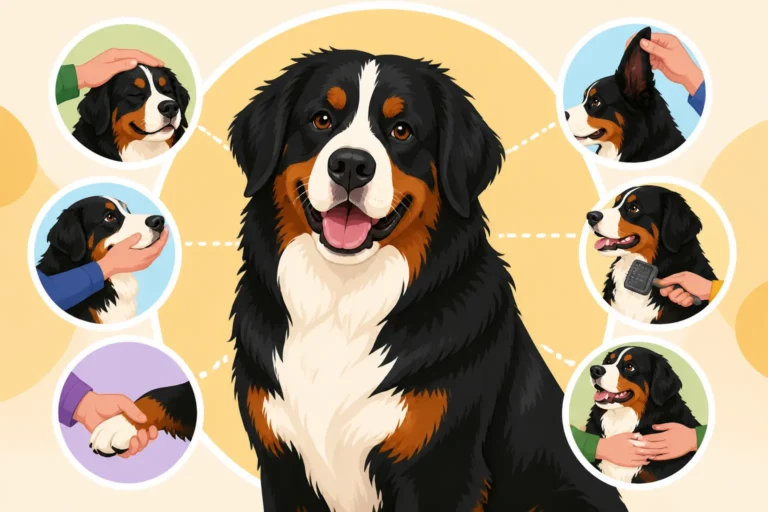
Make it a positive experience by coupling it with something your Berner loves. Maybe after a walk and before their favorite meal, or during a quiet evening cuddle session. This regular handling, as discussed in The Weekly Handling a Bernese Mountain Dog Should Accept, isn't just for grooming; it builds trust and makes it easier for you to check their paws for any cuts, punctures, or irritations that might otherwise go unnoticed. Beyond trimming, consider using paw balms or waxes, especially if your Berner walks on hot pavement or icy surfaces. These products can create a protective barrier, preventing cracks and dryness. You can often find these at pet supply stores or through online retailers like Chewy.
Managing Environmental Factors
You can also minimize how much debris gets trapped in their paw hair by being mindful of where your Berner walks. After outdoor adventures, especially in muddy or wooded areas, always take a moment to wipe down their paws. Keep a dedicated paw-cleaning station near your entryways – a towel, a shallow bin of water, or even some paw wipes can make a huge difference in keeping your home clean and preventing problems.
During snowy conditions, consider investing in dog boots if your Berner tolerates them. This not only protects their pads from ice and salt but also prevents snow from balling up between their toes, which can be incredibly painful. If boots aren't an option, a good paw balm can help reduce snow and ice accumulation. For Berners who love to dig, monitoring their outdoor activities can also prevent them from packing dirt deep into their paw hair. Remember, a little proactive effort goes a long way in preventing painful paw issues for your big, beautiful Berner. For more general advice on dealing with your Berner's coat and shedding, consider reading Keeping a House Livable With a Bernese Mountain Dog.
When to Call the Pros
Sometimes, despite your best efforts, you might encounter situations where professional help is the best course of action. If your Berner's paw hair is severely matted, especially between the pads, trying to cut it out yourself can be incredibly painful for your dog and risky due to the proximity of the skin. Professional groomers have specialized tools and techniques to safely remove mats without causing injury. They can also provide a more thorough and even trim, setting you up for easier maintenance going forward.
Furthermore, if you notice any signs of infection – persistent licking, redness, swelling, foul odor, limping, or open sores – it’s time for a visit to your veterinarian. These symptoms could indicate bacterial, yeast, or fungal infections, foreign bodies deeply embedded, or even allergic reactions. Trying to self-diagnose and treat these issues at home can lead to worsening conditions. Your vet can accurately diagnose the problem and prescribe the appropriate treatment, ensuring your Berner gets back on their paws comfortably and quickly. They might even recommend specific paw soaks or topical treatments. Never hesitate to seek professional advice when you're unsure; your Berner's health and comfort are always worth it.
Disclaimer
This article is for general informational purposes only and does not constitute professional advice. Laws, prices and regulations vary by location and change over time. Consult a qualified professional for guidance on your specific situation.