Whether a Bernese Mountain Dog Has Dewclaws
Many new Bernese Mountain Dog owners, and even seasoned ones, often find themselves wondering about a particular anatomical feature: dewclaws. These small, often overlooked digits can be a source of confusion and sometimes even anxiety, especially when it comes to proper care and potential health issues. It's easy to dismiss them, but understanding whether your Berner has them, what they are, and how to maintain them is crucial for their overall well-being. This guide aims to clear up all the questions surrounding Bernese Mountain Dog dewclaws, offering practical advice to keep your gentle giant comfortable and safe.
Understanding Dewclaws in Bernese Mountain Dogs
Let's dive into what dewclaws actually are and why they exist on your Bernese Mountain Dog. It's not just a random extra toe; there's a purpose, even if it's less obvious than their other four digits. Knowing the difference between front and hind dewclaws is especially important, as their presence and care needs can vary significantly.
What Exactly Are Dewclaws?
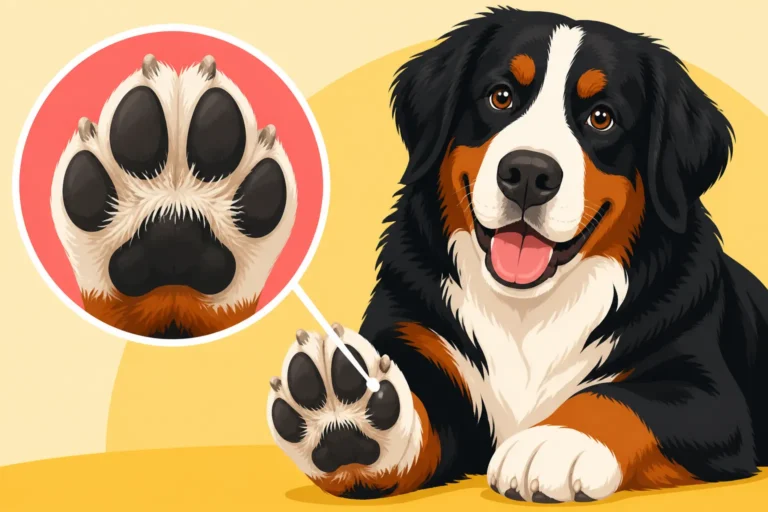
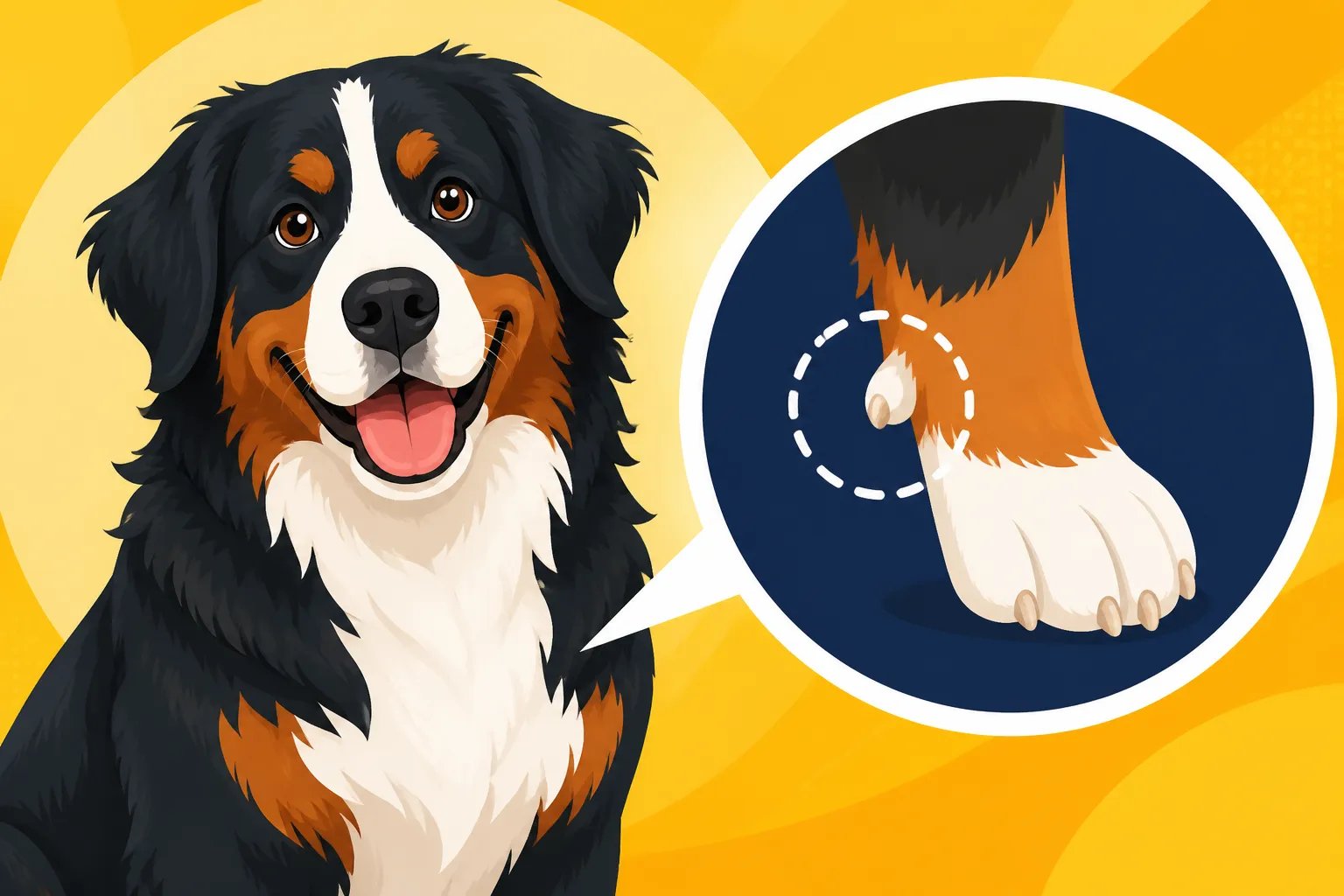
Dewclaws are essentially vestigial digits, remnants of what were once functional toes higher up on a dog's leg. Think of them like our thumbs, but on a dog's paw – they sit higher than the main paw pads and don't typically make contact with the ground when the dog is standing or walking normally. In many breeds, forelimb dewclaws (on the front legs) are quite common and can be firmly attached by bone, making them quite strong. These are often used by dogs for a surprising range of activities, from gripping objects to stabilizing their wrist joint when running or making sharp turns. While a Bernese Mountain Dog might not be scaling cliffs with their dewclaws, they still serve a subtle purpose.
However, hindlimb dewclaws (on the back legs) are a different story. These are far less common in most breeds and, when present, are often only loosely attached by skin and tissue, sometimes without a bone connection. They can dangle, making them prone to snagging or tearing. In some breeds, hindlimb dewclaws are a breed standard and are double – yes, two dewclaws on each back leg! But for the Bernese Mountain Dog, while forelimb dewclaws are generally accepted, hindlimb dewclaws are far less common and are usually single and often poorly attached if they appear.
The Bernese Mountain Dog Standard and Dewclaws
When we look at the official breed standard for the Bernese Mountain Dog, it provides some guidance on what's expected regarding dewclaws. For forelimb dewclaws, the standard typically permits their presence. They're considered a normal part of the Bernese Mountain Dog's anatomy and usually don't pose a problem in terms of structure or health if properly maintained. Many breeders choose to leave them intact, as their removal is a surgical procedure, and they generally don't cause issues.
However, when it comes to hindlimb dewclaws, the story changes. The Bernese Mountain Dog breed standard does not encourage them. In fact, many standards consider them undesirable or a fault. While not usually a disqualification in the show ring unless they cause lameness or an injury, their presence is not preferred. Breeders striving for the ideal Bernese Mountain Dog will generally prefer dogs without hindlimb dewclaws, or will remove them from puppies soon after birth to prevent future problems, especially since these are often poorly attached and more susceptible to injury. This is a key difference to be aware of when considering a Berner puppy.
Distinguishing Forelimb vs. Hindlimb Dewclaws
Understanding the difference between the dewclaws on the front legs and those on the back legs is vital for a Bernese Mountain Dog owner. As mentioned, forelimb dewclaws are usually firmly attached by bone and are located higher up on the inside of the front leg, almost like a thumb. They are generally robust and functional, helping with grip and stability. When your Berner is running through the yard or playing tug-of-war, those front dewclaws might actually be subtly engaging to provide extra traction. Because they're sturdier, injuries are less common, but regular nail trimming is still absolutely essential to prevent them from growing too long and curling into the pad.
Hindlimb dewclaws, conversely, are often much weaker. If present on a Bernese Mountain Dog, they are typically found on the inside of the rear leg, higher than the paw. They might feel like they're just hanging there, sometimes with little to no bone attachment. This makes them particularly vulnerable. Imagine your large, playful Berner romping through tall grass, getting caught on a branch, or even just scratching themselves vigorously. A poorly attached hindlimb dewclaw can easily get snagged, torn, or ripped, causing significant pain, bleeding, and potential infection. This is why some breeders opt for early removal, to spare the dog this potential trauma later in life. It's a preventive measure aimed at avoiding a common and painful injury.
| Feature | Forelimb Dewclaws (Front Legs) | Hindlimb Dewclaws (Rear Legs) |
|---|---|---|
| Prevalence | Very common in Bernese Mountain Dogs | Less common, often considered undesirable by breed standard |
| Attachment | Usually firmly attached by bone | Often poorly attached by skin/tissue, sometimes no bone |
| Function | Aids in grip, stability, turning; some use in climbing/holding | Little to no functional purpose in most breeds; vestigial |
| Injury Risk | Lower risk of tearing due to strong attachment | Higher risk of snagging, tearing, or ripping due to loose attachment |
| Care Needs | Regular nail trims to prevent overgrowth | Crucial regular nail trims; higher risk of ingrown nails |
| Breed Standard | Generally accepted | Generally not encouraged, sometimes considered a fault |
The Practicalities of Living with Bernese Mountain Dog Dewclaws
Whether your Bernese Mountain Dog has forelimb dewclaws, hindlimb dewclaws, or both, understanding the practical aspects of living with them is key. From routine grooming to recognizing potential risks, your proactive care can make a huge difference in preventing discomfort and serious injury.
Grooming and Nail Care for Dewclaws
This is where the rubber meets the road, or rather, the clippers meet the nail. Dewclaws, especially those on the front legs, need just as much, if not more, attention than your Berner's other nails. Why? Because they don't wear down naturally from walking on hard surfaces. Your Bernese Mountain Dog's regular paw nails get a little filing every time they trot down the sidewalk, but dewclaws are typically airborne. This means they can grow quite long, curl around, and eventually dig into the soft pad behind them. This isn't just uncomfortable; it can be incredibly painful and lead to infection.
You should aim to trim your Bernese Mountain Dog's dewclaws every 2-4 weeks, or as often as you trim their other nails. If you're using clippers, make sure they are sharp and appropriate for a large dog's thick nails. You can find excellent quality clippers and even grinders on online pet supply retailers like Chewy or Amazon. If your Berner has black nails, as many do, finding the quick can be tricky. Finding the Quick in a Bernese Mountain Dog's Black Nail is a great resource to help you navigate this. If you're unsure or your dog isn't keen on nail trims, consider asking your vet or a professional groomer to demonstrate the proper technique. Some dogs genuinely dislike having their paws handled, so starting early with The Weekly Handling a Bernese Mountain Dog Should Accept can make this process much smoother throughout their lives. Don't forget that if left untrimmed, ingrown dewclaws can cause significant limping and distress for your dog.
Risks and Injuries Associated with Dewclaws
While often overlooked, dewclaws are surprisingly vulnerable to injury. As mentioned, poorly attached hindlimb dewclaws are the primary culprits here, but even well-attached front dewclaws can sustain damage. The most common type of injury is a tear or snag. Imagine your Bernese Mountain Dog running full tilt through dense underbrush, playing rough with another dog, or jumping off a high surface. A dewclaw can easily catch on something, resulting in a partial tear or even a complete rip-off. This is extremely painful, often bleeds profusely, and usually requires immediate veterinary attention. The wound needs to be cleaned, possibly stitched, and then bandaged to prevent infection.
Beyond acute injuries, chronic issues can arise from neglect. Overgrown dewclaws can curve into the skin, causing constant irritation, inflammation, and eventually a deep, painful wound where bacteria can thrive. This is akin to a human ingrown toenail, but often worse due to the dog's activity levels and the difficulty of keeping the area clean. Your Berner might start licking the paw excessively, show signs of lameness, or even try to chew at the offending nail, exacerbating the problem. Keeping them properly trimmed isn't just aesthetic; it's a vital part of preventative health care for your Bernese Mountain Dog.
When to Consider Removal
For most Bernese Mountain Dogs, particularly those with firmly attached forelimb dewclaws, removal is usually unnecessary unless there's a recurring medical problem. A well-maintained forelimb dewclaw poses little risk. However, when hindlimb dewclaws are present, especially if they are loosely attached, surgical removal is a common and often recommended procedure. This is typically done when the puppy is very young, often within the first few days of life, as it's a quick and relatively low-risk procedure for a newborn.
If you adopt an older Bernese Mountain Dog with loosely attached hindlimb dewclaws that frequently get injured, your veterinarian might suggest removal. This usually involves a more involved surgical procedure, as the dog is older and requires general anesthesia. The decision to remove dewclaws should always be made in consultation with your veterinarian, weighing the risks of surgery against the ongoing risks of injury and discomfort. They can assess the individual dewclaw, its attachment, and your dog's lifestyle to determine the best course of action. While there's a cost associated with any surgery, preventing repeated painful injuries and veterinary visits could save you money and your dog discomfort in the long run, and it's a valid consideration in The Running Costs of a Hundred Pound Bernese Mountain Dog.
Common Misconceptions and Care Tips
Dewclaws often carry a few misconceptions, mostly stemming from a lack of understanding about their purpose and care. Let's tackle these and then provide some actionable tips for incorporating dewclaw care into your routine.
The "Useless Digit" Myth
It's a common belief that dewclaws are entirely useless, serving no real purpose for modern dogs. While it's true that hindlimb dewclaws in many breeds (including Bernese Mountain Dogs, if present) often lack significant function, calling all dewclaws "useless" isn't quite accurate, especially for the front ones. As mentioned earlier, forelimb dewclaws, which are typically well-attached, can provide stability to the carpal (wrist) joint when a dog is running at high speeds, turning sharply, or navigating uneven terrain. They act a bit like a fifth finger, providing extra grip.
Think about a Bernese Mountain Dog playing fetch, trying to stop quickly on a slick surface, or even just climbing up a small incline. Those front dewclaws can make subtle contact, providing a small but important degree of traction and reducing strain on the wrist. So, while they might not be as critical as the main four digits, they're not always entirely vestigial. Understanding this can shift your perspective from viewing them as a nuisance to appreciating their subtle, supportive role, and understanding why good care is so important.
Integrating Dewclaw Care into Your Routine
Making dewclaw maintenance a regular part of your Bernese Mountain Dog's grooming routine is simple, but requires consistency. Here are some tips:
- Establish a Schedule: Just like brushing their magnificent coat or giving them a bath, regular nail trimming – including dewclaws – should be on your calendar. Many owners find that a weekly quick trim is easier than a longer, more challenging session every few weeks. This also helps you Trimming Nails on a Struggling Bernese Mountain Dog by making it a less daunting event.
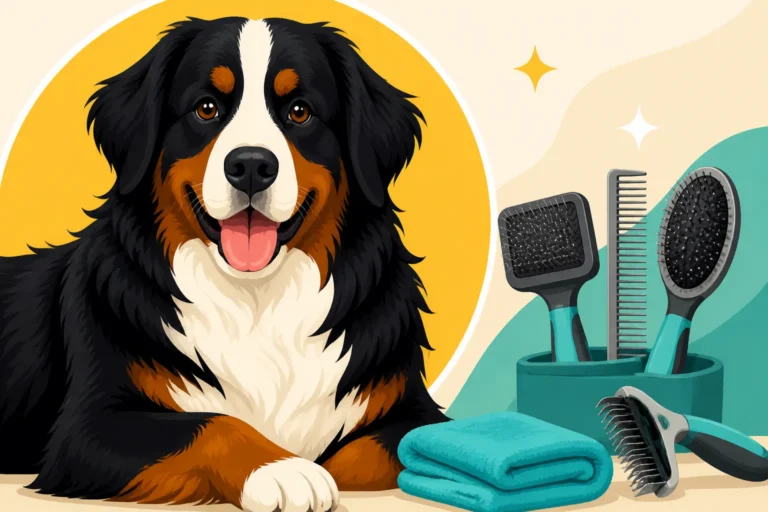
- Invest in Good Tools: A sharp pair of guillotine-style or scissor-style nail clippers designed for large dogs is a must. Alternatively, a Dremel-style nail grinder can be excellent, especially if your Berner has black nails where the quick is hard to see. Using a grinder allows for more gradual removal of the nail, reducing the risk of cutting too far. You can find these tools readily available on Chewy or Amazon.
- Positive Reinforcement: Make nail trims a positive experience. Offer high-value treats, praise, and gentle handling. If your dog is anxious, break the process down into smaller steps over several days. Just touching their paw, then rewarding. Touching a nail, then rewarding. Slowly build up to the actual trim.
- Early Socialization: For puppies, early exposure to paw handling and nail trims is crucial. This falls under the broader umbrella of What a Bernese Mountain Dog Puppy Should Meet Early to ensure they grow into a cooperative adult.
- Professional Help: Don't hesitate to consult your veterinarian or a professional groomer. They can trim your dog's nails, show you how to do it safely, or even do a quick trim if you’re coming in for Bloodwork a Bernese Mountain Dog Should Have Yearly or The Bernese Mountain Dog Health Panel. A professional groomer can also provide a comprehensive grooming session that includes nail care, which might be particularly helpful for Grooming a Bernese Mountain Dog Too Big to Lift.
What to Do if a Dewclaw Is Injured
Despite your best efforts, accidents happen. If your Bernese Mountain Dog's dewclaw gets injured – perhaps it's bleeding, dangling, or clearly painful – here’s what you should do:
- Stay Calm: Your dog will pick up on your anxiety. Speak in a calm, soothing voice.
- Assess the Injury: Gently examine the paw to see the extent of the damage. Is it just a minor tear, or is the dewclaw completely ripped?
- Control Bleeding: Apply direct pressure to the wound with a clean cloth or gauze. Dog nails can bleed a surprising amount, but usually, simple pressure will help it clot. You can use a styptic powder (available at pet stores or from your vet) if you have it.
- Clean if Possible: If the bleeding is minor, gently clean the area with mild soap and water or an antiseptic solution safe for dogs. Avoid harsh chemicals.
- Bandage Lightly: If there's an open wound, you might want to loosely bandage it to keep it clean and protected until you can get to the vet. Don't wrap it too tightly, as this can cut off circulation.
- Contact Your Vet: Even if the injury seems minor and the bleeding stops, it's always best to contact your veterinarian. They can properly clean the wound, check for infection, and prescribe pain relief or antibiotics if necessary. A torn dewclaw can be incredibly painful, so your vet might want to sedate your Berner for examination and treatment. This is one of those situations where prompt professional attention can prevent a more serious issue down the line. Remember, while you might be able to handle minor cuts at home, a dewclaw injury often merits a vet visit.
Proper dewclaw care is just one component of overall health for your Bernese Mountain Dog, but it's one that can easily be overlooked. By understanding their purpose, how to trim them, and when to seek veterinary advice, you'll be contributing significantly to your beloved Berner's comfort and well-being throughout their life. It's a small task with a big impact.
Disclaimer
This article is for general informational purposes only and does not constitute professional advice. Laws, prices and regulations vary by location and change over time. Consult a qualified professional for guidance on your specific situation.