Which Months a Bernese Mountain Dog Sheds Worst
If you're a Bernese Mountain Dog owner, you know that managing their magnificent coat is a journey, not a destination. One of the biggest frustrations is trying to predict and prepare for the sheer volume of hair that can suddenly appear, blanketing your home and clothes. This comprehensive guide is here to demystify the Bernese Mountain Dog's shedding cycles, helping you understand which months bring the heaviest shedding and how to best cope with the inevitable furry fallout.
Understanding the Bernese Mountain Dog's Double Coat
Before we dive into the "when," let's chat about the "why" behind your Berner's impressive shedding. It all comes down to that glorious, thick double coat they possess. It's not just for looks; it's a marvel of natural engineering, perfectly designed for the harsh Swiss Alps where they originated.
The Purpose of a Double Coat
Imagine living in a place with extreme temperature fluctuations, from snowy winters to warm summers. Your Berner's coat is their built-in climate control system. It consists of two distinct layers, each with a crucial job:
- The Outer Coat (Guard Hairs): This is the longer, coarser, slightly wavy or straight hair you see on the surface. These guard hairs are water-resistant and provide protection from external elements like rain, snow, dirt, and UV rays. They also contribute to the breed's striking appearance and characteristic sheen. Think of them as the protective armor.
- The Undercoat (Downy Hairs): Hidden beneath the guard hairs is a dense, soft, woolly undercoat. This layer is primarily responsible for insulation, trapping air close to the dog's body to keep them warm in cold weather and, surprisingly, helping to keep them cool in warmer temperatures by regulating body heat. It's like their personal thermal underwear.
Without both layers working in harmony, your Bernese Mountain Dog wouldn't be nearly as comfortable or resilient in varying climates. This intricate design is why they can romp in the snow with such glee, and also why managing their coat is a year-round commitment.
Why Shedding is Natural and Necessary
Shedding isn't just a nuisance; it's a vital biological process. Dogs shed their old, dead, or damaged hair to make way for new growth. This natural turnover ensures their coat remains healthy, functional, and efficient at performing its protective and insulating duties. For a double-coated breed like the Bernese, shedding becomes particularly noticeable because their undercoat needs significant seasonal renewal.
It's a misconception that shedding is a sign of poor health (unless it's excessive or patchy, which is a different concern). Instead, it's a sign that your Berner's body is doing exactly what it's supposed to do to maintain optimal coat health. Trying to stop shedding entirely would be like trying to stop trees from losing their leaves in autumn – it's simply how nature works. Embrace it, manage it, but don't fight against it.
The Difference Between Blowing Coat and Regular Shedding
If you've owned a Bernese Mountain Dog for a while, you've probably heard the term "blowing coat." This isn't just regular shedding; it's shedding on an epic scale. It's important to differentiate between the two:
- Regular Shedding: This is the constant, low-level release of dead hair that happens all year. You'll find Berner tumbleweeds under the sofa, a fine layer of hair on your clothes, and little bits floating through the air. This is just the daily maintenance of their coat, a continuous process of old hairs falling out and new ones growing in. Regular brushing helps to manage this consistent shedding, keeping it from building up too much. How Much a Bernese Mountain Dog Sheds in a Week can give you an idea of what to expect.
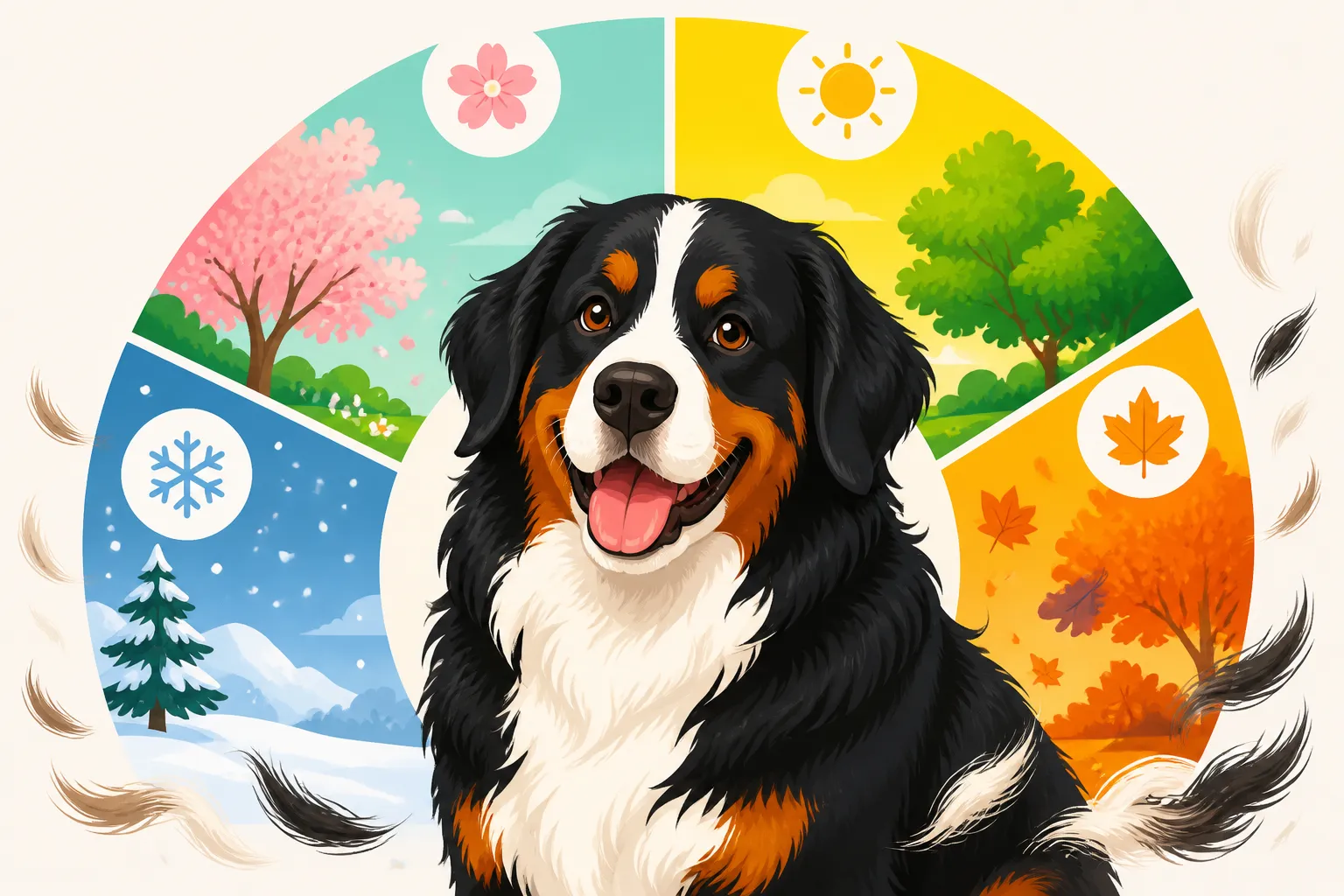
- Blowing Coat (Seasonal Shedding): This is the main event, the "holy cow, where did all this hair come from?!" phenomenon. Twice a year, typically in spring and fall, your Berner will undergo a massive shedding cycle where they completely shed their undercoat in preparation for the changing seasons. The old, thick winter undercoat needs to be replaced with a lighter summer one, and then the lighter summer undercoat is shed for a denser winter layer. During these periods, the sheer volume of hair coming off your dog can be astonishing. It often feels like you could build another small dog from the fur you collect!
Understanding this distinction is key to managing your expectations and preparing for those intense shedding periods.
The Peak Shedding Seasons for Bernese Mountain Dogs
Bernese Mountain Dogs are masters of adapting their coats to the seasons, which means they have distinct peak shedding times. These periods are when you'll truly appreciate the power of a good deshedding tool and a strong vacuum cleaner.
Spring: The Great Undercoat Release
Without a doubt, spring is the most significant and often the most dramatic shedding season for a Bernese Mountain Dog. As the days lengthen and temperatures gradually begin to rise after winter's chill, your Berner's body signals that it's time to lighten up.
- Why it happens: The thick, dense undercoat that kept them warm during the coldest months is no longer needed. Their body's natural response is to shed this heavy insulation to prevent overheating in the warmer weather to come. It’s an evolutionary adaptation to help them maintain a comfortable body temperature.
- What to expect: This isn't just a few hairs; this is often referred to as "blowing coat" for a reason. You will find large clumps of soft, woolly undercoat coming off with every brush stroke, and sometimes even just by petting them. It can feel like an endless supply of fur. If you're not prepared with consistent grooming, this shed undercoat can quickly mat, especially behind the ears, under the legs, and in their "trousers" on their hindquarters.
- Duration: While the most intense phase might last a few weeks, the entire process of shedding out the winter coat and growing in the lighter summer coat can span several weeks, sometimes even a couple of months, depending on your dog's individual genetics, living environment (indoors vs. outdoors), and climate. For a detailed look into this, check out Spring, When a Bernese Mountain Dog's Undercoat Lets Go.
Fall: Preparing for Winter's Chill
While not usually as explosive as the spring shed, the fall shedding period is still very noticeable. This is when your Bernese Mountain Dog starts to shed their lighter summer coat to make way for a much denser, warmer winter undercoat.
- Why it happens: As summer fades and the days shorten, your Berner's system anticipates the colder temperatures ahead. They need to replace their relatively thinner summer undercoat with a robust, insulating layer to protect them from winter's bite.
- What to expect: You might not see the massive clumps of fur that define the spring shed, but there will still be a significant increase in shedding. The type of hair coming out might be a bit different – a mix of softer undercoat and some guard hairs as the entire coat structure prepares for winter. This shedding is crucial for growing in that plush, protective coat that makes them look so majestic in the snow.
- Duration: This period also typically lasts for several weeks. The intensity can vary based on how cold your winters usually get and how much time your dog spends outdoors. The goal is to efficiently remove the old coat so the new, vital winter coat can grow in strong and healthy.
Continuous Shedding Throughout the Year
It’s crucial to understand that even outside of these two major seasonal "blows," Bernese Mountain Dogs are not a non-shedding breed. Far from it! They shed continuously, albeit at a lower volume, throughout the entire year.
- Why it happens: Just like humans constantly lose and regrow hair, dogs' coats are always in a cycle of growth, rest, and shedding. Dead hairs need to be released to keep the coat healthy and prevent tangles.
- What to expect: Even in the middle of summer or winter, you'll still find Berner hair around your home. It might be less dramatic than the seasonal blasts, but it’s a constant presence. Think of it as a low hum of shedding compared to the roaring engine of spring and fall. Regular, consistent grooming is your best friend here, not just during peak times but every single week. This daily or weekly maintenance helps to catch loose hairs before they become part of your home décor. For comprehensive grooming tips, refer to Grooming a Bernese Mountain Dog's Long Tricolor Coat.
Factors Influencing Shedding Intensity Beyond the Seasons
While seasonal changes are the primary drivers of shedding intensity, several other factors can significantly impact how much your Bernese Mountain Dog sheds. Understanding these can help you better manage their coat and even detect potential issues early.
Diet and Nutrition's Role in Coat Health
What goes into your Berner's body profoundly affects what comes out (or stays in!) their coat. A high-quality, balanced diet is fundamental for healthy skin and a strong coat, which can, in turn, influence shedding.
- Protein and Fatty Acids: A diet rich in high-quality animal protein provides the building blocks for strong hair shafts. Omega-3 and Omega-6 fatty acids, often found in fish oils or certain plant-based oils, are crucial for skin hydration and coat luster. When a dog isn't getting enough of these essential nutrients, their skin can become dry, leading to brittle hair that breaks easily and sheds excessively.
- Whole Foods vs. Fillers: Some commercial dog foods contain a lot of fillers, artificial ingredients, or low-quality protein sources. These might not provide the optimal nutrition for a Bernese Mountain Dog's demanding coat needs. Brands like Ollie, known for their fresh, human-grade ingredients, can make a noticeable difference in coat health for some dogs. Many owners report a shinier coat and reduced non-seasonal shedding when their dogs are on a premium diet.
- Hydration: Don't forget water! Adequate hydration is essential for overall health, including skin and coat condition. Ensure your Berner always has access to fresh, clean water. A well-hydrated dog often has more supple skin and a healthier coat.
If you notice unusually dry skin, a dull coat, or excessive shedding outside of the normal seasonal cycles, consulting your vet about their diet might be a good first step. Feeding an Adult Bernese Mountain Dog Safely offers more insights into their nutritional needs.
Grooming Routines and Their Impact
This is perhaps the most controllable factor in shedding management. A consistent and appropriate grooming routine won't stop shedding, but it will dramatically reduce the amount of loose hair that ends up on your furniture and floors.
- Regular Brushing: This is your number one tool. During peak shedding seasons, daily brushing, even for 15-20 minutes, is highly recommended. Outside of these periods, 2-3 times a week might suffice. Regular brushing helps to:
- Remove loose and dead hair from both the undercoat and outer coat before it can fall out naturally around your home.
- Distribute natural skin oils, promoting a healthy, shiny coat.
- Prevent mats and tangles, which can be painful for your dog and lead to skin issues.
- Provide an opportunity to bond with your dog and check for any skin abnormalities, lumps, or parasites.
- Deshedding Tools: Tools like a good undercoat rake or a deshedding blade can be incredibly effective, especially during the spring and fall blows. They are designed to reach through the guard hairs and gently pull out the loose undercoat. Using these tools regularly can significantly reduce the volume of hair shed indoors.
- Bathing: While too frequent bathing can strip natural oils, a bath followed by a thorough blow-dry (with a high-velocity dryer if possible) can help loosen and remove a lot of dead undercoat, especially during peak shedding. Just make sure to use a dog-specific shampoo and conditioner to maintain skin health.
- Professional Grooming: During heavy shedding periods, a professional groomer can be a lifesaver. They have powerful high-velocity dryers and specialized tools that can extract an incredible amount of loose undercoat, often reducing shedding at home for several weeks.
A regular routine with the right tools is the cornerstone of managing your Bernese Mountain Dog's coat. How Often a Bernese Mountain Dog Should Be Brushed provides further guidance on frequency.
Health, Stress, and Hormonal Changes
Sometimes, unusual or excessive shedding can be a red flag for underlying issues. It's always worth observing your Berner's coat changes closely.
- Medical Conditions: Certain medical conditions, such as thyroid imbalances (hypothyroidism is common in large breeds), skin infections, allergies, or parasitic infestations (fleas, mites), can all lead to increased or abnormal shedding. If shedding is accompanied by itching, redness, bald patches, a dull coat, or changes in skin texture, a vet visit is essential.
- Stress: Just like humans, dogs can shed more when they're stressed. Changes in environment, routine, new pets, or even loud noises can trigger stress-induced shedding. Observing your dog's overall behavior can help determine if stress is a contributing factor.
- Hormonal Fluctuations: Intact females often experience significant shedding after a heat cycle or after whelping (giving birth). The drastic hormonal shifts can cause a substantial amount of hair to fall out. Neutering or spaying can also sometimes affect coat texture and shedding patterns, though this varies greatly by individual dog.
- Medications: Certain medications can have shedding as a side effect. Always discuss any new shedding patterns with your veterinarian, especially if your dog is on medication.
A sudden, unexplained increase in shedding, especially if it's not during the typical spring/fall periods, should always prompt a call to your vet. They can help rule out any underlying health concerns.
| Shedding Season | Primary Reason | Expected Intensity | Grooming Recommendation |
|---|---|---|---|
| Spring | Shedding winter undercoat | Very High (Blowing Coat) | Daily deshedding brush/rake, professional groomer if possible |
| Summer | Continuous, low-level shedding | Low to Moderate | 2-3 times per week brushing |
| Fall | Growing winter undercoat | Moderate to High | 3-4 times per week deshedding brush/rake |
| Winter | Continuous, low-level shedding | Low | 1-2 times per week brushing |
Managing Bernese Mountain Dog Shedding Effectively
Living with a Bernese Mountain Dog means embracing the fur. However, "embracing" doesn't mean letting it take over your life! With the right tools and a consistent approach, you can significantly manage the amount of hair in your home and keep your Berner comfortable and looking their best.
Essential Grooming Tools for Heavy Shedders
Having the right arsenal of grooming tools is half the battle. Invest in quality items, as they'll make the process much easier and more effective for both you and your dog. You can often find a great selection of these on platforms like Amazon or specialized pet supply retailers like Chewy.
- Undercoat Rake: This is your secret weapon during the heavy shedding seasons. An undercoat rake has long, sturdy teeth designed to penetrate the outer coat and gently pull out loose undercoat without damaging the guard hairs. Look for one with rotating teeth to prevent snagging. This tool is invaluable for removing masses of dead undercoat.
- Slicker Brush: A slicker brush has fine, wire bristles clustered together, and it's excellent for removing loose hair from both layers, detangling smaller mats, and smoothing the topcoat. Use it after the undercoat rake to catch any remaining loose hairs and fluff up the coat.
- Pin Brush: Similar to a human hairbrush, a pin brush is great for general brushing, detangling longer feathering, and everyday maintenance outside of heavy shedding periods. It's gentler than a slicker and can be used for sensitive areas.
- High-Velocity Dryer (Force Dryer): If you're serious about battling the shed, a high-velocity dryer is a game-changer. These dryers use powerful, unheated air to literally "blow" the loose undercoat out of your dog's coat, often after a bath. It’s incredibly effective and much faster than air-drying, significantly reducing drying time and shedding. Whether a Force Dryer Is Worth It for a Bernese Mountain Dog delves deeper into this.
- Wide-toothed Comb: Essential for checking for mats, especially in the feathering on their legs and tail, and behind their ears. Use it to ensure you've thoroughly brushed out all tangles.
- Grooming Table (Optional but Recommended): For a large dog like a Bernese, a sturdy grooming table can save your back and make the grooming process more comfortable for both of you. It also helps to keep your dog focused on the task.
Establishing a Consistent Grooming Schedule
Consistency is key when it comes to managing a Bernese Mountain Dog's coat. A sporadic approach will leave you overwhelmed by fur.
- Daily Brushing (During Peak Shedding): As mentioned, during those intense spring and fall shedding periods, aim for a daily brushing session of 15-30 minutes. Focus on getting deep into the undercoat with your rake. This proactive approach will prevent mats and drastically reduce the amount of hair floating around your home.
- Weekly Brushing (Regular Maintenance): Outside of the peak seasons, commit to at least 2-3 thorough brushing sessions per week. This will keep the coat healthy, free of minor tangles, and manage the year-round shedding. The Weekly Handling a Bernese Mountain Dog Should Accept helps set expectations.
- Regular Baths: Bathe your Berner every 4-8 weeks, or as needed, using a good quality dog shampoo and conditioner. A bath followed by a rigorous force-dry is an excellent way to blow out a lot of dead undercoat, especially during shedding season. Just be prepared for the sheer volume of wet hair!
- Professional Grooming Appointments: Consider professional deshedding treatments, particularly before and during the major seasonal sheds. Professional groomers have the tools, expertise, and facilities to do a thorough job, often providing weeks of relief from heavy shedding. They are often equipped to handle Grooming a Bernese Mountain Dog Too Big to Lift.
Remember, grooming isn't just about managing hair; it's also a fantastic bonding experience with your Bernese Mountain Dog. Make it a positive routine with treats and praise.
Tips for Keeping Your Home Livable
Even with a diligent grooming schedule, a Bernese Mountain Dog will shed. It's part of their charm! But there are strategies to keep your living space from turning into a fur-lined cave.
- Invest in a Good Vacuum Cleaner: This is non-negotiable for a Berner household. Look for models specifically designed for pet hair, with strong suction and good filtration. Regular vacuuming, often daily during peak shedding, will be necessary. Brands like Dyson or Shark often have excellent pet-specific models. Vacuums That Cope With a Bernese Mountain Dog will offer more tailored advice.
- Lint Rollers and Pet Hair Removers: Keep lint rollers handy by the door, in your car, and in your laundry room. Fabric brushes or rubber pet hair removers can also be very effective on upholstery and clothing.
- Strategic Furniture Covers: Consider washable covers for your sofas and chairs, especially in your dog's favorite lounging spots. This makes cleaning much easier.
- Designated Dog Zones: While Berners love to be near their people, having designated beds or mats that are easy to clean can help contain some of the shedding. Orthopedic beds with removable, washable covers are a lifesaver.
- Hard Flooring: If possible, hard flooring (wood, tile, laminate) is much easier to clean than carpeting when you have a heavy shedder. If you have carpets, regular steam cleaning can help extract embedded hair.
- Air Purifiers: An air purifier with a HEPA filter can help remove airborne pet dander and hair, improving air quality, especially for allergy sufferers.
- Laundry Routine: Be prepared to de-fur your clothes regularly. Using a dryer sheet in the dryer can help loosen pet hair from fabrics. Consider washing dog bedding separately.
- Outdoor Brushing: Whenever weather permits, brush your Berner outdoors. This allows the loose hair to disperse naturally, saving your indoor vacuum cleaner some work. Just pick a spot away from open windows!
- Consider House Layout: While not always possible, thinking about traffic patterns and where your dog spends most of their time can help you focus your cleaning efforts. Keeping a House Livable With a Bernese Mountain Dog provides a broader perspective on this.
Living with a Bernese Mountain Dog is an incredibly rewarding experience, even if it comes with a bit of extra fluff. By understanding their shedding patterns and implementing consistent management strategies, you can keep your home tidier and your beloved Berner happier and healthier.
Disclaimer
This article is for general informational purposes only and does not constitute professional advice. Laws, prices and regulations vary by location and change over time. Consult a qualified professional for guidance on your specific situation.