How Long a Wet Bernese Mountain Dog Takes to Dry
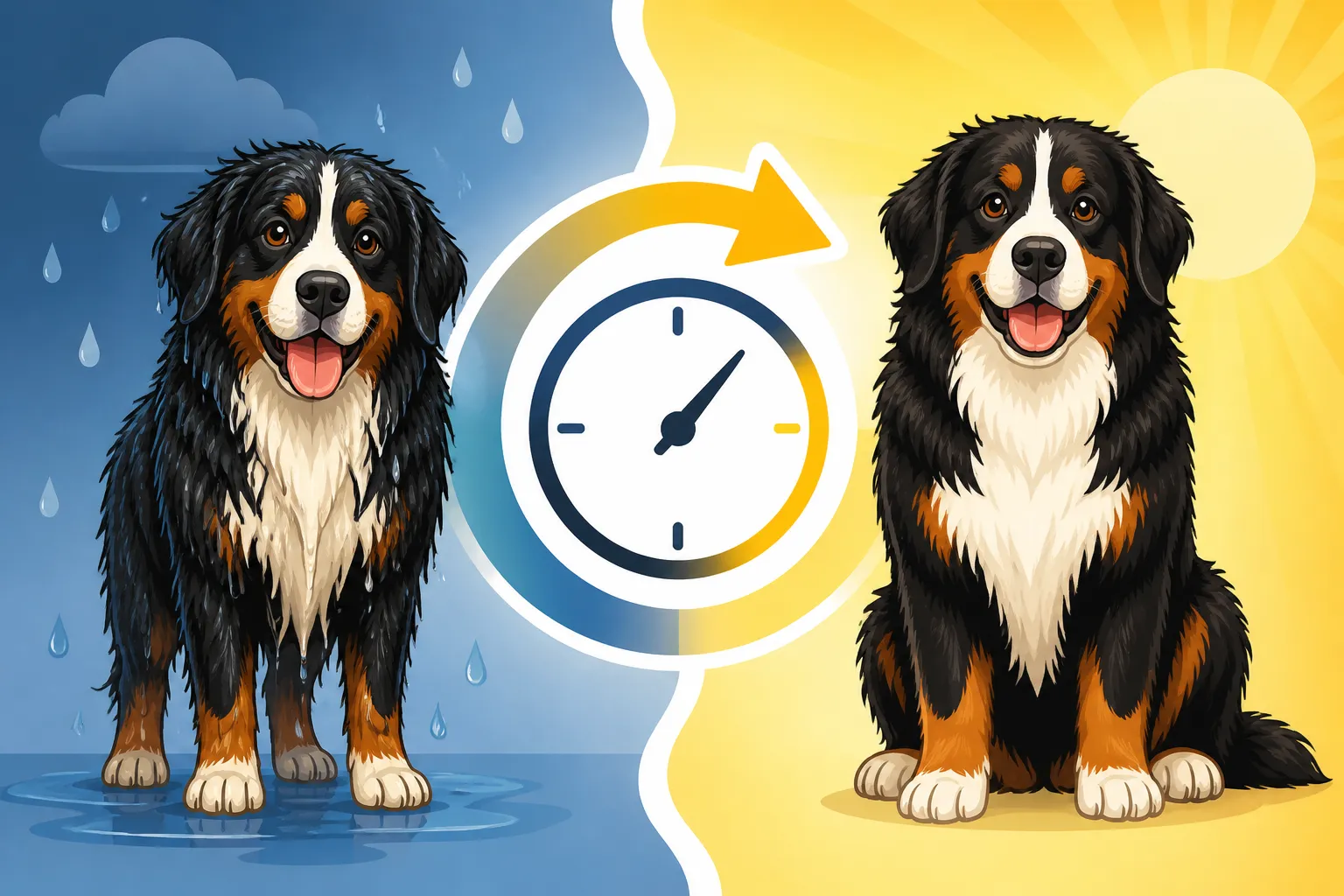
Oh, the joy of a wet Bernese Mountain Dog! If you've ever had the delightful experience of bathing your beloved Berner, or perhaps they've just enjoyed a vigorous swim, you know the struggle is real. It's not just about getting them clean; it's about the monumental task of getting them dry afterwards. The reality is, a Bernese Mountain Dog can take an astonishingly long time to dry thoroughly, and leaving them damp can lead to all sorts of discomfort and even health issues. This guide is here to walk you through why it takes so long, what you can do to speed up the process, and how to ensure your big, fluffy friend is completely dry and comfortable.
Understanding the Bernese Mountain Dog's Coat
Let's face it, one of the many reasons we fall head over heels for Bernese Mountain Dogs is that gorgeous, thick, luxurious coat. It's what keeps them warm in the frosty Swiss Alps where they originated, but it's also the very thing that makes drying them such an epic undertaking.
The Double Coat Advantage and Challenge
Berners possess a magnificent double coat, a true marvel of natural engineering. This isn't just one layer of hair; it's two distinct layers working in harmony. You have the outer coat, which consists of longer, slightly wavy, protective guard hairs. These hairs are designed to repel water, snow, and dirt, acting like a waterproof jacket. Beneath that is the dense, soft, woolly undercoat, which is incredibly insulating. This undercoat is what traps air, keeping your Berner warm in freezing temperatures.
The "advantage" of this coat is supreme protection from the elements. The "challenge" arises when that undercoat gets thoroughly soaked. Those dense, fine hairs hold onto water like a sponge, far more effectively than the outer guard hairs. Imagine trying to wring out a thick wool blanket compared to a thin sheet – that's the difference. When the water penetrates past the guard hairs and into the undercoat, it becomes trapped, taking an eternity to evaporate naturally. It's not uncommon for a fully saturated Berner to feel damp for hours, or even days, if not dried properly. This is especially true if you've given them a good scrub with shampoo; the soap can strip some of the natural oils that help the outer coat repel water, allowing more moisture to soak into the undercoat.
How Coat Density and Length Affect Drying Time
The sheer volume of hair on a Bernese Mountain Dog plays a significant role in their drying time. These aren't short-haired dogs with minimal fuzz. They are large dogs with a substantial amount of fur covering every inch of their bodies. A mature male Berner can easily weigh over 100 pounds, and a significant portion of that "weight" is their magnificent coat, especially when wet.
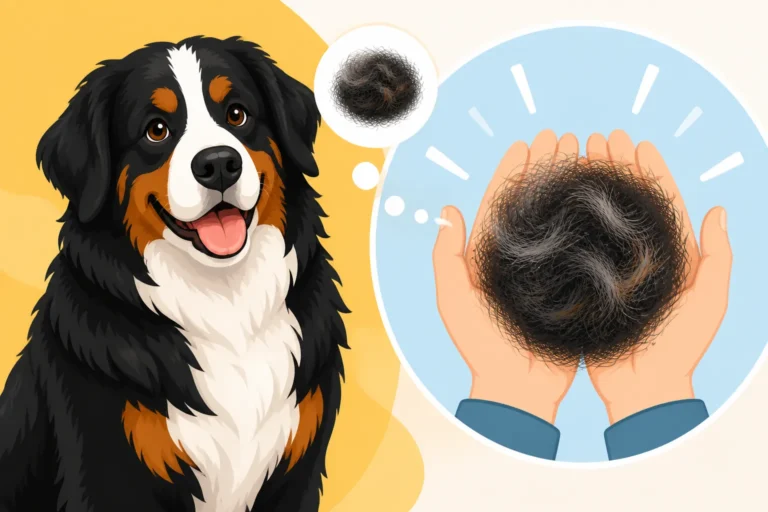
Consider the feathering on their legs and the abundant "trousers" on their hindquarters – these areas are particularly dense and prone to holding moisture. The longer the hair, the more surface area there is for water to cling to, and the more layers there are for air to penetrate to reach the deepest parts of the undercoat. Some Berners have wavier coats, which can also slow drying time even further, as the kinks and curls create more nooks and crannies for water to hide. Think about a curly human hair versus straight hair – curly hair often takes longer to air dry simply due to its structure. The same principle applies here. Grooming a Bernese Mountain Dog's Long Tricolor Coat is a serious commitment, and drying is a major part of that. If you let the undercoat remain damp, it can create a perfect breeding ground for bacteria and yeast, leading to skin irritations and even hot spots.
Factors Influencing Drying Time Beyond the Coat Itself
While your Berner's impressive coat is the primary reason for extended drying times, it's not the only factor. Several other elements, from the environment to your chosen drying method, can significantly impact how quickly your dog goes from sopping wet to perfectly dry.
Environmental Conditions Humidity, Temperature
Just like doing laundry, the environment in which you're drying your Bernese Mountain Dog makes a huge difference. If you've ever tried to air dry clothes on a humid day, you know they seem to stay damp forever. The same goes for your Berner.
High humidity in the air means there's already a lot of moisture present, making it much harder for water to evaporate from your dog's coat. If you live in a coastal area, a swampy region, or are simply experiencing a particularly muggy summer day, expect the drying process to be drawn out significantly. Conversely, a dry, arid climate with low humidity will naturally help speed things along.
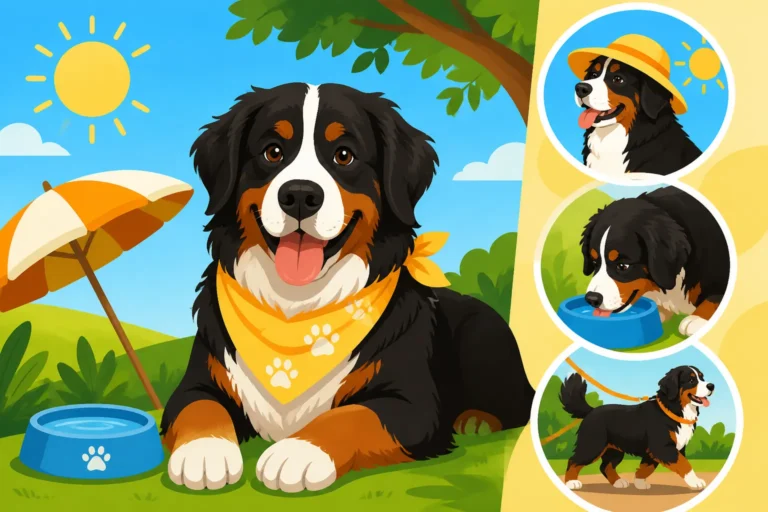
Temperature also plays a role, though perhaps not as straightforwardly as you might think. While a warm, sunny day might seem ideal, direct hot sun can actually be dangerous for a Bernese Mountain Dog, especially with their black coats, due to the risk of overheating. Heat and the Bernese Mountain Dog's Black Coat is a real concern. A comfortably warm, dry indoor environment with good air circulation is often more effective and safer than trying to dry them outdoors in extreme heat. Think about using a fan or having windows open to create a cross-breeze, but avoid drafts that might make your dog uncomfortable if they are sensitive to them.
The Importance of Post-Bath/Swim Toweling
Before you even think about breaking out the specialized drying equipment, the single most critical step you can take to reduce drying time is thorough, aggressive towel-drying. And I mean aggressive. Don't just dab at your Berner; really work that towel into their coat, squeezing and blotting away as much water as possible.
Microfiber towels are absolute game-changers here. They are far more absorbent than traditional cotton towels and can soak up a remarkable amount of water. Keep several on hand if you're bathing your Berner, because you'll likely go through a few. Start by squeezing water out of the feathering on their legs and under their belly, then move to their back and sides. Rub vigorously to lift and separate the coat hairs, allowing the towel to reach deeper into the undercoat. Some people even put their Berner in a thick towel-robe for 15-20 minutes to wick away initial moisture while they attend to other tasks.
The goal here isn't to get them completely dry with towels, but to remove as much surface and trapped water as possible. Every drop of water you remove with a towel is a drop that doesn't need to be evaporated later, shaving precious minutes off the total drying time. This initial toweling makes all subsequent drying methods much more efficient.
Using Forced Air Dryers vs. Air Drying
When it comes to drying a Bernese Mountain Dog, you generally have two main approaches: forced air drying or air drying (with or without some towel assistance). Let's be clear: relying solely on air drying for a fully soaked Bernese Mountain Dog is almost always a recipe for disaster, or at the very least, a very long wait and a perpetually damp dog.
-
Forced Air Dryers: These are specifically designed for dogs and are not your average human hairdryer. A good quality "force dryer" or "high-velocity dryer" blows a powerful stream of unheated or slightly warmed air that literally blasts water off the dog's coat. The force of the air separates the hair strands, allowing moisture to be propelled outwards. This is, by far, the most efficient and effective method for drying a Berner. It dramatically reduces drying time, prevents matting, and ensures the undercoat is completely dry. Brands like B-Air, Flying Pig, and K9 Fluffer are popular choices, and you can often find them on sites like Amazon or Chewy. They come with various nozzles to help direct the airflow. For a Bernese Mountain Dog, this piece of equipment is an absolute must-have if you plan on bathing them at home or if they frequently swim.
-
Air Drying: If you opt for air drying, understand that it will take hours, if not an entire day, for a thoroughly soaked Bernese Mountain Dog to dry completely, especially the undercoat. This method involves a lot of brushing and turning to ensure air can reach all layers. While it might seem easier, it carries risks. A damp undercoat can quickly lead to skin irritation, fungal infections, or uncomfortable matting as the hair dries. It's really only suitable for very minor dampness, like a walk in light rain, rather than a full bath or swim. Even then, I'd still recommend a thorough towel-down and perhaps some brushing to help air circulate. Why a Damp Bernese Mountain Dog Develops Sores is a very real concern if not dried properly.
A hybrid approach, where you aggressively towel dry, then use a forced air dryer until mostly dry, and then allow for a final air dry in a well-ventilated space, is often the most practical and effective strategy for home groomers.
Practical Steps for Efficient Drying
Drying a Bernese Mountain Dog isn't just about waiting; it's an active process that requires the right tools and techniques. With a methodical approach, you can significantly cut down on drying time and ensure your Berner is left feeling fluffy and comfortable.
Pre-Drying Routines for Maximum Water Removal
Before you even think about turning on a dryer, there are a few crucial steps that will make the entire process smoother and faster. Think of these as your foundational elements for a successful drying session.
First and foremost, whether your Berner has just had a bath or a swim, start with a thorough pre-brushing. This is especially important for bath time. Before the water even hits them, brush out any loose hair or mats. Water can tighten existing tangles, turning minor knots into full-blown mats that are incredibly difficult to dry and eventually remove. Use a good slicker brush and a wide-toothed comb to work through the coat. For a Bernese Mountain Dog, a high-quality undercoat rake is indispensable. Getting a Rake Down Through a Bernese Mountain Dog's Coat before bathing helps remove shedding undercoat, meaning there's less hair to hold water later.
After the bath, or as soon as they're out of the water from a swim, the first line of defense is toweling. As mentioned before, don't skimp on this step. Use multiple super-absorbent microfiber towels. Rub vigorously against the grain of the coat to lift the hair and absorb as much water as possible. Pay special attention to the chest, belly, and legs where water tends to collect. Some owners even teach their Berners to shake on command, which can dramatically reduce initial saturation. Encourage a few good shakes (perhaps outside or in a designated, easy-to-clean space) to fling off excess water before bringing them indoors or starting the full drying process. The more water you can physically remove at this stage, the less work your dryer will have to do.
Step-by-Step Guide to Using a Force Dryer
Using a force dryer is the most effective way to dry a Bernese Mountain Dog, but it can be a bit intimidating at first due to the noise and power. Here's a step-by-step approach to make it manageable and effective:
- Introduce the Dryer Gradually: If your Berner isn't used to a force dryer, start slowly. Let them see and sniff the dryer while it's off. Then, turn it on away from them for short bursts, rewarding calm behavior. Gradually move it closer, always praising and offering treats. Some dogs tolerate it better if you place cotton balls lightly in their ears to muffle the sound, but only if they don't resist this. You might even want to try a calming spray or treat beforehand.
- Start with Low Power and Cool Air: Begin with the dryer on its lowest setting and, if your model has a heat option, ensure it's set to cool or low heat. You want to avoid overheating your Berner. The primary mechanism of a force dryer is the force of the air, not extreme heat.
- Section by Section Drying: Don't try to dry the entire dog at once. Work in sections. A common strategy is to start from the hindquarters and work forward, or start from the chest and move back. Begin with a lower-impact area, like a hip or flank, to let your dog get used to the sensation.
- Hold the Nozzle Close and Move Systematically: Hold the nozzle a few inches from the coat. You'll see the water literally spray off the dog. Direct the air against the natural growth of the hair, "pushing" the water out from the skin. Use one hand to gently lift and separate the coat as you go, ensuring the air stream reaches the undercoat. Keep the nozzle moving constantly to avoid drying out one spot too much or causing skin irritation.
- Focus on Dense Areas: Pay extra attention to the thickest parts of the coat: the mane (ruff), the "trousers" on the back legs, the feathering on the legs, and the belly. These areas retain the most moisture.
- Check for Dampness: Periodically run your fingers deep into the undercoat to check for any residual dampness. The goal is bone-dry. If you feel any cool, clammy spots, keep drying.
- Finish with a Brush Out: Once your Berner is completely dry, give them a final brush-out with a slicker brush and comb. This will remove any remaining loose hair (and trust me, there will always be more!) and leave their coat looking magnificent. This is where you really appreciate Brushing Out a Bernese Mountain Dog's Undercoat.
You can find excellent force dryers on sites like Chewy or Amazon, often with different nozzle attachments for various coat types and drying needs.
Air Drying Safely and Effectively
While full air drying isn't recommended for a completely soaked Berner, it can be part of a hybrid approach or used for minor dampness. If you absolutely must rely on air drying, here's how to do it as safely and effectively as possible:
- Maximize Towel Drying: This step becomes even more critical if you're air drying. Get your Berner as dry as humanly possible with towels.
- Ensure Good Ventilation: Place your dog in a well-ventilated area with good air circulation. A room with open windows, a fan blowing nearby (but not directly at them, which can be chilly), or even a covered outdoor area on a warm, dry day can help. Avoid confined, damp spaces.
- Frequent Brushing: This is key to preventing mats and promoting air circulation. Every 20-30 minutes, or whenever you can, thoroughly brush your Berner's coat, lifting the hairs away from the skin. This helps separate the wet strands and allows air to reach the undercoat. Without this, the outer coat dries, trapping moisture against the skin.
- Monitor for Cold Spots and Matting: Regularly check your dog's coat, especially the dense areas, for cold or clammy spots which indicate dampness. Also, keep an eye out for any signs of matting forming. If you notice any, gently work them out with a comb or mat breaker.
- Never Leave Completely Unattended: A damp Berner should not be left alone for extended periods. Beyond the risk of matting and skin issues, a cold, damp dog can get chilled, particularly if they are older or have underlying health conditions.
- Consider a Light Covering: For minor dampness, a lightweight, breathable dog coat or even a towel-robe can help absorb lingering moisture while providing a bit of warmth, but only if you're actively monitoring them and the air circulation is excellent. You don't want to create a sauna effect.
Even with the best air-drying techniques, it's crucial to understand that it will still take much longer for a Bernese Mountain Dog to dry compared to using a force dryer. This method is best reserved for those times when a full force-dry isn't feasible or for very minimal dampness.
| Drying Method | Pros | Cons | Typical Drying Time (Full Bath/Swim) |
|---|---|---|---|
| Force Dryer | Fastest, most effective drying; prevents matting; ensures undercoat is completely dry; blasts loose hair. | Can be noisy (requires desensitization); initial cost of dryer; requires owner's active participation; powerful air can be startling if dog isn't used to it. | 30-90 minutes (depending on coat) |
| Aggressive Towel | Essential first step; removes significant surface water; no noise; low cost. | Does not dry completely; still leaves undercoat damp; requires multiple towels and effort. | Partially dry in 10-20 minutes |
| Air Dry (with brushing) | No equipment needed (after towels); quiet. | Very slow; high risk of matting, skin irritation, and fungal infections if undercoat isn't completely dry; requires constant monitoring and brushing; can make the dog uncomfortably cold. | 4-8+ hours, possibly overnight |
| Human Hairdryer | Readily available. | Not recommended! Too hot for dog's skin, can cause burns; not powerful enough to penetrate undercoat; can damage hair; often takes too long for a large dog, making overheating a risk. | Ineffective, not safe |
Common Mistakes and What to Avoid
When dealing with a big, fluffy Bernese Mountain Dog, it's easy to fall into traps that can prolong drying time, lead to discomfort, or even cause health issues. Being aware of these common mistakes can save you a lot of headache and keep your Berner healthier.
Letting Your Berner Air Dry Indoors Unattended
This is perhaps the biggest and most common mistake I see owners make, especially those new to double-coated breeds. You've given your Berner a good bath, maybe towel-dried them a bit, and then you let them loose in the house to "air dry" while you go about your day. You come back hours later, and while the top coat feels dry, run your fingers deep into their fur, and you'll often find a cold, damp, clammy undercoat.
Leaving your Bernese Mountain Dog to air dry indoors unattended can lead to a host of problems:
- Matting and Tangles: As the damp hair dries, it can bind together, especially in areas of friction like behind the ears, armpits, and groin. What starts as a small tangle can quickly become a painful mat that pulls on the skin and may require professional dematting or even shaving. The Felt That Forms Behind a Bernese Mountain Dog's Ear is a common issue from incomplete drying.
- Skin Irritations and Hot Spots: A damp, warm undercoat creates the perfect breeding ground for bacteria and yeast. This can lead to itchy skin, rashes, and highly uncomfortable hot spots (pyotraumatic dermatitis) that require veterinary intervention. These can develop surprisingly quickly. Itching Under a Bernese Mountain Dog's Thick Coat can often be traced back to dampness or inadequate drying.
- "Wet Dog Smell": That distinctive, unpleasant odor often associated with a wet dog isn't just water; it's bacteria and yeast flourishing in a damp environment. Proper and thorough drying eliminates the environment these microbes thrive in, greatly reducing the smell.
- Chilling: While Berners are built for cold, a dog sitting in a damp, cool coat for hours can still get chilled, especially if they are older or have a compromised immune system.
If you absolutely must allow some air drying (after substantial towel drying), ensure your Berner is in a confined, easy-to-clean space where they can be monitored and brushed frequently. A crate with a fan positioned nearby (not directly blowing cold air) can work, but never for long periods without supervision.
Overlooking Potential Skin Issues from Dampness
It's easy to assume that if the top of the coat feels dry, your job is done. However, for a Bernese Mountain Dog, the real danger lies beneath the surface, in that dense undercoat. Neglecting to thoroughly dry the undercoat can pave the way for a number of uncomfortable and potentially serious skin issues.
Beyond the hot spots mentioned earlier, persistent dampness can contribute to:
- Fungal Infections (Yeast Infections): These often manifest as red, itchy, sometimes greasy patches of skin with a yeasty odor. They are uncomfortable for your dog and can require antifungal treatments.
- Bacterial Skin Infections (Pyoderma): These can present as pustules, crusts, or circular red lesions. They are typically itchy and painful and often require antibiotics from your vet.
- Dermatitis: Generalized skin inflammation that can cause redness, itching, and discomfort.
Regularly checking your Berner's skin during grooming, especially after baths or swims, is crucial. Part their hair to examine the skin directly. Look for any redness, flakiness, pustules, scabs, or unusual odors. If you spot anything concerning, don't hesitate to consult your veterinarian. Prevention through diligent drying and regular grooming is always better than treatment. Learning Why a Damp Bernese Mountain Dog Develops Sores means you're already one step ahead in protecting your dog.
Additionally, using the right shampoo and conditioner, such as those formulated for sensitive skin or those with soothing ingredients, can also help maintain skin health. You can find a wide range of suitable products on platforms like Chewy or Amazon. Remember, bathing itself, even with gentle products, can temporarily strip some natural oils, making thorough drying even more important to restore the skin's natural barrier function. Consider discussing Shampoo for a Bernese Mountain Dog's Double Coat with your vet or a professional groomer to ensure you're using the best products for your dog's specific needs.
Conclusion
Drying a Bernese Mountain Dog is undeniably a commitment, but it's a vital part of their care. Their magnificent double coat, while beautiful, is a magnet for moisture, and neglecting proper drying can lead to a host of uncomfortable skin issues, matting, and that dreaded "wet dog" smell. By understanding the unique challenges of their coat, utilizing effective tools like force dryers, and adopting a systematic approach to water removal, you can transform a potentially lengthy and frustrating chore into a manageable part of your grooming routine.
Remember, aggressive towel drying is your first and best friend, followed by the focused power of a force dryer. Avoid the temptation to let your Berner air dry completely indoors and always be vigilant for any signs of dampness-related skin problems. Your Berner will thank you with a fluffy, clean, and healthy coat, ready for all the cuddles!
Disclaimer
This article is for general informational purposes only and does not constitute professional advice. Laws, prices and regulations vary by location and change over time. Consult a qualified professional for guidance on your specific situation.