Living With a Bernese Mountain Dog and an Allergy
It's a bittersweet reality when you fall head over heels for the majestic, loving personality of a Bernese Mountain Dog, only to find yourself constantly battling itchy eyes, a runny nose, or a persistent cough due to allergies. Many of us dream of sharing our lives with these gentle giants, but the reality of pet allergies can feel like an impossible barrier. This guide is here to walk you through practical, empathetic strategies to help you and your beloved Bernese Mountain Dog coexist comfortably, reducing those pesky allergens in your home and life.
Debunking the Hypoallergenic Myth and Understanding Triggers
One of the biggest misconceptions floating around in the world of dog ownership, especially for allergy sufferers, is the idea of a truly "hypoallergenic" dog. It's a term often thrown around, leading many to believe that certain breeds are completely safe. When you're dreaming of a big, fluffy Berner, it’s natural to wonder if there’s a secret trick or a special line that won’t set off your sneezes.
Why No Dog is Truly "Hypoallergenic"
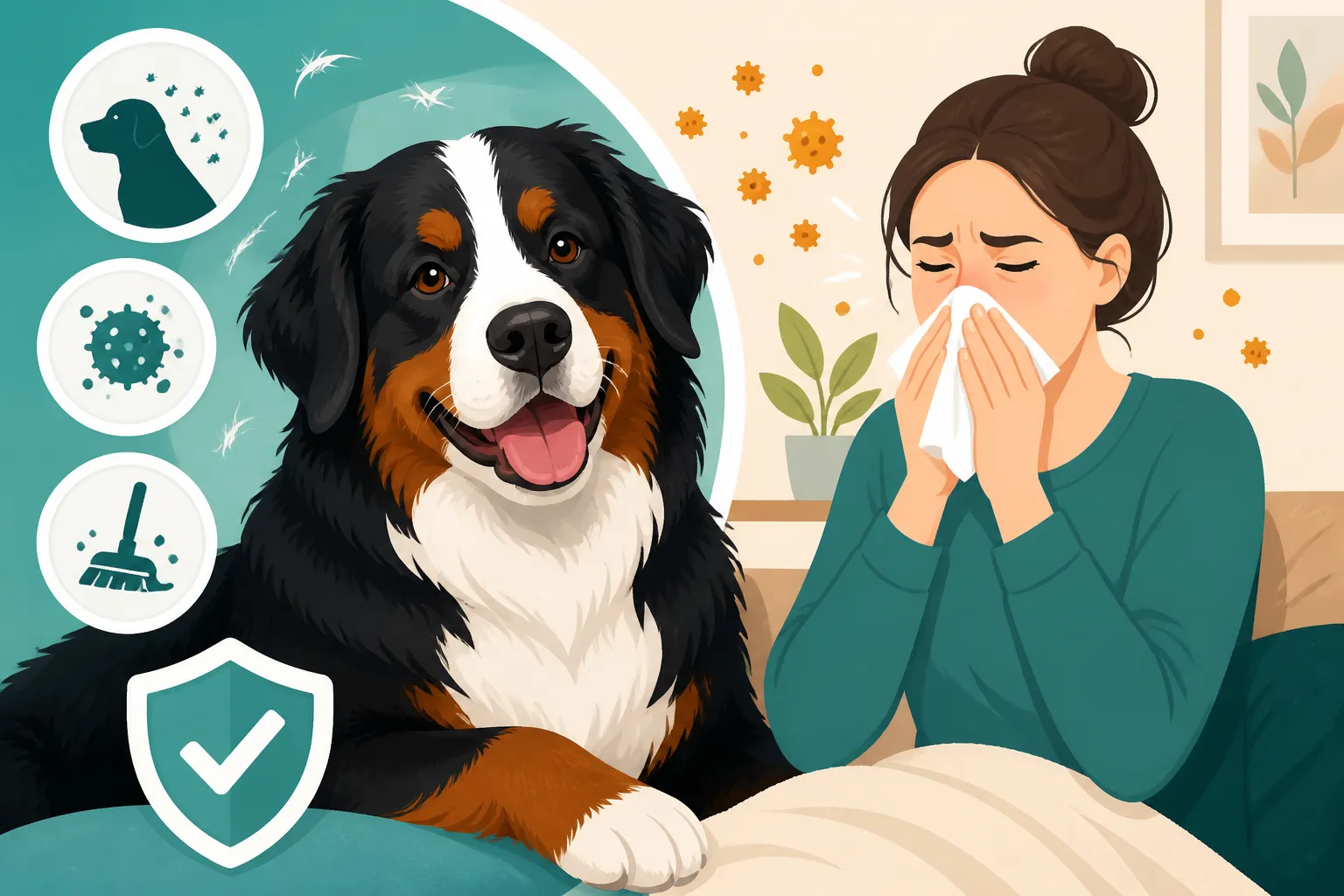
The truth is, no dog is 100% hypoallergenic. The term itself is a bit of a misnomer because it implies a complete absence of allergens, which simply isn't the case for any animal. Allergies aren't typically to a dog's fur itself, but rather to proteins found in their dander (flakes of dead skin), saliva, and urine. All dogs produce these proteins, albeit in varying amounts. Some breeds are labeled "hypoallergenic" because they shed less fur, which in turn means less dander is distributed throughout your home. Fewer airborne dander particles often translate to fewer allergic reactions for sensitive individuals.
For a Bernese Mountain Dog, with their glorious, thick double coats, the "hypoallergenic" label is definitely not one that applies. They are renowned for their shedding, especially during seasonal changes. This means that if you're sensitive to dander, you're going to have a lot of it floating around, sticking to furniture, clothes, and pretty much every surface in your home. Understanding this upfront isn't meant to discourage you, but to set realistic expectations and empower you to put effective management strategies in place. It's not about finding a non-allergenic Berner (because they don't exist!), but about learning to manage the allergens they naturally produce.
Identifying Your Specific Allergy Triggers
Before you can effectively tackle your allergies, it’s crucial to understand what exactly is causing your symptoms. While most pet allergies stem from dander, saliva, and urine, the intensity of your reaction might vary. Some people react more strongly to dried saliva, which can be found on toys, bedding, or even where your Berner has licked you. Others are more affected by airborne dander particles, which are released as your dog moves and sheds.
Think about when your symptoms are at their worst. Is it right after a vigorous petting session? Or when you're vacuuming the living room carpet? Maybe it's after your dog has been sleeping on your favorite armchair. Keeping a mental log, or even a small journal, of when and where your allergies flare up can provide valuable clues. This information can help you and your doctor narrow down your specific triggers, allowing you to focus your efforts on the most impactful interventions. It’s a personalized journey, and what works for one person might not be the exact solution for another, even if you both adore your Bernese Mountain Dog.
Creating an Allergy-Friendly Home Environment
Your home is your sanctuary, and with a large, fluffy Bernese Mountain Dog, it can also become an allergen hotspot if not managed properly. The good news is that with some consistent effort and smart strategies, you can significantly reduce the allergen load in your living space, making it much more comfortable for allergy sufferers. It’s about creating an environment where both you and your Berner can thrive without constant sniffles and sneezes.
Strategic Cleaning and Vacuuming for Dander Control
Regular, thorough cleaning is your first line of defense against pet allergens. Dander, shed fur, and dried saliva can accumulate rapidly, particularly with a breed like the Bernese Mountain Dog. Aim for daily light cleaning and weekly deep cleaning. When you're vacuuming, it's not just about picking up visible fur; it's about capturing those microscopic dander particles. Invest in a vacuum cleaner equipped with a High-Efficiency Particulate Air (HEPA) filter. These filters are designed to trap tiny particles, including pet dander, pollen, and dust mites, preventing them from being recirculated into the air. Many major brands offer excellent HEPA-filtered models that can handle the sheer volume of Berner hair.
Beyond vacuuming, consider replacing carpet with hard-surface flooring like wood, tile, or laminate if possible. Carpets are notorious for trapping allergens, holding onto them even after vacuuming. If replacing carpet isn't an option, professional carpet cleaning every few months can help. For soft furnishings like sofas and chairs, use washable covers or throws that you can regularly toss into the laundry. Steam cleaning upholstery can also make a difference. Don't forget to wipe down hard surfaces with a damp cloth daily to pick up settled dander, rather than just dusting, which can stir allergens into the air. Remember, consistency is key when you're dealing with a breed like a Berner, whose coat is always giving off some level of dander, as detailed in The Bernese Mountain Dog Shed and What It Fills.
Air Quality and Filtration Systems That Make a Difference
Even with meticulous cleaning, airborne allergens are often the hardest to control. This is where air purification systems become incredibly valuable. Just like HEPA filters in vacuums, standalone air purifiers with HEPA filters can continuously clean the air in your home, removing dander, pollen, dust, and other irritants. Place air purifiers in the rooms where you spend the most time, especially bedrooms and living areas. For instance, you can find a wide variety of effective air purifiers on Amazon or specialized home goods stores.
Additionally, consider upgrading your home’s HVAC system filters to a higher Minimum Efficiency Reporting Value (MERV) rating, ideally MERV 11 or higher. These filters are more effective at trapping smaller particles. Make sure to change these filters regularly, often every 1-3 months, especially if you have a Bernese Mountain Dog and allergy sufferers in the house. Good ventilation also plays a role; opening windows (when outdoor pollen counts are low) for short periods can help refresh the air, or using exhaust fans in bathrooms and kitchens can remove moisture and reduce overall indoor air pollutants.
Designating Dog-Free Zones
While it might sound harsh to banish your beloved Bernese Mountain Dog from certain areas, establishing dog-free zones can be a lifesaver for allergy sufferers. The most crucial area is typically your bedroom. By preventing your Berner from entering your sleeping space, you create an allergen-reduced sanctuary where you can get a good night's rest without inhaling dander. This dedicated space allows your body to recover from allergen exposure, which can significantly reduce overall symptom severity.
This doesn't mean your dog can't still feel close to you. Consider providing a comfortable, orthopedic dog bed just outside your bedroom door, or in another designated area where they can still feel part of the family without being right in your personal space all night. Make these zones inviting for your Berner with their favorite toys and blankets. The goal isn't to isolate your dog but to manage allergen exposure in key personal areas. This strategy can be surprisingly effective and help maintain a healthy balance in a multi-species household.
Managing Your Berner's Coat and Skin Health
It might seem counterintuitive, but taking excellent care of your Bernese Mountain Dog's skin and coat can directly impact the amount of dander and shedding they produce, which in turn affects your allergies. A healthy coat sheds less, and healthy skin produces less flaky dander. It’s a win-win: your Berner looks and feels great, and your allergies get a much-needed break.
Regular Grooming to Reduce Shedding and Dander
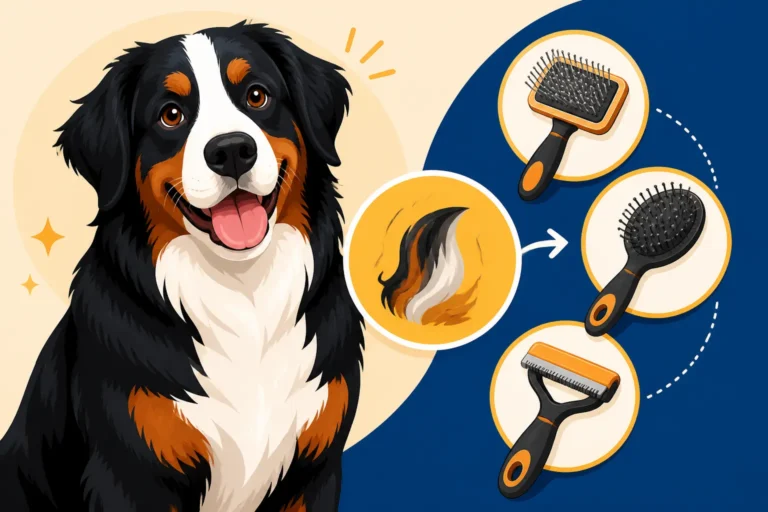
Consistent grooming is paramount for a Bernese Mountain Dog, especially when you're managing allergies. Their thick double coat is prone to shedding year-round, with heavy seasonal "blows" where they lose their undercoat. Brushing your Berner frequently, ideally daily or every other day, with the right tools, like a de-shedding rake or a sturdy slicker brush, can remove loose fur and dander before it has a chance to spread throughout your home. You can find excellent grooming tools on Chewy that are specifically designed for thick, double coats. Make sure to do this brushing outdoors if possible, to keep those allergens out of your living space. If outdoor brushing isn't feasible, consider brushing in an easily cleanable area, like a tiled bathroom, and vacuuming immediately afterward.
Bathing your Bernese Mountain Dog every 4-6 weeks can also help. Use a gentle, dog-specific shampoo designed for double coats. Bathing helps remove accumulated dander and loose hair. Just be sure to rinse thoroughly and dry your Berner completely to prevent skin irritation. Some dog owners find that using a high-velocity dog dryer after a bath really helps to blow out loose undercoat and dander, significantly reducing subsequent shedding. For more on this, check out Brushing Out a Bernese Mountain Dog's Undercoat.
Nutritional Support for a Healthy Skin Barrier
A healthy coat starts from the inside out. What your Bernese Mountain Dog eats plays a significant role in their skin and coat health. A diet rich in high-quality protein, essential fatty acids (like Omega-3 and Omega-6), and vitamins can promote a strong, healthy skin barrier and a lustrous coat. Look for dog foods that list real meat as the first ingredient and contain beneficial oils such as flaxseed oil or fish oil.
If your Berner’s coat seems dull or their skin is dry and flaky, talk to your vet about adding a supplement. Omega-3 fatty acid supplements, often derived from fish oil, are fantastic for skin and coat health and can help reduce dryness and dander. Some brands, like Ollie, offer fresh, human-grade dog food that often supports excellent skin and coat health due to its high-quality ingredients. Always introduce new foods or supplements gradually and observe your dog for any changes. A healthier coat means less dander, which directly translates to less irritation for allergy sufferers.
Considering Professional Grooming Services
Sometimes, the sheer size and coat density of a Bernese Mountain Dog make at-home grooming a formidable task, especially when you're trying to minimize allergen exposure. This is where professional groomers can be an absolute lifesaver. A good groomer has the tools, expertise, and facilities to give your Berner a thorough de-shedding treatment and bath that you might not be able to achieve at home. They have industrial-strength dryers that can effectively blow out large amounts of loose undercoat, significantly reducing future shedding.
When choosing a groomer, look for one experienced with large, double-coated breeds like Berners. Explain your allergy concerns, and ask about their de-shedding services. Many groomers offer specialized treatments designed to reduce shedding. The investment in regular professional grooming can pay dividends in terms of reduced allergens in your home and a happier, healthier-coated Bernese Mountain Dog. Plus, it means you don't have to deal with all that loose hair yourself! This can be a smart addition to your overall allergy management plan, complementing your efforts to keep your home comfortable, as discussed in What a Bernese Mountain Dog Groom Costs.
Personal Care Strategies for Allergy Sufferers
Even with a pristine home and a well-groomed Berner, direct interaction with your dog is inevitable and desired. After all, what’s the point of having such a loving companion if you can’t cuddle them? Developing personal care strategies can significantly reduce your exposure to allergens during and after these cherished moments, allowing you to enjoy your Bernese Mountain Dog without constantly suffering from symptoms.
Post-Interaction Hygiene and Clothing Choices
It's a simple truth: if you're going to cuddle your Bernese Mountain Dog, you're going to get dander and saliva on you. Implementing a routine for post-interaction hygiene can make a huge difference. After a good play session or cuddle, wash your hands and face immediately. This prevents you from inadvertently transferring allergens to your eyes, nose, and mouth, which are common entry points for allergy symptoms. A quick shower before bed can also be beneficial if you've had a lot of direct contact with your dog throughout the day, ensuring you don't bring allergens into your designated dog-free bedroom space.
Think about your clothing choices as well. If you know you're going to be engaging in some heavy Berner snuggle time, consider wearing "dog clothes" – an old sweatshirt or pair of pants that you can immediately remove and put in the laundry afterward. This prevents transferring dog hair and dander to your everyday clothes, which then carry allergens with you wherever you go. Keep a designated laundry hamper specifically for these dog-laden items. Regularly washing bedding, throws, and any blankets your Berner uses is also crucial to reduce allergen buildup.
Over-the-Counter and Prescription Relief Options
Sometimes, despite all your best efforts with environmental and grooming management, your allergies still flare up. This is when medical interventions can offer much-needed relief. Many effective over-the-counter (OTC) allergy medications can help manage symptoms. Antihistamines, available in oral pill or nasal spray form, can reduce sneezing, itching, and runny nose. Decongestants can help clear stuffy noses. Nasal corticosteroid sprays are also highly effective for reducing inflammation in the nasal passages over time.
It's always a good idea to consult with your doctor or a pharmacist to discuss which OTC options might be best for your specific symptoms and health profile. If OTC medications aren't providing sufficient relief, your doctor might prescribe stronger antihistamines, leukotriene modifiers, or other specialized allergy medications. The goal is to find a balance where you can enjoy your Bernese Mountain Dog with minimal discomfort, and sometimes, a little medical help is necessary to achieve that comfortable coexistence.
Long-Term Solutions and Support
Living with pet allergies and a beloved Bernese Mountain Dog is a long-term commitment. It's not just about managing symptoms day-to-day, but about building sustainable strategies and knowing when to seek professional help to ensure both your well-being and your dog's place in your family. There are advanced options for allergy relief, and it’s important to acknowledge the emotional journey involved.
When to Consult an Allergist
If your allergy symptoms persist despite consistent cleaning, grooming, and OTC medications, it’s definitely time to consult an allergist. An allergist can perform specific tests to confirm your exact allergens and assess the severity of your reaction. They can offer more advanced treatment options, such as immunotherapy, commonly known as allergy shots. Immunotherapy involves a series of injections containing small, increasing doses of the allergen over time. The goal is to desensitize your immune system, making it less reactive to the allergen. This isn't a quick fix; it's a long-term commitment, often lasting several years, but it can provide significant, lasting relief for many people.
An allergist can also provide personalized advice, help you refine your home management strategies, and ensure you're using medications effectively. They can differentiate between pet allergies and other environmental allergies that might be contributing to your symptoms, leading to a more targeted and effective treatment plan. Think of them as your partner in creating the most comfortable life possible with your furry companion.
The Emotional Aspect of Living with Pet Allergies
Beyond the physical symptoms, living with pet allergies can take an emotional toll. There's often a sense of guilt, frustration, or sadness that comes with loving your Bernese Mountain Dog deeply but constantly feeling unwell in their presence. It's okay to acknowledge these feelings. You're not alone; many dedicated pet owners grapple with this challenge. It’s also important to remember that having allergies doesn’t make you a bad pet parent. In fact, the effort you put into managing your symptoms shows just how much you care.
Focus on the joy your Bernese Mountain Dog brings into your life and the comfort that comes from finding effective ways to manage your allergies. Celebrate the small victories – a day without sneezing, a successful cuddle session, or a friend commenting on how clean your home smells despite having a giant, fluffy dog. Building a supportive network, whether through online forums, local dog clubs, or even just talking to empathetic friends, can also provide emotional relief. Your Bernese Mountain Dog deserves a loving home, and with dedication and smart strategies, you can absolutely provide that, even with allergies.
Keeping a House Livable With a Bernese Mountain Dog can offer further insights into maintaining a harmonious household.
| Allergy Management Strategy | Description | Impact on Allergies |
|---|---|---|
| Regular Brushing | Daily or every-other-day brushing, ideally outdoors. | Removes loose fur and dander before it spreads. |
| Frequent Bathing | Every 4-6 weeks with appropriate shampoo. | Washes away dander and reduces skin flakes. |
| HEPA Vacuuming | Daily vacuuming with a HEPA-filtered vacuum. | Traps microscopic dander from floors and carpets. |
| Air Purifiers | Placed in main living areas and bedrooms, with HEPA filters. | Continuously cleans airborne allergens. |
| Dog-Free Zones | Designating areas like bedrooms where your Berner cannot enter. | Provides an allergen-free sanctuary for rest and recovery. |
| Post-Interaction Hygiene | Washing hands and face after petting; showering before bed. | Prevents transfer of allergens to sensitive areas. |
| Allergy Medications | OTC or prescription antihistamines, nasal sprays. | Reduces immediate symptoms and inflammation. |
| Immunotherapy | Allergy shots from an allergist (long-term). | Desensitizes the immune system to allergens over time. |
| Dietary Support | High-quality food and Omega-3 supplements for your dog. | Promotes healthy skin and coat, reducing dander production. |
| Professional Grooming | Regular de-shedding treatments by a professional. | Deeply removes undercoat and dander, lessening home spread. |
Remember that living with a Bernese Mountain Dog and an allergy is a journey that requires patience, consistency, and a proactive approach. It's about finding the right balance of strategies that work for you and your furry companion, ensuring that your life together is filled with joy, not sniffles. How Much a Bernese Mountain Dog Sheds in a Week provides more context on the shedding aspect, which is a significant factor in allergy management. You might also want to look into Shampoo for a Bernese Mountain Dog's Double Coat for bath-time best practices or Vacuums That Cope With a Bernese Mountain Dog for managing all that hair. If your Bernese Mountain Dog suffers from skin issues that contribute to dander, exploring Itching Under a Bernese Mountain Dog's Thick Coat can also be beneficial, as a healthy dog skin reduces allergen load.
Disclaimer
This article is for general informational purposes only and does not constitute professional advice. Laws, prices and regulations vary by location and change over time. Consult a qualified professional for guidance on your specific situation.