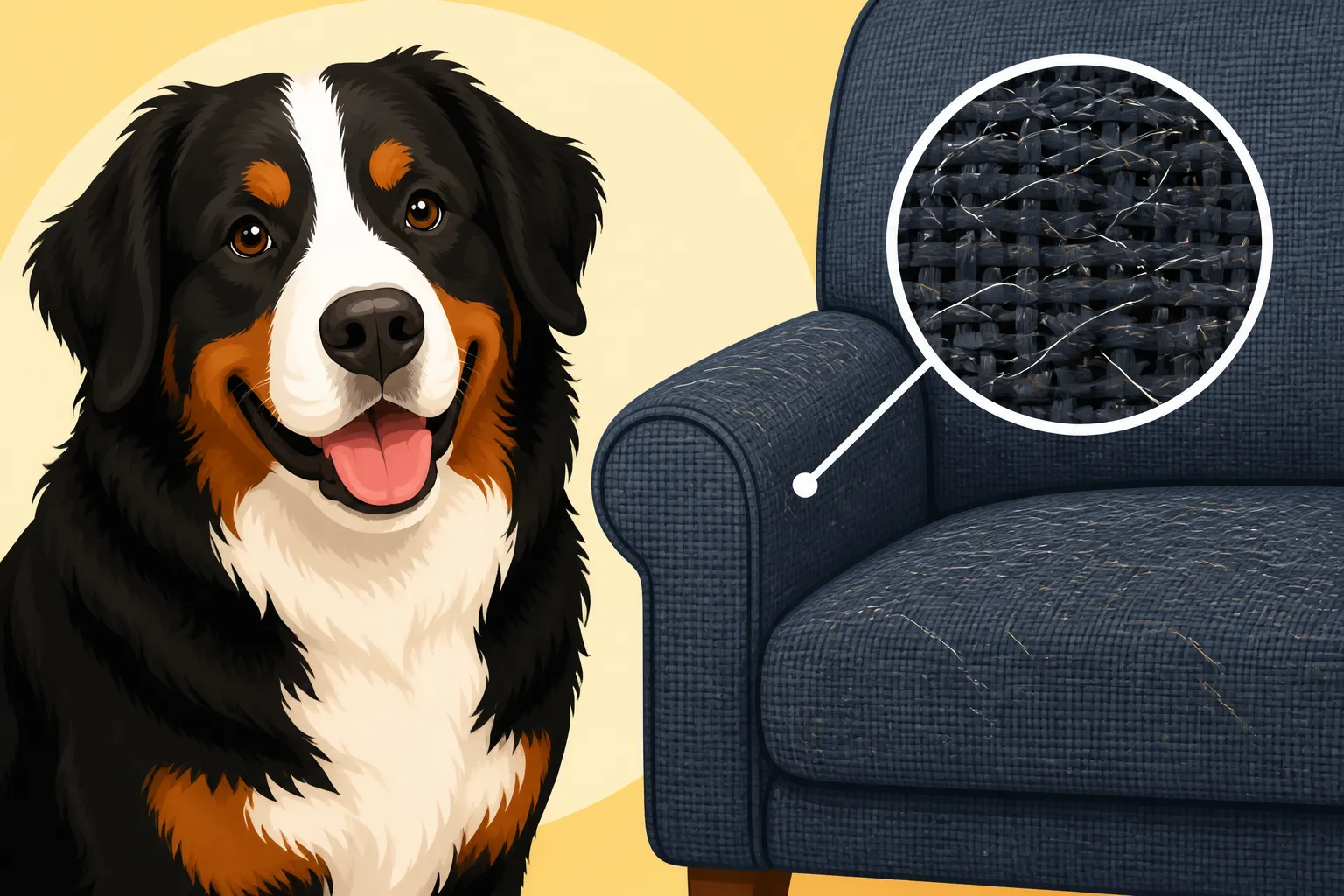
Bernese Mountain Dog Hair Woven Into Upholstery
Oh, the joy of a Bernese Mountain Dog! Their majestic coats, those beautiful tri-colors, the softness you just want to bury your face in… right up until you sit on the couch and realize your favorite blanket has become an extension of your Berner's winter coat. Dealing with Bernese Mountain Dog hair woven into upholstery isn't just a minor inconvenience; it's a constant, often overwhelming battle for many of us. This guide is here to walk you through understanding why their hair seems to bond with your furniture, and more importantly, how to reclaim your sofas, chairs, and car seats from the fluffy invasion.
The Unavoidable Truth: Why Bernese Mountain Dog Hair is Everywhere
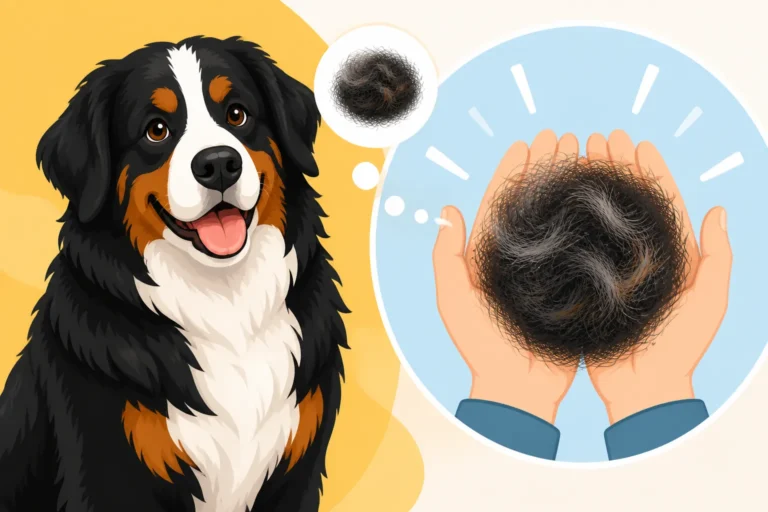
Let's be real, if you have a Bernese Mountain Dog, you have hair. Everywhere. It's part of the package, a beautiful, fluffy, ever-present part. But understanding why they shed so much, and why that hair is so persistent, is the first step in learning how to manage it. It's not just a mess; it's a testament to their incredible double coat.
The Dynamics of a Bernese Double Coat
Our Berners are built for the cold, rugged Swiss mountains, and their coat is a marvel of natural engineering. They boast a thick, luxurious double coat. The outer coat is long, somewhat coarse, and water-resistant, designed to shed snow and rain. Beneath that lies a dense, soft undercoat, which acts like a built-in down jacket, providing insulation against the bitter cold. This undercoat is the main culprit when it comes to the sheer volume of hair you find around your home. It’s constantly growing, dying, and being replaced, meaning there’s always a fresh supply of fluff waiting to escape.
Think of it like this: every single hair follicle on your Berner is on its own little schedule. Some hairs are growing, some are resting, and some are actively shedding. This isn't like a single-coated breed where you might get minimal, continuous shedding. With a double-coated dog like a Bernese, it's a whole production. And because their hairs are fairly long, they intertwine and clump together, making them all the more noticeable and difficult to remove once they’ve settled into your fabrics. It's a natural process, but one that definitely keeps us on our toes!
Seasonal Shedding Peaks: When the Fluff Storm Hits
While Bernese Mountain Dogs shed year-round, there are definitely peak seasons when the fluff storm reaches epic proportions. You know exactly what I'm talking about: those times of the year when you swear your dog has suddenly quadrupled in size, and every surface in your home looks like it’s been blanketed in fresh snow. Typically, this occurs twice a year, in spring and autumn.
In spring, as the weather warms up, your Berner's body signals it's time to ditch that heavy winter undercoat to prepare for summer. This is often the most dramatic shedding period, sometimes lasting several weeks. You'll find tumbleweeds of hair forming in corners, and every time your dog shakes, it's like a confetti cannon of fur. Then, in the fall, they shed their lighter summer coat to make way for the thicker, warmer winter undercoat. While often less intense than the spring shed, it's still significant. During these times, your regular grooming routine needs to kick into overdrive. It's truly a test of endurance, and if you haven't lived through it yet, buckle up! You'll want to read more about The Bernese Mountain Dog Shed and What It Fills to get a full picture of what's coming.
The Upholstery Predicament: How Berner Hair Becomes One With Your Furniture
It's one thing to see hair on the floor; it's another entirely when it seems to have physically merged with your sofa cushions. Bernese Mountain Dog hair has a particular knack for embedding itself deep into fabric, becoming nearly impossible to just vacuum away. There's a science, or perhaps an art, to its clinginess.
Static Cling and the Attraction of Fur
Ever notice how after a good cuddle session, you stand up, and your clothes are practically vibrating with static, attracting every single strand of your Berner's hair? This isn't just coincidence. Static electricity plays a huge role in why dog hair loves to cling to certain surfaces, especially upholstery. When your Bernese rubs against the couch, or even just sits there, friction is created. This friction generates static electricity, which essentially acts like a magnet, drawing loose hairs from their coat directly onto the fabric fibers.
Once those hairs are on the fabric, the static charge helps them bond, making them incredibly resistant to simple brushing or vacuuming. It's particularly bad in drier climates or during winter months when indoor humidity is lower, exacerbating static build-up. You might even hear little crackles as you peel hairs off a cushion! This invisible force is a major part of the battle, making hair removal a more complex task than just a quick sweep.
Fabric Types: Some Are Worse Than Others
Not all upholstery is created equal when it comes to attracting and holding onto Bernese Mountain Dog hair. Some fabrics are like hair magnets, practically begging for every loose strand to embed itself, while others are a bit more forgiving. Understanding this can help you make informed choices, or at least understand why some pieces of furniture are more challenging than others.
Here’s a quick rundown of common upholstery fabrics and their general tendencies:
| Fabric Type | Hair Attraction Level | Why it Matters |
|---|---|---|
| Velvet/Velour | Very High | The soft, looped fibers grab and hold onto hair tightly. It often creates a "furry" look very quickly. |
| Tweed/Chenille | High | Textured, woven fabrics with nooks and crannies for hair to settle into. Can be tough to clean thoroughly. |
| Microfiber | Medium-High | While often touted as "pet-friendly," its fine, tightly woven fibers can still attract hair, and static cling can be a real issue. |
| Woven Cotton | Medium | Natural fibers can attract hair, but the weave often isn't as tight as microfiber, making removal easier than velvet. |
| Leather/Faux Leather | Low-Medium | Smooth surfaces mean hair tends to sit on top rather than embed. Easier to wipe or vacuum away, but static can still cause cling. |
| Satin/Silk | Low | Very smooth, slippery surfaces. Hair often slides right off, but these fabrics are generally impractical for heavy-duty pet use. |
If your sofa is a beautiful velvet, you’re likely fighting an uphill battle compared to someone with a smooth leather couch. Deeply textured fabrics, especially those with an open weave or a soft, fuzzy pile, offer countless anchor points for those individual hairs to latch onto. It’s not just about the hair landing on the surface; it’s about it burrowing down and becoming intertwined with the fabric's very structure. This is where the real frustration sets in, as simply running a vacuum over it often doesn't cut it.
The Deep Embedding: When Hair Becomes Part of the Furniture
It’s not just surface-level dust bunnies we’re talking about; Bernese Mountain Dog hair has a cunning way of embedding itself deep within the fabric fibers. Imagine thousands of tiny, barbed hooks working their way into the weave of your cushions. That's essentially what happens. The constant pressure from your Berner lying, sitting, and shifting on the furniture pushes those loose hairs deeper and deeper.
Once embedded, these hairs become intertwined with the fabric itself, making them incredibly difficult to dislodge with standard cleaning methods. Vacuum cleaner bristles often just skim over the surface, leaving a stubborn layer of hair behind. You might vacuum religiously, only to find that your cushions still feel rough with embedded fur. This is the stage where you start contemplating extreme measures, like throwing out the couch (don't worry, we won't go that far!). It’s a battle of patience and the right tools, because your Berner has mastered the art of making themselves truly at home. Keeping a House Livable With a Bernese Mountain Dog means accepting this reality and arming yourself with strategies.
Battling the Berner Fur Invasion: Effective Strategies for Upholstery
Okay, so we understand why the hair is there. Now, let’s talk about how to get rid of it. This isn't about magical solutions, but about practical, often elbow-grease-heavy methods that actually work to extract that woven-in Bernese fur.
Manual Tools: More Than Just a Lint Roller
When a standard vacuum isn't enough, it's time to bring out the specialized manual tools. These are your secret weapons for dislodging deeply embedded Bernese Mountain Dog hair.
- Rubber Gloves/Pet Hair Removers: This is an old trick that truly works wonders. Put on a damp rubber glove (the kind you use for dishwashing) and simply wipe your hand over the upholstered surface. The friction, combined with the slight dampness and the texture of the rubber, creates a powerful grip that rolls the hair into clumps. You'll be amazed at how much fur comes off! There are also purpose-made pet hair removers that mimic this effect, often with textured rubber or silicone surfaces. Brands like ChomChom Roller or other handheld brushes found on Amazon are incredibly popular for this reason. They require some effort, but they are incredibly satisfying to use as you watch the fur ball up.
- Squeegees: Similar to rubber gloves, a rubber squeegee (like the one you use for windows) can be surprisingly effective. Drag it across the fabric in short, firm strokes, and watch it pull up embedded hair that your vacuum missed. This works particularly well on tighter woven fabrics.
- Fabric Brushes/Pet Hair Brushes: There are specific brushes designed with stiff, angled bristles that are meant to dig into fabric and pull out hair. They often work by gathering the hair into small piles that can then be easily picked up.
- Damp Sponge/Cloth: For lighter, more superficial hair, a slightly damp sponge or microfiber cloth can often pick up a surprising amount of fur. Just wipe gently in one direction to gather the hair.
These manual tools require consistency, but they can be incredibly effective for spot treatments or for areas where your Berner loves to lounge. Don't underestimate the power of these simple, non-electric solutions.
Vacuuming Techniques: It's All About the Approach
You might think you know how to vacuum, but when it comes to Bernese Mountain Dog hair, it’s not just about running the nozzle over the surface. It requires a specific technique and the right attachments to truly make a dent in that embedded fur.
Firstly, ensure you have a vacuum cleaner with strong suction and, ideally, a motorized brush attachment. Many standard vacuums simply aren't powerful enough to dislodge those stubborn hairs. When you’re vacuuming upholstery, use short, overlapping strokes. Instead of pushing the attachment quickly across the fabric, press down firmly and pull it towards you, then lift and repeat. This "scrubbing" action helps the bristles agitate the fibers and pull out the embedded hair. Sometimes, going in different directions – horizontally, then vertically – can help release more strands.
Many brands offer specialized pet hair attachments for their vacuums, which are often smaller, more powerful, and designed with rubberized blades or stronger brush rolls to tackle fur. If you're struggling, check if your vacuum manufacturer has such an attachment available, or consider investing in a handheld pet vacuum. For serious Bernese shedding, you need a vacuum that can truly stand up to the task. You might want to explore reviews of different models that cope well with significant pet hair, as discussed in Vacuums That Cope With a Bernese Mountain Dog.
Special Cleaning Methods: Beyond the Everyday
Sometimes, you need to pull out the big guns, especially for upholstery that hasn't seen a deep clean in a while or has accumulated years of embedded Berner fur. These methods might be more time-consuming but can offer a deeper clean.
- Electrostatic Cleaning Products: Some sprays or cloths are designed to reduce static electricity on fabrics, which can make it easier to remove existing hair and prevent future cling. While they won't magically lift all the hair, they can be a helpful precursor to other cleaning methods.
- Carpet Cleaner/Steam Cleaner: If your upholstery can handle it (always patch test in an inconspicuous area!), a wet carpet cleaner or steam cleaner can loosen embedded hair. The moisture and suction from a carpet cleaner, or the steam from a steam cleaner, can relax fabric fibers, making it easier for the vacuum action to extract hair that was previously stuck. This also helps with odors and general cleanliness. However, be cautious with delicate fabrics and ensure proper drying to prevent mildew.
- Professional Upholstery Cleaning: For truly overwhelming situations, or for prized pieces of furniture, a professional upholstery cleaner can be a worthwhile investment. They have industrial-strength equipment and specialized cleaning solutions that can remove deeply embedded hair, stains, and odors that are beyond the scope of home methods. It's a reset button for your furniture and can make a huge difference in the overall cleanliness and appearance of your home.
Remember, consistency is key. Even the most powerful method won't keep your upholstery hair-free if you only do it once a month.
Beyond the Brush: Long-Term Solutions for a Hair-Free Home
While reactive cleaning is essential, the real game-changer for living with a shedding Bernese Mountain Dog is a proactive approach. It's about minimizing the hair load before it even has a chance to weave itself into your beloved furniture.
Grooming Routines: The First Line of Defense
The single most effective way to reduce hair on your upholstery is to remove it directly from your Bernese Mountain Dog! A consistent and thorough grooming routine is your absolute first line of defense. During peak shedding seasons, daily brushing isn't just a recommendation; it's a necessity.
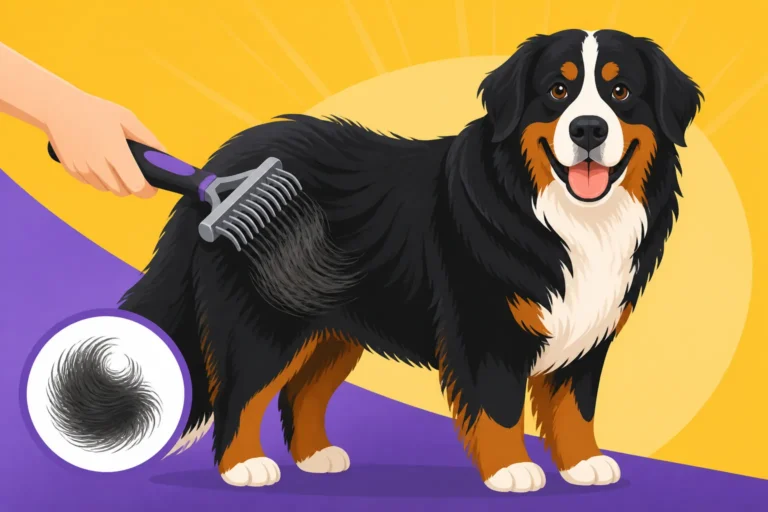
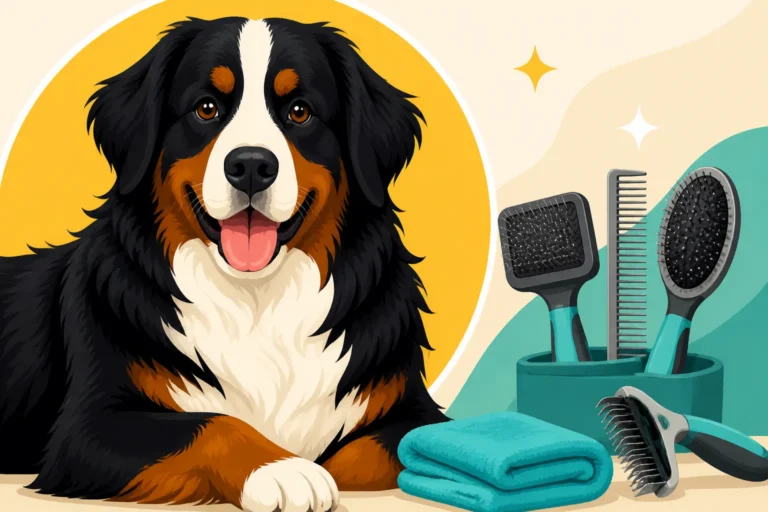
- Deshedding Tools: Invest in high-quality deshedding tools like an undercoat rake. These tools are specifically designed to reach through the topcoat and pull out the loose, dead undercoat that would otherwise end up on your furniture. Brushing your Berner with an undercoat rake for 15-30 minutes daily during intense shedding can significantly reduce the amount of hair floating around your home. For serious shedding, a high-quality deshedding tool is non-negotiable. Many owners find excellent options available through retailers like Amazon or specialized pet suppliers like Chewy, where you can compare different brands and read reviews.
- Force Dryer: If you have access to one (or consider investing), a high-velocity force dryer (the kind professional groomers use) can blast loose undercoat out of your Berner's fur before it falls out naturally. This is best done outdoors or in a designated grooming area as it creates a literal fur storm, but it's incredibly effective. You can read more about whether A Force Dryer Is Worth It for a Bernese Mountain Dog.
- Regular Baths: While not a daily solution, regular bathing (every 4-6 weeks, or as needed) with a good deshedding shampoo can also help loosen and remove dead hair. Ensure you thoroughly dry your Berner afterwards, ideally with a force dryer, to prevent skin issues and ensure all loose fur is removed.
A well-groomed Bernese is a less hairy household. It might seem like a lot of work, but trust me, an hour of brushing a week is far less frustrating than hours of picking hair out of the couch with rubber gloves. Understanding How Long Brushing a Bernese Mountain Dog Takes can help you plan this essential task.
Protective Covers and Designated Pet Zones
Sometimes, the simplest solutions are the most effective. If you have specific pieces of furniture that your Bernese loves (or that are particularly expensive), covering them can save you a world of cleaning hassle.
- Washable Throws and Blankets: Drape washable blankets, throws, or dedicated pet covers over your sofas, chairs, and even car seats. Choose materials that are easy to shake off and toss in the washing machine regularly. This creates a barrier, catching the majority of the hair before it reaches your upholstery. You can get stylish, machine-washable covers that blend with your decor, or simply use old sheets.
- Pet Furniture Protectors: Many companies sell specialized pet furniture covers that are designed to stay in place, are water-resistant, and are easy to remove and wash. Look for ones with anchors or straps to prevent them from sliding off when your Berner jumps on or off.
- Designated Pet Beds: Encourage your Bernese Mountain Dog to use their own comfortable, hair-catching beds instead of the furniture. Place these beds in strategic spots where they like to relax. Ensure the beds are easy to clean – covers that zip off and can be machine-washed are ideal. This gives them their own space and keeps the hair confined.
By creating these protective layers, you’re not fighting the hair directly on your upholstery; you’re simply washing a cover, which is a much easier and less time-consuming task.
Air Purification and Floor Maintenance
While not directly about upholstery, maintaining good air quality and clean floors can indirectly help reduce the amount of Bernese Mountain Dog hair that eventually finds its way into your furniture. Loose hair doesn't always fall directly onto a surface; it floats around in the air first.
- Air Purifiers: Investing in a good quality air purifier with a HEPA filter can capture airborne pet dander and hair before it settles. While it won't eliminate all hair, it can certainly reduce the overall load in your home, leading to less hair settling on your upholstery and other surfaces.
- Regular Floor Cleaning: Vacuuming and sweeping floors frequently, especially in areas where your Berner spends a lot of time, prevents hair from being tracked around and redistributed onto furniture. A robotic vacuum cleaner can be a lifesaver for daily maintenance, constantly picking up loose hair before it has a chance to accumulate. Even just sweeping up the hair tumbleweeds that form in corners can make a noticeable difference in the overall hair level in your home.
- Ventilation: Good ventilation can also help. Open windows when weather permits to allow fresh air to circulate and carry away some of the lighter, airborne hair.
Combining proactive grooming with protective measures and general household cleanliness creates a comprehensive strategy for managing Bernese Mountain Dog hair. It’s a commitment, but living in a home that isn't perpetually covered in fur makes it all worth it. Feeding a high-quality diet, perhaps from a fresh food service like Ollie, can also contribute to a healthier coat and potentially reduce excessive shedding over time, though it's not a magic bullet. Ultimately, finding what works best for your household and your Berner's shedding patterns is an ongoing process, but with these tools and techniques, you can definitely win the battle against embedded fur.
Disclaimer
This article is for general informational purposes only and does not constitute professional advice. Laws, prices and regulations vary by location and change over time. Consult a qualified professional for guidance on your specific situation.