The Bernese Mountain Dog Bite the Standard Requires
It can be surprisingly tricky to figure out all the nuances of what makes a Bernese Mountain Dog truly “typical” for the breed, and one area that often leaves new owners or those considering a Berner scratching their heads is their bite. You might wonder if it’s just about aesthetics, or if there are real health implications if their teeth don't align perfectly. This guide is here to demystify the Bernese Mountain Dog's bite, explaining exactly what the breed standard requires, why it matters, and what common variations you might encounter.
Understanding the Bernese Mountain Dog Breed Standard
When we talk about a dog's "breed standard," we're essentially looking at the blueprint for what an ideal example of that breed should be. These standards are developed by parent clubs, like the Bernese Mountain Dog Club of America, and they describe the perfect physical attributes, temperament, and movement. For Bernese Mountain Dogs, these standards aren't just about winning ribbons in the show ring; they're deeply rooted in the breed's historical function and overall health. A correct bite, for instance, isn't just a fancy detail; it’s fundamental to how a dog eats, grooms itself, and even plays.
Why the Breed Standard Matters
The breed standard is more than just a beauty contest rulebook. It's designed to preserve the health, temperament, and working abilities that define the Bernese Mountain Dog. When a dog deviates significantly from the standard, especially in critical areas like bite, it can indicate potential health issues or a departure from the breed's intended functional structure. For a breed originally tasked with herding, guarding, and pulling carts in the rugged Swiss Alps, a strong, functional bite was essential for a variety of tasks, from gripping objects to tearing meat. Even today, though most Berners are cherished companions, that underlying structure contributes to their overall well-being. Looking into The Bernese Mountain Dog Breed Standard can give you a deeper appreciation for all the elements that make up this magnificent dog.
The Ideal Scissor Bite
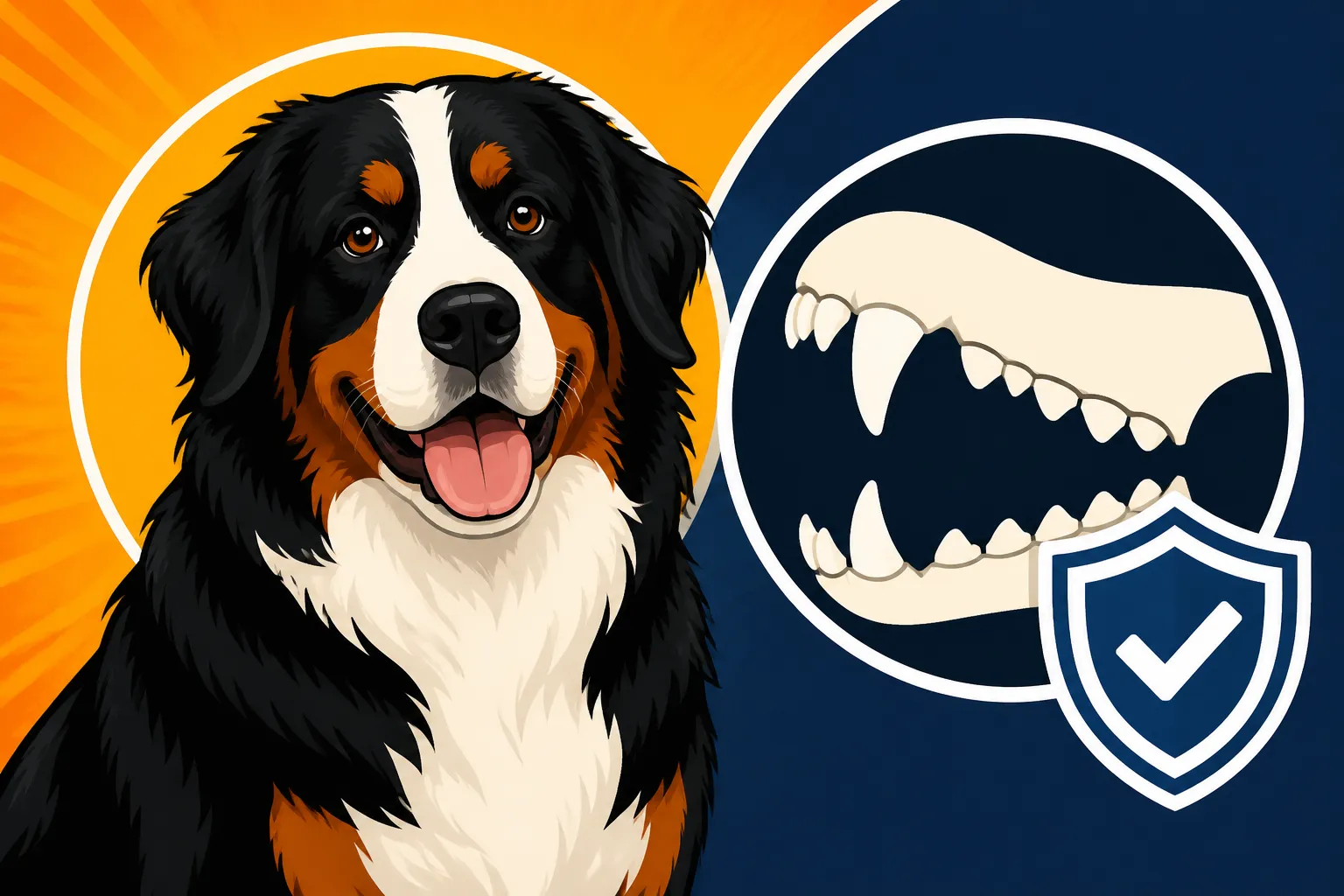
For the Bernese Mountain Dog, the breed standard specifically calls for a "scissor bite." This is considered the optimal alignment for most dog breeds, and it's quite easy to understand once you visualize it. In a perfect scissor bite, the upper incisors (the front teeth) just slightly overlap the lower incisors, much like how the blades of a pair of scissors overlap. When you look at your Berner's mouth, with their lips gently pulled back, you should see those top teeth fitting snugly over the bottom ones. The canine teeth (fangs) should interlock, and the premolars and molars should align properly to ensure efficient chewing. This arrangement provides incredible strength and efficiency for grasping and tearing food, which is vital for a large, powerful dog.
How to Check Your Bernese Mountain Dog's Bite
Checking your Bernese Mountain Dog's bite is a relatively simple process and a good habit to get into, not just for confirming the standard but also for routine dental health checks. It’s best to start this when they’re puppies, making it a positive, normal experience. Gently lift your Berner’s lips at the front of their mouth. You’ll be looking at their incisors first. The top incisors should slightly overlap the bottom ones. Then, pull back the sides of their lips to check how their canines and premolars align. You want to see the top canines falling just in front of the bottom canines, creating that interlocking pattern. As they grow, their permanent teeth will come in, and you can reassess. If you're ever unsure, your veterinarian can easily check their bite during a routine exam. Regular oral hygiene is key for Berners; don't forget products from places like Chewy can help keep those teeth clean and healthy.
Common Bite Imperfections in Bernese Mountain Dogs
While the scissor bite is the gold standard, dogs, just like people, aren't always perfect. It's quite common to see variations in bite alignment, and some are more significant than others. Understanding these imperfections can help you identify potential issues early on and discuss them with your vet or breeder.
The Undershot Bite
An undershot bite occurs when the lower jaw extends beyond the upper jaw, causing the lower incisors to protrude in front of the upper incisors. It's often referred to as a "reverse scissor bite." While some breeds, like Bulldogs or Boxers, are actually supposed to have an undershot bite, it is considered a fault in Bernese Mountain Dogs. Depending on the severity, an undershot bite can range from a minor cosmetic issue to a significant functional problem. In mild cases, a Berner might live a perfectly normal life without any noticeable impact. However, a pronounced undershot bite can lead to teeth constantly rubbing against each other, causing abnormal wear, or even trauma to the roof of the mouth if the lower canines dig in. This can be quite painful and lead to chronic inflammation or infections.
The Overshot Bite
Conversely, an overshot bite is when the upper jaw extends significantly beyond the lower jaw, causing a gap between the upper and lower incisors. This is sometimes called a "parrot mouth." For a Bernese Mountain Dog, an overshot bite is also considered a fault. Similar to the undershot bite, the severity dictates the impact. Mild overbites might not cause much trouble, but a severe overshot bite can prevent the teeth from meeting properly. This can make it difficult for your Berner to grasp food, chew effectively, or even pick up toys. It can also lead to the lower canines impinging on the upper palate, causing sores or discomfort. It’s a bit like trying to eat with misaligned cutlery; it just doesn’t work as intended. When discussing The Bernese Mountain Dog Health Panel with your vet, asking about bite health is a good addition.
Level Bites and Wry Bites
Beyond undershot and overshot, there are other bite variations. A level bite is when the upper and lower incisors meet edge-to-edge. While it might sound ideal, a level bite isn't preferred for Bernese Mountain Dogs because it leads to excessive and premature wear of the incisors. Think about it: teeth are designed to slide past each other, not grind directly. Over time, a level bite can cause significant dental erosion.
A wry bite, also known as a crooked bite, is a more complex and often more problematic issue. This occurs when one side of the jaw grows differently from the other, resulting in an asymmetrical alignment. Imagine one side of the jaw appearing normal, while the other side might be undershot or overshot, or simply twisted. Wry bites can cause significant dental problems, including improper occlusion, trauma to soft tissues, and difficulty eating. It's often immediately visible and can be a serious concern for the dog's comfort and long-term dental health.
Implications of an Incorrect Bite
When a Bernese Mountain Dog's bite deviates from the ideal scissor bite, it can have consequences that extend beyond mere appearance. These implications can affect a dog's health, comfort, and even its potential for breeding or showing.
Health and Practical Concerns
The most immediate concern with an incorrect bite is the impact on your Berner's oral health and ability to function normally. Improper alignment can lead to several issues:
- Abnormal Dental Wear: Teeth that don't meet correctly can rub against each other in ways they shouldn't, leading to accelerated wear, chipping, or even fracturing. This can expose the sensitive inner pulp of the tooth, causing pain and a higher risk of infection.
- Difficulty Eating: Depending on the severity, a misaligned bite can make it hard for a Bernese Mountain Dog to pick up kibble, chew food thoroughly, or hold onto bones or toys. This can sometimes lead to digestive upset if food isn't properly chewed. You might find yourself researching slow feeders or different food textures, often available on Chewy, to help manage these issues.
- Soft Tissue Trauma: Protruding or misaligned teeth can dig into the gums, tongue, or roof of the mouth. This constant irritation can cause painful sores, ulcers, and chronic inflammation, making eating and even resting uncomfortable.
- Increased Risk of Dental Disease: Food particles can get trapped in unusual spaces created by an incorrect bite, increasing the likelihood of plaque and tartar buildup, gum disease, and tooth decay. Regular dental check-ups are even more crucial for Berners with bite issues. Learning about Gum Disease in an Older Bernese Mountain Dog highlights the importance of oral health throughout their lives.
Impact on Showing and Breeding
For those involved in the world of dog shows, an incorrect bite is a significant fault according to the Bernese Mountain Dog breed standard. Depending on the severity, it can lead to disqualification or at least a lower placement. Judges are looking for dogs that conform as closely as possible to the ideal, and bite is a fundamental structural component.
From a breeding perspective, an incorrect bite is a red flag. Responsible breeders strive to produce healthy offspring that adhere to the breed standard. Breeding dogs with known bite faults can perpetuate these issues in future generations, potentially leading to more dogs with health and functional problems. Therefore, reputable breeders will typically not breed dogs with significant bite imperfections. They understand that Whether Cancer Runs in Bernese Mountain Dog Lines and other genetic health issues are paramount, and structural faults like bite problems fall into that category of responsible breeding considerations.
When to Consult Your Veterinarian
If you notice any unusual bite alignment in your Bernese Mountain Dog, especially if they show signs of discomfort, difficulty eating, or abnormal wear on their teeth, it's always best to consult your veterinarian. They can assess the severity of the bite issue and determine if any intervention is necessary. This might range from regular monitoring to dental procedures like orthodontics (yes, dogs can get braces!) or extractions if specific teeth are causing trauma. Early detection and intervention can prevent more serious problems down the line. Even if it's just a subtle variation, discussing it can provide peace of mind and help you understand how to best care for your Berner's oral health.
Responsible Breeding Practices and Bite Health
Understanding the ideal bite for a Bernese Mountain Dog also sheds light on the dedication of responsible breeders. They are the guardians of the breed, striving to maintain not just the beautiful appearance but also the robust health and excellent temperament that define Berners. Bite health is a critical component of that mission.
The Role of Genetics in Bite Formation
Like many physical traits, the development of a dog's jaw and teeth alignment is heavily influenced by genetics. A Bernese Mountain Dog puppy inherits its jaw structure from its parents, and sometimes, from generations further back in its pedigree. This means that if there's a history of undershot, overshot, or wry bites in a particular bloodline, there's a higher probability that offspring from that line could inherit similar issues.
While not every incorrect bite is purely genetic (sometimes trauma or environmental factors can play a role), responsible breeders are acutely aware of the genetic component. They understand that while a parent dog might have a perfect scissor bite, if its parents or siblings had recurring bite issues, the genes for those faults could still be carried and passed on. This is why a thorough understanding of a dog's pedigree and the health history of its ancestors is so incredibly important. You might find useful information by submitting your Berner's records to What the Berner-Garde Database Records.
What Reputable Breeders Look For
Reputable Bernese Mountain Dog breeders are meticulous in their selection of breeding pairs. They don't just look at a dog's beauty or temperament; they dive deep into health clearances and structural integrity. When it comes to bite, they will:
- Physically Examine Bites: They will routinely check the bite of all their breeding stock, as well as the puppies they produce. This helps them identify any trends or recurring issues within their lines.
- Consider Pedigree History: They will know the bite history of the parent dogs, grandparents, and even great-grandparents. If there's a consistent pattern of a certain bite fault, even if the direct parents have acceptable bites, a responsible breeder might choose a different mate or reconsider breeding that particular dog to avoid perpetuating the fault.
- Prioritize Function and Health: For a good breeder, a correct bite is not just about meeting a show standard; it's about ensuring the dog can eat, groom itself, and live comfortably without dental pain or issues. They are essentially breeding for functionality first and foremost.
- Be Transparent: A reputable breeder will openly discuss any bite variations they've seen in their lines and explain their breeding decisions. They won't try to hide imperfections. This transparency is crucial for new owners, helping them understand what to expect. This dedication extends to ensuring a healthy lifespan, as covered in Why a Bernese Mountain Dog Lives Only Seven or Eight Years.
You'll find that breeders often list the results of these evaluations in their documentation, which you might check on online databases if they've submitted them. When you pick up your puppy, a breeder should be happy to show you how to check their bite and discuss what to look for as they grow. Investing in a dog from a responsible breeder greatly increases your chances of getting a Berner with good health, including a structurally sound bite. When considering a puppy, asking about The Folder a Bernese Mountain Dog Breeder Hands Over should include discussions about health, including bite.
Here's a quick summary table of common bite types in dogs:
| Bite Type | Description | Bernese Mountain Dog Standard Status | Potential Issues |
|---|---|---|---|
| Scissor Bite | Upper incisors just overlap lower incisors. Canine teeth interlock. | Ideal/Required | None, provides optimal chewing and grasping. |
| Undershot | Lower jaw extends beyond upper jaw; lower incisors protrude. | Fault | Dental trauma (lower canines into palate), abnormal wear, difficulty grasping food. |
| Overshot | Upper jaw extends beyond lower jaw; gap between incisors. | Fault | Dental trauma (lower canines into gums/palate), difficulty chewing, abnormal wear. |
| Level Bite | Incisors meet edge-to-edge. | Fault | Accelerated and premature wear of incisors due to grinding. |
| Wry Bite | Asymmetrical jaw growth, one side misaligned. | Severe Fault | Severe dental occlusion problems, constant soft tissue trauma, significant discomfort. |
Ultimately, while the Bernese Mountain Dog breed standard outlines the perfect scissor bite, understanding the common imperfections and their potential implications empowers you as an owner. It helps you appreciate the efforts of responsible breeders and know when to seek veterinary advice, ensuring your majestic Berner lives a life free from preventable dental discomfort.
Disclaimer
This article is for general informational purposes only and does not constitute professional advice. Laws, prices and regulations vary by location and change over time. Consult a qualified professional for guidance on your specific situation.