Whether Working Lines Differ From Show Bernese Mountain Dogs
It's a common dilemma for anyone looking to welcome a Bernese Mountain Dog into their family: you hear terms like "working lines" and "show lines," and suddenly you're wondering if you need a specific kind of Berner to fit your lifestyle. This can be incredibly confusing, making you worry you'll pick the "wrong" dog if you don't understand the nuances. This guide aims to demystify these distinctions, helping you understand what these terms truly mean for a Bernese Mountain Dog and how to make the best choice for your home, focusing on factors that genuinely impact your dog's future.
Understanding "Working Line" vs. "Show Line" in Bernese Mountain Dogs
When you delve into the world of dog breeding, especially with specific purebreds, the terms "working line" and "show line" pop up frequently. For some breeds, like German Shepherds or Border Collies, the difference can be stark, reflecting generations of selective breeding for vastly different purposes. However, with Bernese Mountain Dogs, the distinction isn't always as black and white as you might expect, and it's essential to understand why.
What the Terms Historically Imply
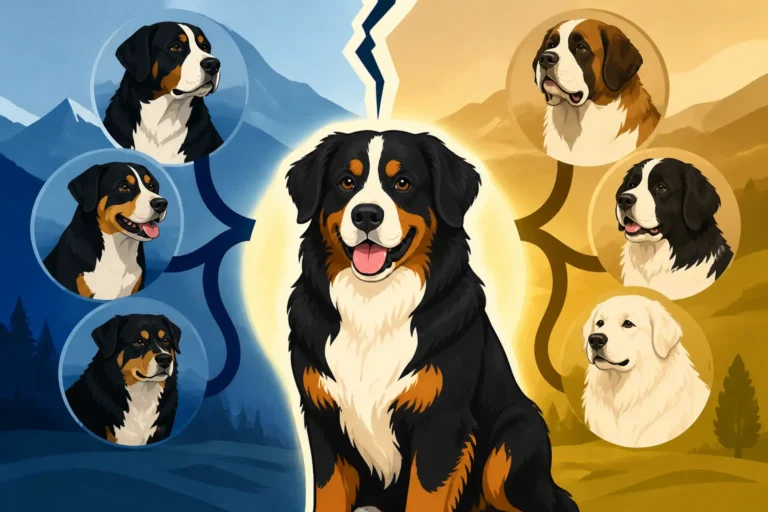
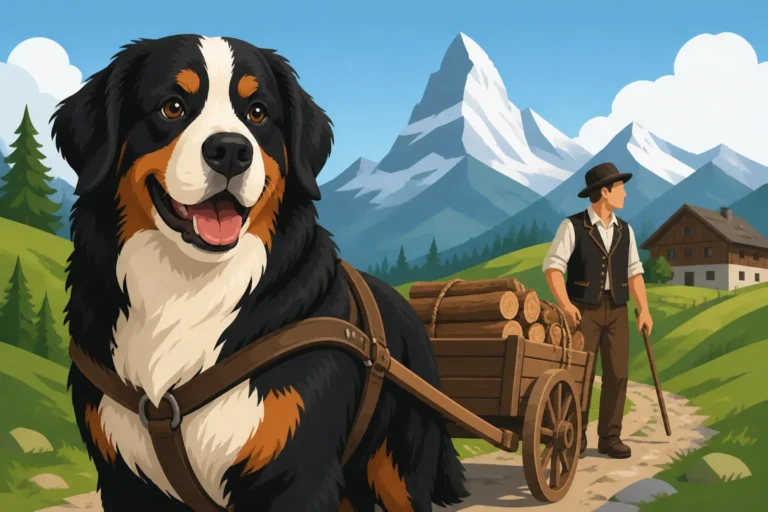
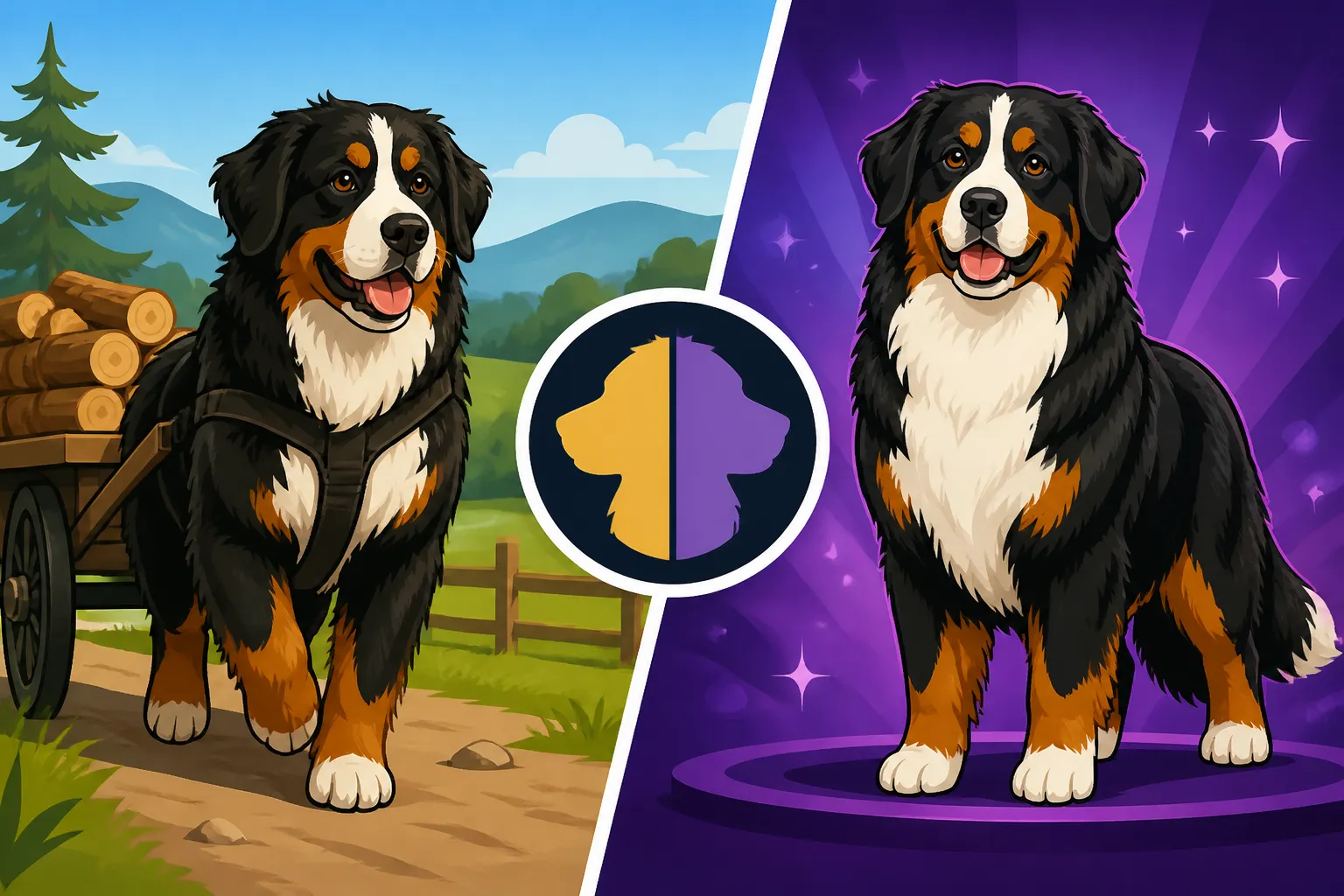
Historically, a "working line" dog would come from ancestors primarily bred for specific tasks—in the Berner's case, this means draft work, herding, and guarding on Swiss farms. These dogs would have been selected for their physical endurance, intelligence, biddability, and robust health to perform their daily duties. Traits like a strong work ethic, physical prowess, and mental resilience were paramount. Farmers weren't concerned with perfect markings or how a dog moved in a show ring; they cared if the dog could pull a cart of milk to market or watch over their livestock effectively. You might be interested in reading about What a Bernese Mountain Dog Did on a Swiss Farm to get a better sense of their original roles.
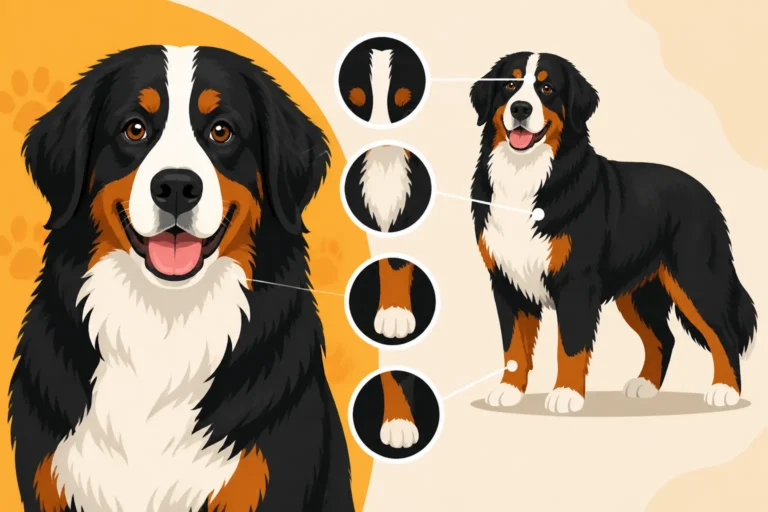
On the other hand, "show lines" typically refer to dogs bred with a primary focus on conforming to the breed standard, which dictates appearance, structure, and movement. Breeders aiming for success in conformation shows select dogs that best embody the physical ideals set by organizations like the American Kennel Club (AKC) or equivalent international bodies. This means attention to coat color and markings, head shape, bone structure, and gait. While temperament is also part of the breed standard – typically described as "good-natured" and "self-confident" for Berners – the emphasis is heavily on aesthetics and how the dog presents itself in a show ring.
Why the Distinction is Blurry for Berners
Here's where it gets interesting for Bernese Mountain Dogs: unlike some other breeds where working trials and conformation shows are entirely separate breeding tracks, the Bernese Mountain Dog community often sees a significant overlap. Many breeders strive to produce dogs that can excel in both areas – beautiful enough for the show ring, but with the sound structure, health, and temperament to participate in activities like draft work, obedience, or therapy work. The breed's historical function as an all-around farm dog means that a truly "typey" Berner should ideally possess both the impressive appearance and the inherent drive and capability for work.
Furthermore, the types of "work" Berners are often involved in today (drafting, obedience, therapy) are largely companion dog sports, not survival-of-the-fittest farm labor. This means the intense selective pressure seen in some other "working" breeds isn't quite the same. While some lines might produce dogs with a slightly higher drive for specific activities, it's less about a fundamental split and more about individual breeders' priorities within the overarching goal of producing a healthy, sound, and good-natured Bernese Mountain Dog.
Temperament and Drive: Are There Noticeable Differences?
It's natural to wonder if a Bernese Mountain Dog from a "working" background will be a hyper bundle of energy, while a "show" Berner is a couch potato. In reality, the truth is far more nuanced, and individual personality often trumps perceived lineage when it comes to temperament and drive.
The Myth of Extreme Temperament Variations
Let's debunk a common misconception right away: you're unlikely to find a Bernese Mountain Dog from a reputable "working line" that is significantly more high-strung, intense, or difficult to live with than a "show line" Berner. The breed standard for the Bernese Mountain Dog consistently emphasizes a calm, confident, good-natured, and tractable temperament. This is a non-negotiable trait for the breed, regardless of whether a dog is destined for the show ring, a draft title, or simply to be a cherished family pet. An overly shy or aggressive Berner is a fault in any line. This means that reputable breeders, regardless of their specific focus, prioritize sound temperament.
Any Berner, whether its ancestors were show champions or accomplished carting dogs, needs proper socialization and training. A puppy's early experiences and consistent, positive reinforcement will have a far greater impact on its adult behavior than a vague "lineage." For example, Training a Bernese Mountain Dog Without Breaking It emphasizes positive methods that work for any Berner, respecting their sensitive nature.
Subtle Differences in "Drive" and Energy
While extreme differences are rare, you might observe subtle variations in "drive" or enthusiasm for certain activities. Dogs from lines where draft work or obedience titles are frequently pursued might show a slightly greater eagerness to learn, a higher level of focus during training, or simply more enthusiasm for physical activities. This doesn't mean they are hyper or demanding; it just means they might be more readily engaged in structured activities.
A Berner whose parents and grandparents have all earned titles in carting, for example, might inherently possess a bit more stamina or natural inclination for pulling than a dog from a line primarily bred for conformation. However, this is usually a difference in degree, not a fundamental shift in personality. All Berners, regardless of their immediate ancestry, benefit from regular exercise and mental stimulation. Even the most dedicated show dog still needs walks, playtime, and engaging activities to be happy and healthy. If you're considering activities like drafting, you might look at What Draft Work Costs a Bernese Mountain Dog Owner for insights into the commitment involved.
Trainability and Biddability
Bernese Mountain Dogs are generally intelligent and eager to please, making them quite trainable, though they can be sensitive to harsh corrections. They thrive on positive reinforcement and building a strong bond with their owners. Some might interpret this sensitivity as stubbornness, but it's usually a sign that they need patience and understanding.
A dog from a line with a strong emphasis on performance sports might show slightly more biddability – meaning a greater willingness to comply with commands and work closely with their handler. This often translates to an easier time in formal training classes. However, any Bernese Mountain Dog can learn to be a well-behaved and responsive companion with consistent effort. Investing in good quality training treats and perhaps a specialized training collar or harness from a trusted source like Chewy can make a huge difference, whether your Berner is from a "working" or "show" background.
Health and Structure: Does Lineage Impact Longevity and Vitality?
This is perhaps the most critical area where people hope "line" can make a difference, particularly given the Bernese Mountain Dog's known health challenges. While conscientious breeding practices are paramount, the labels "working line" and "show line" alone don't automatically guarantee superior health.
The Shared Health Challenges of the Breed
It's a sad reality that Bernese Mountain Dogs, as a breed, face several significant health concerns, regardless of their specific lineage. Why a Bernese Mountain Dog Lives Only Seven or Eight Years highlights the breed's tragically short lifespan, largely due to a high incidence of cancer and orthopedic issues. These include:
- Cancer: Histiocytic sarcoma is particularly prevalent, but lymphoma and mast cell tumors are also common. You can learn more about Histiocytic Sarcoma in a Bernese Mountain Dog.
- Orthopedic Problems: Hip and elbow dysplasia, along with other joint issues, are unfortunately common in this large, fast-growing breed. The sheer weight a Berner's hips carry is immense, making these conditions particularly debilitating. Read Joint Disease in a Hundred Pound Bernese Mountain Dog for more.
- Bloat (Gastric Dilatation-Volvulus): This life-threatening condition can affect any deep-chested breed, including Berners.
- Degenerative Myelopathy (DM): A progressive neurological disease affecting the spinal cord.
These issues are widespread within the breed's gene pool. No single "line" has entirely eradicated them, though responsible breeders in both show and working circles strive to minimize their occurrence.
Breeding Priorities and Health Testing
The key difference often comes down to the priority of health within a breeding program, rather than the "line" label itself. Reputable breeders, whether their focus is on show rings or performance titles, are equally committed to health testing their breeding stock. This involves:
- OFA (Orthopedic Foundation for Animals) Clearances: Screening for hip and elbow dysplasia, ensuring breeding dogs have good joint health.
- Eye Certifications (CERF/OFA Eye): Checking for inherited eye diseases.
- Cardiac Clearances: Screening for heart conditions.
- Genetic Testing: Specifically for conditions like von Willebrand Disease (a bleeding disorder) and Degenerative Myelopathy.
A breeder focused on showing might prioritize a beautiful coat and perfect gait, but they must also prioritize health and structure because a dog with poor hips won't move well in the ring, and a sick dog can't compete. Similarly, a breeder focused on working ability needs sound, healthy dogs to perform tasks, so health testing is equally crucial. The real question isn't "working vs. show," but "responsible vs. irresponsible breeder." Always inquire about The Bernese Mountain Dog Health Panel and thoroughly check a breeder's records. Resources like Berner-Garde Database are invaluable for tracking health information across lines.
| Trait / Concern | Perceived "Working Line" Emphasis | Perceived "Show Line" Emphasis | Reality for Reputable Bernese Breeders (Both) |
|---|---|---|---|
| Temperament | High drive, biddability, stamina | Calm, composed, good-natured | Calm, confident, good-natured, trainable |
| Energy Level | More active, needs a "job" | Lower energy, more laid-back | Moderate activity needs, daily exercise is crucial |
| Physical Structure | Robustness, endurance, sound joints | Breed standard conformation, graceful movement | Sound structure, healthy joints for longevity and function |
| Health Testing | Highly prioritized for function | Highly prioritized for breed health | Extensive health testing (OFA, Eye, Heart, Genetics) |
| Longevity | Often perceived as healthier | No inherent difference | A significant breed challenge, regardless of line, but responsible breeding aims to improve. |
| Grooming Needs | Minimal, functional coat | Beautiful, luxurious coat | Regular grooming, shedding, seasonal blowing of coat |
Please note: This table represents general perceptions and aims to clarify the reality from the perspective of reputable Bernese Mountain Dog breeders.
Making an Informed Choice: What to Prioritize for Your Bernese Mountain Dog
Given that the "working line" and "show line" distinctions are not always clear-cut for Bernese Mountain Dogs, how do you make the right choice when bringing one home? The focus should shift away from these labels and towards the breeder's practices, the individual dog's temperament, and your own lifestyle.
Prioritize the Breeder, Not Just the "Line"
This is perhaps the single most important piece of advice. A truly responsible breeder, whether they primarily focus on conformation, performance sports, or simply producing wonderful family companions, will:
- Perform Extensive Health Testing: They will openly share OFA, eye, heart, and genetic clearances for both parents of a litter. They should be able to discuss the health and longevity of their dogs' ancestors, ideally utilizing resources like the Berner-Garde database.
- Focus on Temperament: They will breed for the classic Berner disposition – calm, confident, and good-natured. They should be able to tell you about the temperaments of the parents and socialize their puppies extensively.
- Be Transparent and Welcoming: A good breeder will welcome questions, invite you to meet their dogs (if appropriate), and be just as interested in vetting you as you are in vetting them. They will provide a health guarantee and support throughout your dog's life.
- Educate New Owners: They will provide resources and guidance on everything from feeding to The Bernese Mountain Dog Health Panel to What a Bernese Mountain Dog Asks of a New Owner.
Don't be swayed by titles alone. A champion show dog isn't necessarily a healthy dog if its breeder doesn't prioritize health clearances, just as a dog from "working parents" might have a poor temperament if the breeder hasn't focused on socialization.
Assess Individual Temperament
When you meet a litter of Bernese Mountain Dog puppies, or an adult dog in rescue, observe their individual personalities. Some will be bolder and more outgoing, while others will be a bit more reserved. While the breed as a whole is generally gentle, there's still a spectrum within that. Think about your own home life:
- Do you have young children? A puppy that is overly boisterous might need more management, whereas a calmer puppy could be a better fit.
- Are you looking for a dog to train for competitive obedience or draft work? A puppy with a keen interest in toys or a strong retrieving drive might be more suited.
- Are you a first-time dog owner? A very assertive puppy might be more challenging than a moderately confident one.
A good breeder will help you match with a puppy whose temperament aligns with your lifestyle. They spend countless hours observing their puppies and know their personalities best.
Consider Your Lifestyle and Goals
Ultimately, the best Bernese Mountain Dog for you is one that fits seamlessly into your life.
- Activity Level: All Berners need regular, moderate exercise. If you're an avid hiker or plan to engage in dog sports, a dog with a bit more natural drive might thrive. If you prefer leisurely walks and plenty of couch cuddles, a slightly more relaxed Berner will be just as happy. Remember that The Temperature a Bernese Mountain Dog Stops Coping means summer exercise needs careful planning regardless of lineage.
- Grooming: Berners shed, and shed a lot. Their long, double coats require consistent grooming, regardless of whether they are from a show or working line. Be prepared for The Bernese Mountain Dog Shed and What It Fills and invest in quality grooming tools, perhaps found conveniently at a large pet supply retailer like Chewy.
- Training Commitment: All Berners need consistent, positive training and socialization from a young age. While some might be slightly more biddable, none come pre-programmed. Be ready to put in the time and effort. You might even want to consider a special order of training treats or puzzle toys from Chewy to keep your Berner engaged and motivated.
The most important factor is finding a well-bred, healthy, and temperamentally sound Bernese Mountain Dog from a reputable breeder who prioritizes the overall well-being of their dogs. Whether that breeder's focus leans towards the show ring, performance activities, or simply producing exceptional companions, the commitment to the breed's health and classic temperament should always be the guiding principle. Your new Berner, regardless of its "line," will bring immense joy, companionship, and enough fur to knit a new blanket, which you can then conveniently clean up with supplies from Chewy.
Disclaimer
This article is for general informational purposes only and does not constitute professional advice. Laws, prices and regulations vary by location and change over time. Consult a qualified professional for guidance on your specific situation.