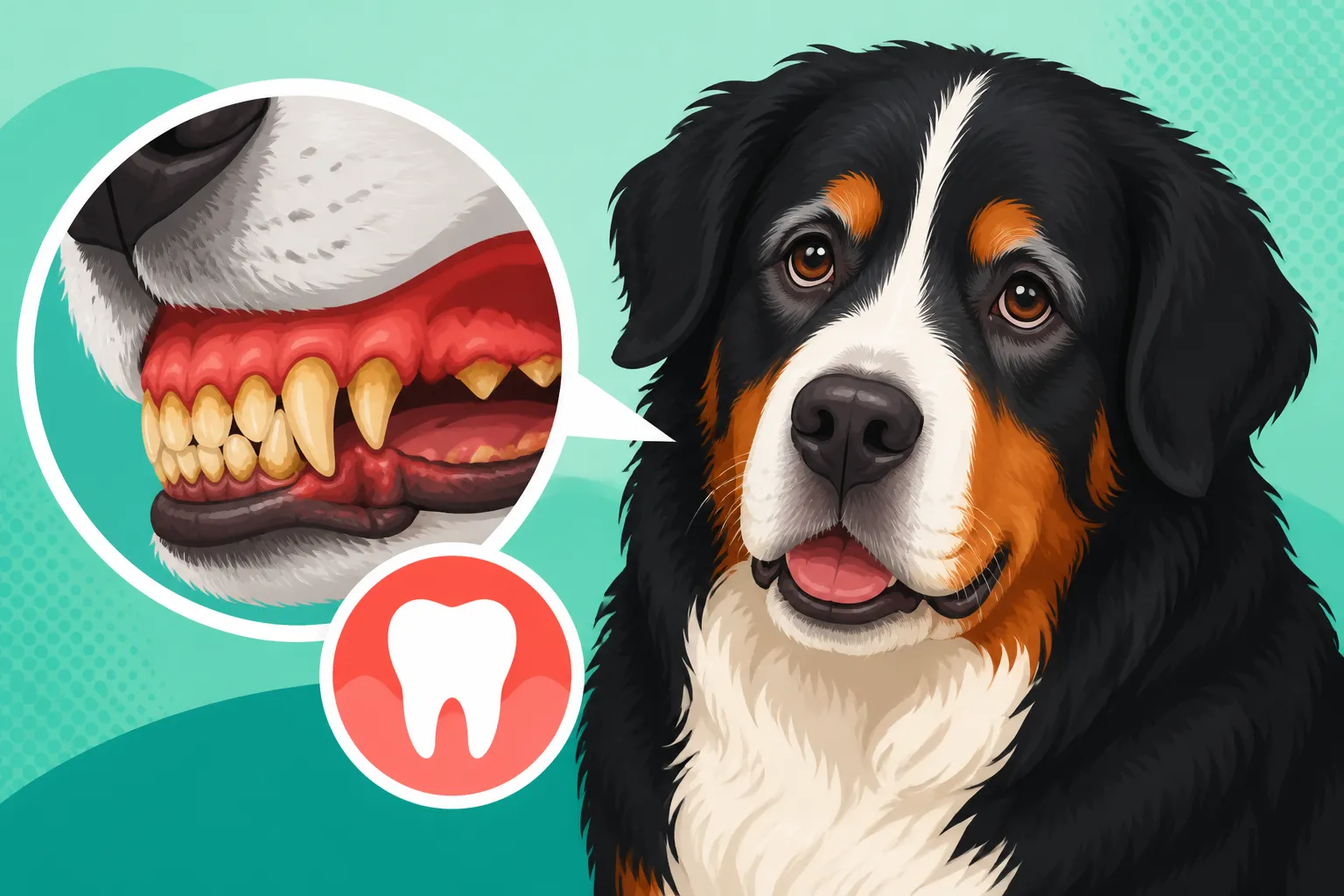
Gum Disease in an Older Bernese Mountain Dog
It's incredibly disheartening when your beloved Bernese Mountain Dog, who’s already a senior, starts showing signs of discomfort, especially when it comes to something as fundamental as eating. Many of us don't realize that gum disease in older Bernese Mountain Dogs is not just about bad breath; it's a silent threat that can impact their overall health and quality of life. This guide will walk you through understanding, recognizing, treating, and preventing this common yet serious issue in our gentle giants.
Why Gum Disease is a Major Concern for Older Bernese Mountain Dogs
As our Berners age, their bodies, just like ours, start to show wear and tear. While we often focus on joint issues or the increased risk of cancer, the health of their teeth and gums can sometimes be overlooked until it becomes a significant problem. Periodontal disease, the fancy term for gum disease, is surprisingly prevalent in older dogs, and its impact on a large breed like a Bernese Mountain Dog can be profound. It’s not just about a sore mouth; it’s a gateway for bacteria to enter the bloodstream, potentially affecting vital organs like the heart, kidneys, and liver. For a breed already prone to various health challenges, adding systemic inflammation from oral disease is a risk we want to avoid.
Many Berner owners are diligent about regular vet visits and understand the importance of Screening an Older Bernese Mountain Dog, but oral health can sometimes fall by the wayside. These dogs are stoic and can often mask their discomfort, making it even harder to catch issues early. A Bernese Mountain Dog might still eat, albeit more slowly or by favoring one side of their mouth, and we might mistake it for a general slowdown of old age rather than a specific pain. This makes proactive care and vigilant observation even more critical as they enter their golden years.
The Progression of Periodontal Disease in Senior Dogs
Periodontal disease doesn't just appear overnight; it's a gradual process that starts with plaque buildup. Plaque is a sticky film of bacteria, food particles, and saliva that constantly forms on teeth. If not removed, it hardens into tartar (calculus), which bonds firmly to the tooth surface. This tartar irritates the gums, leading to gingivitis – an inflammation of the gums that causes redness, swelling, and bleeding. This is the first stage, and it’s often reversible with professional cleaning.
However, if gingivitis is left untreated, the inflammation progresses, and the bacteria begin to attack the structures supporting the teeth. This is where the real damage starts. The gums recede, pockets form between the teeth and gums, and these pockets become breeding grounds for more bacteria. Over time, the bone supporting the teeth is destroyed, leading to loose teeth, severe pain, and eventually, tooth loss. For an older Bernese Mountain Dog, who might already be experiencing other age-related discomforts, this chronic oral pain can severely diminish their quality of life. This is why understanding this progression is key to appreciating the urgency of dental care for our beloved companions.
Link Between Oral Health and Systemic Conditions
It’s easy to think of gum disease as just a "mouth problem," but in reality, it's a systemic health issue, especially for older dogs. The constant presence of bacteria and inflammation in the mouth creates an open door for these pathogens to enter the bloodstream every time your dog chews or even just swallows. Once in the bloodstream, these bacteria can travel to distant organs, potentially causing secondary infections or exacerbating existing conditions.
For a large breed like a Bernese Mountain Dog, whose average lifespan is already shorter than many other breeds, protecting their organ health is paramount. Conditions like endocarditis (inflammation of the heart lining), kidney disease, and liver problems have all been linked to severe periodontal disease. If your Berner is already dealing with a heart murmur or has elevated liver enzymes, chronic oral infections can put an additional, unnecessary strain on these vital systems. This interconnectedness highlights why Dental Cleaning Under Anesthetic for a Bernese Mountain Dog is more than just cosmetic; it's a critical component of their overall health and longevity plan. Insurance providers like Healthy Paws often cover dental procedures for issues like gum disease, recognizing its importance to overall canine well-being.
Recognizing the Subtle and Obvious Signs of Periodontal Disease in Your Berner
Bernese Mountain Dogs are known for their gentle nature, and unfortunately, their tendency to "tough it out" can make it challenging to spot health problems early, especially those related to pain. Gum disease is no exception. They might not cry out or refuse food outright until the pain is excruciating. As a loving owner, it’s up to us to be diligent observers and to know what subtle clues to look for, as well as the more obvious, unmistakable signs. Catching these early can make a world of difference in the prognosis and treatment options.
Many owners might notice a general slowdown and wonder, "Whether a Bernese Mountain Dog Hides Discomfort?" The answer, especially when it comes to oral pain, is often a resounding yes. They might just seem a little less enthusiastic about their favorite chew toy or take longer to finish their meals, which can easily be mistaken for normal aging. However, these small changes can be indicators of something more significant happening in their mouth.
Halitosis and Changes in Eating Habits
The first and most common sign of gum disease is often bad breath, or halitosis. It’s not just "dog breath"; it’s a distinctly foul, often putrid odor that can become quite noticeable. This smell comes from the bacteria thriving in the plaque and tartar buildup, and in the infected gum pockets. If you find yourself taking a step back when your Berner gives you a loving lick, it’s a strong indicator that a dental check-up is in order.
Beyond bad breath, pay close attention to how your older Bernese Mountain Dog is eating. Are they suddenly slower to finish their meals? Do they drop food frequently? Perhaps they start chewing only on one side of their mouth or show a preference for softer foods, even if they used to love crunchy kibble. You might observe them approaching their food bowl with hesitation, or even whining softly before they start eating. Sometimes, they might just seem less interested in food altogether, which, for a food-motivated Berner, is a major red flag. These subtle shifts in behavior are crucial to note and discuss with your veterinarian.
Visual Cues and Physical Examination
While bad breath and eating changes are often the first clues, a more direct visual inspection of your Berner's mouth can reveal a lot. If you can, gently lift their lips and examine their gums and teeth. What you might see includes:
- Red, Swollen, or Bleeding Gums: Healthy gums should be a pale pink. Redness, swelling, or gums that bleed easily when touched or when your dog chews are clear signs of gingivitis.
- Tartar Buildup: Look for hard, brownish-yellow deposits on the teeth, especially along the gumline. This is tartar, and it harbors bacteria. It’s often most prominent on the back molars and the canine teeth.
- Receding Gums: If the gums appear to be pulling away from the teeth, exposing more of the tooth root, this is a sign of advanced periodontal disease.
- Loose or Missing Teeth: In severe cases, teeth may be visibly loose, or you might even notice a missing tooth where there once was one. This is usually accompanied by significant pain.
- Pus or Discharge: Sometimes, you might see pus around the gumline or discharge from the nose or eyes if the infection is severe and has spread.
- Swelling on the Face: Advanced infections, especially around the roots of the upper molars, can lead to facial swelling, sometimes appearing as a bump under the eye.
Don't be afraid to gently touch their muzzle or jaw area. If they flinch, pull away, or show signs of pain, it’s another strong indicator of oral discomfort. Catching these signs early means less invasive and less costly treatments down the line.
| Symptom | Early Stage (Gingivitis) | Moderate Stage (Early Periodontitis) | Advanced Stage (Severe Periodontitis) |
|---|---|---|---|
| Breath | Mildly bad | Noticeably foul | Severely foul, pungent |
| Gums | Red, swollen, may bleed slightly | Red, very swollen, bleed easily, some recession | Deep red, severely inflamed, significant recession, pus visible |
| Teeth | Minor plaque/tartar buildup, no mobility | Moderate plaque/tartar, some visible root exposure, slight looseness | Heavy tartar, severe root exposure, very loose or missing teeth |
| Eating Habits | May be unchanged or slight hesitation | Slower eating, favoring one side, dropping food, preference for soft food | Reluctance to eat, pain during chewing, weight loss |
| Behavior | No obvious pain, maybe less enthusiastic about chews | Pawing at mouth, rubbing face, irritability, decreased play | Obvious pain, lethargy, depression, facial swelling |
| Systemic Impact | Minimal | Potential for bacterial spread to organs | High risk of organ damage (heart, kidney, liver) |
Comprehensive Diagnosis and Treatment Paths for Gum Disease
Once you've noticed suspicious signs in your older Bernese Mountain Dog, the next step is a trip to the vet. A thorough veterinary examination is crucial for accurately diagnosing the extent of gum disease and formulating an effective treatment plan. It’s not just about what we can see; a significant portion of dental disease happens below the gumline, invisible to the naked eye. This is why professional veterinary dental care is so important.
When considering treatment for an older Berner, it’s natural to have concerns about anesthesia. However, the risks of untreated severe dental disease often outweigh the carefully managed risks of modern anesthesia. Most vets will conduct comprehensive Bloodwork a Bernese Mountain Dog Should Have Yearly and other pre-anesthetic screening tests to ensure your dog is as safe as possible for the procedure. Healthy Paws, and similar pet insurance providers, typically cover these diagnostic and treatment costs, alleviating some of the financial stress during this time.
The Importance of Professional Dental Cleaning
A professional dental cleaning, often referred to as a COHAT (Comprehensive Oral Health Assessment and Treatment), is the cornerstone of treating gum disease. Unlike superficial scaling, this procedure is performed under general anesthesia, which is essential for several reasons:
- Thorough Examination: Anesthetized, your vet can perform a complete oral exam, including probing gum pockets and checking for tooth mobility without causing stress or pain to your dog.
- Dental X-rays: This is perhaps the most critical part. Dental X-rays reveal the extent of bone loss, hidden infections, abscesses, and other pathologies that are impossible to see visually. Studies show that a significant percentage of dental disease is only detectable through X-rays.
- Scaling and Polishing: Specialized ultrasonic and hand instruments are used to meticulously remove plaque and tartar from above and, crucially, below the gumline. This deep cleaning is impossible on an awake dog. After scaling, the teeth are polished to smooth the enamel, making it harder for plaque to adhere in the future.
- Extractions: If teeth are severely diseased, painful, or non-viable due to bone loss or infection, extraction may be necessary. While no one wants their dog to lose teeth, removing a painful, infected tooth provides immense relief and prevents further spread of infection.
- Pain Management and Antibiotics: Appropriate pain medication is administered before, during, and after the procedure. Antibiotics may also be prescribed, especially if there's significant infection.
The thought of putting an older Berner under anesthesia can be daunting, but for many, it's a necessary step towards a pain-free life. A typical dental cleaning with extractions can range from several hundred to a few thousand dollars, depending on the severity and location. Knowing What Oncology Bills Reach for a Bernese Mountain Dog or the cost of other major health issues, you can appreciate that investing in a healthy mouth is investing in overall health.
Advanced Treatments and Ongoing Management
For very advanced cases of periodontal disease, or if there are specific concerns like complex tooth fractures or oral tumors, your veterinarian might refer you to a veterinary dental specialist. These specialists have advanced training and equipment to perform procedures like root canals, vital pulpotomies, or advanced surgical extractions. While less common, these options can sometimes save a tooth that would otherwise need to be extracted, or address complex issues that general practitioners might not tackle.
After a professional cleaning and any necessary extractions, ongoing home care becomes paramount. This isn't a one-and-done situation. Your vet will provide specific recommendations, which might include:
- Daily Brushing: This is the gold standard for preventing plaque buildup. Use a pet-specific toothbrush and toothpaste (human toothpaste is toxic to dogs). Even a few minutes a day can make a huge difference.
- Dental Chews and Diets: Look for products approved by the Veterinary Oral Health Council (VOHC). These products are scientifically proven to reduce plaque and/or tartar. Brands like Virbac C.E.T. or Hill's Prescription Diet t/d are often recommended.
- Oral Rinses/Additives: Some vets recommend oral rinses or water additives containing antimicrobial agents to help control bacteria.
- Regular Veterinary Check-ups: Even with diligent home care, older Bernese Mountain Dogs should have their teeth checked at their annual wellness exam, and potentially more frequently if they have a history of severe dental disease.
Remember, a healthy mouth contributes to a healthy life for your older Bernese Mountain Dog. Addressing gum disease effectively means not just treating the symptoms, but also implementing a consistent long-term management plan.
Strategies for Preventing Gum Disease and Maintaining Lifelong Oral Health
While treating existing gum disease is vital, the best approach is always prevention. Starting good oral hygiene habits early in a Bernese Mountain Dog's life can significantly reduce the risk and severity of periodontal disease as they age. Even for older Berners who might already have some dental issues, implementing preventative strategies can slow the progression of the disease and improve their comfort. It's about committing to a routine and understanding that oral health is an ongoing journey, not a destination.
Owners often find that a comprehensive approach to health, which includes regular vet visits that cover dental checks, is essential. For example, knowing What a Bernese Mountain Dog Checkup Includes After Five should always involve a thorough look inside the mouth.
Establishing an At-Home Dental Care Routine
The single most effective way to prevent gum disease at home is daily tooth brushing. Yes, it can sound daunting with a large dog like a Bernese Mountain Dog, but consistency is key.
- Start Slow and Make it Positive: Introduce brushing gradually. Let your Berner sniff and lick the pet-specific toothpaste (it comes in dog-friendly flavors like poultry or peanut butter). Start by gently rubbing your finger or a finger brush along their gums.
- Use the Right Tools: Invest in a soft-bristled toothbrush designed for dogs, or a finger brush. Human toothbrushes can be too harsh. Never use human toothpaste, as it contains ingredients like xylitol and fluoride which are toxic if swallowed by dogs.
- Focus on the Outside Surfaces: Most plaque accumulates on the outside surfaces of the teeth. Concentrate on these areas, especially along the gumline.
- Consistency is Crucial: Aim for daily brushing. Even brushing a few times a week is better than nothing, but daily is ideal for preventing plaque from hardening into tartar.
- Consider Dental Wipes: If brushing is truly impossible, dental wipes can help remove some plaque, though they are less effective than brushing.
Beyond brushing, VOHC-approved dental chews and water additives can be beneficial. Brands like Purina DentaLife or Greenies offer VOHC-accepted chews that can help scrape plaque from teeth. Discussing these options with your vet ensures you choose products that are both safe and effective for your Bernese Mountain Dog.
The Role of Diet and Regular Veterinary Check-ups
What your Bernese Mountain Dog eats can also play a role in their dental health. While kibble alone isn't a substitute for brushing, some specialized dental diets are designed with unique fiber arrangements or coatings that help mechanically scrub the teeth as your dog chews, or contain ingredients that reduce plaque accumulation. For example, Hill's Prescription Diet t/d is a veterinary-exclusive diet specifically formulated for dental health. Always discuss any dietary changes with your vet, especially for an older dog.
Regular veterinary check-ups are absolutely non-negotiable for maintaining good oral health. Your vet can spot early signs of gum disease that you might miss, and they can advise you on the most appropriate home care strategies. During their annual visit, your vet will perform an oral examination and assess the need for a professional dental cleaning. For older Berners, it's often recommended to get their teeth checked more frequently, perhaps twice a year, as part of Caring for a Bernese Mountain Dog After Six.
Investing in pet insurance, like Healthy Paws, can also be a smart preventative measure. While most policies don't cover routine cleanings, they typically cover treatments for periodontal disease once it develops, which can save you a significant amount if your Berner needs extensive procedures or extractions. Knowing What a Bernese Mountain Dog Costs to Insure at Seven and choosing Whether an Unlimited Policy Suits a Bernese Mountain Dog can provide peace of mind for unexpected dental issues. Ultimately, a multi-faceted approach combining diligent home care, appropriate diet, and consistent professional veterinary attention offers the best chance for your Bernese Mountain Dog to enjoy a lifetime of healthy smiles.
Disclaimer
The information provided in this guide is for general educational purposes only and should not be considered a substitute for professional veterinary advice. Always consult with your veterinarian for any health concerns or before making any decisions related to your Bernese Mountain Dog's medical care.