The Health Guarantee on a Bernese Mountain Dog Puppy
Bringing a Bernese Mountain Dog puppy home is an incredibly exciting time, but it's often shadowed by a silent worry: what if something goes wrong with their health? You've poured your heart and likely a significant amount of money into this new family member, and the last thing anyone wants is to face unexpected veterinary bills or, even worse, the heartache of a sick puppy. This guide is here to demystify the health guarantee that reputable Bernese Mountain Dog breeders offer, helping you understand what it protects and how to navigate its terms.
Understanding the Purpose of a Health Guarantee
When you welcome a Bernese Mountain Dog into your life, you're not just getting a pet; you're inviting a magnificent, loving companion into your home for what you hope will be many joyful years. But unlike buying a new car, you can't test-drive a puppy for defects, and they don't come with a standard manufacturer's warranty. This is where a health guarantee steps in, offering a crucial layer of reassurance and protection against unforeseen health issues. It's meant to bridge the gap between the joy of a new puppy and the understandable anxiety about their future well-being.
What a Health Guarantee Really Means
A health guarantee isn't a magical shield against all future ailments, nor is it a promise that your Bernese will never experience a health issue. Instead, think of it as a commitment from a responsible breeder. It's their way of standing behind the health of the puppies they produce, within reasonable and specified parameters. It signifies that they've done their due diligence in breeding healthy parents, raising puppies in a clean environment, and providing initial veterinary care. It acknowledges that, despite all best efforts, genetics and early development can sometimes throw curveballs. The guarantee outlines what steps the breeder will take if a specific, covered health problem arises within a defined timeframe. It’s important to realize that these guarantees vary wildly, so reading every single word of the contract is paramount. Many people assume they understand what a guarantee entails, only to find out it doesn't cover the specific issue their puppy is facing because they skipped over the fine print.
Why Breeders Offer Them (And Why You Need One)
Responsible Bernese Mountain Dog breeders offer health guarantees for several compelling reasons. First and foremost, it’s a mark of ethical breeding practices. A breeder who cares deeply about their dogs and their reputation will be transparent about potential health risks and willing to back up their commitment with a written agreement. It demonstrates confidence in their breeding lines and their care regimen. They typically perform extensive health screenings on parent dogs, such as the OFA Clearances a Bernese Mountain Dog Should Have, to try and minimize the chances of passing on hereditary conditions.
For you, the prospective owner, a health guarantee is absolutely essential. It protects your investment, not just financially, but emotionally. Imagine falling head over heels for your new Berner puppy, only to discover weeks later they have a serious congenital heart defect. Without a guarantee, you could be left with enormous vet bills and a broken heart, with no recourse. A health guarantee provides a framework for addressing these difficult situations. It can offer options like a replacement puppy, a refund, or a contribution towards veterinary expenses, depending on the terms. It forces both parties to acknowledge the potential for health issues, particularly in a breed like the Bernese Mountain Dog, which is unfortunately prone to certain genetic conditions, including cancers and orthopedic problems. Understanding Why a Bernese Mountain Dog Lives Only Seven or Eight Years often highlights the importance of starting with a healthy puppy from a reputable source.
Common Elements of a Bernese Mountain Dog Puppy Health Guarantee
Health guarantees aren't one-size-fits-all documents. They vary greatly from breeder to breeder, and understanding the different components is crucial. Typically, they can be broken down into short-term provisions, covering immediate health concerns, and longer-term clauses for genetic conditions.
Initial Health Checks and Short-Term Guarantees (Days/Weeks)
Almost every reputable Bernese Mountain Dog breeder will provide a short-term health guarantee, often ranging from 48 hours to 14 days after you take your puppy home. This initial period is designed to cover any immediate, easily detectable health issues that might have been present but unnoticed at the time of pickup. The breeder will likely require you to take your new puppy to a licensed veterinarian for a full check-up within this window. This is a non-negotiable step; if you don't do it, you could invalidate your guarantee.
During this vet visit, your veterinarian will check for general health, parasites, infections, and any obvious congenital defects that weren't apparent before. For instance, they'll check heart and lung sounds, examine eyes and ears, and palpate the abdomen. If your vet finds a serious, life-threatening condition during this initial exam, the guarantee usually outlines options such as returning the puppy for a full refund, exchanging them for another puppy (if available), or receiving reimbursement for treatment costs up to a certain amount. This short-term guarantee gives you peace of mind that you're not taking home a puppy that's already visibly ill or has an urgent, undiagnosed problem. It also protects the breeder from claims about issues that could have arisen from neglect or injury after the puppy left their care.
Longer-Term Guarantees for Genetic Conditions (Months/Years)
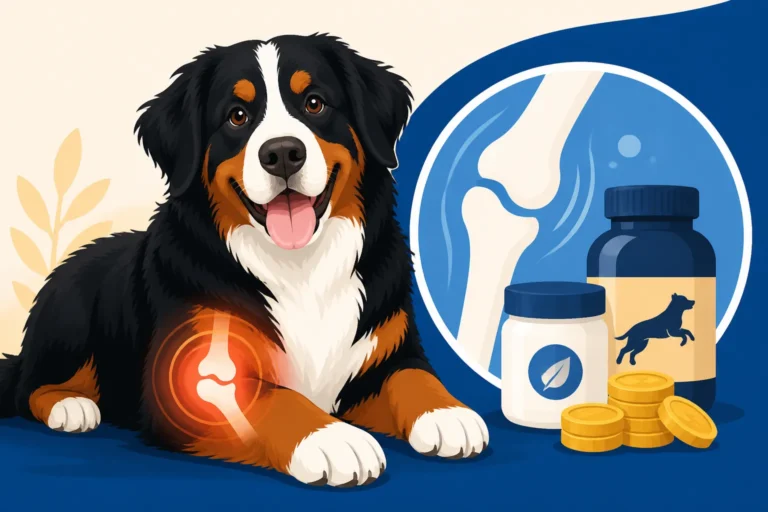
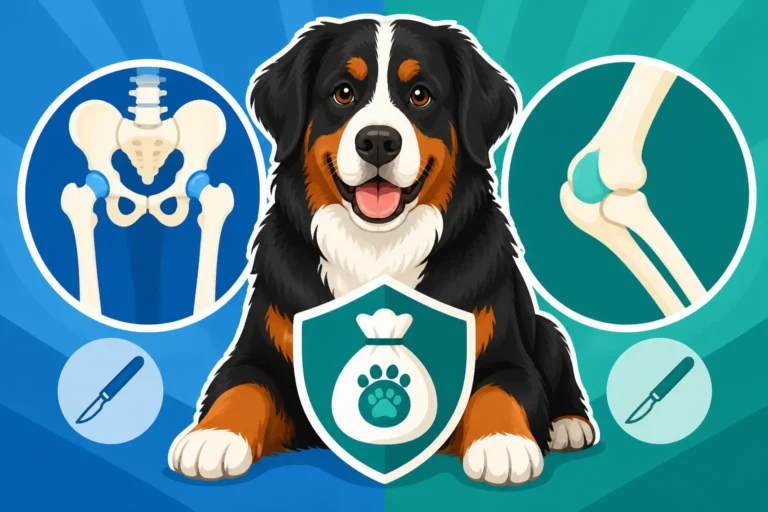
Beyond the initial few days or weeks, a comprehensive health guarantee from a responsible Bernese Mountain Dog breeder will extend to cover specific genetic or hereditary conditions. Given the breed's predispositions, these longer-term guarantees are often the most important part for owners. These typically cover conditions like hip and elbow dysplasia, certain eye conditions, and sometimes even specific cancers like histiocytic sarcoma. The duration of these guarantees can vary, but it's not uncommon to see them extend for one, two, or even three years, sometimes longer, especially for conditions that manifest as the dog matures.
For example, a guarantee might state that if your Bernese Mountain Dog is diagnosed with severe hip dysplasia before two years of age by a qualified veterinarian, and this diagnosis is supported by OFA or PennHIP evaluations, the breeder will offer a replacement puppy or a partial refund. These clauses usually stipulate that specific diagnostic procedures must be followed, and often require submission of veterinary records and clearances. This type of guarantee is particularly critical for large breeds. You can compare the differences in terms that might be offered by looking into sources like The Bernese Mountain Dog Advertised Under Fifteen Hundred versus those from breeders who charge more for a puppy that comes with extensive guarantees and health testing. These longer guarantees also often require that the dog has been fed a large-breed specific diet and not over-exercised during its growth, as outlined in care guidelines like How Fast a Bernese Mountain Dog Puppy Should Grow.
What's Typically Covered (and What Isn't)
It's vital to understand the scope and limitations of any health guarantee. Here’s a general overview of what you might expect:
Typically Covered:
- Life-threatening congenital defects: Conditions present at birth that severely impact the puppy's quality of life or survival.
- Specific hereditary diseases: Common in Bernese Mountain Dogs, these often include hip and elbow dysplasia, certain heart conditions, and sometimes early-onset cancers. Breeders who prioritize Genetic Testing Before Breeding a Bernese Mountain Dog are more likely to offer robust guarantees in these areas.
- Communicable diseases: For a very short initial period (e.g., 48-72 hours), issues like kennel cough, parvovirus, or distemper may be covered, provided they were contracted prior to leaving the breeder and confirmed by a vet.
What's Usually Not Covered (or has strict limitations):
- Minor, treatable conditions: Things like mild ear infections, colds, or common puppy parasites (worms, giardia) are often excluded unless severe, as they can be easily picked up in new environments or stressed puppies. These are usually routine treatments you'd expect to cover yourself.
- Accidents or injuries: If your puppy breaks a leg falling off the sofa or ingests something toxic, the guarantee won't apply.
- Issues arising from neglect or improper care: Failing to follow the breeder's feeding recommendations, vaccination schedule, or general husbandry advice can void a guarantee.
- "Normal" breed characteristics: Things like shedding, certain temperament traits (unless extreme), or eventual arthritis in old age are generally not covered.
- Conditions that develop outside the guarantee period: Once the timeframe expires, so does the guarantee for those specific conditions. This highlights the value of considering Insuring a Bernese Mountain Dog Before Its First Lump to protect against later, potentially very expensive, issues.
Here's a simplified table comparing typical short-term versus long-term health guarantee coverage for a Bernese Mountain Dog puppy:
| Feature/Condition | Short-Term Guarantee (e.g., 48 hours – 2 weeks) | Long-Term Guarantee (e.g., 1-3 years) |
|---|---|---|
| General Health Check | Required by breeder | Not applicable |
| Communicable Diseases | Usually covered if present upon pickup | Not applicable |
| Parasites (severe) | Sometimes covered if significant | Rarely |
| Congenital Defects | Covered if immediately apparent/life-threatening | Covered if hereditary and identified later |
| Hip Dysplasia | Not typically covered (manifests later) | Often covered for severe grades |
| Elbow Dysplasia | Not typically covered (manifests later) | Often covered for severe grades |
| Certain Cancers | Not typically covered (manifests later) | Sometimes covered for early-onset types |
| Eye Conditions | Covered if congenital/severe | Sometimes covered if hereditary |
| Injuries/Accidents | Never | Never |
| Minor Ailments | Rarely | Never |
Navigating the Fine Print and Potential Pitfalls
A health guarantee is only as good as the contract it's written in and your understanding of its terms. It's not enough to simply know one exists; you need to engage with its specifics to ensure you're truly protected. Many a new owner has faced disappointment because they didn't fully grasp the limitations.
The Importance of Independent Vet Checks
This point cannot be stressed enough: always get an independent veterinary check-up for your Bernese Mountain Dog puppy within the timeframe specified by the breeder's guarantee. This isn't just a suggestion; it's often a mandatory clause in the contract, and failing to do so can completely void your guarantee, leaving you unprotected. This initial vet visit serves several critical purposes. First, it establishes a baseline of your puppy's health from an impartial professional. Your vet will conduct a thorough physical examination, listen to the heart and lungs, check for hernias, examine the eyes, ears, and teeth, and generally assess the puppy's condition.
This objective assessment is your primary safeguard. If your vet discovers a health issue during this check, you have immediate, documented evidence. This evidence is crucial if you need to enact the terms of the health guarantee. A good veterinarian will also discuss a comprehensive puppy care plan with you, including vaccination schedules, deworming, and nutritional advice, which can be particularly important for a fast-growing breed like the Berner. They can also advise on appropriate physical activity to help protect your puppy's developing joints, a key concern for future conditions like Joint Disease in a Hundred Pound Bernese Mountain Dog. This initial vet visit isn't just about problem-spotting; it's about building a foundation for your puppy's lifelong health journey.
Understanding Limitations and Exclusions
This is where many owners get caught out. Health guarantees almost always come with specific limitations and exclusions that dictate when and how they can be invoked. For instance, a common limitation is the requirement for confirmation of diagnosis by specific veterinary specialists or through specific testing (e.g., OFA radiographs for hip/elbow dysplasia). The guarantee might require you to notify the breeder within a very short timeframe after a diagnosis. Some guarantees might only offer a replacement puppy, not a monetary refund or coverage of vet bills. Others may offer a partial refund up to the purchase price, but not covering subsequent treatment costs which can quickly escalate.
You might also find clauses regarding "pre-existing conditions" or conditions that are common in the breed but deemed "manageable" and therefore not covered. Ensure you understand what constitutes a "serious" or "life-threatening" condition according to the breeder's contract, as this can be subjective. For a breed like the Bernese, which has known health challenges such as The Cancer That Kills Half of All Bernese Mountain Dogs, it's crucial to clarify if and how such serious conditions are addressed within the guarantee, especially for longer terms. Don't be afraid to ask the breeder for clarification on any clause you don't fully understand. A transparent breeder will appreciate your thoroughness. If a breeder seems reluctant to discuss their guarantee in detail or brushes off your questions, that's a significant red flag.
When a Health Guarantee Isn't Enough (and What to Do)
While a health guarantee is a valuable tool, it's critical to realize its limitations. It's often a one-time recourse and typically doesn't cover ongoing medical expenses, particularly for chronic conditions. This is where pet insurance becomes invaluable. Companies like Healthy Paws, for example, offer policies that can help cover the substantial costs of unexpected illnesses, accidents, and even some hereditary conditions, especially if you enroll your Bernese Mountain Dog puppy before any symptoms appear. The bills for treating conditions like cancer or severe orthopedic issues can easily run into the tens of thousands, far exceeding the cost of the puppy itself or the typical reimbursement limits of a health guarantee.
If you find yourself in a situation where your Bernese Mountain Dog develops a serious condition that falls outside the guarantee's terms, or the guarantee's payout is insufficient for treatment, don't despair.
- Communicate with your breeder: Even if a condition isn't strictly covered, a truly ethical breeder might still offer support, advice, or even some financial assistance out of goodwill and concern for their dogs. They may also be interested in the information for their own breeding program, especially if it relates to a genetic issue they weren't aware of, or if it impacts Whether Cancer Runs in Bernese Mountain Dog Lines.
- Research pet insurance: As mentioned, pet insurance like that offered by Healthy Paws or other providers can be a lifeline. The sooner you enroll your puppy, the better, as most policies exclude pre-existing conditions.
- Explore financial aid options: Many veterinary charities and organizations exist to help owners with unexpected vet bills.
- Consider specialized diets and supplements: For some conditions, particularly joint issues, your vet might recommend specialized foods available through retailers like Chewy or subscription services like Ollie, along with supplements. While these aren't covered by guarantees, they can be part of managing your dog's health.
Ultimately, a health guarantee is a safety net for specific, agreed-upon situations. It's a foundational piece of your responsible ownership plan, but it works best when combined with thorough research, proactive veterinary care, and financial preparedness for the long haul. Looking up a Bernese Mountain Dog on the OFA Website and researching your chosen breeder's lines via Berner-Garde Records and What They Cost to Check are vital steps to take before bringing your puppy home, reducing the chances you'll ever need to lean on that guarantee.
Disclaimer
This article is for general informational purposes only and does not constitute professional advice. Laws, prices and regulations vary by location and change over time. Consult a qualified professional for guidance on your specific situation.