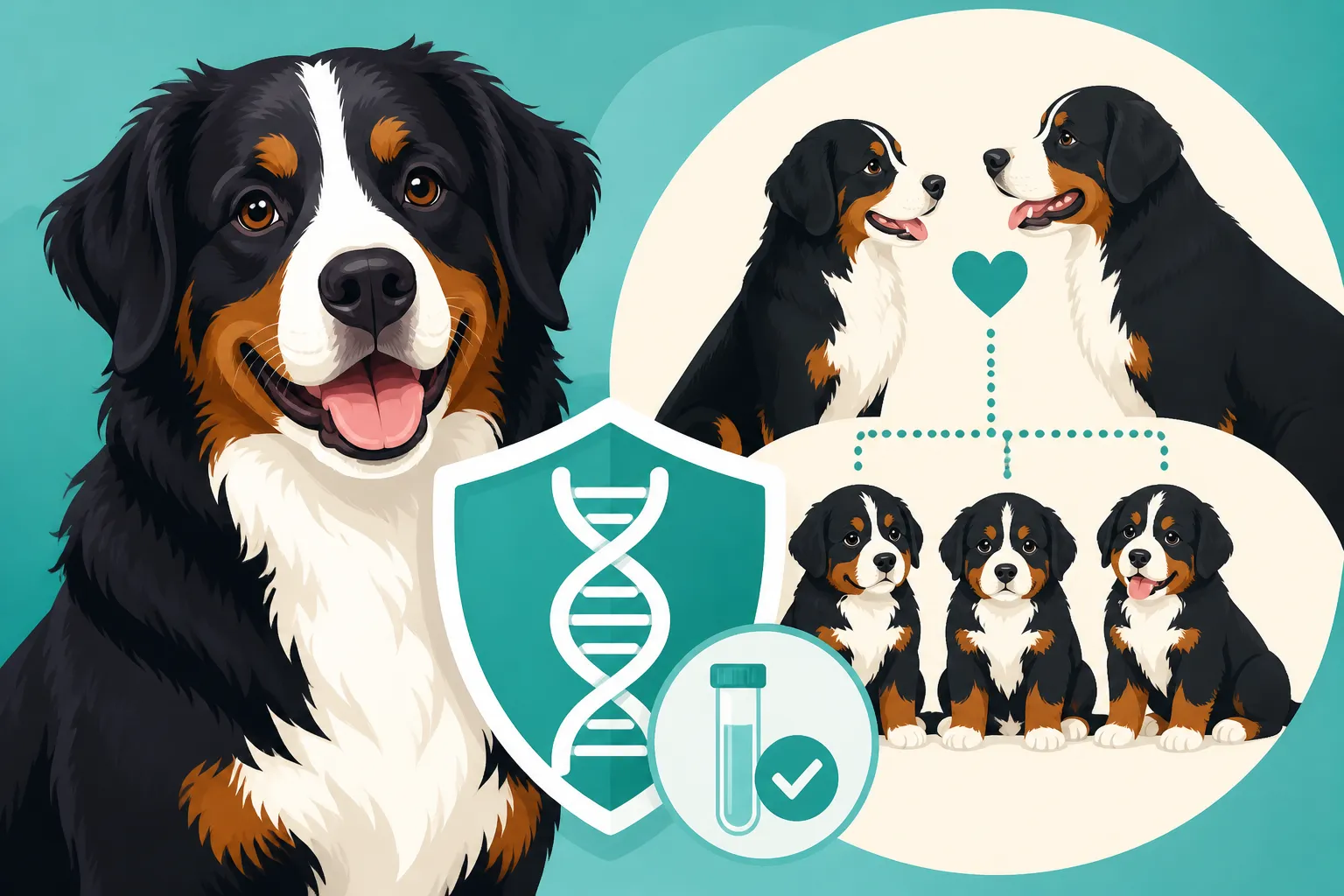
Genetic Testing Before Breeding a Bernese Mountain Dog
The dream of bringing a healthy, happy litter of Bernese Mountain Dog puppies into the world is beautiful, but the reality for breeders involves navigating a complex landscape of potential health challenges inherent to the breed. Many aspiring breeders feel overwhelmed by the sheer volume of information and the weight of responsibility, fearing they might inadvertently pass on debilitating conditions. This comprehensive guide aims to demystify genetic testing for Bernese Mountain Dogs, providing a clear roadmap for responsible breeders to ensure the well-being and longevity of their future generations.
The Imperative of Genetic Testing: Protecting the Bernese Future
When you decide to breed Bernese Mountain Dogs, you're not just pairing two beautiful animals; you're taking on a profound responsibility for the health and future of an entire lineage. It’s easy to get swept away by the cuteness of puppies or the majestic presence of adult Berners, but a truly ethical breeder looks far beyond appearance. Genetic testing isn't just a checklist item; it's a cornerstone of responsible breeding, directly impacting the quality of life for every puppy born and the emotional and financial investment of their future families.
Why Genetic Health Screening Matters So Much
The Bernese Mountain Dog, while magnificent, is unfortunately prone to a range of inherited health conditions. Ignoring these predispositions isn't an option if we want to preserve the integrity and well-being of the breed. Imagine the heartache of a family whose beloved Berner puppy, purchased with all the best intentions, develops a severe joint issue or an aggressive cancer before its third birthday. These scenarios, while heartbreaking, are often preventable or at least reduced in frequency through careful genetic screening of breeding stock. It’s about being proactive rather than reactive, using scientific tools to make informed decisions that benefit the dogs above all else. This foresight can dramatically improve the chances of producing puppies who live full, active lives, reducing the immense financial and emotional burden on owners down the line.
The Breeder's Ethical Obligation to Test
Responsible breeding is an ethical endeavor, and that means prioritizing health above all else. An ethical breeder understands that every breeding decision has consequences that can reverberate for generations. This isn't just about avoiding a lawsuit or maintaining a good reputation; it's about the moral imperative to reduce suffering and enhance the lives of these incredible dogs. By investing in comprehensive genetic testing, breeders demonstrate a commitment to the breed's health. They are actively working to minimize the incidence of genetic diseases that can cause pain, reduce lifespan, and incur massive veterinary bills. It’s a commitment to transparency and to giving prospective puppy owners the best possible start with their new family member. For more on overall health, you might find our article on The Bernese Mountain Dog Health Panel informative.
Decoding Bernese Mountain Dog Genetics: Common Health Concerns
Bernese Mountain Dogs, like many purebreds, have certain genetic vulnerabilities that diligent breeders must be aware of. These aren't necessarily faults in the breed itself, but rather genetic quirks that have become concentrated over generations. Understanding these allows breeders to make educated choices, mitigating risks rather than inadvertently amplifying them. The most common and impactful genetic concerns often fall into categories like musculoskeletal issues, certain cancers, and bleeding disorders.
Musculoskeletal Challenges: Hips, Elbows, and More
Joint diseases are a significant concern in large breeds, and Bernese Mountain Dogs are no exception. Hip and elbow dysplasia are unfortunately prevalent. These conditions involve malformations of the joints, leading to arthritis, pain, and lameness, sometimes starting at a very young age. While environmental factors like diet and exercise play a role, there's a strong genetic component. A dog might look perfectly sound, but carry genes that predispose its offspring to these debilitating issues. Responsible breeders carefully screen their breeding stock for these conditions, knowing that neglecting to do so can lead to a lifetime of discomfort for the puppies. For those interested in the specifics, Hips That Fail Under a Bernese Mountain Dog's Weight and The Front-End Lameness a Bernese Mountain Dog Develops offer deeper insights into these challenges.
Cancer and Other Systemic Inherited Conditions
The short lifespan of many Bernese Mountain Dogs is a heartbreaking reality, with cancer being a leading cause of death. Conditions like Histiocytic Sarcoma are particularly aggressive and sadly common in the breed. While genetic tests for all cancers aren't yet available, ongoing research continues to uncover genetic markers. Beyond cancer, other conditions like Degenerative Myelopathy (DM), a progressive neurological disease affecting the spinal cord, and Von Willebrand Disease (vWD), a bleeding disorder, are also found within the breed. These conditions can devastate families and demonstrate why proactive screening is paramount. A pet insurance provider like Healthy Paws can be invaluable for owners facing unexpected medical costs from these conditions, but prevention starts with the breeder.
Table: Common Genetic Concerns and Their Impact
| Genetic Condition | Type of Disorder | Impact on Dog | Genetic Test Available? |
|---|---|---|---|
| Hip Dysplasia | Orthopedic | Pain, lameness, arthritis, reduced mobility | Yes (Radiographic) |
| Elbow Dysplasia | Orthopedic | Pain, lameness, arthritis, reduced mobility | Yes (Radiographic) |
| Degenerative Myelopathy (DM) | Neurological | Progressive paralysis, loss of hind limb function | Yes (DNA Test) |
| Von Willebrand Disease (vWD) | Bleeding Disorder | Excessive bleeding, bruising, surgical complications | Yes (DNA Test) |
| Histiocytic Sarcoma (HS) | Cancer (Aggressive) | Tumors in various organs, poor prognosis, short lifespan | Limited (Risk Markers) |
| Progressive Retinal Atrophy (PRA) | Ocular | Progressive blindness | Yes (DNA Test) |
Essential Genetic Tests for Bernese Mountain Dog Breeders
Navigating the world of genetic tests can feel like learning a new language, but it's a necessary step for any responsible Bernese Mountain Dog breeder. There are several key tests that are widely recommended and considered standard practice within the breed community. These tests help identify carriers or affected dogs, guiding breeding decisions to reduce the incidence of certain diseases.
Orthopedic Clearances: Hips, Elbows, and Shoulders
For hips and elbows, physical evaluation through radiography by organizations like the Orthopedic Foundation for Animals (OFA) is the gold standard. A dog's hips and elbows are X-rayed, and these images are then evaluated by a panel of expert radiologists who assign a grade. This isn't a simple pass/fail; instead, it's a detailed assessment of joint conformation. Breeders aim for "good" or "excellent" hip ratings and "normal" elbow ratings, but understanding the nuances is key. It's a snapshot, but a vital one, offering insight into the structural soundness that will be passed down. You can learn more about OFA Clearances a Bernese Mountain Dog Should Have in our dedicated article.
Shoulder osteochondritis dissecans (OCD) is another orthopedic concern in Berners, sometimes screened alongside elbows. While not as universally prevalent as hip or elbow dysplasia, it's another condition that can cause lameness and pain, especially in growing puppies. Including shoulder evaluations, where possible, adds another layer of diligence to a breeder's health testing protocol. It shows a commitment to comprehensive screening, covering as many potential weak points as current veterinary science allows for.
DNA-Based Genetic Testing for Specific Diseases
Beyond orthopedic evaluations, several conditions have direct DNA tests available. These tests examine the dog's genetic code for specific mutations known to cause disease.
- Degenerative Myelopathy (DM): This test identifies whether a dog is clear, a carrier, or at risk for DM. A carrier won't develop the disease but can pass it on. Breeding two carriers together significantly increases the risk of producing affected puppies. Understanding What the SOD1 Result Means for a Bernese Mountain Dog is critical for breeders.
- Von Willebrand Disease (vWD): A genetic bleeding disorder, vWD is crucial to test for. A dog can be clear, a carrier, or affected. Affected dogs can have serious bleeding issues, especially during surgery or injury. Knowing a dog's vWD status can prevent life-threatening situations for its offspring. Our article on The Clotting Fault Bernese Mountain Dogs Carry provides more detail.
- Progressive Retinal Atrophy (PRA): Although less common in Berners than some other breeds, PRA can cause blindness. Genetic tests help identify dogs that carry the gene, allowing breeders to make informed decisions to prevent producing affected puppies who will eventually lose their sight. Breeders should also consider other Eye Conditions in a Bernese Mountain Dog.
- Histiocytic Sarcoma (HS) Genetic Risk Markers: While not a definitive "test" in the same way as DM or vWD, genetic risk markers for Histiocytic Sarcoma are available from some labs. These markers indicate an increased risk for developing HS, rather than a direct diagnosis. They are a tool to help breeders make more informed decisions when selecting breeding partners, especially given that The Cancer That Kills Half of All Bernese Mountain Dogs is such a prevalent concern. It's not a guarantee, but it provides valuable information in an effort to combat this devastating disease.
Interpreting Results and Making Responsible Breeding Decisions
Getting the genetic test results back is just the first step. The real art of responsible breeding lies in understanding what those results mean and how to apply them wisely. It's not always about immediately disqualifying a dog; sometimes, it's about making smart pairings to avoid problems down the line. This requires a nuanced approach and a deep commitment to the future health of the breed.
Understanding "Clear," "Carrier," and "Affected"
For most recessive genetic conditions, a dog's status will fall into one of three categories:
- Clear: The dog does not carry the gene mutation and cannot pass it on to its offspring.
- Carrier: The dog carries one copy of the gene mutation. It will not usually show symptoms of the disease itself (though there are exceptions for some conditions, where carriers can have mild symptoms), but it can pass the mutation on to its offspring.
- Affected: The dog has two copies of the gene mutation and is likely to develop the disease.
The key to responsible breeding with these results is to never breed two carriers together, as this carries a 25% chance of producing affected puppies. Breeding a clear dog to a carrier is generally acceptable, as all puppies will be either clear or carriers, but none will be affected. This is how breeders can maintain genetic diversity while systematically working to reduce the prevalence of certain conditions within their lines. Knowing Whether a Carrier Bernese Mountain Dog Will Get Symptoms is important for both breeder and owner.
Making Smart Breeding Pairings
Once you have all the genetic and orthopedic clearances for your potential breeding dogs, the real work begins: analyzing the data to make the best possible pairings. This isn't just about avoiding obvious "bad" matches (like two carriers for DM). It's also about considering the bigger picture of a dog's health history, temperament, and conformation.
For instance, if you have a dog with excellent hips but who is a carrier for vWD, you would absolutely pair them with a dog that is clear for vWD. You might also look at the longevity of their ancestors to get a sense of overall health.
It’s about balancing all factors, always with health as the top priority. No dog is perfect, and sometimes a dog that carries a gene for a specific condition may have other traits that are highly desirable for the breed, such as exceptional temperament or structural soundness. In such cases, responsible breeders will still utilize that dog, but they will be meticulously careful about the mate they choose, ensuring the mate is clear for that specific condition.
Leveraging Databases and Community Resources
You don't have to navigate the complex world of Bernese Mountain Dog genetics alone. There are invaluable resources available that help breeders make informed decisions, track health trends, and contribute to the collective knowledge base for the breed. These community-driven efforts are vital for the long-term health of Berners.
The Power of the Berner-Garde Database
The Berner-Garde Foundation maintains an extensive, open database of Bernese Mountain Dogs. This incredible resource allows breeders and prospective puppy buyers to research the health clearances, pedigrees, and even longevity information for thousands of individual dogs. It’s an unparalleled tool for making educated breeding decisions and verifying the health claims of potential breeding partners. You can look up specific dogs, their parents, and their offspring, seeing their OFA results, DM status, and often even information on causes of death for deceased relatives. Understanding What the Berner-Garde Database Records is fundamental for any serious Bernese breeder. This transparency helps weed out less scrupulous breeders and empowers responsible ones.
Connecting with Breed Clubs and Mentors
Local and national Bernese Mountain Dog clubs are treasure troves of information and support. These organizations often host educational seminars on health and genetics, provide mentorship opportunities for new breeders, and maintain lists of approved veterinarians for specific health clearances. Connecting with experienced breeders within these clubs can offer insights that no amount of reading can provide. They can help you interpret complex test results, guide you through the process of obtaining clearances, and share their wisdom on selecting breeding stock. It’s a community effort, and good breeders are always learning and sharing. You can often find advice on how to look up a dog's health information, such as Looking Up a Bernese Mountain Dog on the OFA Website, directly from these experienced individuals.
Beyond Genetics: A Holistic Approach to Responsible Breeding
While genetic testing is undeniably critical, it’s just one piece of the puzzle. Truly responsible breeding involves a holistic approach that considers not only genetic predispositions but also environmental factors, nutrition, early socialization, and the overall well-being of the breeding dogs and their puppies.
Ensuring Optimal Health and Nutrition for Breeding Dogs
A healthy breeding dog is more than just a collection of good genes; they are a vibrant, well-cared-for individual. This means providing an excellent diet, appropriate exercise, and regular veterinary care. Before breeding, both the dam and sire should be in peak physical condition, free from infections, parasites, or any underlying health issues that could impact fertility or the health of the puppies. Nutrition plays a huge role in the development of healthy puppies, starting even before conception. Brands like Ollie and Chewy offer a variety of high-quality foods and supplements that can support a dog's overall health, from puppyhood through their breeding years. Maintaining an ideal body condition is also vital; overweight dogs can experience more complications during pregnancy and whelping.
Early Socialization and Temperament Assessment
Genetic health is paramount, but temperament is equally important, especially for a large breed like the Bernese Mountain Dog, known for its gentle nature. A breeding dog should have a stable, confident, and friendly temperament, as these traits are also inherited. Early and consistent socialization for puppies is crucial for their development into well-adjusted adults. A good breeder will spend countless hours exposing puppies to different sights, sounds, textures, and people in a positive way. This early foundation is just as important as their genetic background in shaping the kind of family companion they will become. After all, what good is a genetically sound dog if it struggles with fear or aggression? Our article on Socializing a Reserved Bernese Mountain Dog Puppy can provide further guidance on this important aspect.
Financial Preparedness and Ongoing Support for Owners
Responsible breeding also extends to financial preparedness. Health testing, stud fees, veterinary check-ups during pregnancy, potential C-sections, and puppy care all add up. A breeder must be financially stable enough to handle unexpected complications. Beyond the sale, responsible breeders provide ongoing support to their puppy owners, acting as a resource for questions and concerns throughout the dog's life. They also typically offer a health guarantee, outlining their commitment to the puppy's well-being. This might involve a clause regarding genetic conditions or offering to take the dog back if an owner can no longer care for it. This commitment doesn't end when the puppy leaves for its new home; it's a lifelong relationship built on trust and mutual care for these wonderful dogs.
Disclaimer
This article is for general informational purposes only and does not constitute professional advice. Laws, prices and regulations vary by location and change over time. Consult a qualified professional for guidance on your specific situation.