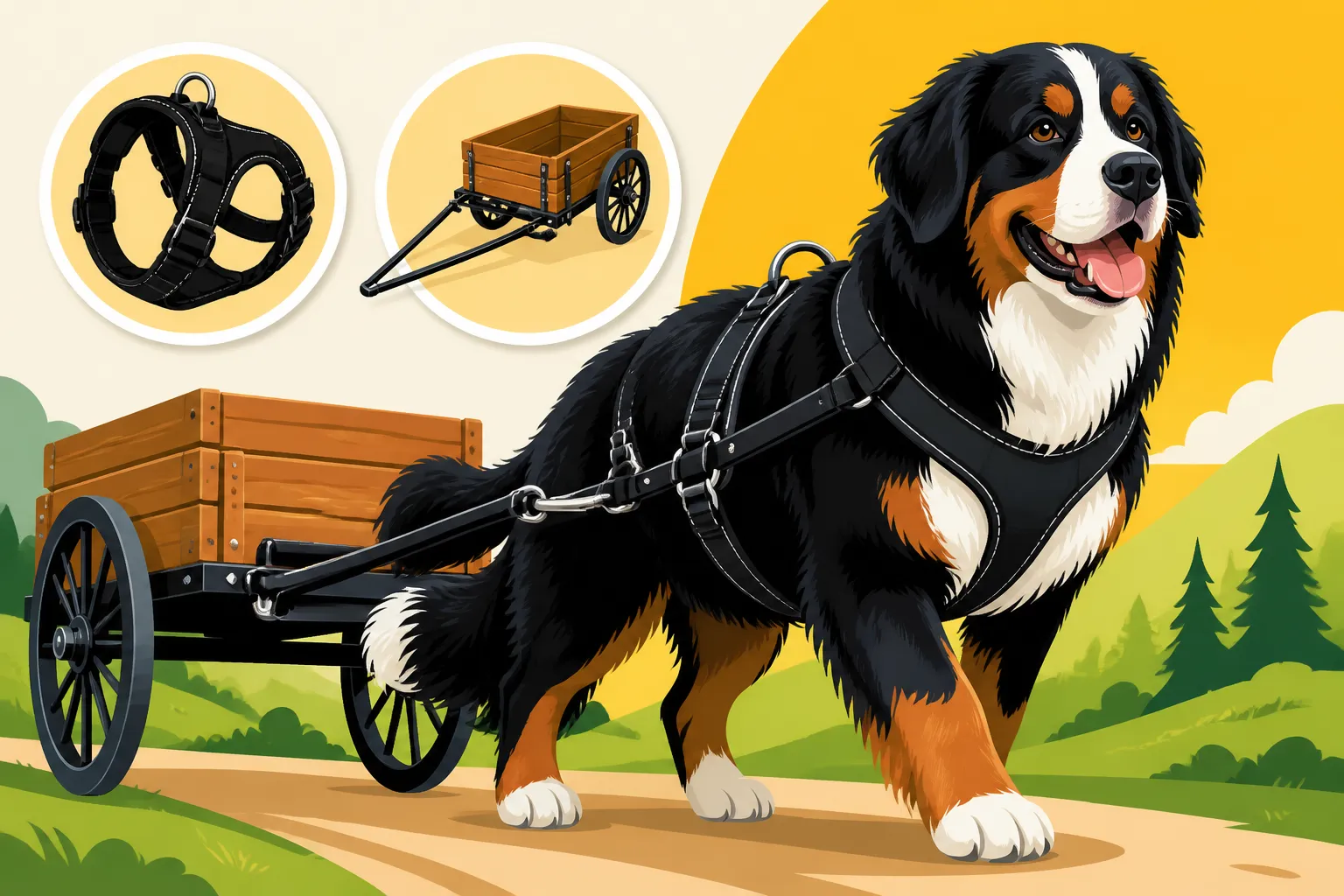
Carts and Harness for a Drafting Bernese Mountain Dog
For many Bernese Mountain Dog owners, the idea of their big, fluffy companion pulling a cart might seem like something out of a storybook, or perhaps just a charming historical anecdote. However, beneath that gentle, teddy-bear exterior lies a strong, willing working dog whose ancestors truly earned their keep. If you've ever felt a deep desire to connect with your Berner's heritage and provide them with an incredibly enriching activity, this comprehensive guide is for you. We'll delve into everything you need to know about carts and harnesses for a drafting Bernese Mountain Dog, ensuring both safety and enjoyment.
Understanding the Bernese Mountain Dog's Drive to Draft
It's easy to look at a Bernese Mountain Dog snoozing on the cool kitchen floor and think they're purely domestic creatures, bred for cuddles and companionship. While they excel at being beloved family members, to truly understand them, we must look back to their roots. These magnificent dogs were not just pets; they were integral parts of daily life on Swiss farms, and their natural desire to work is still very much alive within them.
The Historical Roots of Drafting
Imagine the rolling green pastures and picturesque villages of the Swiss Alps. In these demanding environments, Bernese Mountain Dogs, or "Berners" as they're affectionately known, weren't just decorative. They were vital working animals. Farmers relied on these powerful dogs to pull small carts laden with milk, cheese, tools, and other goods from farm to market. This isn't just a quaint image; it was a necessary part of their survival and livelihood. Their sturdy build, calm temperament, and natural strength made them perfectly suited for this demanding task. This history is why the ability to pull a cart is still celebrated in the breed standard and why draft tests exist today, honoring their past.
Their intelligence and eagerness to please meant they could be trained to navigate varied terrain, interact politely with people, and reliably transport goods. This historical context helps us appreciate that when we introduce our Berners to drafting, we're not asking them to do something unnatural or difficult for them. Instead, we're tapping into a deeply ingrained instinct and providing an outlet for their inherent talents. It's a way to honor their legacy and engage them in an activity that provides immense satisfaction, both for the dog and the owner. Learning about What a Bernese Mountain Dog Did on a Swiss Farm truly highlights their incredible versatility and work ethic.
Why Berners Love to Pull and Why It's Good for Them
For a Bernese Mountain Dog, drafting isn't just about physical exertion; it's a mental and emotional workout too. Berners thrive on having a "job" to do. When they are engaged in an activity that requires focus, teamwork, and problem-solving, they are at their happiest and most fulfilled. The act of pulling a cart, even an empty one, gives them a sense of purpose. You'll often see a happy Berner with a wagging tail, ears perked, and a proud bounce in their step when they're in harness, especially once they understand what's expected of them.
Beyond the mental stimulation, drafting offers significant physical benefits. It provides excellent exercise, building strong muscles and improving cardiovascular health. This controlled form of exertion can be particularly beneficial for a large breed like the Bernese, helping them maintain a healthy weight and conditioning their bodies in a functional way. It's a fantastic alternative or complement to other forms of exercise, especially for dogs who might find high-impact activities too strenuous on their joints. Regularly engaging in drafting can contribute to their overall well-being, but it's crucial to ensure their joint health is paramount. For more on this, check out Whether Pulling a Cart Hurts a Bernese Mountain Dog's Joints.
Essential Equipment: Carts and Harnesses
Embarking on the journey of drafting with your Bernese Mountain Dog requires the right equipment. This isn't just about aesthetics; it's about safety, comfort, and efficacy for both you and your dog. Choosing and fitting the proper harness and selecting a suitable cart are foundational steps that can make all the difference in your drafting success and your Berner's enjoyment.
Anatomy of a Proper Drafting Harness
A drafting harness is distinctly different from a walking harness. It's specifically designed to distribute weight evenly across the dog's chest and shoulders, allowing them to pull comfortably and efficiently without straining their neck or back. Here are the key components you'll find in a well-made drafting harness:
- Breastplate: This is the wide, padded band that crosses the dog's chest. Its primary function is to provide the main pulling surface, distributing the force across the strongest part of the dog's body. A good breastplate should be broad and well-padded to prevent rubbing or pressure points.
- Shoulder Straps: These connect the breastplate to the top of the harness, running over the shoulders. They help keep the breastplate in position and contribute to overall stability.
- Back Saddle (or Top Line Strap): This strap runs along the dog's spine. It's not a pulling surface but helps to keep the harness in place and provides attachment points for the traces.
- Traces: These are the straps that extend from the harness (usually from the breastplate or sides of the back saddle) to connect directly to the cart's shafts. They are the actual "pulling" lines, transferring the dog's power to the cart.
- Breeching: While not always present in lightweight recreational harnesses, breeching is a crucial component in heavier duty or competitive harnesses. It's a band that goes around the dog's hindquarters. Its purpose is to allow the dog to slow or stop the cart without being pulled forward. It helps them "brake" the cart, preventing it from running into them, especially downhill.
- Girth/Belly Strap: This strap goes under the dog's belly, connecting the two sides of the harness and securing it snugly.
A properly designed harness will be made of durable materials like heavy-duty nylon or leather, with strong stitching and robust hardware. It should allow for full range of motion for the dog's legs and shoulders, ensuring no restriction during movement. Investing in a high-quality harness is a non-negotiable step, and many specialty retailers like Chewy offer a selection of reputable brands.
Types of Carts and Their Uses
Just like harnesses, drafting carts come in various designs, each suited for different purposes. Your choice of cart will depend on what you intend to pull and where you plan to do your drafting.
- Recreational Carts: These are typically lighter and designed for casual pulling, such as carrying picnic supplies, garden tools, or even a small child (under strict supervision and safety protocols). They often feature two wheels and a simple design, making them easy to maneuver.
- Competition Carts: For those interested in competitive drafting events, specialized carts are required to meet specific breed club standards. These might include features like larger wheels for smoother movement, more robust construction for heavier loads, and specific dimensions.
- Freight Carts: These are designed for utility and can carry heavier loads, often resembling small wagons. They are robust and built to withstand more rigorous use, perhaps for hauling firewood or moving supplies around a large property.
- Sulky Carts (Passenger Carts): Some carts are designed to carry a person, similar to a small chariot. These require a highly trained and confident Bernese Mountain Dog, as they involve pulling a living, shifting load. Safety is paramount with these, and they are usually reserved for experienced teams.
When selecting a cart, consider its weight, maneuverability, and the type of terrain you'll be on. A cart that's too heavy for your Berner, even empty, will quickly discourage them. Conversely, a flimsy cart won't stand up to the robust nature of a Bernese Mountain Dog. Ensure the shafts are appropriately sized for your dog's height, allowing them to move freely without obstruction.
Sizing and Fitting for Safety and Comfort
The importance of correct sizing and fitting cannot be overstated. An ill-fitting harness can cause chafing, restrict movement, lead to discomfort, or even cause injury. Just like a good pair of shoes, a harness must fit perfectly.
Here’s a general guide to fitting a drafting harness:
- Measure Your Dog: Before purchasing, measure your Berner according to the manufacturer's instructions. Key measurements usually include chest circumference, neck circumference, and length from the base of the neck to the base of the tail. Every dog is built a little differently, so don't assume a "large breed" harness will automatically fit your hundred-pound Bernese Mountain Dog perfectly.
- Breastplate Position: The breastplate should sit low on the chest, resting on the sternum, just above the point of the shoulders. It should not impede the movement of the shoulders or put pressure on the trachea. There should be enough room to slide a hand flat between the breastplate and your dog's chest, but it shouldn't be so loose that it shifts excessively.
- Back Saddle/Top Line: The back strap should rest comfortably along the spine, not too far forward or back. It should not be tight, but secure enough to prevent the harness from sliding side to side.
- Traces: When attached to the cart, the traces should be level from the harness to the cart shafts. They shouldn't be angled sharply up or down. This ensures the pulling force is directed efficiently.
- Breeching (if applicable): If your harness has breeching, it should sit comfortably across the dog's hindquarters, just below the tail, allowing for full tail movement. It should be snug enough to prevent the cart from hitting the dog's legs when stopping but not so tight as to cause discomfort.
After fitting, observe your Berner closely as they move in the harness. Look for any signs of rubbing, restricted movement, or discomfort. If you're unsure, seek advice from an experienced drafting mentor or a reputable harness fitter. Remember, a comfortable dog is a happy and willing working dog. Proper fit is also crucial to avoid injuries that might later require claims through pet insurance like Healthy Paws.
| Harness Component | Function | Importance for Berner |
|---|---|---|
| Breastplate | Distributes pulling force across the chest. | Must be wide & padded to prevent pressure/chafing. |
| Shoulder Straps | Stabilize harness, connect breastplate to back saddle. | Allows full shoulder movement, no restriction. |
| Back Saddle | Secures harness along spine, attachment for traces. | Keeps harness centered, prevents shifting. |
| Traces | Transmit pulling power from dog to cart. | Length and angle must be correct for efficient pulling. |
| Breeching | Allows dog to stop/slow cart without impact. | Essential for downhill work and cart control. |
| Girth Strap | Secures harness under belly. | Prevents harness from riding up or twisting. |
Starting Your Bernese Mountain Dog on Draft Work
Introducing your Bernese Mountain Dog to drafting should be a positive, gradual experience built on trust and positive reinforcement. Rushing the process can create fear or aversion, which is the last thing you want with such a sensitive and intelligent breed. The goal is to make it a fun "game" that strengthens your bond and taps into their natural instincts.
Introducing the Harness and Equipment
Before you even think about a cart, your Berner needs to be completely comfortable with the harness itself. Start by simply letting them sniff and investigate the harness in a relaxed environment. Offer treats and praise generously. The goal is to associate the harness with positive experiences.
- First Fittings: Put the harness on for short periods indoors. Let them wear it while playing or getting a favorite treat. Ensure it fits well and doesn't pinch or rub. Take it off before they get annoyed. Gradually increase the duration.
- Adding Traces (Without a Cart): Once they're happy in the harness, attach the traces. Let them drag the traces around for a few minutes while you supervise. This helps them get used to the feel of something trailing behind them and the slight weight. Make it a fun game, perhaps by tossing a favorite toy a short distance while they're wearing it.
- Introducing the Cart: This is often the trickiest part. Many dogs are initially wary of the "monster" behind them. Start by simply having the cart visible in your yard. Let your Berner investigate it at their own pace. Offer treats near the cart. Do not attach them to it yet.
- Desensitization to Cart Noises: Push the cart around, making its normal noises. Let your Berner see and hear it move. Reward calm behavior. You might even feed them their dinner near the stationary cart.
- Connecting the Cart (Briefly): Once your dog is completely comfortable with the cart's presence, attach the traces to the empty cart while another person holds the cart steady. Let your Berner stand connected to the cart for just a few seconds, rewarding heavily. Then disconnect. Repeat this process, gradually increasing the time they are connected and making sure it's always a positive experience. Remember, The Bernese Mountain Dog That Quits After One Correction needs gentle, positive reinforcement.
First Steps: Light Loads and Short Distances
Once your Bernese Mountain Dog is comfortable in the harness and connected to an empty cart, it's time to take those very first steps. This stage is all about building confidence and teaching them the commands they’ll need.
- Basic Commands First: Ensure your Berner has a solid grasp of "walk," "stop," "stay," and "wait" before attaching them to the cart. These commands are critical for safety and control.
- Empty Cart, Short Walks: Start with the empty cart. Take very short walks in a quiet, familiar area with minimal distractions. Have a helper walk alongside the cart, gently guiding it or holding the shafts to prevent it from bumping the dog. Focus on positive reinforcement for moving forward calmly.
- Introducing "Gee" and "Haw": These are traditional drafting commands for "right" (gee) and "left" (haw). Practice them without the cart first, then incorporate them into your short carting sessions. Use clear verbal cues and gentle body language.
- Gradual Weight Increase: Only after your Berner is confidently and happily pulling an empty cart should you consider adding a very light load. Start with just a few pounds – perhaps a bag of dog food or some training treats from Ollie. Increase the weight in tiny increments over many sessions. A good rule of thumb is that a healthy adult Bernese Mountain Dog can safely pull about 1 to 1.5 times their own body weight, but you should start much, much lighter, especially with a novice.
Remember that patience is key. Each session should be fun and end on a positive note. Keep sessions short, especially at the beginning, to prevent physical or mental fatigue.
Building Strength and Stamina Safely
Drafting is an athletic activity, and like any athlete, your Bernese Mountain Dog needs to build up their strength and stamina gradually to prevent injury and burnout.
- Controlled Progression: Resist the urge to do too much too soon. Increase the duration of your walks, the distance, and the weight pulled, but only one variable at a time. For example, if you add more weight, keep the distance short. If you increase the distance, keep the weight light.
- Regular, Consistent Sessions: Consistency is more important than intensity. Two to three short, positive sessions a week are more beneficial than one long, exhausting session. This allows your dog's muscles to adapt and recover.
- Listen to Your Dog: Pay close attention to your Berner's body language. Are they still eager to work? Do they seem tired or unwilling? If so, scale back. A happy working dog is a dog that is not being pushed beyond their limits. Signs of fatigue include lagging, excessive panting, or losing enthusiasm.
- Varying Terrain (Gradually): Start on flat, even surfaces. As your dog gains strength, you can gradually introduce slight inclines or varied terrain. This helps to build different muscle groups, but always ensure the surface is safe and won't put undue strain on their joints.
- Conditioning Outside of Drafting: Maintain a good overall fitness level for your Bernese Mountain Dog through regular walks, appropriate play, and a balanced diet. A dog that is generally fit will be better prepared for drafting work. Find out more about Building a Bernese Mountain Dog's Fitness for Draft Work.
Safety Considerations and Common Challenges
Drafting can be an incredibly rewarding activity, but like any physical pursuit, it comes with responsibilities. Prioritizing your Bernese Mountain Dog's safety and understanding how to address common challenges will ensure a long and happy drafting journey.
Preventing Injury and Overexertion
The large size and often stoic nature of Bernese Mountain Dogs mean they can sometimes mask discomfort until it's significant. It’s critical for owners to be proactive in preventing injuries.
- Veterinary Check-ups: Before starting any new strenuous activity like drafting, especially with a hundred pound Bernese Mountain Dog, a full veterinary check-up is essential. Ensure your dog is in good health and has no underlying conditions that could be exacerbated by pulling. This is especially true as they get older; consider Screening an Older Bernese Mountain Dog to ensure they're still up to the task.
- Warm-up and Cool-down: Just like human athletes, dogs need to warm up before working and cool down afterward. A brisk 5-10 minute walk before harnessing up will prepare their muscles. A gentle walk and stretching after unharnessing will help prevent stiffness.
- Proper Equipment and Fit: Reiterate the importance of a well-fitting harness and appropriately sized cart. An ill-fitting harness is a direct path to injury, causing chafing, muscle strain, or joint issues. Regularly inspect all equipment for wear and tear.
- Monitor for Fatigue and Discomfort: Watch for subtle signs that your Berner might be struggling. These can include a change in gait, lagging behind, reluctance to move forward, excessive panting, limping, or even just a general lack of enthusiasm. If you see any of these, stop the session immediately and investigate. It's better to end a session early than push too far.
- Surface and Terrain Awareness: Avoid slippery surfaces (ice, slick pavement), extremely rocky terrain, or excessively steep inclines, especially when starting out. Uneven ground can lead to twists and strains. Stick to well-maintained trails or grass.
Weather and Terrain Considerations
Bernese Mountain Dogs, with their thick double coats, are built for colder climates. This makes them particularly susceptible to overheating in warmer weather.
- Heat Sensitivity: Be extremely mindful of ambient temperatures. Berners can overheat quickly. Avoid drafting in direct sunlight during warm months or on hot pavement. Early mornings or late evenings are often the only safe times. If the pavement is too hot for your bare hand, it's too hot for their paws. Understand The Temperature a Bernese Mountain Dog Stops Coping and plan accordingly.
- Hydration: Always carry plenty of fresh water for both you and your dog. Offer water frequently during and after drafting sessions. Consider a collapsible bowl for easy access.
- Cold Weather: While Berners tolerate cold well, extreme cold, ice, or deep snow can also pose challenges. Icy patches can cause slips and falls, and deep snow can increase resistance, making pulling much harder. Paw protection might be necessary in very cold conditions or on salted roads.
- Terrain Assessment: Always scout your intended drafting route first. Look for potential hazards like broken glass, sharp rocks, steep drop-offs, or dense undergrowth that could snag the cart or injure your dog.
- Visibility: If drafting near roads or during low-light conditions, ensure both you and your Berner are highly visible. Use reflective vests, lights, and reflective tape on the cart and harness.
Troubleshooting Common Drafting Issues
Even with the best preparation, you might encounter some bumps in the road. Here's how to tackle some common challenges:
- Reluctance to Pull: If your Berner shows hesitation, go back to basics. Was the introduction too fast? Is the harness uncomfortable? Is the cart making a scary noise? Rebuild confidence with positive reinforcement and lighter loads. Sometimes, a hesitant dog just needs more time and gentle encouragement.
- "Sticky" Cart: If the cart isn't rolling smoothly, check the wheels, axles, and bearings. Ensure they are well-lubricated and free of debris. A sticky cart will frustrate your dog and make them unwilling to pull.
- Turning Difficulties: Berners need to learn how to maneuver the cart. Practice turning in open spaces first, using clear "gee" and "haw" commands. Go wide on turns to avoid the cart's shafts bumping their legs. Patience and repetition are key here.
- Distractions: Bernese Mountain Dogs can be easily distracted by interesting smells, other dogs, or people. Start training in low-distraction environments and gradually introduce more stimulating surroundings as your dog gains focus. High-value treats can help refocus their attention. For advice on specific training, you might find guidance in Teaching a Bernese Mountain Dog to Pull a Cart.
The Joy and Benefits of Drafting for You and Your Berner
Drafting is more than just an exercise; it's a shared activity that deepens the bond between you and your Bernese Mountain Dog, offering a multitude of benefits that extend beyond physical fitness. It's an opportunity to connect with your Berner on a profound level, celebrating their heritage and natural abilities.
Strengthening the Bond Through Shared Activity
There's something truly magical about working alongside your Bernese Mountain Dog, especially when you're engaging in an activity that comes so naturally to them. Drafting requires communication, trust, and teamwork. As you navigate trails together, you'll learn to read your dog's subtle cues, and they'll learn to trust your direction. This shared purpose fosters a unique connection that strengthens your bond in ways that casual walks or playtime might not.
The positive reinforcement, the praise, and the quiet moments of companionship create a reservoir of goodwill between you. It's an excellent opportunity to reinforce your role as a benevolent leader, and for your Berner to shine in a way that makes them feel valued and understood. This mutual respect and enjoyment are the bedrock of a truly fulfilling relationship with your gentle giant. Seeing your Bernese Mountain Dog proudly pulling their cart, with a happy expression on their face, is an incredibly rewarding experience that makes all the training effort worthwhile.
Physical and Mental Enrichment
We've touched on this, but it bears repeating: drafting provides comprehensive enrichment for your Bernese Mountain Dog.
- Physical Conditioning: The consistent, low-impact exercise of pulling a cart builds functional strength and endurance. It helps maintain healthy muscle mass, supports joint health (when done correctly), and contributes to overall cardiovascular fitness. This type of controlled exercise is far superior to sporadic bursts of intense activity for a large breed.
- Mental Stimulation: Drafting isn't just mindless pulling. It requires focus, problem-solving, and responding to commands. Your Berner needs to pay attention to their handler, navigate obstacles, and maintain a steady pace. This mental engagement is crucial for a breed that thrives on having a "job" and can help prevent boredom-related behavioral issues. A Bernese Mountain Dog that is mentally tired from a good drafting session is often a calm and contented dog at home. Providing good mental and physical stimulation is key to a long and healthy life, and ties into overall wellness, which you might consider protecting with pet insurance like Healthy Paws or ensuring with proper nutrition from brands like Ollie.
Community and Competitive Opportunities
Drafting doesn't have to be a solitary pursuit. Many Bernese Mountain Dog clubs across the country offer drafting events, training workshops, and fun days. These provide fantastic opportunities to:
- Learn from Experienced Handlers: There's no substitute for hands-on guidance from someone who has successfully trained Berners for drafting. These communities are often incredibly welcoming and eager to share their knowledge.
- Socialize with Other Berner Owners: Connect with a like-minded community of people who understand and appreciate the breed. Share experiences, tips, and celebrate successes together.
- Competitive Opportunities: If you and your Berner enjoy the challenge, there are formal draft tests where you can earn titles, such as the Novice Draft Dog (DD) or even advanced titles. These tests are designed to demonstrate the dog's ability to work as a team with their handler, perform basic obedience commands, and pull a cart over a specified course with varying loads. They're a fantastic way to set goals and celebrate your Berner's achievements. To understand what's involved, explore What a Draft Test Asks of a Bernese Mountain Dog.
- Parades and Demonstrations: Many draft teams participate in local parades, community events, or breed demonstrations. This is a wonderful way to showcase the beauty and working heritage of the Bernese Mountain Dog and engage with the public.
Maintaining Equipment and Ensuring Longevity
Just like any valuable equipment, your drafting harness and cart require regular care and maintenance. Proper upkeep not only extends the life of your gear but also ensures safety and comfort for your Bernese Mountain Dog, making your drafting adventures enjoyable for years to come.
Routine Care for Harnesses and Carts
Investing in quality drafting equipment is significant, and protecting that investment means establishing a routine for cleaning and inspection.
- Harness Cleaning: After each use, especially if it's been a dusty or muddy outing, wipe down the harness. For leather harnesses, this means wiping off dirt and mud, then conditioning the leather periodically to keep it supple and prevent cracking. For nylon harnesses, a gentle wash with mild soap and water, followed by thorough rinsing, is usually sufficient. Always allow the harness to air dry completely before storing to prevent mildew and odor.
- Hardware Inspection: Regularly check all buckles, rings, snaps, and D-rings for signs of wear, rust, or damage. Replace any weakened or damaged hardware immediately. A failing buckle mid-pull can lead to a runaway cart or an injured dog.
- Stitching Check: Inspect all stitching for fraying or loose threads. High-stress areas, especially where traces attach or the breastplate meets the shoulder straps, are particularly prone to wear. Early detection of weakened stitching can prevent a complete failure of the harness.
- Cart Cleaning and Lubrication: Wipe down the cart body to remove dirt and debris. Pay special attention to the wheels and axles. Clean out any mud, grit, or hair that might be caught in the wheel mechanisms. Lubricate the axles and any moving parts according to the manufacturer's recommendations. Smooth-rolling wheels reduce the effort required from your dog.
- Tire Pressure (if applicable): If your cart has pneumatic tires, check the tire pressure regularly. Properly inflated tires make the cart easier to pull and provide better shock absorption.
- Shaft Integrity: Inspect the cart shafts for cracks, splinters (if wood), or bends (if metal). Ensure they are securely attached to the cart and won't detach during use.
Proper maintenance not only prevents accidents but also makes your gear last longer, which is a consideration when thinking about the overall Eight Years of Bernese Mountain Dog Bills.
When to Replace or Repair Gear
Knowing when to repair or replace equipment is crucial for safety and performance. Don't wait until something breaks completely before taking action.
- Significant Wear and Tear: If you notice extensive fraying on straps, deep cracks in leather, or significant corrosion on metal hardware, it's often time to replace the component or the entire harness. Minor scuffs and scratches are normal, but anything that compromises the structural integrity of the equipment is a red flag.
- Damage from Accidents: Even a minor accident, like the cart flipping over or getting snagged violently, can cause unseen damage to the frame or wheels. Thoroughly inspect all parts after any incident. If you suspect structural damage, err on the side of caution and consult with a professional or replace the item.
- Poor Performance: If your Bernese Mountain Dog suddenly seems less enthusiastic about pulling, and you've ruled out health or training issues, check your equipment. A squeaky wheel, a sticky axle, or a harness that has lost its shape can all make the job harder and less enjoyable for your dog.
- Outgrown Equipment: For growing Bernese Mountain Dogs, they will eventually outgrow their initial harness. While you might want to consider The Age a Bernese Mountain Dog Can Start Drafting, it's important to keep checking the fit as they fill out. What fit perfectly at one stage might be too tight or restrictive later. An adult Bernese Mountain Dog needs an adult-sized harness. You can find many robust options for dogs of all sizes from retailers like Chewy.
By staying on top of maintenance and knowing when to upgrade or repair, you ensure that your Bernese Mountain Dog always has safe, comfortable, and effective equipment for all your drafting adventures.
Disclaimer
This article is for general informational purposes only and does not constitute professional advice. Laws, prices and regulations vary by location and change over time. Consult a qualified professional for guidance on your specific situation.