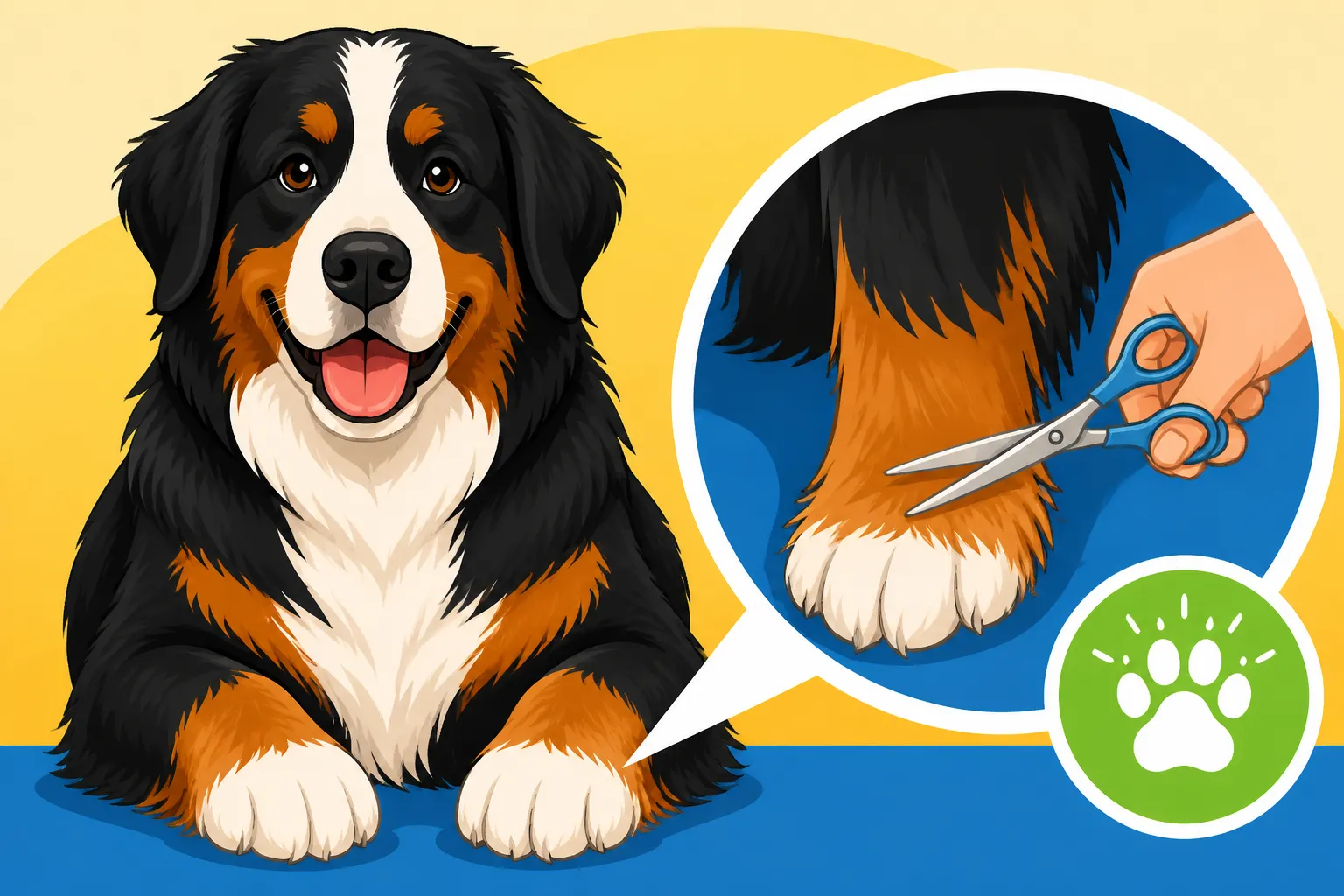
Tidying the Hair Around a Bernese Mountain Dog’s Feet
Oh, the Bernese Mountain Dog paw! It’s a classic picture, isn’t it? Those big, fluffy feet, often looking like they’ve just trekked through a snowdrift even when it's eighty degrees outside. Many of us Berner owners know the struggle: keeping those magnificent mitts neat, clean, and healthy can feel like a never-ending battle against unruly hair. This comprehensive guide is here to walk you through exactly how to tidy up that excess fur around your Bernese Mountain Dog's feet, ensuring comfort for your beloved companion and a little less mess for your home.
Why Those Hairy Paws Need Attention (More Than Just Looks!)
It might seem purely cosmetic, but keeping the hair around your Bernese Mountain Dog’s paws trimmed isn't just about aesthetics. Those luxurious long coats extend to their feet, and while adorable, that extra length can cause a surprising number of problems for both your dog and your living space.
The Practical Annoyances of Shaggy Feet
Let’s be honest, who hasn't found themselves scrubbing muddy paw prints off the kitchen floor five minutes after a quick trip outside? With a Bernese Mountain Dog, it’s not just a few prints; it’s often a full-on mud or snow party thanks to all that extra fur between their pads and around their toes. This shaggy hair acts like tiny mops, soaking up every bit of moisture, dirt, and debris the moment your dog steps outdoors. Leaves, small twigs, burrs, even bits of gravel can get caught up in there, and before you know it, it’s all being tracked directly onto your pristine floors or furniture. It's a never-ending cycle of cleaning, and it can be incredibly frustrating.
Beyond the mess, that excess hair can also compromise your Berner's traction, especially on smooth surfaces like hardwood, tile, or laminate. Imagine trying to walk on slick ice while wearing fluffy slippers – that's a bit like what your Bernese Mountain Dog experiences with overgrown paw hair. Their paw pads are designed to grip, but when covered by long fur, they lose that crucial contact with the ground. This can lead to slipping and sliding, which isn't just a funny quirk; it can be genuinely dangerous, particularly for a large, heavy breed prone to joint issues. A sudden slip can strain ligaments, twist joints, or even contribute to the worsening of conditions like hip or elbow dysplasia. We want our big, beautiful dogs to move confidently and safely, and neat paws are a part of that. For more on keeping those big joints happy, check out Joint Disease in a Hundred Pound Bernese Mountain Dog.
The Health Risks of Untrimmed Paw Hair
The practical annoyances are one thing, but the health implications of neglected paw hair are far more serious. That dense fur between the paw pads can easily mat. These mats aren't like a little tangle in their ruff; they can be incredibly tight and painful, pulling at the skin with every step. Imagine a tiny, hard knot constantly digging into the sensitive skin between your toes. This discomfort can lead your Berner to change their gait, shifting weight to avoid pain, which in turn can stress other joints and muscles. If left untreated, severe matting can restrict blood flow and even cause skin infections due to constant rubbing and irritation. It's a silent source of agony that many owners don't realize until it's quite advanced. The Berner's thick double coat is wonderful, but it does require diligent grooming, as explored in Grooming a Bernese Mountain Dog's Long Tricolor Coat.
Furthermore, overgrown paw hair creates a warm, moist environment – the perfect breeding ground for bacteria and yeast. If your Bernese Mountain Dog enjoys splashing in puddles, walking through dewy grass, or just has naturally damp paws, that trapped moisture can quickly lead to painful skin irritations, fungal infections, or interdigital cysts. These infections can be incredibly itchy, causing your dog to chew or lick their paws excessively, which only exacerbates the problem and can lead to secondary infections. It's a vicious cycle that can be tough to break once it starts. Beyond infections, long hair can also easily hide injuries, thorns, foxtails, or other foreign objects that get embedded deep within the paw. By the time you notice your dog limping, the foreign object might have been there for days, causing significant pain and potential infection. Regular trimming allows you to inspect their paws thoroughly, catching issues before they become major problems.
Essential Tools and Techniques for a Neat Berner Paw
Alright, so we've established why it's important to keep those paws tidy. Now, let's talk about how. This isn't a task to rush; with a large, often sensitive breed like the Bernese Mountain Dog, a calm, methodical approach is key. You'll need the right tools and a gentle hand.
Gathering Your Grooming Arsenal
Before you even think about trimming, set yourself up for success with the proper equipment. Trying to use dull, inappropriate tools will only make the experience stressful for both you and your Berner. Think of it as investing in their comfort and your sanity!
| Tool Type | Description | Best Use for Berner Paws |
|---|---|---|
| Blunt-Nosed Scissors | These are grooming scissors with rounded tips, specifically designed to minimize the risk of accidental pokes or cuts. They should be sharp to make clean cuts, not pull the hair. | Ideal for trimming hair around the paw pads and between the toes. The blunt tips offer an extra layer of safety, which is crucial when working in sensitive areas or if your dog is a bit squirmy. Great for those final tidy-ups on the top of the foot too. Look for a good quality pair on Amazon or Chewy. |
| Small Grooming Trimmers/Clippers | Often called "paw trimmers" or "mini clippers," these are usually cordless, quiet, and have a small blade head. They are designed for precision work and often have lower vibration. | Perfect for clearing hair between the paw pads and in the tighter spaces between the toes. The quiet operation is a huge plus for Berners who might be nervous about buzzing sounds. They allow for a very clean, close trim that's hard to achieve with scissors in those deep crevices. Always choose one specifically designed for pets, as human clippers can get too hot. |
| Fine-toothed Comb | A sturdy metal comb with both wide and fine teeth. | Essential for brushing out any tangles or debris before you start trimming, and for fluffing the hair to get an even cut. It helps separate the hair you want to trim from the skin, preventing accidental nips. |
| High-Value Treats | Whatever your Bernese Mountain Dog absolutely adores – small, soft, and easy to chew quickly. | Crucial for positive reinforcement! Make this a good experience. Distract, reward, and praise generously. This helps build a positive association with paw handling, which is essential for ongoing grooming needs like Cutting a Bernese Mountain Dog's Nails Without a Fight. |
| Paw Balm or Wax | A protective balm designed for dog paws, often containing natural waxes and oils. | While not for trimming, applying this after trimming can help protect newly exposed paw pads from rough surfaces, heat, or cold, and keep them moisturized. It's a nice finishing touch that shows you care about their comfort. |
Remember, Berners can be sensitive souls, and any buzzing or sharp sounds can be off-putting. Opt for quiet clippers if possible. You can find a fantastic selection of all these tools from trusted retailers like Amazon or Chewy, often with reviews from other large breed owners to guide your choice.
Step-by-Step Guide to Trimming Your Berner's Paw Hair
Now for the hands-on part. Take your time, stay calm, and make it a positive experience. If your Berner isn't used to paw handling, start slow, just touching their feet and rewarding them before you even introduce tools. The goal is to build trust and tolerance. This is part of The Weekly Handling a Bernese Mountain Dog Should Accept that helps make all vet and grooming visits smoother.
- Get Your Berner Comfortable and Secure: Find a quiet, well-lit spot where your dog can lie down or stand comfortably. Many Berners appreciate lying on their side for paw work. Have your treats ready. You might even want to recruit a helper to gently distract and reward your dog, especially if they are new to this.
- Comb Out the Hair: Using your fine-toothed comb, thoroughly comb all the hair on and around their paws. Pay special attention to the hair between the pads and toes, gently working out any small tangles or removing any trapped debris. You want the hair to be clean and straight so you can see what you're doing and avoid accidental cuts. If you encounter any serious mats, it might be better to carefully trim them out with blunt-nosed scissors first, always getting the blade under the mat and cutting away from the skin. Don't pull at them roughly.
- Trim Around the Paw Pads:
- With Scissors: Hold your Berner's paw gently but firmly. Spread their toes slightly. Using your blunt-nosed scissors, carefully trim the hair that extends beyond the paw pads. You want to trim it flush with the pads, so it doesn't touch the ground when they walk. Always point the scissor tips away from the pads and skin.
- With Clippers: If using trimmers, gently push the paw pads apart and carefully run the clippers over the hair, working from the outside of the pad inward. Be extremely careful not to cut the pads themselves. These clippers are excellent for getting a smooth, even trim.
- Trim Between the Toes: This is where small clippers truly shine. The hair here can be dense and hard to reach with scissors. Gently separate your Berner's toes, revealing the hair that grows in the webbing. Carefully use your small clippers to trim this hair, taking care not to go too deep or press too hard against the skin. You want to remove enough hair so that air can circulate and moisture doesn't get trapped. If using scissors, you'll need a very steady hand and sharp, small blunt-nosed scissors, trimming only the hair that pokes out, being mindful of the sensitive skin. Always cut with the direction of hair growth or perpendicular to it, never against the skin.
- Tidy the Top of the Foot (Optional, for aesthetics): For a truly neat look, you can gently trim any long, wispy hairs on the top of your Berner's foot that spill over their nails or make the paw look "shaggy." Use your blunt-nosed scissors to carefully snip these hairs to create a clean, rounded appearance. Comb the hair downwards first to get an even line. For instance, any hair that extends past the nail tips can be carefully trimmed. Think of it as shaping, not shaving.
- Reward and Inspect: Once you're done with a paw (or even a few toes, if your Berner has a short attention span), lavish them with praise and treats! Then, take a moment to inspect your work. Are there any sharp edges? Is any hair still poking out? Ensure no irritation on the skin. Repeat the process for the remaining paws.
Remember to take breaks if your dog gets antsy or if you feel frustrated. It’s better to do a little bit at a time and keep it a positive experience than to force it and create a negative association.
Maintaining Those Magnificent Mitts: Regular Care Tips
Consistency is truly your best friend when it comes to Bernese Mountain Dog paw care. It's not a one-and-done job; their hair grows quickly, and daily life ensures those paws get plenty of action.
Establishing a Routine for Paw Perfection
To keep those paws in tip-top shape, establishing a regular grooming routine is paramount. For most Bernese Mountain Dogs, a quick paw trim every 4-6 weeks is ideal, though some might need it more frequently depending on their activity level and coat texture. Think about it like their monthly nail trim – it just becomes another part of their routine care.
Beyond the actual trimming, make a habit of checking your Berner’s paws daily, especially after walks or outdoor adventures. This quick check can save you a lot of heartache. Look between the pads for any trapped debris – small stones, burrs, or even just clumps of dried mud. If you live in an area with a lot of foliage, like we do here in the Northeast, you know how easily those little hitchhikers can get caught. Mud Dried Into a Bernese Mountain Dog's Feathering often leads to bigger paw issues. A quick wipe down with a damp cloth can also help remove dirt and reduce the amount of tracking into your home. This daily check also allows you to spot early signs of irritation, redness, or excessive licking, which could signal a brewing infection or an embedded object before it becomes a serious problem. Integrating paw care into your general grooming routine, which should include regular brushing of their glorious double coat, will make it less of a chore and more of a bonding experience.
When to Call in the Pros (or Just Get an Extra Hand)
While DIY paw trimming is totally doable for many Berner owners, there are absolutely times when calling in a professional groomer or your vet is the smartest move. This isn't a sign of failure; it's a sign of a responsible owner who knows their limits and prioritizes their dog's well-being.
For instance, if you encounter severe matting that feels like concrete between their paw pads, please don't try to tackle it yourself with regular scissors. Tight mats can be extremely close to the skin, and one wrong snip can cause a painful laceration, leading to bleeding and potential infection. A professional groomer has specialized tools and techniques to safely and efficiently remove these stubborn mats. This is especially true if you find other severe matting on their body, like Mats in a Bernese Mountain Dog's Ruff.
Another common scenario is when your Bernese Mountain Dog is particularly fearful or reactive about having their paws handled. Berners, despite their gentle nature, are big, powerful dogs. If they are thrashing, snapping, or trying to bite during grooming, it’s not only dangerous for you but incredibly stressful for them. In such cases, a professional groomer or veterinary technician has experience with handling difficult dogs and can often get the job done more safely and with less stress. They might use specific calming techniques or even discuss mild sedation with your vet if absolutely necessary for your dog's safety and comfort. Don't force the issue; seek expert help. The sheer size of a Bernese Mountain Dog also means that sometimes, it's just physically challenging to get them into the right position, especially as they get older or if they're dealing with joint pain. An experienced groomer often has hydraulic tables and lifting slings that make the process easier and safer for both dog and owner. Remember, a neat paw is a happy paw, and sometimes, a little professional assistance is the best way to achieve that happiness. It’s all part of ensuring your Bernese Mountain Dog lives their best, most comfortable life.
Disclaimer
This article is for general informational purposes only and does not constitute professional advice. Laws, prices and regulations vary by location and change over time. Consult a qualified professional for guidance on your specific situation.