The Case for Leaving a Bernese Mountain Dog Untrimmed
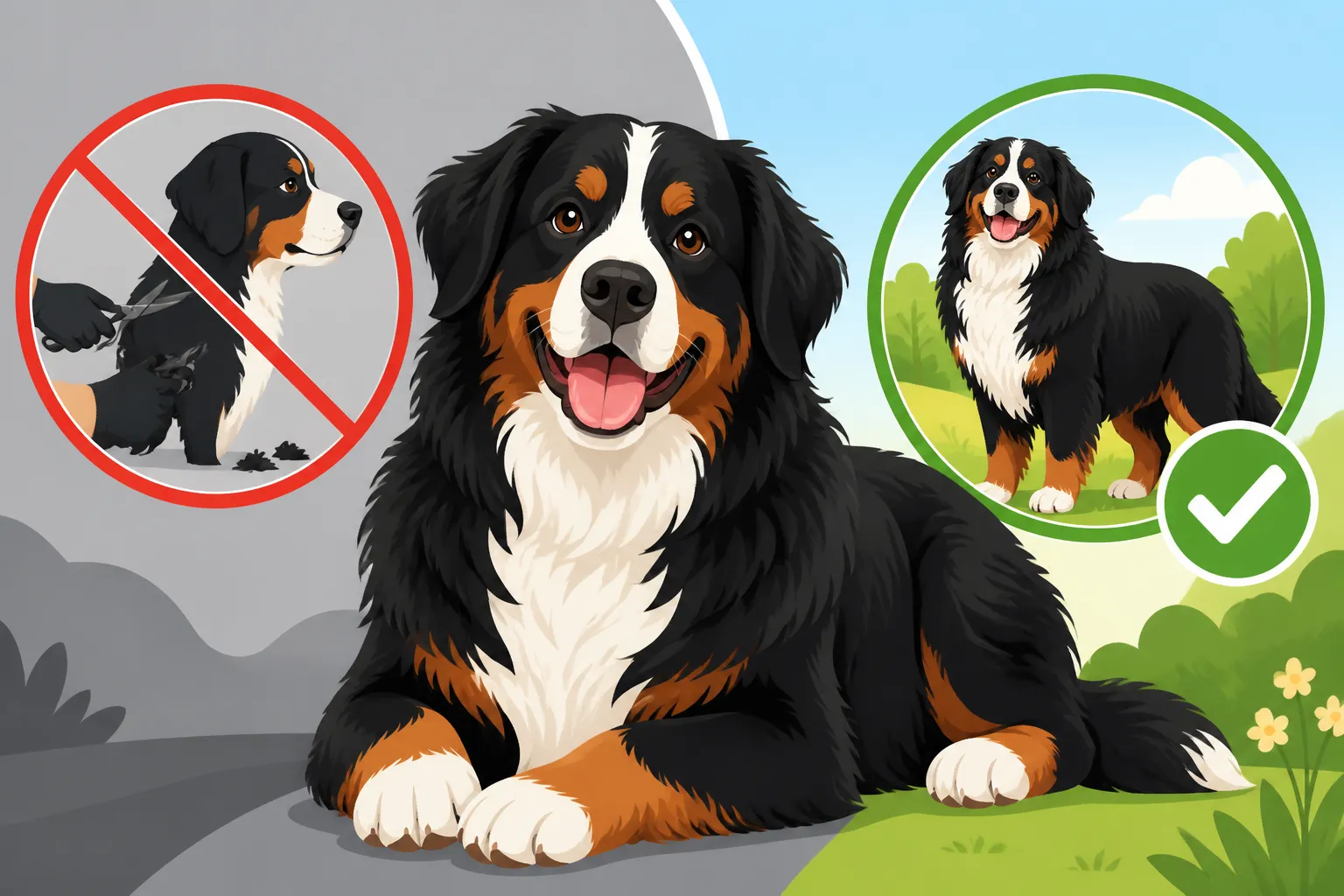
It’s a common sight when summer rolls around: pet parents everywhere wondering if shaving their beautiful, fluffy Bernese Mountain Dog will help them beat the heat. You look at that thick, gorgeous coat, and in the sweltering humidity, it’s easy to feel a pang of guilt or concern that your Berner must be absolutely baking. This guide is here to tackle that very natural thought process and explain why, for the Bernese Mountain Dog, leaving that majestic coat untrimmed is almost always the best and healthiest choice.
The Allure and the Misconception: Why Owners Consider Trimming Their Bernese Mountain Dog
Let's be honest, we all want what's best for our beloved companions, and sometimes what seems logical to us humans doesn't quite translate to the canine world. When you're looking at your big, furry Bernese Mountain Dog panting on a hot day, with that dense, luxurious coat, it’s only natural to think, "Surely, they'd be more comfortable without all that hair!" This impulse comes from a place of love and concern, but it's based on a fundamental misunderstanding of how a double coat works.
Fighting the Summer Heat: The Temptation to Shave
Summer can be brutal, especially if you live in an area where humidity is high and the mercury climbs steadily. We strip down to tank tops and shorts, and we imagine our dogs would feel the same relief if we did the same for them. The idea of shaving a Bernese Mountain Dog in the warmer months often stems from a genuine worry about them overheating. You might envision them frolicking freely, lighter and cooler, without that heavy-looking fur weighing them down. This is especially true when you’re wrestling with questions about Getting a Bernese Mountain Dog Through Summer or finding shade for them in the yard. It feels like a quick, simple solution to a complex problem.
The truth is, while a shaved dog might look cooler to our eyes, their physiology tells a different story. Our Berners have evolved over centuries in a climate far different from many of our modern homes, and their coat is a marvel of natural engineering, designed not just for warmth, but also for intricate temperature regulation. When the heat hits, the thought of giving them a "fresh start" by removing all that fur feels almost humanitarian, but it can actually do more harm than good.
The Endless Shedding Battle: Seeking a Quick Fix
Then there's the shedding. Oh, the shedding! If you own a Bernese Mountain Dog, you know that their hair is less a part of them and more a constant, shimmering presence in your home, on your clothes, and sometimes, even in your food. You can brush and brush, and still find tumbleweeds of undercoat drifting across the floor. It's a never-ending cycle, and during seasonal blows, it can feel truly overwhelming. You might find yourself constantly asking How Much a Bernese Mountain Dog Sheds in a Week, desperately seeking a way to stem the tide.
The temptation to shave or heavily trim a Berner to reduce shedding is incredibly strong. Imagine, for a moment, a house without daily sweeping, clothes without lint rollers, and a car seat that doesn’t look like it’s upholstered in dog fur. It sounds like a dream, doesn't it? Many owners hope that by cutting the hair short, they'll magically stop the shedding or at least make the shed hair less noticeable. Unfortunately, this isn't how it works. Shaving simply shortens the hair, it doesn't stop the natural shedding cycle of the undercoat. The hair will still fall out, albeit in smaller, less conspicuous strands, but you'll have also compromised the functionality of their coat in the process.
Managing Matts and Tangles: When Grooming Feels Overwhelming
Another reason owners might consider a drastic trim is the sheer effort involved in maintaining a Bernese Mountain Dog's coat, especially if matts and tangles become a persistent issue. Berners have beautiful, long outer coats and dense, woolly undercoats, which, if not regularly brushed, can quickly become matted, particularly behind the ears, under the legs, and in their "trousers" on their hindquarters. A really bad mat can be painful for the dog, pulling on their skin, and impossible to brush out without causing distress.
When a coat reaches a severely matted state, sometimes a complete shave by a professional groomer is the only humane option to remove the painful tangles. However, this should be seen as an absolute last resort for extreme cases, not a preventative measure or a routine choice. The effort required for regular grooming can be significant, and it’s easy to feel defeated by a coat that seems determined to knot up. But understanding the correct tools and techniques, as discussed in sections like Which Brush a Bernese Mountain Dog's Coat Needs, can prevent most severe matting issues before they require such drastic action.
Understanding the Bernese Mountain Dog's Natural Armor: The Double Coat
To truly appreciate why we advocate for leaving a Bernese Mountain Dog untrimmed, we need to dive into the marvel that is their double coat. It's not just hair; it's a highly functional, sophisticated system that has kept their ancestors comfortable and protected for centuries in the harsh Alpine environments of Switzerland.
The Science Behind the Double Coat: Insulation and Protection
A Bernese Mountain Dog's coat consists of two distinct layers, each with a crucial role to play. First, there's the undercoat, which is soft, dense, and woolly. This layer is primarily responsible for insulation. In winter, it traps warm air close to the body, protecting the dog from bitter cold. In summer, and this is where the misconception often arises, it works in reverse: it traps cooler air close to the skin, preventing external heat from penetrating and acting as a natural air conditioner. This is a critical point that directly addresses What Shaving Does to a Bernese Mountain Dog's Insulation.
Above this soft undercoat lies the outer coat, also known as the guard coat. This layer is longer, coarser, and slightly wavy or straight. Its primary function is protection. It's naturally water-resistant, repelling rain and snow, and it acts as a physical barrier against dirt, burrs, thorns, and even insects. Think of it as a natural shield, guarding the delicate undercoat and skin beneath. Both layers work in tandem, creating a microclimate around your dog that helps them adapt to various temperatures and environments.
Why the Coat is Essential for Temperature Regulation
Many people mistakenly believe that shaving a double-coated dog like a Berner will cool them down. In reality, it often does the opposite. Imagine wearing a thick wool sweater in winter – it keeps you warm because it traps your body heat. Now, imagine if that same sweater was designed with tiny air pockets that allowed a constant flow of ambient air to circulate within the fibers. That's essentially what a double coat does.
In cold weather, the dense undercoat traps warm air, preventing heat loss. In warm weather, the coat acts as a barrier against the sun's intense UV rays, and the air trapped within the layers actually insulates them from the external heat. As your dog moves, the air circulates, helping to dissipate body heat through a process called convection. When you shave off this protective layer, you remove their natural insulation. Their skin is then directly exposed to the sun, making them more susceptible to heat absorption and sunburn, and potentially even making them feel hotter as their body struggles to regulate its temperature without its natural cooling system. This is why The Case Against Shaving a Bernese Mountain Dog in June is so strong.
Beyond Temperature: Sunburn and Skin Protection
It's not just about temperature regulation. The Bernese Mountain Dog's thick, rich coat also provides essential physical protection. When you strip that coat away, you expose their sensitive skin to a host of environmental hazards.
Firstly, sunburn is a very real and painful risk for a shaved dog. Just like fair-skinned humans, dogs can get sunburned, especially on areas with sparse hair or when their protective coat is removed. Sunburn can lead to discomfort, skin damage, and even increase the risk of skin cancer over time. Their black and rust markings, beautiful as they are, offer no inherent SPF once the hair is gone.
Secondly, that thick coat acts as a shield against physical irritants. Think about all the things your Berner might brush up against on a walk: thorny bushes, tall grasses, rough terrain. Their coat protects them from scratches, scrapes, and punctures. It also provides a significant barrier against insect bites, reducing exposure to fleas, ticks, mosquitoes, and other biting pests. A shaved dog is far more vulnerable to these everyday hazards, making them more prone to skin infections and discomfort.
The Unexpected Drawbacks of Trimming and Shaving a Bernese Mountain Dog
While the intention behind trimming or shaving might be good, the repercussions for a Bernese Mountain Dog's coat and overall health can be quite significant, and sometimes, long-lasting. It’s crucial to understand these potential downsides before making a decision that you might regret later.
Damaging the Natural Insulation System
When you shave a Bernese Mountain Dog, you disrupt the delicate balance of their double coat. The undercoat and guard coat grow at different rates and have different textures. When shaved, the coarser guard hairs are cut short, but the soft, dense undercoat often grows back much faster and thicker. This rapid, unbalanced regrowth can lead to a phenomenon often called "coat blow" or "clown coat," where the texture changes dramatically. The coat might grow back patchy, uneven, and much softer or "cottony."
This isn't just an aesthetic issue. The altered texture means the coat can no longer perform its natural insulating functions effectively. The dense, woolly undercoat can become even more prone to matting because it lacks the protective, straight guard hairs to prevent tangles. Furthermore, without the guard hairs to help wick away moisture and allow air circulation, the coat can become incredibly hot and inefficient at cooling, ironically making your Berner more uncomfortable in warm weather. This means that instead of helping, you've actually compromised their built-in climate control system, making them less capable of dealing with temperature extremes.
Increased Risk of Skin Issues and Sunburn
As mentioned before, removing the protective outer coat leaves a Bernese Mountain Dog’s skin utterly exposed. This isn't just about a potential sunburn – though that's a significant risk on its own. Their skin, once shielded, is now vulnerable to a myriad of environmental aggressors.
Without the natural barrier, your Berner's skin can become irritated by pollen, dust, and other allergens that would normally be caught in the outer coat. Insect bites become more frequent and can lead to intense itching, skin inflammation, and secondary infections if your dog excessively licks or scratches the affected areas. Think about the common frustration of Itching Under a Bernese Mountain Dog's Thick Coat; shaving might seem like a solution, but it can actually open the door to new and more severe skin problems. The skin also dries out more easily, losing its natural oils and potentially becoming flaky or prone to hot spots. This constant exposure and irritation can cause chronic discomfort for your dog, turning what was intended as a kindness into a source of ongoing problems.
Altering Coat Texture and Permanent Damage
Perhaps one of the most disheartening consequences of shaving a Bernese Mountain Dog is the potential for permanent damage to their coat. For many double-coated breeds, once the coat is shaved down to the skin, it may never grow back the same. Whether a Shaved Bernese Mountain Dog Recovers Its Coat is a common question, and unfortunately, the answer isn't always a resounding yes.
The texture can change permanently, becoming rougher or more cotton-like. The undercoat might grow excessively thick, while the guard hairs struggle to return, leading to a coat that mats more easily and looks dull. Some areas might grow back, while others remain sparse, resulting in a patchy, unattractive appearance that is a far cry from the magnificent, flowing coat that defines the breed. This isn't just a cosmetic concern; a damaged coat means a compromised coat, incapable of providing the natural protection and thermoregulation it was designed for. Reversing this damage can take years, and in some cases, the coat never fully recovers its original integrity and beauty.
Effective Grooming Alternatives to Trimming for a Healthy Bernese Mountain Dog
So, if trimming or shaving isn't the answer, what can you do to ensure your Bernese Mountain Dog is comfortable, healthy, and looking their best? The key lies in consistent, proper grooming that works with their natural coat, not against it.
Consistent Brushing: The Cornerstone of Coat Health
Regular and thorough brushing is the single most important thing you can do for your Bernese Mountain Dog's coat. This isn't just about making them look tidy; it's about maintaining the health and function of their double coat. During shedding seasons, which for a Berner can feel like "always," brushing helps to remove the dead undercoat that would otherwise cause matting and inhibit air circulation.
You'll need the right tools. An undercoat rake is invaluable for getting deep into that dense fur and pulling out loose hair without damaging the guard coat. A good slicker brush can then smooth and detangle the outer coat. Start with short, consistent sessions, working in sections, making sure to reach the skin. This not only keeps mats at bay but also stimulates blood circulation and distributes natural oils, leading to a healthier, shinier coat. If you’re unsure about which tools to use, there are many resources available. For example, you can find a wide array of options on sites like Chewy or Amazon, helping you pick out Which Brush a Bernese Mountain Dog's Coat Needs or showing you Getting a Rake Down Through a Bernese Mountain Dog's Coat. Regular brushing truly minimizes the "snowstorm" of shedding and ensures their natural insulation works as it should.
Professional Grooming for Deshedding and Hygiene
While home grooming is essential, sometimes a professional touch can make all the difference, especially during heavy shedding cycles. Professional groomers have specialized tools and techniques for effectively deshedding double-coated breeds without resorting to shaving. They use high-velocity dryers to blast out loose undercoat (a process that can be surprisingly effective and less messy than doing it at home!), and specialized shampoos and conditioners designed to promote healthy skin and coat.
A professional deshedding treatment can significantly reduce the amount of loose hair in your home and on your dog, improving air circulation within the coat and making your Berner much more comfortable. They can also address any emerging matts carefully and safely. It's a fantastic way to maintain coat health and manage shedding without compromising the integrity of their natural insulation. If you're wondering about the cost or what's involved, articles like What a Groomer Charges to Deshed a Bernese Mountain Dog can provide helpful insights. Think of it as a deep clean and maintenance for their natural armor.
Managing Heat and Comfort Without Shaving
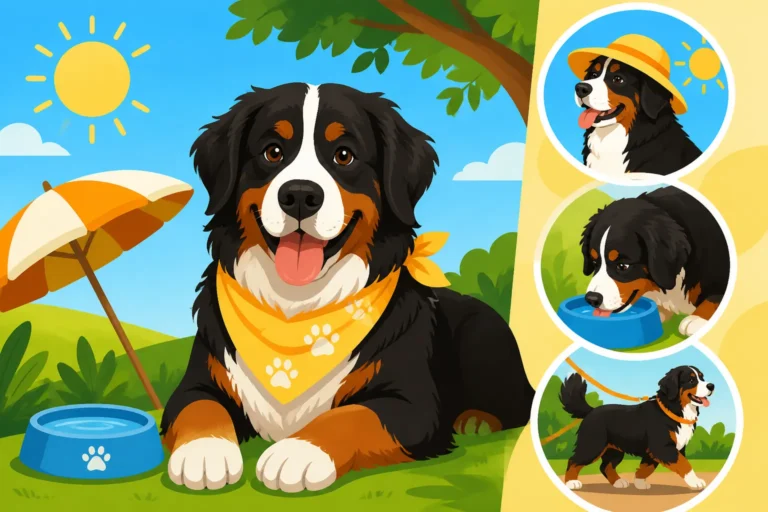
Instead of shaving, focus on practical strategies to keep your Bernese Mountain Dog cool during warmer weather. Their coat is designed to insulate, but they still need help in extreme heat.
- Provide Ample Shade and Water: Always ensure your Berner has access to shade and fresh, cool water, whether in the yard or on walks.
- Indoor Time: During the hottest parts of the day, keep your Berner indoors in an air-conditioned environment. Avoid strenuous exercise during peak heat hours. Remember, The Temperature a Bernese Mountain Dog Stops Coping can be surprisingly lower than you'd expect.
- Cooling Gear: Consider using cooling mats, vests, or bandanas. Many excellent cooling mats can be found on Amazon that help draw heat away from their body. A simple kiddie pool with a few inches of water can also be a wonderful way for them to cool off.
- Timing Walks: Schedule walks and outdoor play for early mornings or late evenings when temperatures are much lower. Always check pavement temperature with the back of your hand; if it's too hot for you, it's too hot for their paws.
- Hydration: Ensure they stay well-hydrated. Sometimes adding ice cubes to their water bowl or offering dog-safe frozen treats can encourage more water intake.
If you notice signs of overheating, like excessive panting, lethargy, or stumbling, take immediate action to cool them down, as discussed in resources like Cooling a Collapsed Bernese Mountain Dog in the Field. These methods work with their natural physiology, offering genuine relief without damaging their precious coat.
Targeted Trimming for Hygiene, Not Aesthetics
There are, of course, some areas where thoughtful, minimal trimming is appropriate and beneficial for a Bernese Mountain Dog, but these are for hygiene and comfort, not to shorten the overall coat. This is often referred to as "tidying" or "sanitary" trimming.
- Paw Pads: The hair between their paw pads can grow long, collect debris, and make it difficult for them to grip surfaces. Trimming this hair flush with the pads helps prevent slipping, matting, and discomfort. This small detail is often covered when considering Tidying the Hair Around a Bernese Mountain Dog's Feet.
- Sanitary Areas: Trimming the hair around their rear end can help keep the area clean and free from fecal matter, preventing matting and hygiene issues.
- Feathering: Occasionally, the long feathering on their legs or tail might get excessively long and drag on the ground, picking up dirt or becoming matted. A slight trim to neaten these areas and keep them from tangling can be done, but it should be minimal and focused purely on functionality rather than reducing overall length.
These types of trims are strategic and localized, aimed at improving specific aspects of cleanliness and mobility, and they do not interfere with the coat's natural function or insulation properties. They are a far cry from a full body shave and demonstrate how specific, careful grooming can enhance your Berner's well-being without compromising their magnificent coat.
Disclaimer
This article is for general informational purposes only and does not constitute professional advice. Laws, prices and regulations vary by location and change over time. Consult a qualified professional for guidance on your specific situation.