Keeping Bernese Mountain Dog Hair Out of Food
If you share your life with a magnificent Bernese Mountain Dog, you know the immense joy they bring. You also know the immense amount of hair they bring! It's a running joke in our community that Berner hair is a condiment, an accessory, and a constant presence in every corner of your home, including, frustratingly, your beloved dog's food bowl. This guide is here to commiserate with that very real struggle and offer practical, battle-tested strategies to help you minimize the furry additions to your Berner's meals.
Understanding the Bernese Mountain Dog's Shedding Nature
Let's face it, a Bernese Mountain Dog isn't just a dog; they're a majestic, floofy, hair-producing machine. It's not a flaw, it's just part of their charm and their heritage. Their beautiful, thick double coat is designed to protect them from harsh Alpine weather, and it does that job beautifully. The downside for us humans is the constant, year-round shedding that comes with maintaining such a magnificent coat. Understanding this inherent trait is the first step to managing it.
You might think shedding is just a seasonal thing, but with a Bernese, it's more like a lifestyle. While they do have heavier "blows" of their coat in spring and fall, releasing massive amounts of undercoat, there’s always a steady trickle of hair. It floats, it clings, it travels on air currents, and with a dog that loves to be wherever you are, it inevitably ends up mingling with everything, especially when mealtime rolls around. This isn't about blaming your Berner; it's about acknowledging the reality of their glorious, fluffy existence. You can learn more about this phenomenon in How Much a Bernese Mountain Dog Sheds in a Week.
The Sheer Volume of Hair
We’ve all been there: you’ve just filled their bowl with fresh kibble, perhaps even a dollop of something special, and within minutes, you spot it – a rogue strand, then two, then a tiny tumbleweed nestled amongst the crunchies. It’s like magic, but the annoying kind. Bernese Mountain Dogs have a dense undercoat that sheds continuously, contributing to the famous "Berner glitter" that adorns every surface. When they stand up, shake off, or even just walk by, a cloud of fine hair can be released into the air, settling on whatever is nearby.
This isn't a small amount of hair. We're talking about enough to knit a small sweater every week, sometimes more, especially during those seasonal shedding cycles. During these times, it can feel like your house is constantly covered in a fine layer of fur, no matter how much you clean. It’s a battle, and sometimes it feels like a losing one, but with consistent effort, you can significantly reduce the amount of hair that finds its way into your dog's meals. Spring, When a Bernese Mountain Dog's Undercoat Lets Go delves deeper into these peak shedding periods.
How Hair Travels
It's not just hair directly falling from your Berner's body into the bowl. Oh no, it's far more insidious than that! Berner hair is incredibly lightweight and easily airborne. Static electricity in drier environments can make it cling to walls, furniture, and clothes, only to be dislodged by the slightest breeze or movement. Think about ceiling fans, open windows, even your own movement as you prepare and serve meals; all these can create micro-currents that ferry hair directly to its unwanted destination.
Moreover, hair transfers from your Berner's body to you, to their bedding, to your clothes, and then to anything you touch. If you've just given your Berner a good pat and then gone to prepare their meal, chances are you've transferred some hair yourself. It's a constant cycle, and breaking it requires a multi-pronged approach that tackles both the source of the hair and the environment where food is prepared and eaten.
Proactive Grooming Strategies to Reduce Airborne Hair
The most effective way to keep Bernese Mountain Dog hair out of food is to have less loose hair on your Bernese Mountain Dog in the first place. This means embracing a consistent and thorough grooming routine. While it might feel like a chore, remember that every strand you remove with a brush is a strand that won't end up on your floor, your couch, or in your dog's breakfast.
Regular grooming also promotes a healthy coat and skin, which can actually reduce excessive shedding caused by dryness or irritation. It’s a win-win, even if it does involve a bit of effort on your part. Think of it as preventative maintenance for your sanity and your Berner’s digestion!
Daily Brushing Rituals
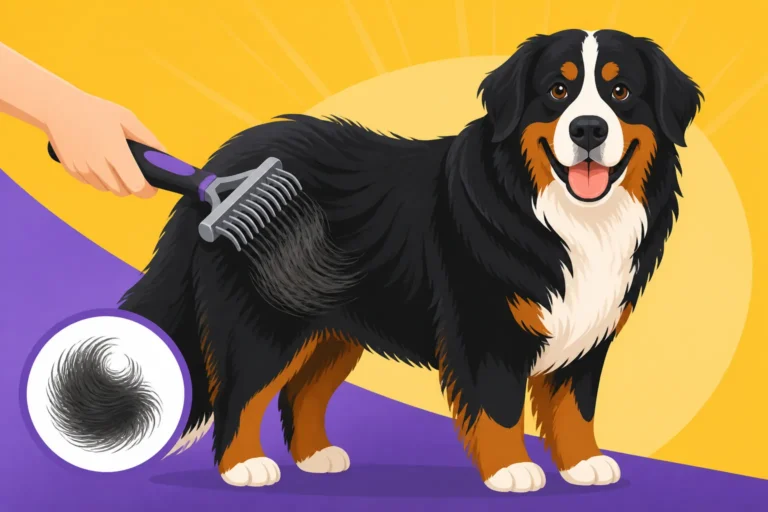
Consistency is absolutely key when it comes to managing Berner shedding. Aim for daily brushing, even if it's just for 10-15 minutes. This routine not only helps remove loose hair before it has a chance to escape but also provides a wonderful bonding opportunity with your dog. Invest in the right tools; an undercoat rake is invaluable for Bernese Mountain Dogs, getting deep into their dense fur to pull out the dead undercoat that would otherwise shed all over your home. A slicker brush can follow to smooth the topcoat and catch any remaining loose strands.
Consider establishing a designated "grooming zone," ideally outdoors or in an easily cleaned area like a garage or utility room. Brushing before meals can be particularly effective, removing a significant amount of hair just before the food comes out. If brushing indoors, try doing it in the bathroom, where hair can be easily swept or vacuumed up. For more on selecting the right tools, check out Which Brush a Bernese Mountain Dog's Coat Needs and Getting a Rake Down Through a Bernese Mountain Dog's Coat.
Professional Grooming and Deshedding Treatments
Sometimes, home grooming isn't quite enough, especially during those heavy seasonal shedding periods. This is where professional groomers can be a lifesaver. Many groomers offer specialized deshedding treatments that involve powerful high-velocity dryers, specialized shampoos, and expert brushing techniques to remove an incredible amount of loose undercoat. The difference after a professional deshedding session can be truly remarkable, drastically reducing the amount of hair floating around your home for weeks afterward.
These services might seem like an extra expense, but many Berner owners find the reduction in hair around the house, and especially in food, to be well worth it. You can inquire about these services at your local groomer, or explore products on platforms like Chewy or Amazon if you're keen to invest in a quality force dryer for at-home use (just be prepared for the sheer volume of hair!). Professional grooming also helps maintain the health of your Berner's coat, preventing mats and skin issues. If you’re curious about the costs involved, What a Bernese Mountain Dog Groom Costs offers some insight.
| Grooming Tool / Method | Purpose | Hair in Food Reduction | Effort Level |
|---|---|---|---|
| Undercoat Rake | Removes dead undercoat | High | Medium |
| Slicker Brush | Loosens and collects topcoat hair | Medium | Low |
| High-Velocity Dryer | Blasts loose hair from coat | Very High | Medium-High |
| Deshedding Shampoo | Helps release undercoat during bath | Medium | Medium |
| Professional Deshedding | Comprehensive undercoat removal & drying | Very High | Low (for owner) |
| Lint Roller (on clothing) | Removes transferred hair from handler | Medium | Low |
Creating a "Hair-Free" Feeding Environment
Even with the most rigorous grooming, some hair will always be present. The next line of defense involves being strategic about where and how you feed your Bernese Mountain Dog. Little changes in routine and environment can make a big difference in preventing those errant strands from landing in their dinner. It’s all about minimizing opportunities for hair to contaminate the food.
Think about your own dining experience – you wouldn't want hair in your food, and neither does your Berner (even if they don't complain about it!). By being mindful of the feeding zone, you can create a cleaner, more hygienic mealtime for your furry friend.
Choosing the Right Feeding Location
Where you place your Berner's food bowl can significantly impact how much hair ends up in it. Avoid high-traffic areas where movement can stir up settled hair. Likewise, steer clear of spots directly under ceiling fans, near open windows, or next to air conditioning vents, all of which can act as hair-delivery systems. A quiet corner in a room with hard-surface flooring (like tile or linoleum) is often ideal.
If your Berner typically eats in the living room where they just had a long nap on a carpeted area, you’re practically inviting hair into the bowl. Moving the feeding station to a designated spot in the kitchen or a utility room, especially one that's regularly swept or mopped, can make a huge difference. This also makes cleanup easier if there are any spills, keeping the overall area cleaner.
Smart Bowl Choices and Covers
The type of bowl and how you manage it during mealtime can also play a role. Stainless steel bowls are excellent because they're non-porous and incredibly easy to clean, preventing hair from sticking to the surface before the food even goes in. Make sure to wash bowls thoroughly between meals, as residual food can attract and hold onto loose hair.
For really persistent hair problems, consider using a bowl with a lid or a temporary cover. You can uncover the food just as you present it to your Berner and, if they're a slower eater or prone to walking away and coming back, cover it again briefly until they return. This creates a physical barrier against airborne hair. There are many options available on Chewy or Amazon, from basic stainless steel to elevated feeders that might help reduce splashing and make the area around the bowl cleaner.
Managing Airflow and Static
As we've discussed, air currents are a major culprit in hair transportation. If you must use fans or AC in the room where your Berner eats, try to direct the airflow away from the feeding station. Similarly, static electricity can make hair literally leap onto surfaces. In dry environments, especially during winter, a humidifier can help reduce static cling in the air, allowing hair to settle rather than float and stick to everything.
While anti-static sprays are available, it's generally best to avoid using them directly around food or on your dog's coat without veterinarian advice. Instead, focus on environmental changes, like using a humidifier, to create a less static-prone space. Regular cleaning also removes accumulated hair and reduces the chance of static build-up on surfaces where food might be prepared or served.
Advanced Home Management for Hair Control
Keeping Bernese Mountain Dog hair out of food isn't just about what happens at mealtime; it's a holistic approach to managing hair throughout your entire home. The cleaner and less hairy your general living space is, the fewer opportunities there are for hair to migrate into your Berner's bowl. This involves consistent cleaning habits and making smart choices about home furnishings and even your own attire.
Think of it as creating a multi-layered defense system. Each small step you take to control hair in other areas of your home contributes to a cleaner eating environment for your big, fluffy friend. It's a testament to how much we love our Berners that we're willing to go to such lengths!
Regular Cleaning and Vacuuming
This might sound obvious, but the frequency and thoroughness of your cleaning routine are paramount. For a Bernese Mountain Dog household, daily vacuuming of high-traffic and dog-frequented areas isn't a luxury; it's a necessity. Invest in a powerful vacuum cleaner designed for pet hair; many brands offer models with specialized attachments and suction power to tackle the formidable challenge of Berner fur. You can find highly-rated pet hair vacuums on Amazon that can make a real difference.
Beyond vacuuming, consider daily sweeping or mopping of hard floors, especially in areas adjacent to the feeding station. Wipe down surfaces regularly, as airborne hair settles on counters, tables, and shelves. The more hair you remove from your environment, the less there is to potentially end up in the food bowl. For comprehensive advice on this, you might find Vacuums That Cope With a Bernese Mountain Dog to be a useful resource.
Protective Barriers and Clothing
When you're preparing or serving your Bernese Mountain Dog's food, think about yourself as a potential hair delivery system. If you've just been petting your dog or sitting on a furniture piece they frequent, your clothes are likely carrying loose hair. Consider having a "feeding apron" or an older shirt you slip on specifically for meal prep. This might sound a bit extreme, but it's a simple, effective barrier against transferring hair from your clothes to the food.
Similarly, use washable covers or throws on furniture where your Berner loves to lounge. These can be easily removed, shaken out, and laundered regularly, capturing a significant amount of hair before it has a chance to spread throughout the room. Regularly washing dog beds and blankets is also crucial, as these are major collection points for loose fur.
Storage of Food and Supplements
It’s not just about the moment of feeding; proper storage of your Berner's food and any supplements also helps prevent hair contamination. Keep all kibble, wet food, and treats in airtight containers. This isn't just for freshness; it's also a barrier against airborne hair. Imagine reaching into a bag of kibble that's been open in a room full of Berner fur – you're essentially scooping hair with the food.
Large, airtight storage bins are perfect for kibble. For supplements or smaller items, dedicated containers work well. Ensure these containers are wiped down periodically to remove any exterior hair accumulation. If you feed fresh food, like some of the options from companies like Ollie, ensure it's kept refrigerated and covered until serving, minimizing exposure to environmental hair. Always close containers immediately after use.
Disclaimer
This article is for general informational purposes only and does not constitute professional advice. Laws, prices and regulations vary by location and change over time. Consult a qualified professional for guidance on your specific situation.