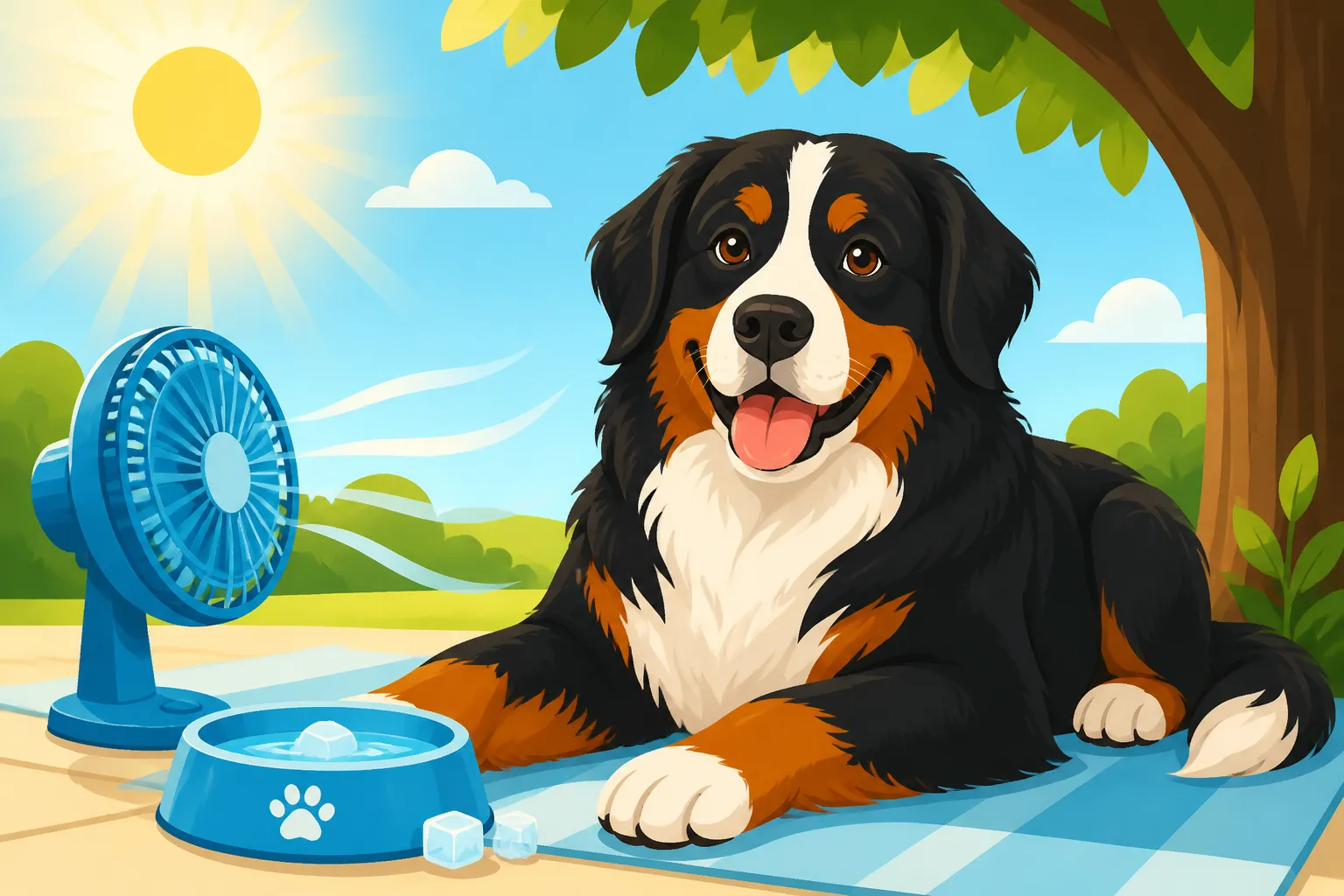
Getting a Bernese Mountain Dog Through Summer
Summer can feel like a real battle when you share your life with a magnificent Bernese Mountain Dog. Their thick, luxurious double coats, designed for the snowy Alps, are beautiful but become a significant challenge when the mercury starts to climb. Many of us find ourselves constantly worrying about our beloved companions, knowing how easily they can overheat. This comprehensive guide is here to equip you with practical strategies and deep insights to ensure your Bernese Mountain Dog navigates the warmer months safely, comfortably, and happily.
Understanding Your Bernese Mountain Dog's Heat Sensitivity
Let's be honest, Bernese Mountain Dogs are not built for heat. Their entire physiology is geared towards cold weather, and understanding this fundamental truth is the first step in keeping them safe during summer. It's not just about them feeling a bit warm; it's about a genuine, sometimes life-threatening, vulnerability.
The Anatomy of a Berner's Coat: Double Layer Insulation
Imagine wearing a heavy wool sweater and a thick winter coat in July – that's essentially what your Bernese Mountain Dog is experiencing. Their coat isn't just long; it's a double layer of dense protection. The outer coat, often described as coarse, repels water and protects against snow and debris. Beneath that lies a thick, woolly undercoat that acts as incredible insulation. In winter, this undercoat traps warm air close to their body, keeping them toasty. In summer, however, it traps hot air.
This natural insulation, while fantastic for blustery mountain days, becomes a furnace in warm climates. It severely limits their ability to dissipate heat. Unlike humans who sweat all over their bodies, dogs primarily cool themselves by panting, and to a lesser extent, through the pads of their feet. A thick coat impedes the transfer of heat away from their skin, making their primary cooling mechanism less efficient. This is why you'll often see them seeking out cool, hard surfaces to lie on, trying to offload that trapped heat.
Bernese Mountain Dogs' Ancestral Climate: Swiss Alps vs. Summer Heat
Our Berners hail from the majestic, often snowy, Dürrbach Valley region of the Swiss Alps. For centuries, these dogs were bred to work in a harsh, cold environment, pulling carts, driving cattle, and guarding farmsteads. Their thick coats, robust frames, and calm demeanors were perfectly suited to long days in chilly, high-altitude conditions. Think about the stark contrast between their historical habitat and a sweltering July afternoon in, say, Texas or even a humid day in the Northeast.
This genetic predisposition means their bodies are simply not designed to handle prolonged exposure to high temperatures or humidity. They don't acclimate to heat in the same way some other breeds might. Expecting a Bernese Mountain Dog to comfortably enjoy a hot day is like expecting a polar bear to thrive in the desert – it goes against their very nature. Recognizing this inherent vulnerability is crucial for responsible ownership, especially when we talk about The Temperature a Bernese Mountain Dog Stops Coping.
Recognizing the Early Signs of Overheating
It's absolutely vital to be able to spot the subtle, early warnings that your Bernese Mountain Dog is getting too hot, long before it becomes an emergency. Often, by the time panting becomes frantic or they collapse, the situation is already critical. Early intervention can make all the difference.
Look for a combination of these signs:
- Excessive Panting: This is usually the first and most obvious sign. It's heavier and faster than normal, even after minimal exertion.
- Dark Red Gums: Check their gums. If they're darker red than usual, it indicates increased blood flow and body temperature.
- Drooling: While Berners can be droolers anyway, excessive, thick, stringy drool can be a sign of overheating.
- Seeking Cool Spots: They'll actively try to lie on tile, concrete, or in the shade, sometimes pacing restlessly before settling.
- Reduced Energy/Lethargy: They might become unusually sluggish, slow to respond, or simply want to lie down more than usual.
- Rapid Heart Rate: You might feel their pulse racing.
- Warm to the Touch: Their ears, paws, or even their general body will feel noticeably warmer than normal.
Don't dismiss these signs. If you notice any of them, it's time to take immediate action to cool them down, even if it seems minor. These are the precursors to more severe, life-threatening symptoms, as detailed in How a Bernese Mountain Dog Behaves Before Heat Stroke.
Creating a Cool Environment Indoors
When the heat outside is unbearable, your home needs to be a sanctuary for your Bernese Mountain Dog. This means proactive management of your indoor environment, not just hoping they'll be okay. It's about crafting a cool, comfortable refuge where they can truly relax without the constant struggle against their own body heat.
Strategic Air Conditioning and Fan Use
For a Bernese Mountain Dog, air conditioning isn't a luxury in summer; it's often a necessity. You might find yourself setting your thermostat lower than you would for yourself, and that's perfectly normal. Aim for a comfortable, consistent temperature, ideally in the low 70s Fahrenheit (around 22-23 Celsius) or even slightly cooler if your dog seems stressed. Remember, they have a built-in fur coat!
Beyond central AC, strategic fan placement can make a huge difference. Ceiling fans are great for circulating air, but floor fans or box fans can provide more direct relief. Place a fan near their favorite napping spot, or even in a doorway to create a cross-breeze. Some owners even position a bowl of ice in front of a fan to create a makeshift evaporative cooler. Just be mindful of cords and ensure the fan is sturdy enough not to be knocked over by a curious tail. For longer periods alone, a smart fan that can be controlled remotely via your phone, easily found on Amazon, can provide peace of mind, allowing you to adjust settings if temperatures unexpectedly spike.
Designated Cool Spots and Cooling Beds
Every Bernese Mountain Dog needs a go-to cool spot in the house. This might be a patch of tile in the kitchen, a cool basement floor, or a dedicated space near an air vent. Ensure this spot is always accessible and free from clutter. You'll often find them gravitating towards these areas naturally.
Cooling beds and mats are also incredibly helpful tools. These aren't just regular dog beds; they typically contain gels or water that absorb and dissipate body heat. Some are activated by pressure, others require refrigeration. While they might seem like an extra expense, the relief they provide can be invaluable. Brands available on Chewy offer a wide range of sizes and types, so you can find one that fits your giant breed perfectly. Experiment with different types to see what your Berner prefers. Some dogs love the direct coolness of a gel mat, while others prefer a raised cot that allows air to circulate underneath, preventing heat from radiating back up from the floor.
Hydration Stations and Fresh Water Access
Staying hydrated is absolutely non-negotiable for Bernese Mountain Dogs in summer. Dehydration can quickly exacerbate overheating. You need to make fresh, cool water available at all times, in multiple locations. Don't just rely on one bowl in the kitchen.
Consider having several water bowls throughout the house, especially near their resting spots and anywhere they spend a lot of time. Stainless steel bowls stay cooler longer than plastic. You can also add ice cubes to their water to keep it refreshingly chilled. Some Bernese Mountain Dogs are big fans of dog-specific water fountains, which encourage drinking by providing a constantly circulating, filtered stream. If your Berner is reluctant to drink, try adding a splash of low-sodium chicken broth or an ice cube made from diluted juice (sugar-free, dog-safe flavors only!) to their water. Hydration is key to preventing problems, especially when you think about Keeping a Room Cool Enough for a Bernese Mountain Dog.
Safe Outdoor Practices for Summer Days
Stepping outside with a Bernese Mountain Dog in summer requires careful planning and a healthy dose of caution. What might feel pleasant to you could be dangerously hot for them. We want our dogs to enjoy the outdoors, but never at the expense of their health and safety.
Timing Walks and Outdoor Play
This is perhaps the most critical rule for Bernese Mountain Dogs in summer: adjust your schedule to avoid the hottest parts of the day. For most regions, this means limiting walks and strenuous outdoor play to the early morning hours, typically before 8 or 9 AM, and late in the evening, after the sun has begun to set and the temperatures have dropped, usually after 7 or 8 PM.
Even then, keep these outings shorter than usual. A quick potty break is fine, but a long, leisurely stroll or an energetic play session can quickly become dangerous. Watch your dog constantly for any signs of panting or discomfort. If you see them slowing down, panting excessively, or seeking shade, it's time to go back inside immediately. Forget about the midday park trip or the afternoon hike; these activities are simply too risky for a Berner when the sun is high and strong. This careful timing is vital for Exercising a Bernese Mountain Dog in Summer.
Pavement Temperature Checks
One of the most overlooked dangers of summer is hot pavement. While you might be wearing shoes, your Bernese Mountain Dog's paw pads are directly exposed to asphalt, concrete, and even artificial turf, all of which can heat up to searing temperatures. On a 77°F (25°C) day, asphalt can reach 125°F (51°C) – hot enough to cause burns in just 60 seconds. At 87°F (30°C), asphalt can hit 143°F (62°C).
The simple test: place the back of your hand on the pavement for five to seven seconds. If it's too hot for your hand, it's too hot for their paws. Stick to grassy areas, shaded trails, or wait until dusk when surfaces have cooled significantly. Dog booties can offer some protection for brief necessary outings, but they aren't a substitute for avoiding hot surfaces altogether. The integrity of their paws is paramount, as detailed in Pavement Temperature and a Bernese Mountain Dog's Pads.
Shady Spots and Water Breaks in the Yard
Even if your Bernese Mountain Dog is just hanging out in the backyard, adequate shade and constant hydration are non-negotiable. A sunny yard can quickly become an oven. Ensure there are multiple shaded areas available, whether from large trees, shade sails, or a covered patio. The shade will shift throughout the day, so make sure they can always find relief.
Always have a large, stable water bowl filled with fresh, cool water accessible in the yard. If they're playing, bring out a second bowl or a portable water dispenser. You can even set up a small kiddie pool with a few inches of water (supervised, of course!) for them to splash in and cool their bellies and paws. This isn't just about comfort; it's about survival. Never leave your Berner unsupervised in the yard on a hot day, even for a few minutes. Their condition can deteriorate rapidly.
Grooming Strategies for Heat Management
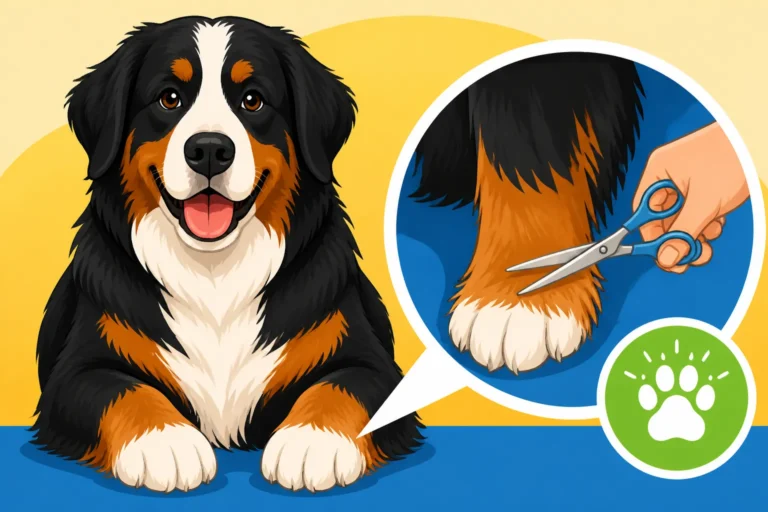
When it comes to grooming a Bernese Mountain Dog in summer, less is often more, and what you do do should be focused on promoting natural air circulation rather than drastic measures. It's a common misconception that shaving them will help; in fact, it can often make things worse.
The Importance of Regular Brushing
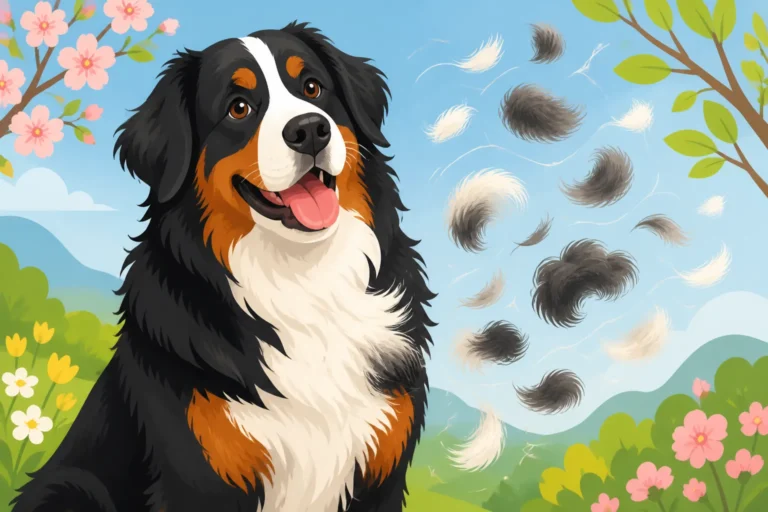
Regular, thorough brushing is your best friend during the warmer months. Your Bernese Mountain Dog's thick double coat is designed to shed its undercoat in preparation for summer, but it often needs a lot of help. A good deshedding tool or a sturdy undercoat rake can remove the loose, dead hair that would otherwise get trapped and create an insulating layer against their skin.
By removing this excess undercoat, you create space for air to circulate closer to their skin, which significantly aids in cooling. Brushing also prevents matting, which can trap even more heat and lead to skin problems. Aim for at least 3-4 times a week, or even daily during peak shedding season. It's not just about aesthetics; it's a vital part of their thermoregulation. The more loose hair you remove, the better their natural cooling system can work.
Debunking the Shaving Myth
This is one of the most persistent myths in dog grooming, and it's particularly damaging for double-coated breeds like the Bernese Mountain Dog: shaving them will keep them cooler. This is almost universally false and can actually be detrimental. As discussed in The Case Against Shaving a Bernese Mountain Dog in June, here's why:
- Loss of Insulation: Their double coat acts as both a heater in winter and a cooler in summer. The outer guard hairs protect them from the sun's harsh UV rays, preventing sunburn, and also provide a layer of insulation against heat. Shaving removes this natural protection, exposing their delicate skin.
- Sunburn Risk: Exposed skin is highly susceptible to sunburn, which can be painful and lead to skin cancer.
- Heat Absorption: A shaved dog's skin will absorb more direct heat from the sun, rather than having the coat reflect some of it.
- Improper Regrowth: Often, the undercoat grows back faster and thicker than the guard hairs, leading to a "wool-like" texture that is even less efficient at cooling and more prone to matting. The coat may never grow back correctly.
Instead of shaving, focus on meticulous brushing to thin the undercoat naturally and allow for airflow. If you feel their coat is truly unmanageable, consult a professional groomer who specializes in double-coated breeds. They can offer services like "strip and rake" that thin the undercoat without damaging the protective outer layer.
Baths and Cooling Wipes: Temporary Relief
While you won't be shaving your Berner, a cool bath can offer temporary relief on a hot day, especially if they're particularly dirty or seem agitated by the heat. Use lukewarm or cool water, not icy cold, as too cold water can shock their system and cause their blood vessels to constrict, actually hindering cooling. Ensure you use a dog-specific shampoo that won't strip their natural oils.
After bathing, the most critical step is to thoroughly dry their coat. A damp undercoat can become a breeding ground for hot spots and skin infections, and trapped moisture can actually make them feel hotter by preventing air circulation. A high-velocity force dryer (often available on Amazon or Chewy through grooming supply sections) is ideal for pushing water out of their dense undercoat. If you don't have one, towel dry as much as possible and ensure they air dry in a cool, well-ventilated area, perhaps with a fan.
For quick cool-downs between baths, you can use damp towels or cooling wipes (dog-safe!). Focus on wiping their paws, belly, inner thighs, and neck – areas where blood vessels are close to the surface and can help dissipate heat. This provides a refreshing, albeit short-lived, cooling effect.
| Cooling Method | Pros | Cons | Best Use Case |
|---|---|---|---|
| Cooling Mat | Portable, self-activating, no electricity | Can be punctured, some dogs chew them | Indoor resting spots, car travel |
| Kiddie Pool | Fun, full-body immersion, encourages play | Messy, requires supervision, outdoor only | Backyard play, active cooling during breaks |
| Damp Towels/Wipes | Quick, immediate relief, versatile | Temporary, needs frequent re-wetting | Emergency cooling, wiping paws/belly |
| Raised Cot Bed | Promotes airflow underneath | Not actively cooling, just prevents heat | Indoor/outdoor resting, prevents contact with hot surfaces |
| Ice Cubes in Water | Encourages drinking, keeps water cool | Some dogs don't like ice, can melt fast | Constant hydration, making water more appealing |
| Cooling Vest/Bandana | Wearable, targeted cooling | Can make some dogs feel constricted, needs re-wetting | Walks during slightly warmer times, supervised outdoor time |
Diet and Hydration in Hot Weather
What and how your Bernese Mountain Dog eats and drinks can also impact their comfort and safety during summer. Making a few thoughtful adjustments can help them stay cooler and reduce risks associated with heat and activity.
Maintaining Hydration with Water and Moisture-Rich Foods
We've already talked about constant access to fresh water, but let's dive a bit deeper into how to ensure your Berner is actually taking in enough fluids. Beyond just offering bowls, consider incorporating moisture-rich foods into their diet. Fresh food diets, like those offered by Ollie, often have a much higher water content than traditional kibble, which can be a great way to boost hydration.
You can also add a little warm water or low-sodium bone broth to their kibble to make it more palatable and increase moisture. Frozen treats are another fantastic way to provide hydration and a cool snack. Think about making "pupsicles" with diluted chicken broth, pureed fruit (dog-safe only, like blueberries or bananas), or plain yogurt. These aren't just fun; they serve a practical purpose in keeping their internal temperature down and ensuring they get enough fluids.
Adjusting Meal Times and Portion Sizes
Just like humans, dogs can feel less hungry or more sluggish when it's hot. Eating a large meal, especially one high in fat and protein, requires energy for digestion, which generates metabolic heat. This can make them feel even warmer. Consider splitting their daily food allowance into smaller, more frequent meals, and schedule these meals during the coolest parts of the day – early morning and late evening.
You might also find they eat slightly less in extreme heat, and that's usually okay as long as it's not prolonged and they're otherwise healthy and maintaining their weight. If you're concerned about them not eating enough, moisture-rich foods or adding enticing broths can help. Don't force them to eat a big meal when they're already feeling the heat. This is also a critical time to be mindful of activities surrounding food, especially with a deep-chested breed like a Berner, due to the risk of bloat.
Avoiding Strenuous Activity After Meals
This is particularly important for Bernese Mountain Dogs because of their predisposition to Gastric Dilatation-Volvulus (GDV), commonly known as bloat. Bloat is a life-threatening condition where the stomach fills with gas and then twists. While the exact cause isn't fully understood, strenuous exercise or excitement too soon after eating is a known risk factor.
In hot weather, when their bodies are already working harder to cool themselves, the risk can be amplified. Therefore, always enforce a resting period of at least one hour before and two hours after meals. This means no running, jumping, or vigorous play. A short, calm potty break is fine, but anything that gets their heart rate up or causes them to gulp air should be avoided. This precaution is important year-round, but doubly so in summer when their systems are already under more stress. Understanding What Bloat Looks Like in a Bernese Mountain Dog can help you recognize symptoms if they arise despite your best efforts.
Emergency Preparedness for Heatstroke
Despite our best efforts, heatstroke can happen, and when it does with a Bernese Mountain Dog, it's a dire emergency. Every second counts, and knowing what to do immediately can significantly impact the outcome. Prevention is always the goal, but preparedness is crucial.
Identifying Advanced Symptoms of Heatstroke
Beyond the early signs of overheating, heatstroke progresses rapidly to a critical state. If you see any of these symptoms, your dog is in a life-threatening situation and requires immediate veterinary attention.
- Collapse or Staggering: They lose coordination, stumble, or can't stand.
- Vomiting and Diarrhea: This can include bloody diarrhea in severe cases.
- Seizures: Uncontrolled muscle spasms or convulsions.
- Unconsciousness: They become unresponsive.
- Bright Red or Pale Gums: Gums can initially be very red, then become pale or even bluish as circulation fails.
- Rapid, Shallow Breathing or Gasping: Their breathing becomes extremely labored.
- Glassy Eyes: Their eyes may appear glazed or unfocused.
If you observe these, do not hesitate. Begin first aid immediately and head to the nearest emergency veterinary clinic. There's no time to "wait and see." This is a crucial distinction from simply "overheating" and requires immediate, aggressive action, which you can read more about in Cooling a Collapsed Bernese Mountain Dog in the Field.
First Aid Steps While Seeking Veterinary Care
If your Bernese Mountain Dog is showing signs of heatstroke, here's what you need to do right away, even as you're making arrangements to get to the vet:
- Move to a Cooler Area: Get them out of the sun and into the coolest spot you can find, whether that's air conditioning indoors or deep shade.
- Apply Cool Water: Wet their coat thoroughly with cool (not ice-cold) water. Focus on the areas with prominent blood vessels: their ears, paw pads, inner thighs, and neck. You can use a hose, damp towels, or even just pour water over them.
- Use Fans: If available, direct a fan onto their wet body to promote evaporative cooling.
- Offer Small Amounts of Water: If they are conscious and able to drink, offer small amounts of cool water. Do not force them to drink if they are unresponsive or vomiting.
- Monitor Temperature (If Possible): If you have a rectal thermometer, take their temperature. Stop active cooling when their temperature reaches about 103°F (39.4°C) to prevent overcooling, but continue towards the vet regardless.
- Head to the Vet Immediately: Even if they seem to be recovering, internal damage (to organs like kidneys, liver, brain) can occur with heatstroke and may not be immediately obvious. Veterinary follow-up is essential to assess for complications and prevent Lasting Damage After a Bernese Mountain Dog Overheats. Call ahead to the clinic so they can be prepared for your arrival.
Knowing When to Call the Vet
The simple answer is: if you suspect heatstroke, call the vet immediately. Don't wait. It's better to make an unnecessary trip than to delay vital medical intervention. Even milder signs of overheating warrant a call, especially if your dog isn't responding quickly to your cooling efforts.
Describe your dog's symptoms accurately, explain what steps you've already taken, and listen carefully to their instructions. They may advise you on further cooling measures or tell you to come in right away. Always err on the side of caution when it comes to heat and your Bernese Mountain Dog. Their lives literally depend on your quick and informed decisions.
Fun and Safe Summer Activities
Just because it's hot doesn't mean your Bernese Mountain Dog has to be bored! You just need to get creative and prioritize activities that keep them cool and safe, focusing on mental stimulation and low-impact physical exercise during appropriate times.
Water-Based Activities
Water is a Berner's best friend in summer. Many Bernese Mountain Dogs absolutely adore water, and it's a fantastic way to cool down.
- Kiddie Pools: A shallow plastic kiddie pool filled with just a few inches of cool water can provide hours of supervised fun. They can stand, splash, or just lie down in it to cool their bellies. Toss in some floating toys to make it even more engaging.
- Sprinklers/Hoses: Some Berners love to "attack" a gentle stream from a garden hose or play in a sprinkler. This is great for active cooling.
- Safe Swimming: If you have access to a clean, safe body of water (like a dog-friendly lake or a private pool), swimming can be an excellent low-impact exercise. Always supervise them closely, especially if they're not strong swimmers. A life vest, readily available from retailers like Chewy or Amazon, is a smart investment, providing buoyancy and a handle for easy retrieval. Be mindful of water quality and any potential currents or hazards. Remember that even though they might enjoy it, Whether a Bernese Mountain Dog Swims to Cool Off depends on the individual dog and water safety.
- Mist Systems: A simple misting system on a patio can provide a fine spray of cool water that helps keep the air around them, and their fur, slightly damp and cool without soaking them.
Indoor Games and Mental Stimulation
On days when outdoor temperatures are simply too high, you'll need to turn to indoor activities to keep your Berner entertained and mentally stimulated. Remember, a bored Berner can become a destructive Berner!
- Puzzle Toys & Treat Dispensers: These are fantastic for engaging their minds. Fill Kongs with frozen peanut butter (xylitol-free!), plain yogurt, or canned pumpkin. Lick mats also provide a calming, long-lasting distraction. There are many interactive puzzle toys on Amazon that require them to figure out how to get treats.
- Scent Work: Hide treats around the house and encourage them to "find it." This taps into their natural scenting abilities and is mentally tiring without physical exertion.
- Training Sessions: Short, fun training sessions work wonders. Practice known commands, teach new tricks, or refine their manners. Keep sessions brief (5-10 minutes) to maintain their attention and avoid frustration.
- Chew Toys: Provide a variety of safe, durable chew toys to satisfy their natural urge to chew. You can even freeze some chew toys for added cooling relief.
Short, Controlled Outings
Even in summer, there are ways to get out of the house with your Bernese Mountain Dog, as long as you plan carefully and keep outings brief and controlled.
- Car Rides: If your car has good air conditioning, a short drive can be a fun change of scenery. Just be absolutely certain you never, ever leave your dog unattended in a car, even for "just a minute," as interior temperatures can skyrocket in mere minutes, even with windows cracked.
- Dog-Friendly Stores: Many pet supply stores, like some chains found on Chewy, welcome well-behaved, leashed dogs. This can provide a cool, stimulating environment with new sights, sounds, and smells without the risk of overheating. Call ahead to confirm their policy.
- Veterinary Visits: These are a necessity, and in summer, make sure their journey to and from the clinic is as cool as possible. If waiting in the car, leave the AC on or ensure they go straight into a cool waiting room.
By integrating these strategies into your summer routine, you can significantly reduce the risks of heat-related illnesses and help your Bernese Mountain Dog enjoy the season as safely and comfortably as possible. It takes effort and vigilance, but their well-being is worth every moment.
Disclaimer
This article is for general informational purposes only and does not constitute professional advice. Laws, prices and regulations vary by location and change over time. Consult a qualified professional for guidance on your specific situation.