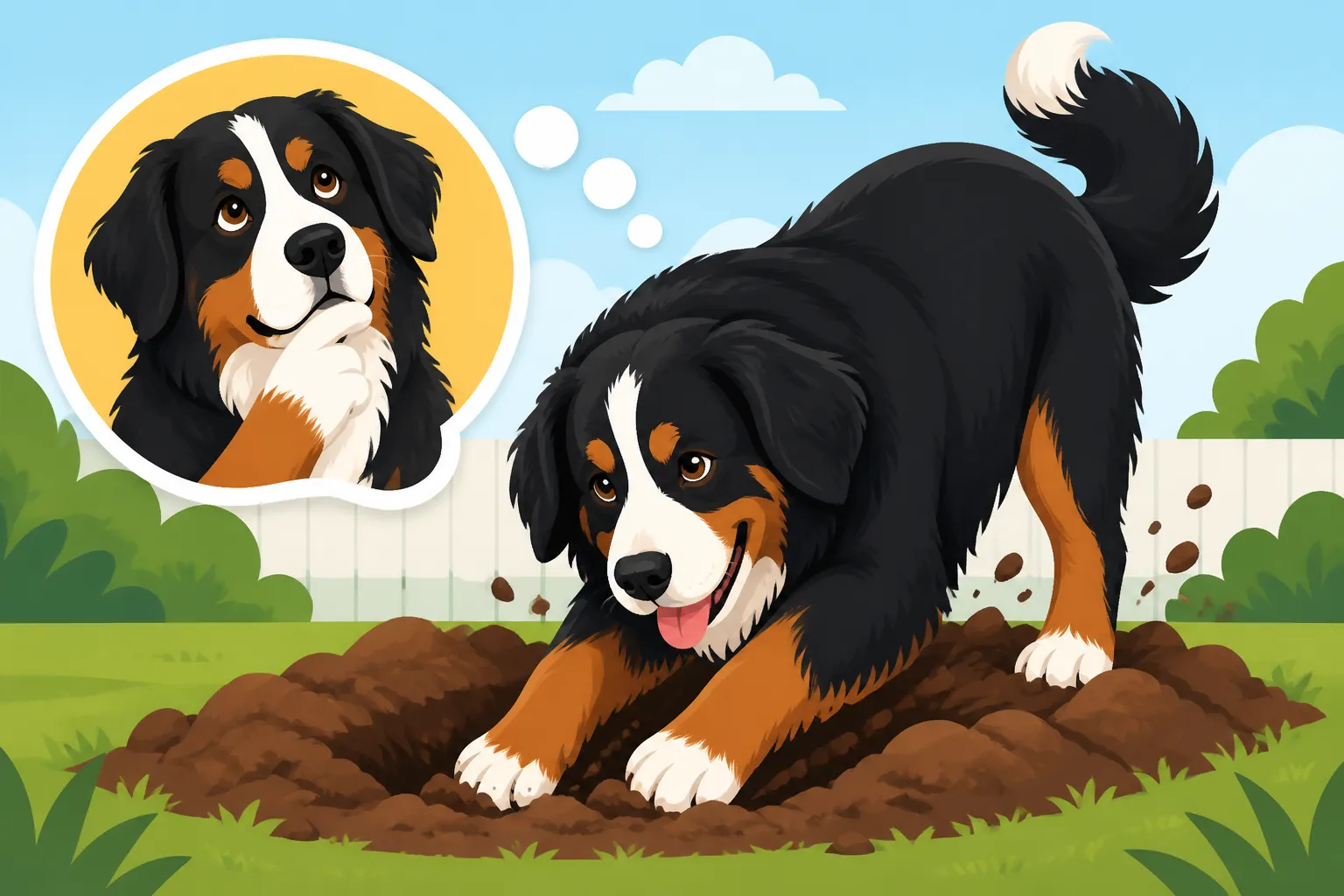
Whether a Bernese Mountain Dog Digs
Oh, the bane of a beautiful yard! I know that feeling all too well. You spend ages cultivating your garden, planting lovely flowers, or just trying to keep a pristine lawn, only to walk outside and discover it looks like a bomb went off – courtesy of your beloved Bernese Mountain Dog. It's frustrating, heartbreaking, and can even feel a bit disrespectful to all your hard work. But trust me, your Berner isn't trying to spite you. This guide is here to help you understand why your big, beautiful companion might be digging and, more importantly, what you can actually do about it, without losing your cool (or your landscaping).
Understanding Why Your Bernese Mountain Dog Might Dig
Let's be real, a Bernese Mountain Dog isn't a terrier, bred specifically for going to ground and flushing out critters. Yet, many Berners develop a digging habit that can be utterly confounding for their owners. Before we can even begin to tackle this behavior, we need to get to the root of why they're doing it. It's rarely out of malice, but almost always driven by instinct, discomfort, or unmet needs.
Ancestral Instincts and Working Roots
While Bernese Mountain Dogs weren't historically earth-diggers like some other breeds, they are still very much working dogs with strong, inherent instincts. Think about it: dogs in the wild would dig dens for shelter, bury food to save for later, or even just excavate a cool spot to lie down. These aren't behaviors that disappear just because your Berner lives in a cozy home with a fenced yard.
Your Bernese Mountain Dog carries millennia of canine instinct in their DNA. Even though their jobs often involved pulling carts or droving cattle, the fundamental canine urges remain. Sometimes, digging is simply a manifestation of that deep-seated primal urge to "do" something with their paws. They might be trying to "bury" a favorite toy or bone (even if it's just in the middle of your pristine lawn), or they might just enjoy the tactile sensation of digging. It's a self-rewarding behavior; the act itself feels good, much like how some dogs love to chew. It provides an outlet for their energy and their natural curiosity about what lies beneath the surface. It’s their way of exploring their environment, even if that exploration turns your prize petunias into a dirt mound. This isn't usually something they do with malicious intent, but rather a simple expression of being a dog.
Comfort, Coolness, and Shelter Seeking
Bernese Mountain Dogs, with their thick, luxurious double coats, are undeniably stunning. But that beautiful coat, perfectly designed for the cold Alpine winters of their homeland, can be a real challenge in warmer climates or during summer months. They can overheat surprisingly quickly, even on what might seem like a mild day to us. This makes them prone to seeking out cooler spots.
One of the most immediate ways a dog can cool down is by digging into the earth. Just a few inches down, the soil temperature can be significantly lower than the surface, offering a welcome respite from the heat. So, if you notice your Bernese Mountain Dog digging large, shallow pits, especially near foundations, in the shade of a tree, or even against the coolest side of your house, there’s a good chance they’re trying to create their own natural air conditioning system. This is particularly common in areas where shade is scarce or on days when the sun is beating down. It's a desperate attempt to regulate their body temperature and find comfort. Keeping a close eye on your Bernese Mountain Dog's comfort in warmer weather is crucial; they truly struggle when temperatures rise. You might be interested in reading Heat and the Bernese Mountain Dog's Black Coat for more insights into this specific challenge and how their physiology makes them susceptible. Making sure they have access to shade, cool water, and preferably air conditioning indoors, can go a long way in reducing this type of digging. We also have an article on Keeping a Room Cool Enough for a Bernese Mountain Dog which could offer further tips.
Boredom, Energy, and Lack of Mental Stimulation
A bored Berner is often a destructive Berner, and digging is one of the many ways they might express that pent-up energy or lack of mental engagement. These are intelligent dogs who were bred for jobs that required both physical stamina and problem-solving. When they're not given appropriate outlets for these traits, they'll find their own "jobs"—and digging up your yard is often an easy, accessible, and self-rewarding one.
Imagine being stuck in a yard all day with nothing to do. No walks, no games, no new smells, and no interaction beyond perhaps a quick potty break. Your Bernese Mountain Dog, especially when young and full of boundless energy, needs more than just space. They need purposeful activity. A lack of physical exercise means they have too much energy to burn, and a lack of mental stimulation means their clever brains are looking for puzzles to solve. Digging is both physical and mentally engaging for them; it requires effort, provides sensory input, and often yields "results" in the form of dirt, roots, or even a hidden worm. If you notice your Berner digging vigorously at random spots, or focusing intensely on a particular area, it might just be their way of saying, "Hey, I need something to do!" This is especially true for younger Berners who are still maturing; remember, they often stay quite puppy-like until around three years old. They might even substitute digging for other destructive behaviors like chewing, which can be equally frustrating. If your Berner is left alone for long stretches, you might find solace in our guide on A Bernese Mountain Dog Left Alone and understand how their need for companionship plays a role in their overall behavior.
Anxiety, Fear, and Escape Attempts
Sometimes, digging isn't about comfort or boredom, but a more serious manifestation of emotional distress. A Bernese Mountain Dog experiencing anxiety or fear might resort to digging as a way to cope, or even to escape a situation they find overwhelming. This kind of digging is often more desperate and focused, usually occurring along fence lines.
Separation anxiety is a common culprit here. If your Berner becomes stressed when left alone, they might try to dig their way out of the yard to find you. This isn't just a casual excavation; it's a frantic effort born of panic. You might see claw marks on the fence itself, or tunnels leading directly under the barrier. Thunderstorms, fireworks, or even loud construction noises can also trigger fear-based digging. A dog who is terrified might try to dig their way to perceived safety, feeling trapped and vulnerable in the open. The digging becomes a self-soothing behavior, a frantic attempt to create a secure burrow, or a desperate effort to escape the perceived threat. This type of digging is often accompanied by other signs of distress, such as pacing, panting, whining, or destructive chewing elsewhere. It’s heartbreaking to see, and it’s a clear signal that your Berner needs help addressing their underlying emotional state. The article The Bernese Mountain Dog That Cannot Bear Being Left delves deeper into issues surrounding separation and how it impacts their well-being, which is often a precursor to escape-motivated digging.
Practical Strategies to Discourage Unwanted Digging
Once you've got a clearer idea of why your Bernese Mountain Dog might be turning your yard into a lunar landscape, you can start implementing effective strategies. Remember, this isn't about punishing the behavior, but about understanding the motivation and providing more appropriate outlets or removing the incentive altogether.
Enrichment and Mental Stimulation Techniques
Since boredom and excess energy are huge motivators for digging, providing plenty of mental enrichment is a game-changer. Berners are smart, and they thrive when their minds are engaged. Instead of leaving them to invent their own fun (which often involves digging), proactively give them "jobs" and puzzles to solve.
Think about puzzle toys that dispense treats, like KONGs stuffed with peanut butter or frozen wet food. These can keep a Berner occupied for a good chunk of time, making them work for their reward. Snuffle mats, readily available on Amazon, are fantastic for engaging their powerful sense of smell, turning mealtime into a foraging game. Regular, short training sessions, even just 10-15 minutes a few times a day, can do wonders. Teach them new tricks, practice obedience commands, or even try some scent work games in the house. This kind of mental workout can be just as tiring as physical exercise, if not more so, and it builds a stronger bond between you. Berners can sometimes be stubborn, but they respond incredibly well to positive reinforcement and engaging activities. You might be surprised at How Long a Bernese Mountain Dog Will Concentrate when the activity is truly rewarding and fun for them. For ongoing training guidance and ideas, resources like BAXTER & Bella offer online courses and communities that can provide endless ideas for keeping your Berner mentally sharp and happy, which in turn reduces destructive behaviors.
Managing Exercise and Physical Outlets
A tired Berner is a good Berner, and this absolutely holds true for digging. While mental stimulation is vital, these are still large, robust working dogs who need significant physical exercise to be truly content. If they're not getting enough opportunities to run, play, and explore, that pent-up energy is going to manifest somewhere, and often, it's in your garden beds.
Aim for at least one good, long walk or active play session daily, ideally more for younger dogs. This isn't just a quick potter around the block; we're talking about a brisk walk that gets their heart rate up, or a vigorous game of fetch (if your Berner enjoys it, some prefer a more leisurely pace). Remember to tailor exercise to the weather, especially with their thick coats. Exercising a Bernese Mountain Dog in Summer requires careful planning to avoid overheating. Off-leash time in a safe, fenced area (if appropriate and allowed) can be incredibly beneficial for them to truly stretch their legs and satisfy their need to explore. Consider activities like hiking in cooler weather, carting (draft work), or even just extended sniffing walks in new environments. The goal is to drain that physical energy constructively so they don't feel the need to excavate your yard for an outlet.
Creating Designated Digging Zones
Sometimes, the best solution isn't to stop the behavior entirely, but to redirect it to an acceptable place. If your Bernese Mountain Dog has a strong urge to dig, why not give them their own designated "digging pit"? This can be a real sanity-saver for both of you.
Find an out-of-the-way spot in your yard, perhaps a corner that isn't central to your landscaping efforts. You can even build a simple sandbox for them. Fill it with sand, or even just soft, loose dirt. The trick is to make this area incredibly appealing and consistently rewarding. Start by burying some of their favorite toys, chew treats, or even a few high-value dog biscuits in the digging pit. When you catch your Berner digging elsewhere, gently interrupt the behavior (without scolding), and lead them to their designated spot. Encourage them to dig there, even helping them uncover a buried treasure. When they dig in the right spot, praise them enthusiastically and reward them! Over time, they'll learn that digging in "their" spot leads to good things, while digging elsewhere is unrewarding or results in being redirected. This strategy works because it satisfies their natural instinct without destroying your entire yard.
Environmental Deterrents and Barriers
For areas where you absolutely do not want your Bernese Mountain Dog to dig, sometimes you need to employ a bit of preventative engineering. These methods are about making certain spots undesirable or inaccessible for digging.
- Burying Wire: For persistent digging along fence lines or under specific plants, you can bury chicken wire or hardware cloth horizontally about 1-2 feet deep and extending out a foot or two from the fence/plant. When your Berner's paw hits the wire, it's an unpleasant, unrewarding sensation that usually deters them.
- Large Rocks or Pavers: Place heavy, flat rocks or paving stones in areas where your dog habitually digs. If they can't get their paws into the soil, they can't dig. This works particularly well along fence lines or around the base of vulnerable plants.
- Unpleasant Textures: Some dogs dislike the feel or smell of certain materials. Spreading pine cones, uncomfortable gravel, or even chicken wire on top of the soil (secured so they don't trip) in off-limits areas can be a deterrent. Just be sure whatever you use is non-toxic and won't harm their paws. Products specifically designed as digging deterrents, often found on Amazon, can also be explored, though always check ingredients for safety.
- Motion-Activated Sprinklers: For very stubborn diggers in specific spots, motion-activated sprinklers can provide a harmless, but startling, deterrent. The sudden spray of water is usually enough to send them scurrying away from the forbidden zone.
These methods are most effective when used in conjunction with positive reinforcement for appropriate behavior and providing alternative outlets for digging.
Addressing Digging in Specific Situations
Digging manifests differently depending on where and why it's happening. A Berner digging to escape is a different problem from one digging out of boredom. Let's look at how to approach these specific scenarios.
Yard-Digging: Protecting Your Landscape
This is probably the most common scenario: you step outside and find your once-beautiful lawn riddled with craters, your flower beds uprooted, and perhaps a small, furry (and muddy) culprit looking quite pleased with themselves. Protecting your landscape requires a multi-pronged approach that combines deterrence, redirection, and meeting your Berner's underlying needs.
Firstly, identify the hotspots. Is your Berner consistently digging near the fence line? Under a specific tree? In your prize rose bush? Understanding where they dig can often give clues about why. If it's near the house or in shady spots, it might be for cooling. If it's random holes throughout the yard, boredom or excess energy is a strong contender. Implement the environmental deterrents mentioned earlier in the areas you want to protect most. For example, line your garden beds with chicken wire buried shallowly, or place large decorative stones around valuable plants. If cooling is the issue, ensure they have access to a truly cool, shaded spot (or better yet, indoors!) during warm hours. Provide a designated digging area, as discussed, to give them an acceptable outlet. Finally, remember that a tired Berner is less likely to dig out of sheer exuberance. Increase their exercise and mental stimulation to reduce the overall drive to dig up your yard.
Indoor Digging: Carpets, Beds, and Furniture
While less common than outdoor digging, some Bernese Mountain Dogs will take their digging antics indoors. This can involve scratching at carpets, "burrowing" into their beds, or even attempting to dig at couches and blankets. This type of digging is usually a sign of nesting, comfort-seeking, boredom, or sometimes anxiety.
If your Berner is constantly "fluffing" or digging at their bed before lying down, it's often a natural nesting behavior, trying to create a comfortable spot. This is generally harmless, but if it's destructive (e.g., ripping up bedding), you might need to provide more durable bedding or different types of soft, cozy spots for them to settle. If they're digging at carpets or furniture, it's more likely a sign of boredom or pent-up energy. Ensure they are getting enough physical exercise and mental stimulation throughout the day. Provide appropriate chew toys and puzzle feeders to redirect their energy. For anxiety-driven indoor digging, you might notice it when you leave them alone. This points back to potential separation anxiety, which needs a more comprehensive behavioral approach, possibly involving professional help. Make sure their indoor environment is secure and they have a comfortable, safe "den" where they can relax, perhaps a large crate with soft bedding that serves as their personal sanctuary.
Digging to Escape: Bolstering Your Fences
This is one of the most concerning types of digging, as it poses a serious safety risk to your Bernese Mountain Dog. If your Berner is digging along fence lines with the clear intent of getting out, you need to address it immediately and effectively. This often stems from strong motivation, such as separation anxiety, a strong prey drive, or an overwhelming desire to explore.
The first step is to reinforce your existing fence. Simply burying chicken wire or hardware cloth (as mentioned in environmental deterrents) vertically along the base of the fence and then bending it outward into an "L" shape on the ground, buried a few inches, can create an effective barrier. This "L-footer" prevents them from digging directly down at the fence line. Another option is to pour a concrete footer along the fence line, though this is a more permanent and costly solution. Inspect your fence regularly for weaknesses, loose boards, or gaps that your Berner might be trying to exploit. Ensure gates are securely latched and that your dog cannot push under them. If the digging is truly driven by anxiety, physical barriers alone won't solve the core problem. You'll need to address the underlying anxiety through behavior modification, possibly with the help of a professional trainer or veterinary behaviorist. Remember, a Berner who escapes is at risk of traffic, getting lost, or encountering other dangers, so preventing this type of digging is paramount for their safety.
When to Seek Professional Help for Persistent Digging
While many digging behaviors can be managed with consistent effort and environmental adjustments, there are times when your Bernese Mountain Dog's digging might signal something deeper, warranting professional intervention. Don't feel like a failure if you reach this point; sometimes, a fresh perspective and expert guidance are exactly what's needed.
Recognizing Underlying Behavioral Issues
If your Bernese Mountain Dog's digging seems excessive, compulsive, or is accompanied by other worrying behaviors, it might be more than just a naughty habit. Compulsive digging can look like an endless, repetitive action that seems to have no clear motivation, even when all their needs (exercise, stimulation, comfort) are met. It's almost like they can't stop themselves.
Extreme anxiety, whether it's separation anxiety or general anxiety, can also manifest in frantic, destructive digging, often at escape points. You might notice other signs like excessive panting, drooling, destructive chewing of household items, pacing, or vocalization (whining, barking, howling) when left alone or when a specific trigger is present. If you suspect these deeper behavioral issues, simply deterring the digging won't solve the root cause. A certified professional dog trainer or a veterinary behaviorist can help you identify the specific triggers and motivations behind your Berner's behavior. They can design a comprehensive behavior modification plan that might include counter-conditioning, desensitization, management strategies, and in some cases, medication to help manage anxiety. This isn't just about stopping the digging; it's about improving your dog's overall well-being and reducing their stress.
Consulting Your Veterinarian
Sometimes, what looks like a purely behavioral problem can have an underlying medical cause. It’s always a good idea to consult your veterinarian if your Bernese Mountain Dog develops a sudden, inexplicable digging habit, or if the digging is localized to a specific part of their body.
For example, if your Berner is constantly digging or scratching at their ears, they might have an ear infection or allergies. If they're digging at their skin or constantly licking a certain spot before digging, it could indicate pain, irritation, or an allergic reaction. Digging at a specific area of the yard could also sometimes be linked to discomfort from an old injury or a developing joint issue, though this is less common for general yard digging. Your vet can perform a thorough examination to rule out any pain, skin conditions, allergies, or other medical issues that might be contributing to the digging. This is especially important for a breed like the Bernese Mountain Dog, who can be prone to various health conditions. Getting a clean bill of health ensures you're not missing a physical problem that could be easily treated.
Consistency and Patience: The Long Game
No matter the cause of your Bernese Mountain Dog's digging, one thing is certain: addressing it requires consistency, patience, and a realistic outlook. You're trying to change an ingrained behavior, whether it's instinctual or learned, and that takes time and effort. There are no quick fixes or magic potions.
Every time your Berner successfully digs, they are reinforcing that behavior. Therefore, your efforts to redirect or deter must be consistent every single time. Everyone in the household needs to be on the same page with the rules and the chosen strategies. Reinforce good behavior with praise and rewards, and consistently redirect unwanted digging to the designated zone or other appropriate outlets. Understand that there will be setbacks. You might go a week without a new hole, only to wake up one morning to a fresh crater. Don't get discouraged! Re-evaluate your strategies, increase your efforts in exercise or mental stimulation, and remind yourself that your Berner isn't doing this to spite you. They're just being a dog. With love, understanding, and persistent effort, you can definitely curb this behavior and save your yard. Remember, Berners are sensitive dogs; Training a Bernese Mountain Dog Without Breaking It means using positive, patient methods that build trust, not fear. It's a journey, but a rewarding one as you guide your beautiful companion to happier, less destructive habits.
| Digging Motivation | Common Signs | Potential Solutions |
|---|---|---|
| Boredom/Excess Energy | Random holes, destroying plants, lack of other engagement | More exercise, interactive puzzle toys (Amazon), training (BAXTER & Bella) |
| Comfort/Cooling | Digging near foundations, in shade, shallow pits | Provide cool mat, shade, indoor access, cooling vest |
| Anxiety/Escape | Digging near fences, pacing, whining, destructive chewing | Secure perimeter, behavior modification plan, safe haven |
| Predatory/Instinct | Digging at specific spots, intense sniffing, prey drive | Designated digging area, pest control (if applicable), redirection |
| Nesting/Denning | "Fluffing" bedding, digging at blankets before settling | Provide durable, comfortable bedding, cozy resting spots |
| Medical/Pain | Sudden onset, digging/licking specific body part | Vet check-up to rule out underlying health issues |
Disclaimer
This article is for general informational purposes only and does not constitute professional advice. Laws, prices and regulations vary by location and change over time. Consult a qualified professional for guidance on your specific situation.