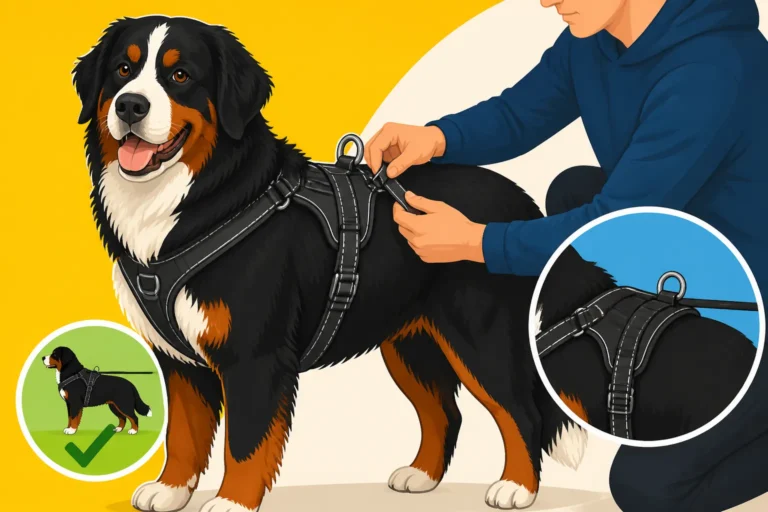
Whether a Bernese Mountain Dog Makes a Therapy Dog
Many people dream of sharing their gentle giant, their beloved Bernese Mountain Dog, with others in need, envisioning them bringing comfort and joy as a therapy dog. However, while Berners certainly possess many admirable qualities, the path to becoming a certified therapy animal requires careful consideration of their unique breed traits, potential health challenges, and the rigorous training involved. This guide will help you understand if your furry companion has what it takes, and what the journey might entail.
Understanding the Bernese Mountain Dog Temperament for Therapy Work
Bernese Mountain Dogs are renowned for their sweet, affectionate, and docile nature. These are the very qualities that often draw people to the breed and make them seem like natural candidates for therapy work. But dig a little deeper, and you'll find nuances in their temperament that are crucial to consider for such a demanding role.
The Inherent Gentleness and Affectionate Nature
At their core, Bernese Mountain Dogs are gentle souls. They thrive on companionship and are deeply bonded with their families. This innate desire to be close to people, often expressed through their characteristic "Berner lean," can be incredibly comforting to individuals in hospitals, nursing homes, or schools. They typically possess a calm demeanor, which is paramount in environments where sudden movements or loud barking would be detrimental. Their steady, unruffled presence can act as a grounding force, helping to de-escalate anxiety and create a peaceful atmosphere. They often seem to intuitively know when someone needs a gentle nudge or a quiet presence. This natural empathy is a huge asset.
However, this gentleness can also come with a certain sensitivity. Berners are not typically dogs that do well with harsh corrections or loud, intimidating training methods. They can shut down, become worried, or even develop a reluctance to engage if they feel stressed or unfairly treated. A therapy dog needs to be resilient and confident, not easily spooked by new sights, sounds, or smells. While many Berners have this confidence, some may require extra positive reinforcement and gentle exposure to build their composure in varied environments.
Potential for Reserved Behavior and Shyness
While often friendly, Bernese Mountain Dogs are not always outgoing with strangers from the get-go. Many possess a natural reserved quality, a characteristic that harks back to their working dog roots where they might have been observant but not overly effusive with unfamiliar faces. For a therapy dog, this means early and extensive socialization is absolutely critical. A Berner who shrinks from new people or places, even if not aggressive, simply won't be effective in a therapy setting. They need to genuinely enjoy meeting new individuals and being handled by them, regardless of age, appearance, or behavior.
It’s important to distinguish between being calm and being timid. A calm dog is confident and relaxed in various situations, while a timid dog might appear calm because they are shutting down out of fear or uncertainty. Therapy work requires the former. If you have a Socializing a Reserved Bernese Mountain Dog Puppy, you'll know that consistent, positive experiences with a wide variety of people, environments, and even unusual objects (like wheelchairs or crutches) from a young age are non-negotiable. Without this foundation, their natural reserved tendencies can escalate into shyness or even fear, making them unsuitable for therapy visits where they'll encounter many different stimuli.
Training and Socialization Essentials for a Bernese Mountain Dog Therapy Dog
Even with the most perfect temperament, no dog is born a therapy dog. It takes dedicated training, consistent socialization, and a deep partnership with their handler to reach the required standards. For a Bernese Mountain Dog, this journey has its unique considerations.
Foundational Obedience and Advanced Manners
The very first step for any aspiring therapy dog is a rock-solid foundation in basic obedience. Commands like "sit," "stay," "down," "come," and "leave it" are non-negotiable. But for a hundred-pound dog, these need to be more than just parlor tricks; they must be reliable under distraction. Imagine your Berner in a busy hospital hallway with carts rolling by, beeping machines, and unfamiliar smells. They need to respond instantly and reliably to your cues. A comprehensive online program, like those offered by BAXTER & Bella, can be incredibly helpful for structured home training, providing guidance on how to build these skills effectively and progressively.
Beyond the basics, advanced manners are crucial. This includes loose-leash walking, especially important for Leash Manners on a Hundred Pound Bernese Mountain Dog, ensuring they don't pull you or knock over fragile patients. They must be comfortable with gentle handling, allowing strangers to pet them all over, including their ears, tail, and paws. They should be able to ignore food dropped on the floor (the "leave it" command is golden here) and remain calm even when exciting things happen around them. A key skill is Teaching a Bernese Mountain Dog to Settle on a mat or beside their handler for extended periods, as therapy visits often involve quiet time. They must also be accustomed to being approached by people with different gaits, using mobility aids, or making unexpected noises.
Exposure to Diverse Environments and Stimuli
Socialization for a therapy dog goes far beyond meeting other dogs at the park. It means exposing your Bernese Mountain Dog to every conceivable scenario they might encounter during a therapy visit. This includes hospitals, nursing homes, schools, libraries, and busy public places. Think about the sights: medical equipment, wheelchairs, walkers, IV poles, bright lights, dim rooms. Think about the sounds: alarms, intercoms, crying babies, excited children, quiet whispers, sudden laughter. Think about the smells: disinfectants, medications, food, perfumes. Your Berner needs to be calm and unfazed by all of it.
This process must be gradual and positive. Start with short, low-pressure visits to quiet areas. Always reward calm behavior generously. Carry a supply of high-value treats (easily found on Amazon, along with various training aids like long lines and treat pouches) and use them to create positive associations with new experiences. It's not just about tolerating these environments, but truly being comfortable and happy within them. Remember, a Berner’s naturally reserved nature means they may take longer to adjust to new situations, and pushing them too hard can be counterproductive. Patience and consistency are your best friends here.
The Practicalities and Challenges of Therapy Dog Work for a Bernese
While the emotional benefits of a Bernese Mountain Dog in a therapy setting are clear, their physical characteristics and typical lifespan present practical challenges that prospective handlers must realistically address.
Physical Size and Mobility Considerations
A Bernese Mountain Dog is a large, powerful animal, often weighing over 100 pounds. This size, while comforting, also means careful management is required. They might unintentionally knock over a frail person or intimidate someone who is nervous around large dogs. Training them to approach gently, to "visit" rather than "jump," and to be mindful of their body in tight spaces is paramount. Their signature "lean" is charming at home but must be controlled in a therapy setting to avoid unbalancing a patient or caregiver. The Bernese Mountain Dog That Leans on Everyone can be sweet, but it needs to be managed for safety.
Furthermore, Berners are predisposed to Joint Disease in a Hundred Pound Bernese Mountain Dog, such as hip and elbow dysplasia. These conditions can significantly impact their mobility and comfort, especially as they age. A therapy dog needs to be physically sound and comfortable to perform their duties. Regular vet check-ups, appropriate nutrition, and maintaining a healthy weight are vital. It's heartbreaking to imagine a dog suffering from discomfort while trying to bring joy to others. If your Berner starts to slow down or show signs of pain, their therapy dog career might need to be re-evaluated for their own well-being. Understanding Whether a Bernese Mountain Dog Hides Discomfort is crucial for their long-term welfare.
Managing Grooming, Shedding, and Temperature Sensitivity
Bernese Mountain Dogs have a magnificent, thick double coat that sheds considerably, especially during seasonal blows. While beautiful, this means a therapy Berner requires meticulous grooming to be clean and presentable for visits. Patients in healthcare settings, particularly those with compromised immune systems or allergies, need to be in contact with a clean dog. Regular brushing, bathing, and even occasional professional grooming are essential to minimize shedding and maintain hygiene. This is a significant time commitment, as you're not just grooming for looks, but for health and safety.
Their thick black coat also makes them highly susceptible to overheating, especially in warmer climates or indoors in poorly air-conditioned environments. Heat and the Bernese Mountain Dog's Black Coat means handlers must be constantly vigilant about temperature. A therapy dog cannot be lethargic or panting excessively during a visit; they need to be comfortable and engaged. This might mean restricting visits to cooler parts of the day, using cooling vests, or avoiding certain facilities altogether if the temperature cannot be controlled. Their comfort directly impacts their ability to provide effective therapy.
The Realistic Expectation of Lifespan and Commitment
One of the most challenging realities of owning a Bernese Mountain Dog is their shorter average lifespan compared to many other breeds. While every dog is an individual, The Average Age a Bernese Mountain Dog Reaches is often between 7 to 8 years. This means that if you start training a Berner puppy for therapy work, their active career might be relatively brief. This isn't a reason not to pursue therapy work, but it's an important factor to consider when thinking about the long-term commitment.
Becoming a therapy team takes years of dedication. You build a bond, gain experience, and find your rhythm together. Knowing that this special partnership might have a shorter timeline than with a longer-lived breed can be emotionally difficult, but it's a reality that must be faced. It simply means cherishing every moment and maximizing the time you have together making a difference.
Assessing Your Bernese Mountain Dog's Suitability and Next Steps
Deciding if your Bernese Mountain Dog is truly cut out for therapy work involves honest self-assessment, professional evaluation, and a commitment to ongoing effort. It's a journey, not a destination.
What the Temperament Test Asks
Most reputable therapy dog organizations require a temperament test to assess a dog's suitability. This isn't just a basic obedience test; it's designed to see how your dog reacts to a variety of situations they might encounter during visits. The Temperament Test a Therapy Bernese Mountain Dog Passes will typically evaluate:
- Reaction to strangers: Can your dog calmly accept petting from multiple strangers, including those with unusual appearances (hats, glasses, beards) or movements?
- Response to distractions: How does your dog react to loud noises, dropped objects, excited greetings, or sudden movements? Do they startle and recover quickly, or do they become anxious or reactive?
- Gentle interaction: Can your dog interact gently with people of all ages, including children who might be clumsy, and the elderly who might be frail? This includes accepting awkward petting or being approached from behind.
- Acceptance of handling: Can your dog be gently restrained or examined, similar to a vet visit? Handling a Bernese Mountain Dog at the Vet is a good indicator of their comfort with being handled by strangers.
- Handler control: Can you maintain control of your Bernese Mountain Dog on a loose leash, even in distracting environments? Do they follow your commands reliably?
- Reaction to other dogs: Can your dog remain calm and non-reactive around other dogs, especially if they are also therapy dogs or pets in a facility?
It's vital that your Berner not only passes these tests but genuinely enjoys the process. A dog that is merely tolerating the experience isn't truly suited for therapy work, as it could lead to stress for them over time.
The Importance of a Strong Handler-Dog Bond
Ultimately, a therapy dog is only as good as the team they form with their handler. Your bond with your Bernese Mountain Dog is the foundation of successful therapy work. Your dog must trust you implicitly and look to you for guidance and reassurance in new situations. You need to be able to "read" your dog, understanding their subtle cues of stress, fatigue, or excitement, and know when it’s time to take a break or end a visit.
This bond develops through consistent, positive training and spending quality time together. It’s about mutual respect and understanding. Being a therapy team requires significant time commitment for training, regular visits, and ongoing practice to keep skills sharp. It's not a one-time certification, but a continuous journey of learning and service together. If you find yourself enjoying the training and the new experiences as much as your Berner does, then you’re likely on the right track. Consider seeking out local therapy dog groups; they often offer informal practice sessions where you and your Berner can gain valuable experience in a supportive environment before official testing.
Disclaimer
This article is for general informational purposes only and does not constitute professional advice. Laws, prices and regulations vary by location and change over time. Consult a qualified professional for guidance on your specific situation.