The Bernese Mountain Dog That Cannot Bear Being Left
It’s a heartbreaking sight to come home to a house in disarray, or worse, to hear from neighbors that your beloved Bernese Mountain Dog has spent the entire day howling and barking. Many Berner parents face the crushing guilt and frustration of knowing their gentle giant struggles deeply with being left alone. This comprehensive guide is here to help you understand why your Bernese Mountain Dog might be experiencing separation anxiety, how to identify the signs, and most importantly, what steps you can take to alleviate their distress and foster a greater sense of security.
Understanding the Roots of Separation Distress in Berners
The Bernese Mountain Dog's very essence is rooted in companionship and work alongside humans. These aren't dogs bred to be solitary; their history and inherent traits make them profoundly connected to their people. When that connection is suddenly broken, even for a short period, it can trigger deep-seated anxiety.
The Berner's Innate Need for Companionship
Imagine their ancestors in the Swiss Alps, not just as working farm dogs pulling carts of milk or cheese to market, but as integral members of the farm family. They were companions, protectors, and reliable partners, always within sight or sound of their human counterparts. This close bond is hardwired into their DNA. Modern Bernese Mountain Dogs still carry this legacy, thriving on interaction and feeling like a core part of the family unit. When we expect them to suddenly switch off that instinct and be perfectly content on their own for hours, it can be a massive emotional ask. They literally crave your presence because that’s what they were bred to do – be with you. This intense need for company is a big part of The Kind of Home a Bernese Mountain Dog Belongs In.
Temperament Traits That Contribute
Beyond their historical role, specific temperament traits in Berners can exacerbate separation issues. They are often described as "Velcro dogs," known for their unwavering devotion and desire to be near their people. This isn't just a cute quirk; it's a profound aspect of their personality. They are also notoriously sensitive. A harsh word, a sudden change in routine, or a perceived abandonment can hit them much harder than it might a more independent breed. Their desire to please you is immense, but when they don't understand why you're leaving or when you'll return, that desire can twist into acute distress. This sensitivity can make Training a Bernese Mountain Dog Without Breaking It particularly important. They pick up on subtle cues, and if they sense your anxiety about leaving, it can feed their own.
Common Triggers for Separation Anxiety
Separation anxiety doesn't always appear out of nowhere. Sometimes it's a gradual creep, and other times it's triggered by a specific event. A major change in household routine, like a new work schedule where you're suddenly gone for much longer, can be a huge trigger. Moving to a new home can also unsettle them, as their familiar environment is gone. A previous negative experience, such as being rehomed or spending time in a kennel where they felt abandoned, can also lay the groundwork for severe anxiety. Even something as simple as you taking a vacation and leaving them with a sitter, then returning to your old routine, can sometimes set them back. It's not about malice or spite; it's a genuine panic response to perceived abandonment, rooted in their deep bond with you.
Recognizing the Signs: Is it Just Clinginess or Something More?
It's easy to mistake a Bernese Mountain Dog's affectionate nature for early signs of separation anxiety. They are, after all, giants who love to lean, cuddle, and follow you from room to room. But there's a distinct difference between being a "Velcro dog" and suffering from true separation distress. Understanding these distinctions is the first step toward helping your beloved companion.
Pre-Departure Cues and Anxiety Escalation
One of the clearest indicators of separation anxiety is how your Berner behaves when they sense you're about to leave. Do they start pacing, panting, or whining as soon as you pick up your keys or put on your shoes? Do they follow you frantically from room to room, trying to block your path or appear visibly distressed? This anticipatory anxiety is a hallmark. It’s not just them being excited for a walk; it’s a deep fear of what’s coming next – your departure. You might notice them trying to solicit extra attention, pawing at you, or trying to climb into your lap. For a sensitive Berner, even the most mundane pre-departure cues can trigger a significant stress response, making Leaving the House Without Upsetting a Bernese Mountain Dog a real challenge.
Destructive Behaviors and House Soiling
Perhaps the most common and frustrating signs of separation anxiety are the behaviors you discover when you return home. A dog suffering from severe separation distress isn't acting out of spite; they are trying to cope with an overwhelming panic attack. This can manifest as destructive chewing, often focused around exit points like doors and windows, or items that smell strongly of you, like your favorite cushion. They might scratch at doors until their paws are raw or chew through furniture. Another distressing sign is house soiling, even in a previously house-trained dog. This isn't defiance; it's an involuntary physical response to extreme stress, where they lose control of their bladder or bowels. Imagine being so terrified that you can't control these basic bodily functions – that's the level of fear some Berners experience.
Vocalizations and Hyper-Salivation
If you've ever recorded your Berner while you're out, you might have discovered the extent of their vocalizations. Persistent barking, howling, or incessant whining are very common. This isn't just a few barks at a squirrel; it's often sustained noise, sometimes for hours on end, a desperate cry for your return. Neighbors might confirm this, often with exasperation. Beyond sound, physical signs can include excessive drooling (hyper-salivation) or panting, even when the temperature is cool. Some dogs may even attempt to escape, leading to injuries. It’s critical to differentiate these distress signals from a dog who is simply bored or needs to go to the bathroom. A truly anxious Berner displays a cluster of these behaviors specifically when left alone, not just when they want attention or a walk.
To help distinguish between normal clinginess and the more serious symptoms of separation anxiety, consider the following:
| Behavior Trait | Normal Clinginess (Content) | Separation Anxiety (Distressed) |
|---|---|---|
| Pre-Departure | Follows, curious, might ask for pets. | Pacing, panting, whining, blocks path. |
| During Alone Time | Sleeps, chews a toy, waits calmly. | Destructive chewing (esp. exits/items), house soiling. |
| Vocalizations | Occasional bark at a noise. | Persistent barking, howling, crying. |
| Physical Signs | Relaxed body posture. | Excessive drooling, panting, trembling. |
| Destructive Behavior | Mild chewing on appropriate toys. | Damages furniture, doors, self-harm. |
| House Soiling | Holds bladder/bowels, asks to go out. | Accidents in the house, regardless of recent outing. |
| Upon Your Return | Happy greeting, then settles quickly. | Frantic, prolonged greeting, may take time to calm. |
Prevention is Key: Setting Up Your Berner Puppy for Success
When you bring home a Bernese Mountain Dog puppy, it's easy to get swept up in the adorable fluff and boundless affection. However, this is precisely the time to lay the groundwork for independence. Prevention is far easier than trying to cure full-blown separation anxiety in a hundred-pound adult dog.
Early Socialization and Exposure to Alone Time
From the moment your Berner puppy arrives, gently introduce them to the idea of being alone. This isn't about leaving them isolated; it's about building resilience. Start with very short, positive periods of separation. For example, put your puppy in a safe, puppy-proofed area or crate with a high-value chew toy, then step out of sight for a minute or two. Return before they show any signs of distress. Gradually increase this time. Exposure to various sounds, sights, and people during their critical socialization period is also vital. A well-socialized puppy is generally more confident and less likely to panic in unfamiliar situations, including when their primary caregiver is absent. Remember, consistent, calm exposure is the goal, not shock therapy. You can find many resources for puppy training, even through online platforms like BAXTER & Bella, which often include guidance on early independence.
Fostering Independence from the Start
It's tempting to let your Bernese Mountain Dog puppy follow you everywhere, and indeed, they will try! But consciously create moments of separation even when you're home. Encourage them to settle in another room while you're busy in the kitchen, or give them a special chew in their crate while you read a book nearby. The goal is for them to learn that your presence isn't the only source of comfort or entertainment. Crate training is an incredibly valuable tool here. A properly introduced crate becomes a safe, den-like space where your puppy can feel secure, rather than a place of punishment. Teach them that the crate means relaxation, offering favorite toys or a delicious stuffed Kong only when they are in there. This helps them associate being alone in their "den" with positive experiences. For more on this, look into Crate Training an Adult Bernese Mountain Dog even if starting with a puppy.
Establishing Predictable Routines
Dogs thrive on routine. A predictable schedule helps your Bernese Mountain Dog understand what to expect throughout the day, which can significantly reduce anxiety. Establish consistent times for feeding, potty breaks, playtime, and rest. If your Berner knows when they'll eat, when they'll go out, and when you'll return, it creates a sense of security. Try to structure their day so that alone time follows a period of exercise and mental stimulation, ensuring they're tired and more likely to rest rather than fret. For instance, a good morning walk or play session before you leave can make a world of difference. Even simple things, like your routine before bed, such as Whether a Bernese Mountain Dog Sleeps in the Bedroom, can contribute to their overall sense of stability and confidence. Consistency builds trust, and trust is foundational to helping a sensitive Berner cope with being alone.
Managing Mild Anxiety: Strategies for the Moderately Anxious Berner
If your Bernese Mountain Dog is showing signs of mild separation anxiety – perhaps a little whining when you leave, or some minor destructive chewing – there's a lot you can do to help. The key is to be consistent, patient, and understanding that this isn't a quick fix. We're essentially reprogramming their emotional response to your absence.
Gradual Desensitization Training
This is the cornerstone of treating separation anxiety. The idea is to teach your Berner that your departures are not something to panic about, and that you will always return. Start with short, fake departures. Go through your departure routine (pick up keys, put on coat), then don't leave. Sit back down. Repeat this several times a day. Then, start briefly stepping out the door for just a few seconds, returning calmly before your dog shows any signs of distress. Gradually increase the time you're gone – 10 seconds, 30 seconds, a minute, five minutes. The goal is to keep them under their "anxiety threshold" – the point at which they start to panic. If they show signs of anxiety, you've gone too far, too fast. This process takes immense patience, and sometimes you might only make progress in mere seconds each day. This is how you start Stretching the Hours a Bernese Mountain Dog Copes Alone.
Enrichment During Alone Time
Making alone time a positive experience is crucial. Before you leave, provide your Bernese Mountain Dog with high-value, long-lasting enrichment items. Think puzzle toys stuffed with peanut butter, frozen Kongs, or durable chew toys that will keep them engaged for a significant period. These items should ideally only be given when you are leaving and taken away when you return, making them special and associated with your departure. This helps shift their focus from the stress of your absence to the joy of a tasty treat or engaging activity. Many options for these types of toys can be found on platforms like Amazon, offering a wide variety to keep your Berner mentally stimulated. Just make sure the items are safe and appropriate for your Berner's size and chewing power, so they don't become a choking hazard.
The Power of a Calm Departure and Return
As painful as it might feel, resist the urge to make a big fuss when you leave or return. Overly dramatic goodbyes or excited reunions can inadvertently reinforce your Berner's anxiety. When you're getting ready to go, keep your movements calm and quiet. Don't engage in prolonged eye contact or emotional farewells. Simply walk out the door. When you return, ignore your Berner for the first few minutes, until they've settled down. Once they're calm, then you can offer a gentle, quiet greeting. This teaches them that your departures and arrivals are normal, non-events, not something to build intense emotional energy around. It helps normalize the situation and prevents the "burst of emotion" cycle that can feed anxiety. Remember, your calm demeanor can be incredibly reassuring to your sensitive Berner.
Addressing Severe Cases: When Professional Help is Needed
For some Bernese Mountain Dogs, separation anxiety can be debilitating, leading to extreme distress for the dog and significant challenges for the owner. In these severe instances, a multi-faceted approach, often involving professional guidance, becomes absolutely essential. It's not a sign of failure to seek help; it's a responsible and loving choice for your pet.
Consulting Your Veterinarian
The very first step when dealing with severe separation anxiety, or even moderate cases that aren't improving with basic training, should always be a visit to your veterinarian. It’s crucial to rule out any underlying medical conditions that might be contributing to or mimicking anxiety symptoms. Pain, thyroid issues, or even cognitive dysfunction in older dogs can sometimes manifest as behavioral problems. Your vet can perform a thorough physical exam and recommend tests, such as those included in The Bernese Mountain Dog Health Panel. Once medical causes are ruled out, your vet can discuss behavioral modification strategies and, if appropriate, explore pharmacological interventions. They can also refer you to a qualified professional dog behaviorist.
Working with a Certified Professional Dog Trainer or Behaviorist
For true separation anxiety, especially in severe forms, a certified professional dog trainer specializing in behavior, or a veterinary behaviorist, is an invaluable resource. These experts have the knowledge and experience to assess your Bernese Mountain Dog's specific situation, identify triggers, and develop a tailored, step-by-step modification plan. They often use positive reinforcement techniques to gradually desensitize your dog to your absence, building confidence and teaching coping mechanisms. They can also help you understand your Berner's body language and fine-tune your responses. This isn't about simply "training out" the behavior; it's about addressing the underlying emotional panic. Online courses, such as those sometimes offered by BAXTER & Bella, can provide excellent foundational knowledge and practical exercises, but for severe cases, one-on-one consultation is often best.
Medication as Part of a Comprehensive Plan
In severe cases, medication can be a critical component of a successful treatment plan, but it's rarely a standalone solution. Anti-anxiety medications, prescribed by a veterinarian, can help lower your Bernese Mountain Dog's overall anxiety levels, making them more receptive to behavioral modification training. It can break the cycle of panic, allowing them to learn and form new, positive associations with alone time. Think of it as a tool to help them think more clearly, rather than a "happy pill" that solves everything. Your vet will discuss different options, potential side effects, and the importance of combining medication with a consistent training regimen. The goal is often to use medication temporarily to facilitate behavioral changes, with a plan for gradual weaning once your Berner has developed better coping strategies. This might be a topic to discuss when considering What Oncology Bills Reach for a Bernese Mountain Dog or other substantial vet expenses, as managing separation anxiety can also incur significant costs over time.
Creating a Safe and Soothing Environment
Part of helping your Bernese Mountain Dog overcome separation anxiety involves making their solo time as comfortable and stress-free as possible. This means more than just leaving them in a room; it’s about intentionally crafting an environment that feels secure and calming.
The Comfort of a Crate or Designated Safe Space
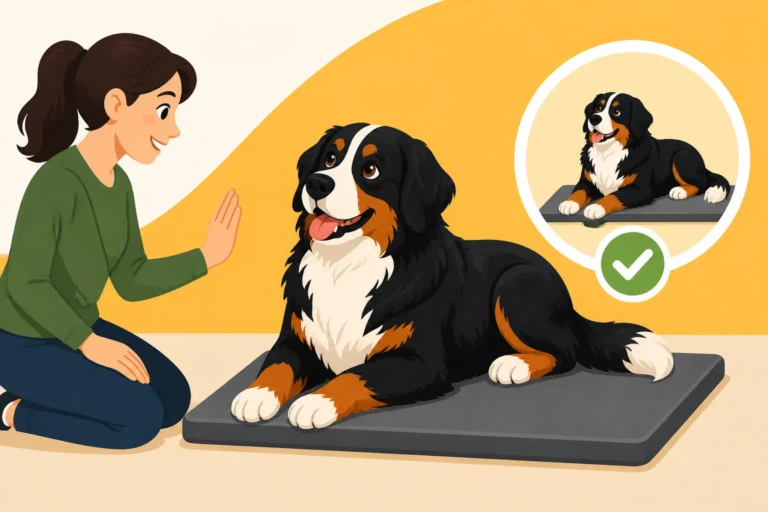
For many Berners, a properly introduced crate can become a true sanctuary. It offers a den-like feeling, a small, secure space where they can retreat and feel safe. The key is to introduce it positively, never as punishment, and ensure it's large enough for your Berner to stand up, turn around, and lie down comfortably. Cover the crate with a blanket to enhance the den effect. If your Bernese Mountain Dog is not crate-trained, or if their anxiety is so severe that they injure themselves trying to escape a crate, then a designated "safe room" or puppy-proofed area might be more appropriate. This could be a small bathroom or laundry room, stripped of anything they could destroy or injure themselves with. Place a comfortable bed, water, and appropriate enrichment toys in this space. Remember, a safe space means preventing both harm and the practice of anxious behaviors. Further insights on this can be found in Crate Training an Adult Bernese Mountain Dog.
Calming Aids and Products
The market is filled with various calming aids, and while no single product is a magic bullet, some can genuinely help take the edge off your Berner's anxiety. Pheromone diffusers, sprays, and collars emit synthetic dog appeasing pheromones (DAP), which mimic the calming pheromones a mother dog produces. Many owners report positive, albeit subtle, effects. Thundershirts or anxiety wraps apply gentle, constant pressure, similar to swaddling a baby, which can have a calming effect on some dogs. There are also calming chews or supplements available, often containing ingredients like L-theanine, tryptophan, or chamomile. Always discuss any supplements with your vet before introducing them, especially considering the potential for interactions with other medications your Berner might be taking. Many of these products are readily available on Amazon or through your local pet store, offering a range of options to try.
Background Noise and Distractions
Silence can amplify a Bernese Mountain Dog's anxiety, making every creak and distant sound feel like a potential threat. Providing background noise can help mask outside sounds and create a more comforting atmosphere. This could be a radio tuned to a classical music station (some research suggests classical music can have a calming effect on dogs), a talk radio station, or even a white noise machine. The familiar sound of human voices or gentle music can create the illusion that they're not entirely alone. Beyond noise, leaving a light on can prevent the room from feeling too stark or lonely, especially during darker hours. These small, thoughtful additions contribute to an environment that feels less empty and more secure, providing some comfort when they're left to themselves.
The Long-Term Commitment: Living with a Berner Prone to Separation Issues
Bringing a Bernese Mountain Dog into your life means understanding their needs, and for those prone to separation anxiety, it requires a significant long-term commitment. This isn't just about training; it's about making adjustments to your lifestyle and maintaining unwavering patience.
Adjusting Your Lifestyle for Your Berner
Living with a Bernese Mountain Dog who struggles with being left alone often means making some fundamental changes to your daily routine and broader lifestyle. This might involve adjusting your work schedule to be home more frequently, or even exploring options like remote work or flexible hours. Many owners find success with dog walkers who can break up long periods of alone time, or doggy daycare programs where their Berner can socialize and expend energy. For some, it means ensuring someone is always home or that a trusted friend or family member can step in. Consider that the short lifespan of a Bernese Mountain Dog, typically Why a Bernese Mountain Dog Lives Only Seven or Eight Years, means every moment of their precious time with you counts, and their emotional well-being is paramount. These adaptations are not always easy, or cheap, but they are a testament to the deep bond you share with your companion.
Patience and Consistency
There's no quick fix for separation anxiety, especially in a breed as sensitive and devoted as the Bernese Mountain Dog. Progress can be slow, measured in minutes rather than hours, and there will inevitably be setbacks. A bad day might see your Berner regress, even after weeks of progress. It's during these times that your patience and consistency are most tested. Every time you leave, you need to follow your established routine, no matter how tired or frustrated you might feel. Every time you return, you need to maintain your calm demeanor. Consistency in training, in routine, and in your emotional responses is the bedrock of success. Remember, your Berner isn't being "naughty" – they are genuinely distressed. Your steady, understanding approach is their anchor.
Celebrating Small Victories and Managing Setbacks
It’s vital to recognize and celebrate even the tiniest improvements. Did your Berner only whine for five minutes instead of ten? Did they manage to engage with their puzzle toy for a minute longer? These are huge wins! Acknowledge your efforts and their progress. Conversely, prepare for setbacks. A sudden loud noise while you're out, a change in weather, or even an unexpected visitor can sometimes trigger a regression. Don't get discouraged; simply return to an earlier, easier step in your training protocol. Understanding that this journey is often two steps forward, one step back, will help you manage your own expectations and emotional well-being. The commitment to helping a Bernese Mountain Dog with separation anxiety is profound, but the reward – a calmer, more confident companion – is immeasurable. The effort and financial investment, such as the costs outlined in Whether a Bernese Mountain Dog Is Worth the Money, become about their quality of life.
Disclaimer
This article is for general informational purposes only and does not constitute professional advice. Laws, prices and regulations vary by location and change over time. Consult a qualified professional for guidance on your specific situation.