Whether a Bernese Mountain Dog Enjoys the Obedience Ring
Many Bernese Mountain Dog owners dream of that beautiful, majestic dog performing flawlessly in the obedience ring, a picture of grace and precision. But the reality can sometimes feel… a little less perfect, shall we say? It’s completely normal to wonder if your Berner, with their unique personality and independent streak, truly enjoys the strictures of competitive obedience, or if it's more of a struggle for both of you. This guide will dive deep into what makes a Bernese tick in the training world and help you understand if the obedience ring is truly their happy place, or if other dog sports might be a better fit.
Understanding the Bernese Mountain Dog Temperament in Training
Before even considering the obedience ring, it’s vital to understand the fundamental temperament of a Bernese Mountain Dog and how it influences their approach to learning and training. They are a breed unlike many of the high-drive, fast-paced breeds often seen dominating obedience competitions, and trying to fit them into that mold without understanding their nuances can lead to frustration for both dog and owner.
The Berner's "Thinker" Personality
Bernese Mountain Dogs are often described as intelligent, but it's a different kind of intelligence than you might find in, say, a Border Collie. They aren't always about lightning-fast reactions or a burning desire to please above all else. Instead, many Berners are "thinkers"—they process information, they weigh options, and sometimes, they just decide it’s not worth their effort at that precise moment. This isn't stubbornness in a malicious sense; it's often an innate sense of self-preservation of energy or a deep consideration of what they're being asked to do. They truly think about their actions.
When you're in an obedience class, or even practicing at home, you might notice your Berner giving you a long, thoughtful look when asked to do something new or challenging. It's almost as if they're asking, "Is this really necessary? What's in it for me?" This thought process can make them seem slow to respond compared to breeds known for their frantic enthusiasm. It can be frustrating when you just want a quick heel or a snappy recall, but understanding this intrinsic thinking habit is key to working with your Berner, not against them. They're not trying to be difficult; they're simply being themselves, deliberating their next move.
This thoughtful approach also means they learn deeply once they do commit to a behavior. They might take longer to grasp a concept, but once it's in their brain, it tends to stick. The challenge for obedience lies in motivating that initial commitment and keeping them engaged through repetition, especially when the exercises become less novel and more routine. It requires a handler with immense patience and a knack for making learning a truly positive and rewarding experience every single time. Whether a Bernese Mountain Dog Learns Slowly can often be attributed to this thinking process rather than a lack of inherent intelligence.
Motivation and Reinforcement for a Bernese
What truly motivates a Bernese Mountain Dog? For many, it's not endless praise or a squeaky toy (though some certainly love their toys!). Often, the biggest motivators are high-value food, comfort, and, perhaps surprisingly, quality time and gentle affection. They thrive on connection and positive interaction with their people. This means that a harsh correction or even a stern tone can shut them down instantly, making them retreat emotionally and disengage from the training process. Their soft nature makes them particularly sensitive to criticism, which can quickly extinguish their desire to participate.
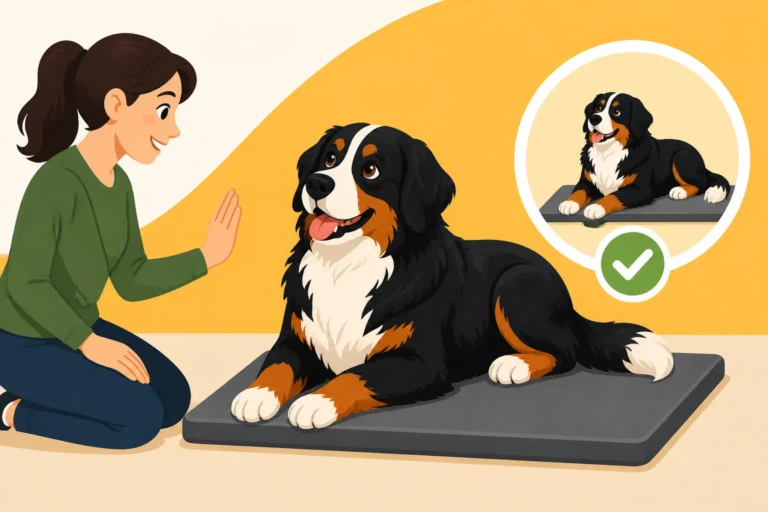
High-value treats are usually your best friend in Bernese training. Think small pieces of cooked chicken, cheese, or specialized training treats they rarely get otherwise. But beyond just treats, consider how you can make the act of training itself rewarding. Short, fun sessions that end on a high note, lots of genuine praise, and even a little cuddle or belly rub can go a long way. They respond beautifully to a calm, encouraging handler who celebrates every small success. If a Berner feels like they're failing or being pressured too much, they'll simply "check out" and decide they'd rather be doing something else entirely.
Consistency is also paramount. A Berner needs to know exactly what's expected of them, and that the rules won't change on a whim. This predictability builds trust and confidence, which are crucial for a sensitive breed in any training scenario. If you're struggling to find that consistent, positive approach, exploring online resources like BAXTER & Bella's training programs can offer structured guidance that respects a Berner's learning style, focusing on reinforcement and engagement rather than force. Remember, for a Berner, training isn't just about performing tasks; it's about strengthening their cherished bond with you. This partnership is what truly drives them. What a Bernese Mountain Dog Will Actually Work For often boils down to this deep connection.
Dealing with Sensitivity and Softness
One of the most endearing qualities of a Bernese Mountain Dog is their inherent softness and sensitivity. They are often described as "soft" dogs, meaning they don't do well with harsh training methods, loud voices, or physical corrections. If you push a Berner too hard or reprimand them too severely, they are more likely to shut down, become fearful, or simply refuse to participate, rather than trying harder to please. This contrasts sharply with some working breeds that can shake off a correction and try again with renewed vigor. A Berner internalizes criticism, sometimes to their detriment.
In the obedience ring, where precision and compliance are paramount, this sensitivity can be a double-edged sword. While their desire to please you is strong, their delicate emotional makeup means that even perceived pressure can cause them distress. Imagine being in a bustling trial environment, with judges watching, other dogs barking, and the general hum of activity – for a sensitive Berner, this can be overwhelming. A handler needs to be exceptionally attuned to their dog's emotional state, offering reassurance and making the experience as positive and low-stress as possible. The Bernese Mountain Dog That Quits After One Correction is a very real phenomenon, highlighting this unique trait and why positive training is essential.
This doesn't mean Berners can't learn or be well-behaved; quite the opposite. It simply means their training must be approached with immense patience, understanding, and entirely positive reinforcement. Building a strong, trusting relationship where your Berner feels safe and confident with you is the absolute foundation. If they feel understood and supported, they will try their best, even if their "best" isn't always as flashy or speedy as a more traditional obedience breed. Their enjoyment in the ring, or any training, hinges entirely on feeling good about the process and their bond with you.
The Bernese Mountain Dog in the Obedience Ring: Realities and Expectations
It’s crucial to distinguish between what you hope for in the obedience ring and what’s realistically achievable with a Bernese Mountain Dog. They are not bred for the same lightning-fast, high-intensity precision work as breeds like Border Collies or German Shepherds. Their history as farm dogs meant they needed to be reliable, thoughtful, and capable of independent decision-making, rather than slaves to every command. This heritage shapes their approach to formal obedience.
The Pace and Precision Demands
Competitive obedience demands a very specific kind of performance: precise heeling, immediate recalls, rock-solid stays, and rapid transitions between exercises. For many Berners, this level of robotic precision and speed simply isn't their natural gait. Their default pace is more deliberate, their turns less crisp, and their enthusiasm often more internal than outwardly demonstrative. A Bernese might perform a perfect 'sit-stay' for minutes on end, but then take a moment to consider the 'come' command before ambling over with a happy, but not urgent, wag.
Judges in obedience trials are looking for a dog that performs "briskly and with enthusiasm." While a Berner certainly has enthusiasm for life, it might not translate into the high-energy, fast-paced performance often rewarded in the ring. You might find yourself constantly encouraging them to speed up, or gently guiding them into position, which can impact your score. It’s not that they can’t do the exercises; it’s just that their inherent rhythm is different. This can be frustrating for handlers who are used to breeds that live to work at top speed. It’s important to remember that a slower pace doesn't equate to a lack of effort or love for you.
Furthermore, the repetitive nature of obedience exercises can sometimes bore a Bernese if not managed carefully. They might start to offer a slower response or even "tune out" if they feel the work is tedious. This is where truly engaging training methods come into play, keeping the sessions short, varied, and fun. It's about finding that sweet spot where they are challenged but not overwhelmed, and still feel that spark of joy. Training Sessions Short Enough for a Bernese Mountain Dog are essential to maintaining their interest and preventing burnout.
Potential Distractions and Focus Challenges
The obedience ring is a sensory smorgasbord, full of distractions: other dogs, strange smells, unfamiliar sounds, new people. For a Bernese Mountain Dog, who often loves people and is generally good-natured, these distractions can be incredibly alluring. They might decide that a friendly wag to the ring steward or a sniff of a particularly interesting patch of grass is more pressing than a perfect 'finish' to the heel. Their inherent sociability and curiosity can easily pull their focus away from the task at hand. This is not defiance, but rather their natural inclination to engage with their environment and the people within it.
While many Berners are calm and steady, their general relaxed demeanor can sometimes be mistaken for a lack of focus when, in reality, they're simply processing the environment at their own speed. Unlike some breeds that are so intensely focused on their handler that the world around them melts away, a Berner is often aware of everything. This awareness is part of their charm but can be a hindrance in a competition setting where undivided attention is key. Socializing a Reserved Bernese Mountain Dog Puppy can help them be comfortable in these environments, but not necessarily ignore them.
Building focus in a distracted environment takes immense time and effort, starting from puppyhood with careful socialization and consistent, positive reinforcement training. It's about making you the most interesting thing in the world, even more interesting than that delicious smell coming from the food vendor outside the ring. This takes patience and a deep understanding of your individual dog's triggers and motivators. A Bernese Mountain Dog That Ignores a Cue It Knows might not be ignoring you out of defiance, but rather genuine distraction or a sudden philosophical debate in their mind about the merits of the requested action versus the squirrel in the distance.
Navigating the 'Goofball' Moments
Let's be honest, Bernese Mountain Dogs have a wonderful, goofy side. They can be clumsy, playful, and utterly charming in their antics. This is part of why we love them! However, these "goofball" moments, while adorable at home, aren't typically rewarded in the precise world of obedience trials. A sudden bout of zoomies, an unexpected sprawl in the middle of a recall, or a spontaneous lean against your leg during a group stay can quickly lead to lost points. They're not trying to be disruptive; they're just being themselves, full of joy and sometimes a little unaware of their own size or the solemnity of the occasion.
It’s not uncommon for a Berner, especially a younger one, to suddenly decide that the rules of gravity or conventional movement no longer apply. They might leap into a ‘down’ with a resounding thud, or offer a wildly enthusiastic but crooked ‘retrieve’. These moments often stem from their joyful spirit and youthful exuberance, rather than a lack of understanding or respect for commands. They're just being Berners! The challenge for obedience handlers is to channel that energy and joy into a more controlled, focused performance without dampening their wonderful spirit. This requires a delicate balance.
Understanding that these moments are part of their breed identity helps a handler manage expectations and find humor in the occasional lapse. It reinforces the idea that competing with a Berner in obedience is often more about the journey, the bond, and the personal bests than it is about championship titles. You're celebrating your Berner, in all their glorious, sometimes clumsy, brilliance. This shift in perspective can make all the difference in whether you both enjoy the experience. The Bernese Mountain Dog Adolescent Stage is a prime time for these goofy antics, and patience is key.
Maximizing Enjoyment and Success for Your Berner in Obedience
If your heart is set on the obedience ring with your Bernese Mountain Dog, don't despair! While it presents unique challenges, success and enjoyment are absolutely possible. It simply requires a tailored approach that plays to their strengths and respects their nature, allowing them to thrive on their terms.
Building a Strong Foundation with Positive Methods
For a Bernese, a solid foundation built on trust and positive reinforcement is non-negotiable. This means starting early, using rewards-based training (high-value treats, genuine praise, appropriate toys), and making every interaction a positive one. Avoid any methods that involve force, intimidation, or harsh corrections, as these will quickly erode your Berner's confidence and willingness to participate. They need to feel safe, confident, and eager to learn with you, seeing training as a rewarding partnership.
Consider enrolling in a good puppy class and then beginner obedience classes that emphasize positive methods. Look for trainers who understand large, sensitive breeds and who prioritize building a strong, joyful relationship between dog and handler. The early lessons should focus on making training a fun game, building a strong recall through positive association, and teaching basic manners in a variety of environments. This strong start provides the mental and emotional framework for more advanced obedience work. Whether a Bernese Mountain Dog Is Easy to Train often depends entirely on the method used, with positive reinforcement being the most effective.
Consistency in your daily life also contributes significantly. Reinforce good behaviors around the house, practice short training bursts throughout the day, and celebrate every small victory. The more confident and connected your Berner feels with you in everyday situations, the more likely they are to shine in a more formal setting. Investing in resources like those from BAXTER & Bella can help establish these positive habits from the very beginning, setting a wonderful precedent for all future training endeavors.
Keeping Training Sessions Fun and Engaging
The key to keeping a Berner interested in obedience is to make it genuinely fun. Short, frequent training sessions are far more effective than long, drawn-out ones that lead to boredom or fatigue. Aim for 5-10 minute bursts, several times a day, rather than one 30-minute slog. Keep the energy positive, use varied rewards, and always end on a successful note, even if it's just a simple 'sit' they already know perfectly. This leaves them wanting more, rather than dreading the next session.
Incorporating play into your training can also work wonders. A quick game of tug or fetch after a successful heel pattern can re-energize your Berner and remind them that training isn't all serious work. Vary your locations – practice in your backyard, at a local park, or even a quiet pet-friendly store (if allowed). This helps generalize behaviors and makes them less dependent on a specific environment, preparing them for the varied sights and sounds of a trial. You can find a vast array of engaging training treats and durable toys on Amazon that can help keep your Berner's attention during these varied sessions.
Think about why your Berner might enjoy an exercise. If they love to carry things, make the retrieve a highlight. If they love being close to you, emphasize the heel. Tailoring the training to their natural inclinations, even within the confines of obedience exercises, can make a huge difference in their willingness and enthusiasm. The goal is to make them associate the obedience ring with joy and partnership, not pressure or boredom.
Managing Handler Expectations and Embracing Imperfection
Perhaps the most important factor in a Bernese Mountain Dog's enjoyment and success in the obedience ring lies with the handler's expectations. If you go into it expecting a flashy, high-scoring performance on par with a Border Collie, you're likely to be disappointed and, more importantly, put undue pressure on your Berner. Instead, embrace the journey for what it is: an opportunity to bond, learn, and grow together, celebrating every step along the way.
Celebrate the small victories. Did your Berner hold a stay for longer than last time, even if they wiggled a little? Fantastic! Did they offer a happy, if slightly meandering, recall? Great job! Reframe your definition of "success" to be about effort, engagement, and the deepening of your relationship, rather than just points on a score sheet. A happy Berner trying their best is always a winner in my book, regardless of what a score sheet says. This perspective shift is crucial for your own enjoyment and for your dog's.
Understand that your Berner's "off days" are just that—off days. Don't take it personally if they seem less engaged or more distracted. Acknowledge their natural pace and allow them to be a Bernese. Your patience, understanding, and unwavering positive attitude will be far more beneficial than any strict adherence to perfect form. After all, the joy of a Bernese Mountain Dog isn't just in what they do, but in who they are. Whether a Bernese Mountain Dog Is Stubborn often comes down to this difference in expectation versus reality, where a "stubborn" dog is often just a dog being true to its breed.
Beyond the Obedience Ring: Other Avenues for Bernese Mountain Dogs
While some Berners truly take to the obedience ring with gusto, many find their true calling in other activities that align more closely with their natural instincts and physical capabilities. If competitive obedience feels like a constant uphill battle, or if you simply want to explore other ways to bond and work with your magnificent dog, it might be worth exploring these alternatives.
Draft Work and Their Natural Instincts
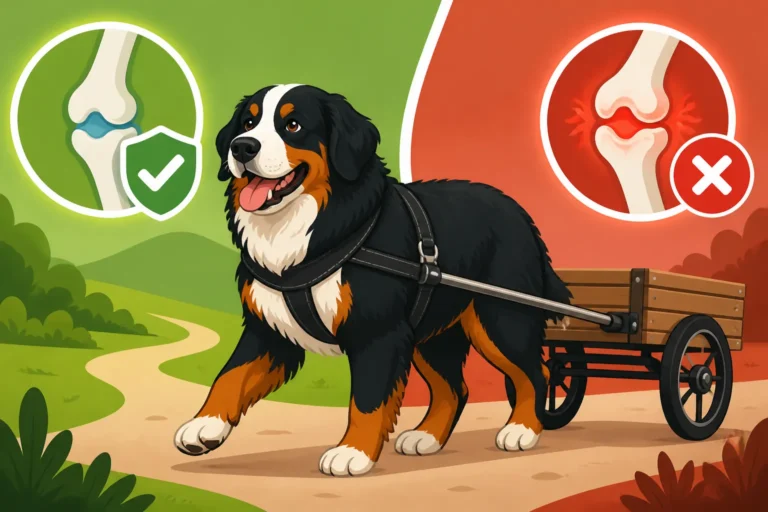
One of the most historically accurate and fulfilling activities for a Bernese Mountain Dog is draft work, or carting. This breed was originally developed to pull carts, often carrying milk or other farm goods to market in the rugged Swiss Alps. This work taps into their inherent strength, steady temperament, and desire to be useful. It's a fantastic way to engage both their minds and bodies in a way that feels natural and deeply satisfying to them. They were made for this kind of work, and it shows in their enthusiasm.
Draft work involves teaching your Berner to wear a specialized harness and pull a cart, initially empty, and then gradually adding weight as they build strength and confidence. It's a team effort, requiring communication and trust between dog and handler, but it's a very different kind of precision than obedience. It focuses on steady movement, direction, and responding to cues while actively working. Most Berners take to it with great enthusiasm, often displaying a joyful pride in their work, carrying themselves with purpose and dignity. What Drafting Meant for a Swiss Bernese Mountain Dog provides a wonderful historical context for this activity, showcasing its intrinsic value to the breed.
Many regional Bernese Mountain Dog clubs offer draft training classes and trials, providing an excellent community and structured environment to learn. You'll find that the slower, more purposeful pace of draft work often suits the Berner temperament far better than the fast-paced, high-pressure demands of traditional obedience. Plus, the sight of a beautiful Berner pulling a cart is truly magnificent and evokes their heritage.
Therapy Work and Their Gentle Nature
Given their calm, gentle, and affectionate nature, many Bernese Mountain Dogs excel as therapy dogs. Their imposing size, combined with their soft demeanor, makes them wonderfully comforting companions for people in hospitals, nursing homes, schools, or crisis situations. They have an innate ability to connect with people, offering solace and quiet companionship without demanding anything in return. Their presence alone can be incredibly healing.
Therapy dog certification programs focus on temperament, reliability, and basic manners, rather than intricate obedience routines. They assess a dog's ability to remain calm in various settings, accept petting from strangers, and tolerate unusual sounds or equipment. These are all areas where a well-socialized Berner naturally shines. Their characteristic leaning behavior, often seen as an affectionate nuisance at home, becomes a comforting gesture in a therapy setting, offering a physical connection that many people crave.
If your Berner thrives on human interaction and has a naturally placid disposition, therapy work could be an incredibly rewarding path for both of you. It allows them to use their innate kindness for a truly meaningful purpose, bringing joy and comfort to countless individuals. The preparation for therapy work still involves good basic obedience, but the emphasis is on reliable, calm behavior rather than speed or flashy execution. The Temperament Test a Therapy Bernese Mountain Dog Passes outlines the specific criteria that align perfectly with the Berner's natural gifts.
Rally Obedience and Canine Good Citizen
If you still enjoy the structure of obedience but find the traditional ring too demanding for your Berner's personality, Rally Obedience might be a perfect compromise. Rally is a dog sport where dog and handler navigate a course of numbered stations, each with a sign indicating a different obedience exercise to perform. The key difference from traditional obedience is that handlers are allowed to talk to, encourage, and praise their dogs throughout the course, providing continuous positive feedback.
This constant communication and positive reinforcement are exactly what a Bernese Mountain Dog thrives on. It takes some of the pressure off, allowing for a more fluid and enjoyable experience. The exercises are still based on fundamental obedience cues, but the atmosphere is generally more relaxed and encouraging. It’s a wonderful way to continue honing your Berner's skills in a fun, supportive environment without the rigid precision of traditional obedience, truly fostering a partnership.
Similarly, working towards a Canine Good Citizen (CGC) title is an excellent goal. The CGC test assesses ten basic manners and socialization skills, proving your dog is a well-behaved member of the community. It focuses on practical, real-world skills like walking politely on a leash, sitting politely for petting, and remaining calm around distractions. These are skills every Berner should have, and achieving the title is a fantastic way to celebrate their good citizenship without the intensity of competitive obedience. Whether a Bernese Mountain Dog Is Right for You is often determined by their ability to pass tests like the CGC.
| Activity | Berner Suitability | Key Skills/Temperament | Primary Motivation for Berner | Potential Challenges for Berner |
|---|---|---|---|---|
| Traditional Obedience | Moderate | Precision, speed, focus, strict compliance | Handler praise, high-value treats | High pressure, repetition, distractions, speed demands |
| Draft Work | High | Strength, steadiness, teamwork, purpose-driven | Being useful, working with handler | Physical conditioning, specialized equipment, initial training |
| Therapy Work | High | Calmness, friendliness, reliability, gentle nature | Human interaction, offering comfort | Maintaining composure in novel settings, sometimes overwhelming attention |
| Rally Obedience | High | Basic obedience, handler-dog communication, enthusiasm | Handler encouragement, fun, partnership | Some repetition, focus in distracting crowds |
| Canine Good Citizen | High | Basic manners, socialization, real-world skills | Sense of accomplishment, positive reinforcement, community integration | Distractions, novel situations, meeting strangers politely |
Ultimately, whether a Bernese Mountain Dog enjoys the obedience ring depends on the individual dog, their personality, and the handler's approach. Some Berners, with the right encouragement and tailored training, absolutely shine. Others might find the environment and demands less fulfilling, preferring activities that tap into their historical purpose or natural affinity for people. The most important thing is to listen to your dog, observe their enthusiasm, and choose activities that bring genuine joy and a strong bond to both of you. There are so many wonderful ways to connect and work with your magnificent Berner; the obedience ring is just one of many options.
Disclaimer
This article is for general informational purposes only and does not constitute professional advice. Laws, prices and regulations vary by location and change over time. Consult a qualified professional for guidance on your specific situation.