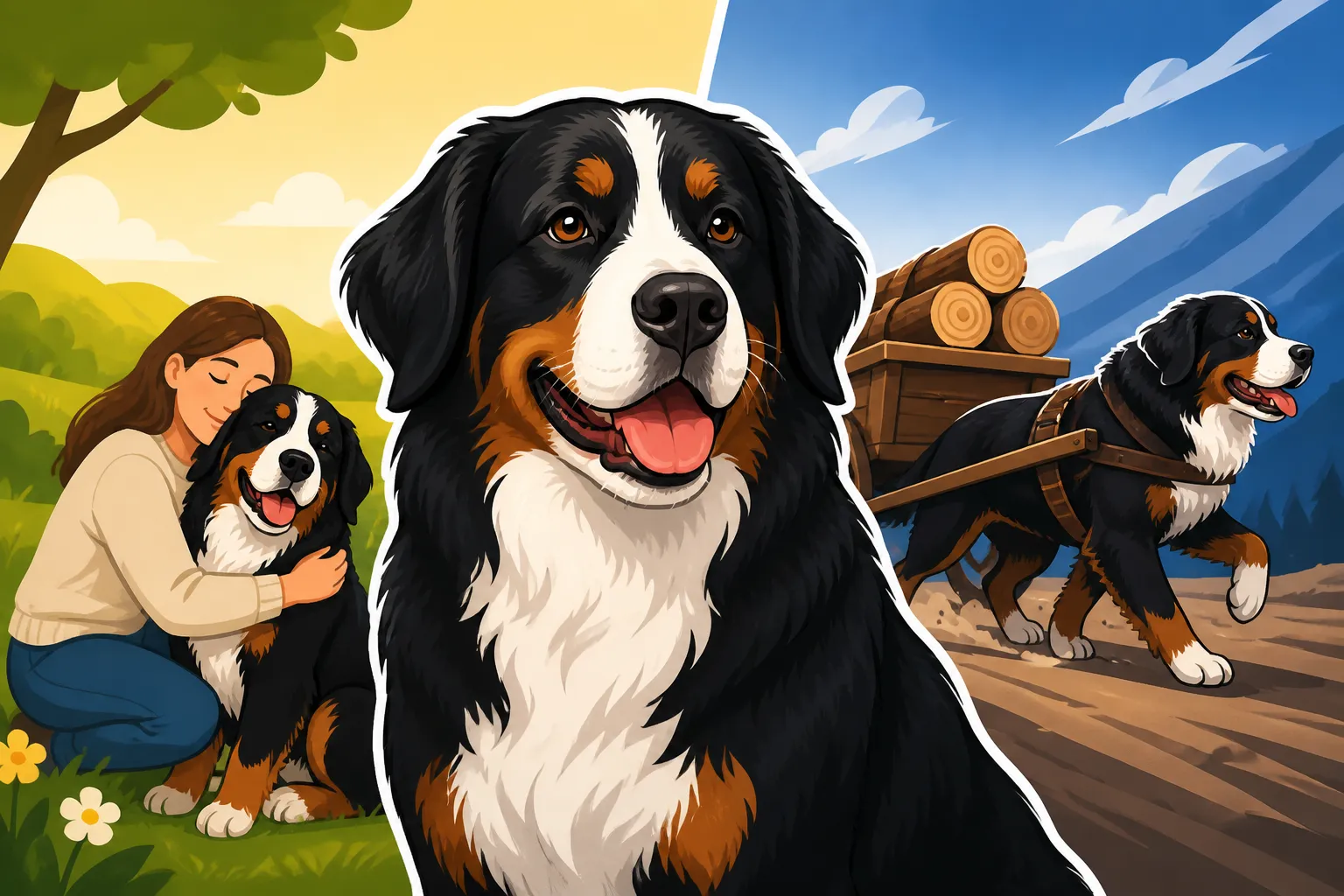
What Drafting Meant for a Swiss Bernese Mountain Dog
Many Bernese Mountain Dog owners admire their dog's impressive strength and gentle nature, often without fully realizing how deeply these beloved traits are tied to their ancestors' demanding lives in the Swiss Alps. Understanding the historical role of drafting for a Swiss Bernese Mountain Dog isn't just a fascinating peek into the past; it reveals the very essence of what makes these dogs who they are today, shaping their physical capabilities, innate desire to work, and even their calm, steady disposition. This guide will explore the profound meaning of drafting for the breed, from their origins to how this heritage continues to influence them.
The Historical Roots of the Bernese Mountain Dog as a Working Breed
Before they were cherished family companions gracing our homes and social media feeds, Bernese Mountain Dogs were indispensable working animals. Their very existence was intertwined with the agricultural life of the Swiss countryside, a heritage that speaks volumes about their inherent capabilities and temperament.
Life in the Rugged Swiss Alps
Imagine the Swiss Alps centuries ago: small, self-sufficient farms nestled in valleys, often isolated by snow and challenging terrain. There were no highways, no heavy machinery, and certainly no Amazon delivery trucks bringing goods to your doorstep. Life was physically demanding, and every member of the household, human and animal alike, had to contribute to survival. This was the world that shaped the Bernese Mountain Dog. Farmers relied heavily on their animals for various tasks, and strong, intelligent, and biddable dogs were crucial. These dogs weren't just pets; they were partners in labor, integral to the daily operations of these often remote farms. The challenges of the environment — steep hills, harsh winters, and the need to transport goods over distances — necessitated a dog of remarkable stamina and power. If you're curious about their specific origins, you might enjoy learning more about The Swiss Valley the Bernese Mountain Dog Comes From.
The Vital Role of Sennenhunds on Farms
The Bernese Mountain Dog is one of four "Sennenhund" breeds, all originating from the Swiss Alps and traditionally associated with dairying and herding. The term "Sennenhund" itself translates roughly to "Alpine herdsman's dog," hinting at their diverse responsibilities. On these farms, dogs were expected to perform multiple roles: guarding the farm and livestock, helping to drive cattle, and perhaps most famously, pulling carts. They were generalists, not specialists, which required a high degree of intelligence, adaptability, and a willingness to work alongside their human companions. This multi-faceted role meant that only the most reliable and physically capable dogs were valued and bred, further solidifying the traits we admire in Bernese Mountain Dogs today.
What Drafting Truly Meant for the Berner
Drafting, or carting, wasn't a recreational activity for the historical Bernese Mountain Dog; it was a fundamental aspect of their job description, a task critical to the economic survival of their human families. This work fundamentally shaped their physical and mental attributes.
From Milk Carts to Market Loads
Perhaps the most iconic image of a working Bernese Mountain Dog is one confidently pulling a milk cart. In an era before motorized transport, these dogs were the local delivery service. Farmers, often women and children, would load fresh milk, cheese, and other farm produce into sturdy, two-wheeled carts, and the Bernese Mountain Dog would reliably pull these goods down winding mountain paths to local markets or collection points. This wasn't a short stroll; it could involve miles of strenuous effort, navigating uneven terrain in all weather conditions. The ability to pull a significant load, steadily and without fuss, was paramount. This tradition is so central to their history that we have a whole article dedicated to Milk Carts Bernese Mountain Dogs Pulled. It wasn't just milk, though. They also hauled feed, firewood, tools, and sometimes even children. This essential function provided a direct and tangible benefit to the farm, solidifying the dog's irreplaceable status.
More Than Just Pulling: An Integrated Farm Dog
While drafting was a primary function, it was far from their only one. Bernese Mountain Dogs were truly integrated farm dogs. They helped with cattle droving, moving herds from pastures to barns, a task that required a good understanding of livestock and a calm, commanding presence. They served as vigilant guardians, alerting farmers to intruders or predators, but without the aggressive tendencies that might make them unsuitable for other duties. Their loyalty and protective instincts made them natural family dogs, often seen playing with children or acting as companions. The combination of strength, biddability, and a protective yet gentle nature made them perfect for this demanding environment. Their days were filled with varied tasks, all contributing to the well-being of the farm and family, making them true partners in every sense of the word. Want to know more about their day-to-day? Check out What a Bernese Mountain Dog Did on a Swiss Farm.
The Equipment and Training of a Traditional Swiss Draft Dog
The success of a Bernese Mountain Dog in drafting wasn't just about their inherent strength; it was also about the right equipment and careful, consistent training from a young age. These practices forged a capable and willing working partner.
Simple Harnesses and Sturdy Carts
Traditional drafting equipment was, by necessity, robust and practical. The harnesses were typically made of leather, designed for comfort and efficient weight distribution over the dog's powerful chest and shoulders, rather than pulling from the neck. These harnesses allowed the dog to lean into the weight of the cart, utilizing their full body strength. The carts themselves were simple, often wooden, two-wheeled vehicles, built for durability and stability over rough ground. They varied in size depending on the specific task, from smaller carts for daily milk delivery to larger ones for heavier loads. The focus was on functionality, ensuring the dog could work effectively and safely without injury. While you might not find antique Swiss carts on Amazon today, you can certainly find modern, high-quality draft harnesses and carts designed for today's enthusiasts.
Passing Down the Skills: Early Socialization and Instruction
Training a Bernese Mountain Dog for drafting wasn't a formal, classroom-style affair. It was an apprenticeship, often starting when the dog was a puppy, learning by observation and gentle guidance alongside older, experienced dogs. Socialization was key, exposing puppies to the sights and sounds of the farm, the presence of livestock, and the activity of the market. They learned to be calm, focused, and responsive to their handler's commands. The Age a Bernese Mountain Dog Can Start Drafting is an important consideration, as proper physical development is crucial. Early training would involve getting the puppy comfortable with wearing a harness, then gradually introducing them to light objects, then an empty cart, and eventually increasing loads. Patience, positive reinforcement, and a strong bond between dog and handler were the cornerstones of this traditional training, fostering a dog that was eager to please and reliable in its work. If you're looking to teach your own Berner, Teaching a Bernese Mountain Dog to Pull a Cart can offer great insights, and platforms like BAXTER & Bella provide structured online courses that can guide you through the process.
How Drafting Forged the Modern Bernese Mountain Dog
The demanding work of drafting didn't just utilize the Bernese Mountain Dog's natural abilities; it actively shaped the breed, selecting for and reinforcing the physical and temperamental traits that define them today.
Strength, Stamina, and a Gentle Resolve
The physical demands of pulling carts over varied terrain meant that only robust, powerfully built dogs could truly excel. This history explains why the breed standard emphasizes a "sturdy frame" and a strong, muscular build, particularly in the chest and hindquarters. They needed the sheer power to get heavy loads moving and the endurance to sustain that effort over long distances. But it wasn't just brute force. A good draft dog also needed an unwavering resolve – the ability to push through discomfort and keep going, even when the path was difficult. This inner strength is often seen in their calm demeanor and steady gait. This physical prowess is deeply ingrained, and you can delve into The Sturdy Frame a Bernese Mountain Dog Standard Describes for more detail on their ideal conformation.
The Instinct to Work and Partner with Humans
Beyond physical attributes, drafting cultivated crucial temperamental traits. A dog pulling a cart needed to be biddable, responsive to commands, and trustworthy enough to navigate busy market squares without becoming agitated. This required a dog with a stable, confident, and good-natured temperament. Aggression, skittishness, or stubbornness would have been detrimental to the work and likely selected against. As a result, Bernese Mountain Dogs today possess a strong desire to be involved with their human families and often display a keen eagerness to please. This isn't just a charming personality quirk; it's a direct legacy of generations of dogs who partnered closely with humans in essential tasks. This desire to work and connect with people is one reason why many Berner owners find immense satisfaction in activities that tap into this ancestral drive, reinforcing that Whether a Bernese Mountain Dog Enjoys Pulling is often a resounding yes.
Connecting Modern Berners to Their Draft Heritage
Even though most Bernese Mountain Dogs no longer pull milk carts to market, their innate capabilities and desires, forged by generations of drafting, remain strong. Many owners find immense joy and fulfillment in engaging their Berners in activities that honor this historical role.
Drafting as a Contemporary Sport
For many Bernese Mountain Dog enthusiasts, drafting has transitioned from a necessity to a cherished sport and hobby. Organizations like the Bernese Mountain Dog Club of America (BMDCA) host draft tests where dogs demonstrate their ability to pull carts, follow commands, and work cooperatively with their handlers, reflecting the original purpose of the breed. These events provide a fantastic outlet for a Berner's natural instincts and physical capabilities, offering both mental and physical stimulation. Owners often invest in specialized Carts and Harness for a Drafting Bernese Mountain Dog to participate, which can be found through dedicated suppliers or online marketplaces like Amazon. Training for these events is a wonderful bonding experience and gives a purpose to your dog's inherent drive. If you're wondering about the training journey, Building a Bernese Mountain Dog's Fitness for Draft Work is an excellent resource.
Here's a quick comparison of historical vs. modern drafting:
| Aspect | Traditional Swiss Drafting | Modern Recreational Drafting |
|---|---|---|
| Purpose | Economic necessity (transport goods, farm labor) | Sport, hobby, physical/mental enrichment, heritage preservation |
| Typical Loads | Milk, cheese, firewood, farm tools, produce | Weights for competition, children, groceries, garden supplies |
| Training Style | Apprenticeship, observation, practical farm learning | Structured classes, positive reinforcement, obedience commands |
| Equipment Focus | Durability, functionality for rugged terrain, basic materials | Ergonomics, safety, specialized harnesses, variety of cart types |
| Motivation | Survival, integral part of family's livelihood | Enjoyment, bonding, achievement of titles, breed preservation |
The Enduring Legacy in Temperament and Build
Beyond formal drafting events, the legacy of their working past is evident in everyday life with a Berner. Their desire to be close to their people, often leaning against you or following you from room to room, is a manifestation of their deeply ingrained partnership with humans. Their natural strength makes them excellent hiking companions, capable of carrying their own pack, echoing their historical role in transporting goods. The breed standard, which describes their ideal physical form and temperament, is a direct reflection of the qualities needed for this demanding work. Knowing this history helps us appreciate their unique qualities even more, allowing us to provide them with enriching lives that honor their ancestral calling. Understanding The Bernese Mountain Dog Breed Standard can help you recognize these traits. When you consider How Much Weight a Bernese Mountain Dog Should Pull, you truly grasp the power that lies within their gentle hearts. This historical context enriches the bond we share with these magnificent dogs, turning every walk and shared activity into a nod to their remarkable past.
Disclaimer
This article is for general informational purposes only and does not constitute professional advice. Laws, prices and regulations vary by location and change over time. Consult a qualified professional for guidance on your specific situation.