Whether Amputation Buys a Bernese Mountain Dog Time
Finding out your beloved Bernese Mountain Dog has a cancerous tumor on a limb is one of the most heartbreaking moments a dog owner can face. The shock, the fear, and the immediate scramble for solutions can be overwhelming. As you grapple with the devastating news, questions about treatment, quality of life, and precious time become paramount. This guide aims to shed light on a difficult question many Berner families encounter: whether amputation truly buys a Bernese Mountain Dog time when facing limb cancer.
Understanding the Devastating Reality: Bone Cancer in Bernese Mountain Dogs
When a veterinarian delivers the news of a suspected limb tumor in a Bernese Mountain Dog, it's often a race against time. These large, magnificent dogs are unfortunately prone to certain aggressive cancers, and a mass on a leg can signal some of the most challenging diagnoses.
Osteosarcoma: A Common Culprit in Large Breeds
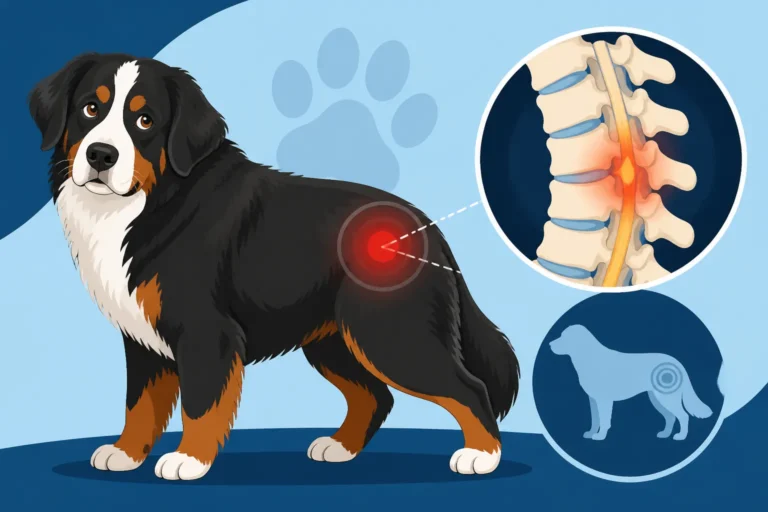
For many large and giant breeds, including our beloved Berners, osteosarcoma is a chillingly familiar term. This aggressive bone cancer typically affects the long bones of the limbs – the humerus (upper front leg), radius/ulna (lower front leg), femur (upper back leg), or tibia (lower back leg). It's a cruel disease because it not only causes immense pain but also spreads rapidly to other parts of the body, most commonly the lungs, making prognosis often grim. The first sign you might notice is a subtle lameness, perhaps dismissed as a sprain, which then progresses to a noticeable limp and swelling around the affected bone. The speed at which it can develop, seemingly overnight, leaves many owners reeling. Understanding the potential for metastasis is key to any treatment decision, as it dictates the long-term outlook far more than the primary tumor itself.
The Insidious Nature of Histiocytic Sarcoma
While osteosarcoma is prevalent, Bernese Mountain Dogs also have a unique, heartbreaking predisposition to Histiocytic Sarcoma in a Bernese Mountain Dog. This is a systemic cancer that can manifest in various forms, including affecting the bone, mimicking osteosarcoma. Unlike osteosarcoma, which primarily starts in the bone, histiocytic sarcoma can originate from immune cells (histiocytes) and appear in multiple organs, including the spleen, lymph nodes, lungs, and bone. When it presents in a limb, it can be particularly deceptive, sometimes mistaken for other conditions initially. This breed-specific vulnerability means that even if a limb mass isn't typical osteosarcoma, it doesn't mean it's less aggressive; often, it's a different, equally formidable foe. The challenge with histiocytic sarcoma is its aggressive nature and tendency to spread rapidly throughout the body, making early detection and intervention critical, yet incredibly difficult.
Early Signs and Diagnosis Challenges
The earliest signs of limb cancer in a Berner can be subtle and easily overlooked. A slight limp after exercise, an unusual reluctance to put weight on a paw, or a seemingly minor swelling that doesn't resolve with rest are all red flags. Given that Why a Bernese Mountain Dog is Old at Six, any persistent lameness in a mature Berner warrants immediate veterinary attention. Diagnosis typically involves X-rays of the affected limb, which can reveal characteristic changes in the bone. However, X-rays alone often aren't enough. A biopsy of the bone is usually necessary to confirm the type of cancer, differentiating between osteosarcoma, histiocytic sarcoma, or other less common tumors. Additional diagnostics like chest X-rays or a CT scan are crucial to check for metastasis, as the presence and extent of spread will heavily influence treatment options and prognosis. This comprehensive work-up, while costly, is vital for making informed decisions.
Evaluating Amputation as a Treatment Option: Is It a Lifeline or a Temporary Fix?
When the diagnosis is confirmed, and the tumor is localized to a limb, amputation often enters the conversation. It's a terrifying word for many owners, conjuring images of a disabled dog, but for many Berners, it can offer a pathway to pain relief and an extended period of good quality of life.
When Amputation is Recommended and When it's Not
Amputation is generally recommended when the limb tumor is confined to one leg, causing severe pain, and the dog has no detectable metastasis to other organs, especially the lungs. The primary goal in these cases is to remove the source of intense pain and discomfort, improving the dog's immediate quality of life. For instance, if a Berner is struggling with a painful osteosarcoma that hasn't spread, removing the entire limb can offer immense relief. However, if the cancer has already spread extensively to the lungs or other bones, amputation often becomes a more complex decision. It's not a cure for systemic cancer, and in advanced metastatic cases, the benefits of amputation might be outweighed by the stress of surgery and the limited time it might provide. Your vet and an oncology specialist will evaluate the specifics of your dog's case, including their overall health, age, and presence of other health issues, to determine if amputation is a viable and humane option.
The Goal: Pain Relief and Quality of Life
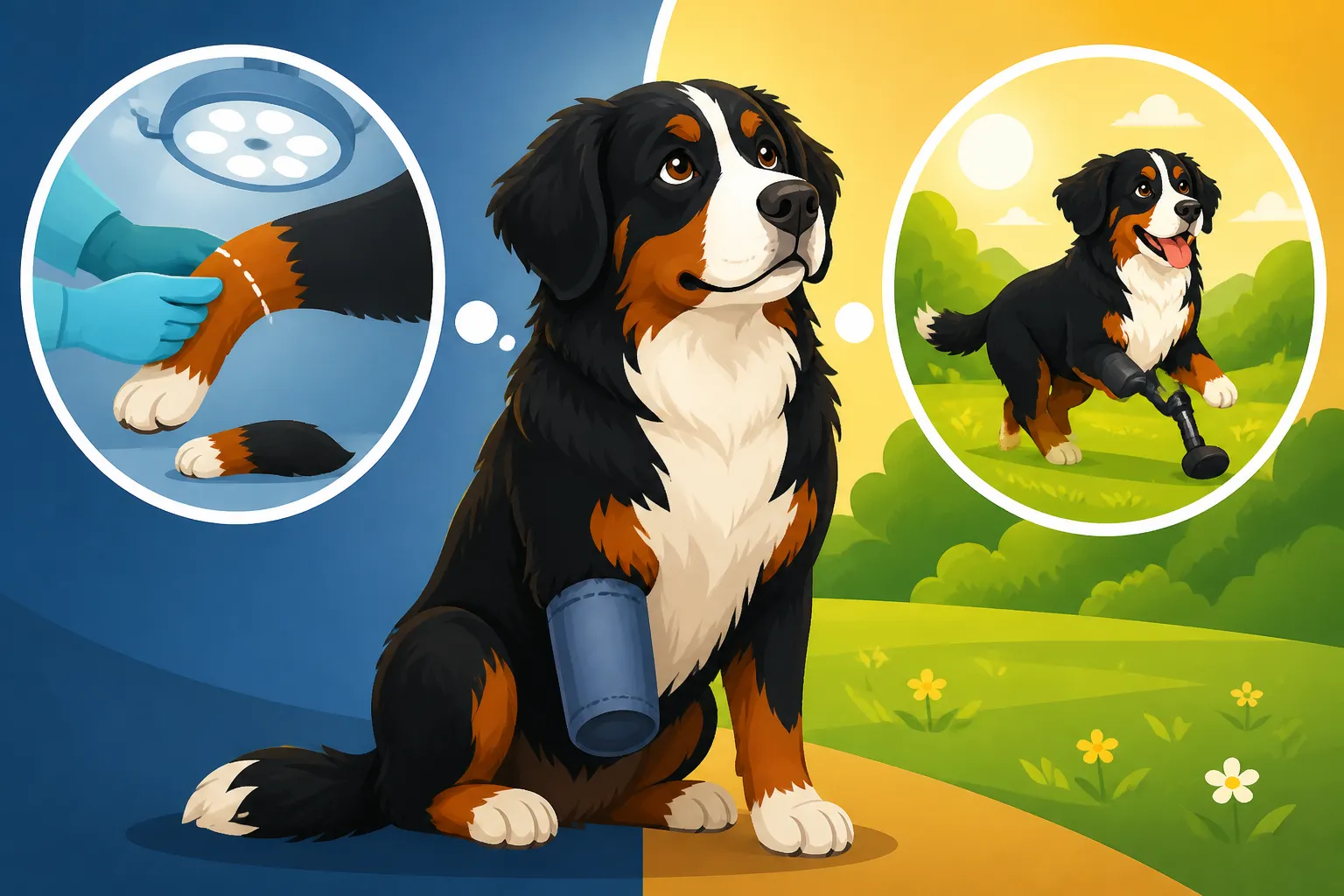
For many Bernese Mountain Dogs with painful limb tumors, the immediate and most profound benefit of amputation is significant pain relief. Imagine living with a constantly aching, deteriorating limb; removing it can be like lifting an immense burden. Dogs are incredibly resilient and often adapt to three legs with surprising speed, especially when it means being free from chronic pain. This newfound comfort allows them to enjoy walks, play, and interact with their families again, dramatically improving their daily lives. The time gained through amputation, even if it's not a full cure, is often characterized by a much higher quality of life, which is paramount for most owners. This procedure helps restore mobility and comfort, giving your Berner a renewed zest for life that was impossible with a diseased limb.
Potential for Local Recurrence and Metastasis
While amputation effectively removes the primary tumor, it's crucial to understand its limitations. For aggressive cancers like osteosarcoma or histiocytic sarcoma, amputation alone rarely offers a long-term cure because these cancers are often microscopic throughout the body even at diagnosis. This is why metastasis, the spread of cancer cells, is such a concern. In cases of osteosarcoma, microscopic spread to the lungs is almost always present, even if not visible on initial X-rays. This is why chemotherapy is often recommended after amputation to target these microscopic cancer cells and delay or prevent overt metastasis. For a Bernese Mountain Dog with histiocytic sarcoma, the disease is by nature systemic, meaning it's likely present elsewhere even if only one lesion is obvious. Amputation in these cases might provide local control and pain relief but won't eradicate the disease entirely. This is where Whether Chemotherapy Helps a Bernese Mountain Dog becomes a critical discussion. The goal isn't just to remove the visible problem, but to manage the invisible threat that remains.
Life After Amputation: Practicalities and Quality of Life Considerations
The thought of a large, heavy Bernese Mountain Dog navigating life on three legs can be daunting. However, most Berners, with proper care and support, adapt remarkably well. It's a testament to their spirit and resilience.
Adapting to Three Legs: Support and Mobility Aids
The first few weeks after amputation are a period of adjustment for both you and your Berner. They will learn to rebalance and move on three legs. While most large dogs adapt well, a Bernese Mountain Dog's size and weight can sometimes make the transition slightly more challenging, particularly if they are already dealing with Joint Disease in a Hundred Pound Bernese Mountain Dog in their remaining limbs. Providing good traction on floors (rugs, runners) is essential to prevent slips and falls during their recovery and adaptation. Many dogs benefit from mobility aids like support harnesses, which can help you assist them with stairs or getting into a car. In some cases, especially if they have underlying orthopedic issues in other legs, a custom-fitted cart (often called a dog wheelchair) might be considered, though many three-legged dogs never need one. The key is patience, encouragement, and understanding that their world has shifted, but their spirit remains strong.
Post-Operative Care and Rehabilitation
Post-operative care is critical for a smooth recovery. This involves pain management, wound care, and restricted activity for several weeks to allow the surgical site to heal. Your vet will prescribe medications to keep your Berner comfortable, and you'll need to monitor the incision for any signs of infection or complications. Once the initial healing phase is over, rehabilitation can begin. This might include gentle walks, controlled exercises, and even hydrotherapy or physical therapy to strengthen the remaining limbs and core muscles. A professional canine rehabilitation therapist can be invaluable in designing a tailored program that helps your Bernese Mountain Dog regain strength, balance, and confidence on three legs. This structured approach significantly improves their long-term mobility and overall well-being.
The Emotional Toll on Owners and Dogs
It's important to acknowledge the profound emotional impact amputation has on both dog and owner. For owners, the decision itself is agonizing, often followed by grief over the lost limb and worry about their dog's future. It's okay to feel overwhelmed; you're making a monumental decision driven by love. For your Berner, while they don't mourn the limb in the same way, the change in their body and routine can be confusing and stressful initially. They might seem withdrawn or anxious. Providing extra comfort, routine, and positive reinforcement is crucial. Remember that their bond with you is their anchor. Focus on celebrating their small victories and showering them with love, helping them feel secure and cherished during this transition. Support groups for owners of tripawd dogs can also be a wonderful resource for shared experiences and advice.
Making the Difficult Decision: Beyond the Medical Horizon
Ultimately, the decision to pursue amputation for your Bernese Mountain Dog is deeply personal, balancing medical advice with your dog's individual needs, your family's capacity, and the financial realities. There's no single right answer, only the best decision for you and your beloved companion.
Financial Realities of Advanced Cancer Treatment
Let's be candid: treating cancer in a large breed like a Bernese Mountain Dog can be incredibly expensive. Between diagnostic tests, the surgery itself, post-operative care, rehabilitation, and potentially ongoing chemotherapy, the costs can quickly escalate. What Oncology Bills Reach for a Bernese Mountain Dog can easily stretch into the tens of thousands of dollars. This is where pet insurance can be a literal lifesaver, especially if you have a comprehensive policy from providers like Healthy Paws that covers a significant portion of cancer treatments. Many owners unfortunately face the heartbreaking choice of what they can afford versus what they wish they could do. It's vital to have an open and honest conversation with your veterinary oncology team about the total estimated costs and to explore all options, including payment plans or financial aid organizations. Even with pet insurance like Healthy Paws, it's wise to understand your deductible and reimbursement rates upfront.
| Treatment Phase | Typical Cost Range (USD) | Primary Goal |
|---|---|---|
| Diagnostics (X-rays, Biopsy, Staging) | $500 – $3,000 | Confirm diagnosis, assess spread |
| Amputation Surgery | $2,000 – $6,000 | Remove primary tumor, pain relief |
| Post-operative Care | $500 – $1,500 | Pain management, wound healing |
| Chemotherapy (adjuvant) | $3,000 – $8,000+ | Target microscopic spread, extend life |
| Rehabilitation/PT | $100 – $300 per session | Improve mobility, strengthen remaining limbs |
| Palliative Care | Varies greatly | Maintain comfort, manage symptoms |
Consulting with Your Veterinary Team
Your veterinary team, including your regular vet and any specialists (oncologists, surgeons), are your most valuable resources. They can provide accurate prognoses, explain the procedures in detail, and discuss the potential outcomes specific to your Bernese Mountain Dog's case. Don't hesitate to ask every question that comes to mind, no matter how small. How long is the recovery? What's the typical survival time with and without amputation and chemotherapy? What are the risks? What will life look like for my Berner on three legs? They can help you understand the nuances of a diagnosis like The Cancer That Kills Half of All Bernese Mountain Dogs or specifically Bone Cancer Against Histiocytic Sarcoma in a Berner. A second opinion from a veterinary oncologist, if available, can also offer valuable perspective and reinforce your decision-making process. These professionals have seen countless cases and can guide you through this difficult journey, helping you to make an informed choice for your beloved companion.
Focusing on Comfort and Dignity
Ultimately, the decision comes down to what provides the best possible quality of life for your Bernese Mountain Dog for the time they have left. Sometimes, even with all the available treatments, the most loving choice is to focus on palliative care and comfort, rather than aggressive interventions. Deciding When to Stop Treating a Bernese Mountain Dog is arguably the hardest decision any owner faces. This might mean pain management, nutritional support, and ensuring every day is filled with love and joy, without the added stress of surgeries or treatments. For some Berners, especially older ones or those with significant comorbidities, a peaceful, pain-free existence at home might be preferable to a difficult recovery. There's no shame in choosing comfort and dignity above all else, and a good vet will support you in this, ensuring that the last chapter of your Berner's life is as serene and loving as possible. Planning for this eventual stage, and understanding when it's time to say goodbye, is a part of responsible ownership, no matter how much it breaks our hearts.
Disclaimer
The information provided in this guide is for general educational purposes only and should not be considered a substitute for professional veterinary advice. Always consult with a qualified veterinarian or veterinary specialist for any health concerns or before making any decisions about your Bernese Mountain Dog's care.