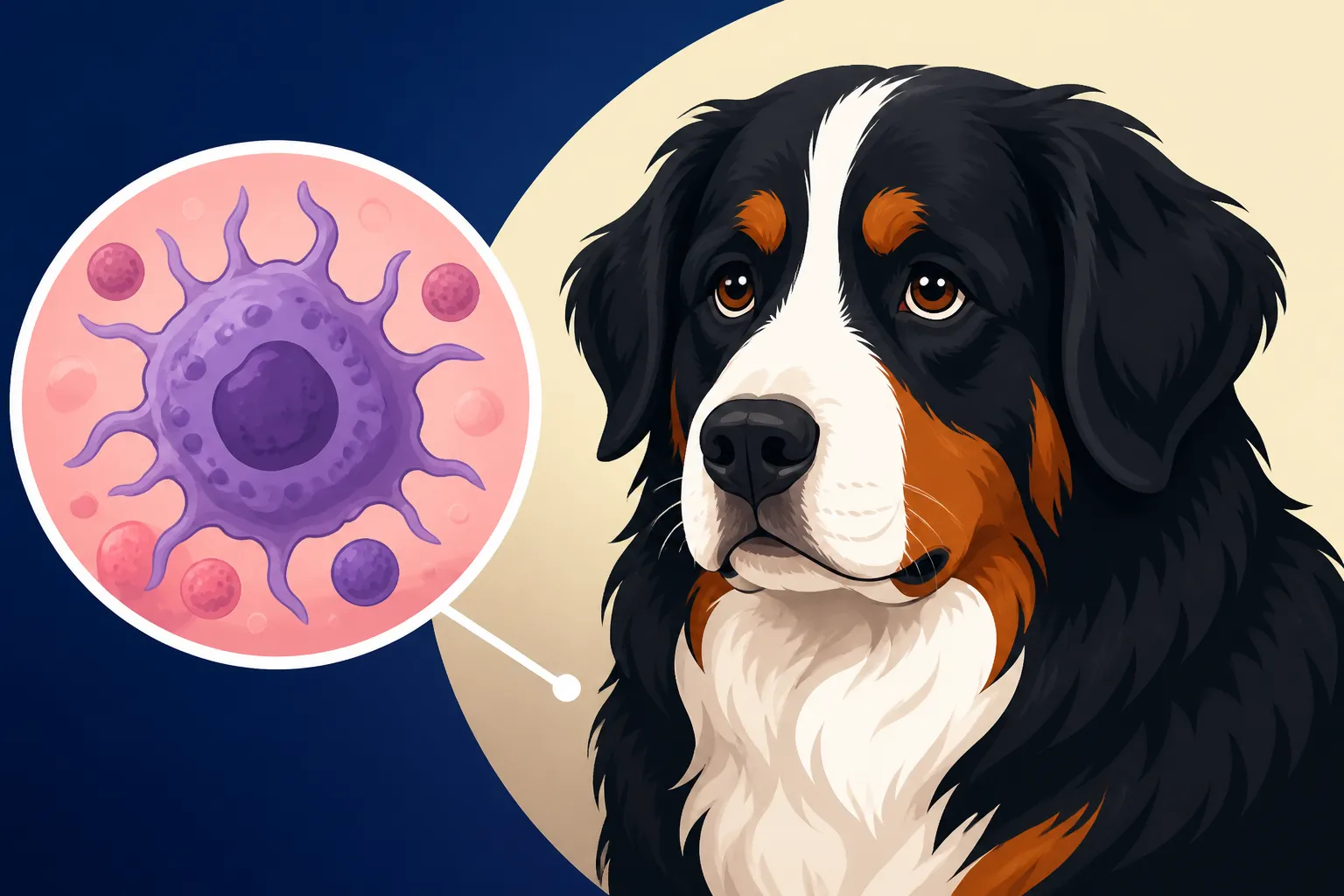
The Age Histiocytic Sarcoma Reaches a Bernese Mountain Dog
One of the most agonizing realities of loving a Bernese Mountain Dog is the heartbreaking likelihood that they will face a battle with cancer, often far too early in their lives. It's a cruel twist for a breed so full of joy and affection. Among these devastating diagnoses, Histiocytic Sarcoma stands out as a particularly aggressive and common foe. This comprehensive guide aims to shed light on the typical age this relentless disease reaches our beloved Berners, helping you understand what to watch for, when to act, and how to navigate this difficult journey.
Understanding Histiocytic Sarcoma in Bernese Mountain Dogs
It’s an unfortunate truth that when you bring a Bernese Mountain Dog into your home, you're not just welcoming a furry friend; you're also inheriting a predisposition to certain health challenges, with cancer at the top of the list. Histiocytic Sarcoma (HS) is one of the most feared names on that list for Berner owners. It’s a cancer that specifically affects histiocytes, a type of immune cell, and it can be incredibly aggressive and widespread.
A Quick Look at This Aggressive Cancer
Histiocytic Sarcoma isn't just a cancer; it's the cancer that kills half of all Bernese Mountain Dogs. That statistic alone is enough to send a shiver down any Berner parent's spine. It's not a single, confined lump that can simply be removed and forgotten. HS is often highly invasive, spreading rapidly through the body, making it notoriously difficult to treat effectively. We often see it manifest in various forms, such as localized disease affecting a single organ or limb, or a more disseminated form known as hemophagocytic histiocytic sarcoma, which can impact multiple organs like the spleen, liver, lungs, and bone marrow. The aggressive nature means that by the time overt symptoms appear, the disease can already be quite advanced, which is why early detection is so critical, yet so challenging. This isn't just a generic form of cancer; it's a specific, virulent type that targets this beautiful breed with unsettling frequency.
Why Berners Are Particularly Vulnerable
The sheer prevalence of Histiocytic Sarcoma in Bernese Mountain Dogs isn't a random occurrence; it's deeply rooted in their genetics. It's one of the primary reasons why a Bernese Mountain Dog lives only seven or eight years on average. Generations of breeding practices, often focusing on temperament and appearance, inadvertently concentrated these genetic predispositions within the breed. Researchers have identified certain genetic markers that are more common in Bernese Mountain Dogs affected by HS, strongly suggesting a heritable component. It's a frustrating paradox: these dogs are bred for their magnificent presence and loving personalities, yet they carry a genetic ticking clock. This breed-specific vulnerability means that what might be a rare cancer in other breeds is a grim reality for roughly one in four Bernese Mountain Dogs with Histiocytic Sarcoma. It's not just a bad stroke of luck; it's a fundamental part of the breed's genetic makeup, a burden that breeders and owners grapple with constantly.
The Typical Age of Onset for Histiocytic Sarcoma
One of the most common questions, and often the most dreaded, for Bernese Mountain Dog owners is: "When should I start worrying?" Unfortunately, with Histiocytic Sarcoma, the answer often brings a profound sense of unfairness, as the disease tends to strike when our beloved companions are still in what should be their prime.
The Heartbreaking Reality of Early Diagnosis
The bitter pill to swallow with Histiocytic Sarcoma is that it typically reaches a Bernese Mountain Dog between the ages of four and seven years old. Think about that for a moment: your majestic, happy-go-lucky Berner, who still acts like a giant puppy, might be diagnosed with an aggressive cancer when they’ve barely shed their youthful exuberance. This age range is particularly cruel because it falls right in the middle of what we consider their most active, vibrant years. They're past the clumsy puppy stage, fully mature, often in peak physical condition, and deeply integrated into the family. Receiving this diagnosis at such a young age can feel like a punch to the gut, robbing both dog and owner of precious time together. For many, it's the first time they truly understand why the Bernese Mountain Dog dies younger than other giants. It's not uncommon for a dog to be diagnosed at five or six, leaving families with far less time than they ever anticipated with their cherished companion. This isn't an "old dog" disease; it's a devastating, mid-life blow.
Variation in Age of Onset and Progression
While the 4-7 year window is a common trend, it's important to remember that it's not a hard and fast rule. Some Berners, tragically, can be diagnosed even younger, perhaps as early as two or three years old, though this is less common. Conversely, a few may not show signs until they are much older, perhaps nine or ten, reaching an age that makes them one of the rarer Bernese Mountain Dogs that reach twelve. These older diagnoses, however, often come with the bittersweet realization that the dog has defied the odds for a while.
What's particularly harrowing is not just when it appears, but how fast Histiocytic Sarcoma moves in a Bernese Mountain Dog once it's diagnosed. This isn't a slow, lingering illness in most cases. The progression can be startlingly rapid, with symptoms worsening over weeks or even days. One day, your dog might seem a little off, and within a few weeks, the disease can take a severe turn. This swift progression means that the window for intervention, and even just for coming to terms with the diagnosis, can be incredibly narrow. Understanding this variable timeline, both for onset and progression, underscores the urgency of observation and early veterinary consultation.
Recognizing Early Signs and Symptoms at Any Age
Because Histiocytic Sarcoma can strike relatively young and progress quickly, recognizing its subtle early signs is paramount. The challenge is that many initial symptoms are vague and can be easily attributed to other, less serious conditions, or simply dismissed as a dog "having an off day."
Subtle Clues That Can Be Overlooked
The first signs of Histiocytic Sarcoma in a Bernese Mountain Dog are often insidious, creeping in almost unnoticed. Owners might observe a general lethargy or decreased enthusiasm for walks or play. Your usually bouncy Berner might be a bit more reluctant to get up, or seem tired more quickly during exercise. You might notice a subtle change in appetite, maybe skipping a meal here and there, or just not eating with their usual gusto. Weight loss, often gradual and sometimes masked by their thick coat, can also be an early indicator. A persistent, unexplained cough or difficulty breathing might signal lung involvement, while limping or lameness, especially if it seems to shift from one leg to another, could point to bone or joint involvement. This is where the disease gets particularly tricky: a limping Bernese Mountain Dog could simply have an injury or arthritis, common in large breeds. However, with the knowledge of HS prevalence, any persistent lameness, even seemingly minor, warrants investigation.
Other subtle signs might include unexplained fever, swollen lymph nodes (which are often overlooked or mistaken for other issues), or even a general dullness in their normally bright eyes. Sometimes, it's just a "gut feeling" that something isn't quite right with your dog. As Bernese Mountain Dogs are masters at hiding discomfort, it's crucial to trust your instincts and pay close attention to any changes in their routine, energy levels, or behavior, no matter how small they seem.
The Importance of Vigilance and Early Veterinary Intervention
Given the often aggressive nature of HS and its early onset, vigilance from owners is your Berner's first line of defense. Every single subtle change should be noted. Keep a journal of any new behaviors or symptoms, when they started, and how long they lasted. This detailed information can be invaluable to your veterinarian. If your Bernese Mountain Dog starts displaying any of the aforementioned symptoms, even if they seem minor or come and go, it's crucial to schedule a vet visit promptly. Don't wait for things to get severe. Explain your concerns specifically about the breed's predisposition to Histiocytic Sarcoma.
During these visits, be an advocate for your dog. If you notice a persistent limp, for example, even if it's intermittent, discuss whether a limping Bernese Mountain Dog should be scanned. Your vet might suggest baseline bloodwork or imaging even if the symptoms are non-specific. Early detection, even if it only buys a few more precious months, can significantly impact quality of life and treatment options. It’s also wise to consider comprehensive pet insurance, like plans from Healthy Paws, early in your dog's life. While they won't cover pre-existing conditions, having a policy in place before any symptoms appear can provide immense financial relief if advanced diagnostics and treatments become necessary down the line for unexpected illnesses like HS.
Diagnostic Challenges and the Road to Confirmation
The path to a definitive Histiocytic Sarcoma diagnosis can be frustratingly complex. Because the early signs are so general, vets often start by ruling out more common ailments, leading to a journey that can be emotionally and financially taxing.
Why Diagnosing HS Can Be Tricky
One of the biggest hurdles in fighting Histiocytic Sarcoma is its elusive nature when it comes to diagnosis. As mentioned, the initial symptoms are often vague and can mimic many other conditions. A dog with a limp might be treated for a sprain or arthritis, delaying the discovery of bone or joint HS. A cough might be attributed to allergies or kennel cough. General lethargy and weight loss could be a symptom of anything from parasites to a simple dietary issue. This broad overlap of symptoms means that veterinarians often have to perform a series of tests to narrow down the possibilities.
Furthermore, Histiocytic Sarcoma does not always show up clearly on initial X-rays, especially in its early stages or when affecting soft tissues. So, whether Histiocytic Sarcoma shows on an X-ray largely depends on its location and progression. A localized bone lesion might be visible, but widely disseminated forms in the spleen or lungs might be missed on standard radiographs. This means that a clean X-ray doesn't necessarily rule out HS, which can lead to false reassurance and further delays in diagnosis. It takes a keen eye, an understanding of breed predisposition, and often more advanced imaging to truly pinpoint this disease.
The Role of Advanced Diagnostics
When initial tests are inconclusive or suspicions remain high, veterinarians will typically recommend more advanced diagnostic procedures. These can include:
- Ultrasound: To examine internal organs like the spleen, liver, and lymph nodes for abnormalities or masses.
- CT Scans or MRI: These provide much more detailed cross-sectional images than X-rays, allowing vets to visualize tumors in organs, bones, and soft tissues more clearly, and to assess the extent of the disease.
- Biopsy: This is the gold standard for confirming a diagnosis of cancer. A tissue sample is taken from the suspicious area and examined by a veterinary pathologist. The biopsy that confirms a Bernese Mountain Dog's diagnosis can be done through fine-needle aspiration, core biopsy, or surgical removal, depending on the location and accessibility of the suspected tumor. This step is crucial because it not only confirms cancer but also identifies the specific type, which guides treatment.
- Bone Marrow Aspirate: If hemophagocytic HS is suspected, a bone marrow sample might be taken to look for abnormal histiocytes.
These advanced diagnostics are not only stressful for you and your Berner, but they can also be quite expensive. This is precisely why having pet insurance, especially from a reputable provider like Healthy Paws, can be a game-changer. An unexpected CT scan or a series of biopsies can quickly rack up thousands of dollars in bills, and knowing you have support can help you make medical decisions based on what’s best for your dog, rather than solely on your budget. When considering pet insurance for a breed like the Bernese Mountain Dog, it's particularly important to evaluate which insurers cover Bernese Mountain Dog cancer and the annual limits on such policies.
Managing and Coping with a Bernese Mountain Dog's HS Diagnosis
Receiving a diagnosis of Histiocytic Sarcoma is devastating. The next steps involve understanding treatment options, their limitations, and focusing on your beloved Berner's comfort and quality of life.
Treatment Options and Their Limitations
Once a Bernese Mountain Dog is diagnosed with Histiocytic Sarcoma, the conversation inevitably turns to treatment. Unfortunately, due to the aggressive nature of HS, complete cures are rare. The goal of treatment is typically to extend life and maintain a good quality of life for as long as possible. Common approaches include:
- Chemotherapy: This is often the primary treatment for HS, especially the disseminated forms. Drugs like Lomustine (CCNU) are frequently used, and while they can slow the progression of the disease in some cases, whether chemotherapy helps a Bernese Mountain Dog varies greatly. It's not a magic bullet, and side effects can range from mild gastrointestinal upset to more severe bone marrow suppression. The decision to pursue chemotherapy involves a careful balance between potential benefits and the impact on your dog's comfort.
- Radiation Therapy: If the HS is localized, such as a tumor in a bone or joint, radiation therapy might be an option. This can help reduce tumor size, alleviate pain, and improve local control. However, it's often used in conjunction with chemotherapy or in specific, palliative scenarios.
- Surgery: In very rare cases where the tumor is truly localized to a single, removable site (e.g., a tumor in an expendable digit or limb), surgery might be considered. However, due to the rapid spread of HS, surgery alone is usually not curative. The question of whether amputation buys a Bernese Mountain Dog time is complex; it might help if the disease is strictly confined to the limb, but often, microscopic disease has already spread.
- Palliative Care: For many Berners, especially when the disease is advanced or unresponsive to aggressive treatments, the focus shifts to palliative care. This involves managing pain, discomfort, and symptoms to ensure the dog's remaining time is as comfortable and happy as possible. This can include pain medications, anti-inflammatories, and appetite stimulants.
The financial implications of treating cancer in a Bernese Mountain Dog are substantial. Oncology bills for a Bernese Mountain Dog can easily reach tens of thousands of dollars, making pet insurance an invaluable asset, especially if you have an unlimited policy through a provider like Healthy Paws.
Supporting Your Berner Through Their Journey
Beyond medical treatments, the emotional and practical support you provide your Bernese Mountain Dog is crucial. This is a journey that will test your resilience as much as theirs.
- Prioritize Quality of Life: This means closely monitoring their happiness, comfort, appetite, and ability to engage in activities they enjoy, even if those activities need to be modified. If they love short, gentle walks, keep taking them. If they just want to cuddle on the couch, oblige them. The goal is to make every day count.
- Manage Pain: Work closely with your veterinarian or a veterinary oncologist to ensure your Berner’s pain is effectively managed. This might involve a combination of medications and complementary therapies.
- Nutritional Support: Appetite can wane during cancer treatment. Offer enticing, palatable foods, and discuss appetite stimulants with your vet if needed. Maintaining weight and energy is important.
- Emotional Support: Berners are incredibly sensitive dogs. They pick up on our emotions. Try to remain calm and positive, showering them with love and affection. Their comfort comes from your presence and reassurance.
- Making Difficult Decisions: Deciding when to stop treating a Bernese Mountain Dog and when to consider euthanasia is one of the hardest decisions any pet owner faces. This is a deeply personal choice, guided by your vet’s advice, your dog’s quality of life, and your own capacity. It's about preventing suffering and ensuring a peaceful transition. Many find solace in focusing on making the "good days" truly good, and recognizing when the bad days start to outweigh them.
It's okay to feel overwhelmed, angry, or heartbroken. Connecting with other Bernese Mountain Dog owners who have faced similar challenges can provide a vital support network. Organizations like the Bernese Mountain Dog Club of America often have resources and forums for owners dealing with health issues.
Proactive Measures and What Pet Parents Can Do
While the prevalence of Histiocytic Sarcoma in Bernese Mountain Dogs can feel like an unavoidable fate, there are proactive steps that responsible pet parents and breeders can take to try and tip the scales in favor of healthier, longer lives.
The Role of Responsible Breeding and Genetic Screening
The reality that whether cancer is bred into the Bernese Mountain Dog is a resounding "yes" is a tough pill to swallow, but it also points to a critical area for improvement: responsible breeding. Ethical breeders are acutely aware of the breed's health challenges and strive to make informed decisions to reduce the incidence of genetic diseases like HS.
Here's what goes into responsible breeding:
- Pedigree Research: Good breeders will thoroughly research the health and longevity of their breeding dogs' ancestors. They'll pay close attention to the cause of death and age of death of multiple generations, looking for lines with better longevity and lower incidence of cancer.
- Genetic Testing: While there isn't a definitive genetic test for Histiocytic Sarcoma that perfectly predicts its occurrence, researchers are constantly working on identifying markers. For example, the SOD1 test for a Bernese Mountain Dog screens for a gene mutation associated with Degenerative Myelopathy, another serious condition, but overall, genetic screening for complex diseases like cancer is still evolving. Breeders often utilize databases like Berner-Garde, which records health information, including causes of death and age of death, for thousands of Bernese Mountain Dogs. What the Berner-Garde database records is invaluable for identifying patterns and making more informed breeding choices.
- Openness and Transparency: Reputable breeders are transparent about the health history of their breeding dogs and their puppies' lineages. They will openly discuss the health challenges of the breed and provide health guarantees.
If you are considering getting a Bernese Mountain Dog puppy, choose your breeder very carefully. Ask pointed questions about cancer incidence in their lines, demand to see health clearances for hips, elbows, eyes, and heart, and ask how they screen for and address cancer risk in their breeding program. While no breeder can guarantee a cancer-free dog, a responsible breeder is actively working to minimize the risks through careful selection.
The Lifesaving Power of Regular Veterinary Check-ups
For owners, one of the most powerful proactive tools is diligent, consistent veterinary care. This isn't just about vaccines; it's about building a relationship with a vet who knows your dog and understands the breed's specific vulnerabilities.
- Bi-Annual Exams: For a Bernese Mountain Dog, especially as they approach the critical 4-7 year age range, seeing the vet twice a year with a Berner is highly recommended. These regular check-ups allow your vet to monitor your dog's overall health, catch subtle changes, and perform routine screenings.
- Comprehensive Health Panels: During these visits, your vet might recommend a Bernese Mountain Dog health panel, which includes bloodwork (complete blood count, chemistry panel) and urinalysis. While these won't directly diagnose HS, they can pick up on abnormalities that might signal underlying issues, such as anemia, elevated liver enzymes, or changes in protein levels that warrant further investigation. Baseline bloodwork for a young Bernese Mountain Dog can establish a normal range for your individual dog, making it easier to spot deviations later.
- Physical Examinations: A thorough physical exam, checking lymph nodes, feeling the abdomen, and assessing gait, is crucial. Your vet might feel a subtle lump or notice lameness that you, as an owner, might not attribute to anything serious. Lumps a Bernese Mountain Dog owner should not watch should be promptly investigated by a vet.
- Discussion of Symptoms: Always be honest and detailed with your vet about any changes you’ve noticed, even if they seem minor. Don't be afraid to voice your concerns about Histiocytic Sarcoma specifically, given the breed's risk.
The earlier any potential issue is detected, the better the chances of intervention, even if that intervention is simply making your dog more comfortable. It’s an investment in their health and, potentially, in extending the time you have with them.
| Cancer Type | Typical Age of Onset (Bernese Mountain Dogs) | Common Locations | Key Characteristics |
|---|---|---|---|
| Histiocytic Sarcoma | 4-7 years (can be younger or older) | Spleen, liver, lungs, bone marrow, lymph nodes | Highly aggressive, rapid spread, often multiple organs |
| Lymphoma | 6-8 years | Lymph nodes, spleen, liver, bone marrow, GI tract | Swollen lymph nodes, lethargy, weight loss, GI upset |
| Mast Cell Tumors | 6-10 years (can be younger) | Skin, internal organs (spleen, GI tract) | Varied appearance, can be benign or aggressive, itchy |
| Osteosarcoma (Bone Cancer) | 8-10 years | Long bones (limbs) | Lameness, swelling, severe pain, often requires amputation |
Disclaimer
This article is for general informational purposes only and does not constitute professional advice. Laws, prices and regulations vary by location and change over time. Consult a qualified professional for guidance on your specific situation.