Whether an Old Bernese Mountain Dog Still Needs Grooming
The question of whether an old Bernese Mountain Dog still needs grooming might seem straightforward, but for those of us with beloved senior Berners, it's a question loaded with nuance and genuine concern. As our big, fluffy companions enter their golden years, their needs change, and what was once a routine grooming session can become a challenge, both for them and for us. This guide will walk you through why grooming remains absolutely vital for an aging Bernese Mountain Dog, how to adapt your routine to ensure their comfort, and when it’s time to call in the professionals.
Why Grooming Stays Crucial for Senior Bernese Mountain Dogs
It's easy to think that once a Bernese Mountain Dog is past its energetic puppy and adolescent stages, and perhaps not rolling in every mud puddle it encounters, that grooming might become less frequent. But the truth is, an older Berner’s grooming needs don’t diminish; they simply change. What was once about appearance and preventing tangles becomes even more critical for their health, comfort, and overall well-being. Neglecting grooming in their senior years can lead to a host of uncomfortable, and even painful, issues that could otherwise be avoided.
The Hidden Dangers of Neglecting an Older Coat
Imagine trying to move with stiff joints, and then imagine trying to do it while your fur is matted and pulling at your skin with every step. That's a grim reality for many senior Bernese Mountain Dogs if their coats aren't maintained. Their thick double coats, which are magnificent in their prime, can quickly become a tangled mess when mobility decreases. They might spend more time lying down, leading to matting on their sides, elbows, and hindquarters. These mats aren't just cosmetic; they can pull on the skin, causing pain, irritation, and even skin infections if left unchecked. Moisture can get trapped underneath, creating a breeding ground for bacteria or fungi.
Furthermore, a neglected coat can hinder their ability to regulate body temperature. Mats reduce airflow, trapping heat against their skin in warmer months, which is particularly dangerous for a breed already susceptible to overheating. In colder weather, while you might think a thick, matted coat would be warmer, it actually loses some of its insulating properties when it's not properly brushed and aerated. It’s a silent threat that can deeply impact their quality of life. The last thing we want for our old friends is for them to be in unnecessary discomfort because of something we can prevent with regular care.
Grooming as a Health Check-Up
For an aging Bernese Mountain Dog, grooming isn't just about looking good; it's an invaluable opportunity for a hands-on health check. As we brush through their magnificent fur, we're not just removing loose hair – we're feeling their body, checking for any changes that could signal a deeper issue. Are there new lumps or bumps? This is especially critical for Berners, who are unfortunately prone to certain types of cancer. Early detection of a new growth, no matter how small, can make a significant difference in treatment outcomes. Lumps a Bernese Mountain Dog Owner Should Not Watch is a topic every Berner parent should be familiar with.
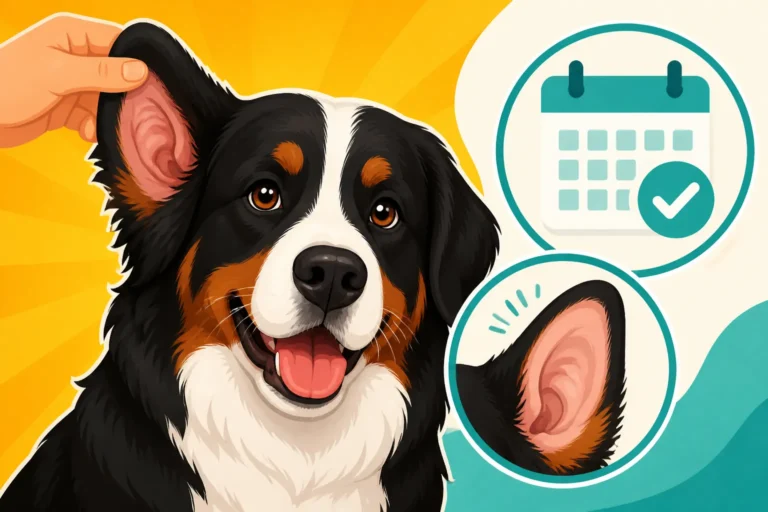
Beyond lumps, we're checking for skin irritations, redness, dry patches, or any signs of parasites like fleas or ticks that might be harder to spot in their dense coat. We can feel for changes in muscle mass, particularly over their hips and shoulders, which might indicate joint pain or muscle atrophy. Their ears need regular inspection for wax buildup, redness, or odor that could point to an infection – something older dogs might be less inclined to scratch at vigorously. And let's not forget their paws: looking for cracked pads, overgrown nails, or inflammation between the toes. These small observations during a grooming session can provide vital clues about their overall health and alert you to the need for a vet visit before a minor issue becomes a major problem. Consider adding these observations to your routine when doing The Bernese Mountain Dog Health Panel on your senior dog.
Maintaining Comfort in Their Golden Years
Our older Berners deserve to be as comfortable as possible. As they slow down, their bodies start to feel the effects of age, with conditions like arthritis becoming more prevalent. A well-groomed coat plays a huge role in their daily comfort. Mats cause pain, pulling at their skin with every movement. Keeping their coat clean and free of debris prevents skin irritation and hot spots, which can be incredibly itchy and painful. Think about how much relief a good back scratch gives you – for a Berner, a tangle-free coat is constant relief.
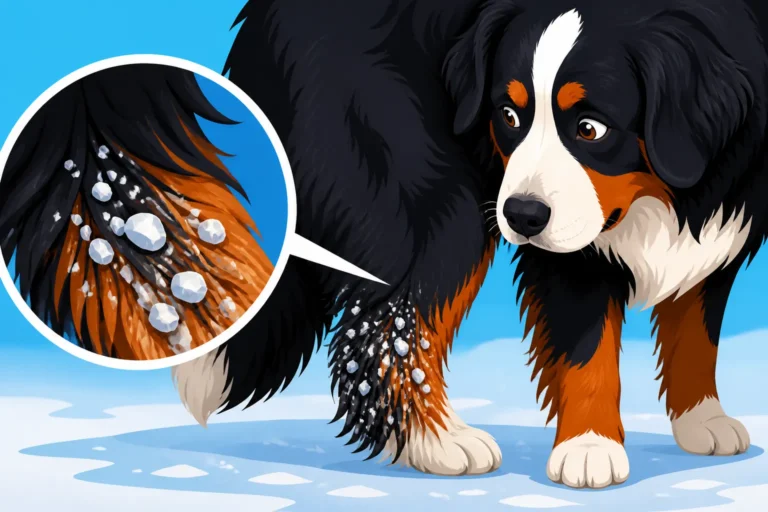
Furthermore, proper paw care is paramount. Overgrown nails can change their gait, putting undue stress on their already aching joints and making it difficult to walk on hard surfaces. Hair growing too long between their paw pads can collect dirt, pebbles, and moisture, leading to infections or making them slip and slide. Keeping these areas neat ensures better traction and reduces discomfort. Imagine trying to walk on ice when your feet are already sore – that's what neglected paws can feel like for a senior Berner. By continuing thoughtful grooming, we actively contribute to their physical ease, helping them enjoy their remaining years with dignity and less pain.
Adapting Your Grooming Routine for an Aging Berner
As our Bernese Mountain Dogs gracefully transition into their senior years, their physical capabilities shift, and so too must our approach to grooming. The robust, playful pup who once tolerated long brushing sessions with gusto might now find standing for extended periods or navigating the bath a challenging, even painful, ordeal. This doesn't mean skipping grooming; it means adapting it with extra patience, gentleness, and thoughtful adjustments to ensure their continued comfort and well-being. It’s about meeting them where they are and making the experience as positive as possible.
Gentle Brushing Techniques for Sore Joints
The sheer size of a Bernese Mountain Dog means that joint issues like arthritis are a significant concern as they age. This can make standing or shifting positions during brushing uncomfortable. The key is to make brushing sessions shorter, more frequent, and always performed in a way that minimizes strain.
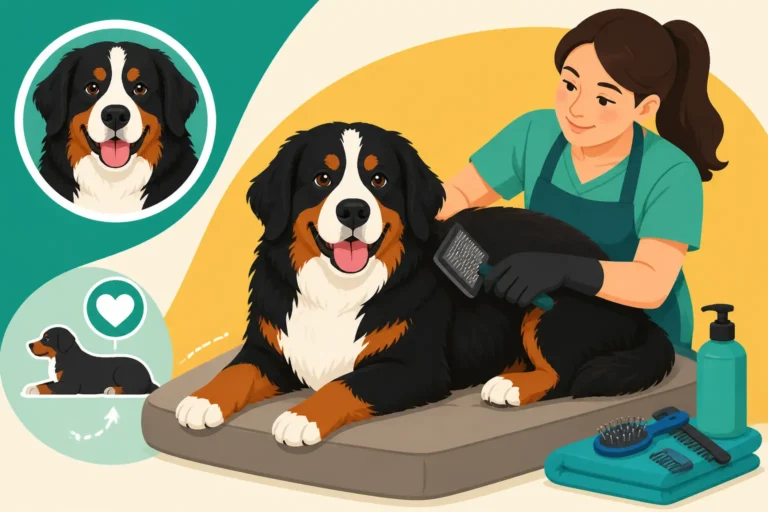
Instead of demanding they stand, consider letting your Berner lie down on a soft, supportive bed or mat, or even on a Bedding for an Arthritic Bernese Mountain Dog. This takes the pressure off their joints. Work in smaller sections, allowing them breaks if needed. Use slow, gentle strokes, and support their body if you need to maneuver them slightly. A long-handled rake or a soft-bristled brush can be easier to manage than contorting yourself. Always be mindful of their reactions; if they flinch or show signs of discomfort, stop and reassess. You might need to change your position or the direction of your brush strokes.
For especially sensitive areas or when dealing with minor tangles, a detangling spray can work wonders, making the brush glide through the hair without painful pulling. Focus on areas prone to matting, such as behind the ears, armpits, and under the tail. Regular, gentle brushing can actually become a bonding experience, a soothing massage that also keeps their coat healthy. Remember, consistency is more important than duration. Short, daily sessions are far better than one long, grueling session once a week. If your Bernese is struggling with movement, you might find more helpful tips in Living With a Bernese Mountain Dog Losing Its Back Legs.
Bathing Considerations for Reduced Mobility
Bathing a large, older Bernese Mountain Dog with reduced mobility can be quite an undertaking, but it's essential for hygiene and skin health. The biggest hurdles are often getting them in and out of the tub safely, and ensuring they can stand comfortably throughout the wash.
A non-slip mat in the tub or shower is absolutely non-negotiable to prevent slips and falls, which could cause severe injury to arthritic joints. If lifting your Berner is out of the question – and let's be honest, Grooming a Bernese Mountain Dog Too Big to Lift is a very real concern for many owners – consider a walk-in shower or even a portable dog washing station designed for large breeds. Some pet stores or professional groomers offer self-wash stations with ramps, which can be a lifesaver.
Use lukewarm water, never too hot or too cold, and a gentle, moisturizing shampoo formulated for sensitive skin. Apply shampoo sparingly and rinse thoroughly to prevent skin irritation. Avoid harsh scrubbing; instead, gently massage the shampoo into their coat. A handheld shower sprayer makes rinsing much easier, especially for their dense undercoat. Dry them thoroughly, using soft towels and, if tolerated, a low-heat blow dryer, taking care not to overheat them. Make sure they are completely dry to prevent skin issues, particularly in folds or dense areas. If you live in a hot climate, a full bath can be a good way to help them cope with Heat and the Bernese Mountain Dog's Black Coat.
Nail Trimming and Paw Care
Neglecting nail trims in senior Bernese Mountain Dogs can quickly lead to painful, overgrown nails that impact their gait, cause joint strain, and even crack or split, leading to infection. As they move less, their nails won't wear down naturally as much as they used to.
Regular, short trims are crucial. If your Berner is sensitive, consider using a Dremel-style grinder as an alternative to clippers, as it creates less pressure and can be less startling. Introduce it slowly, rewarding heavily. The sound might take some getting used to. If using clippers, make sure they are sharp. Take off small amounts frequently to avoid cutting into the quick. This is especially tricky with their often-black nails, but checking the underside for the chalky white ring of the quick can help. If you're unsure, or if your Berner is particularly anxious, a vet tech or professional groomer can perform this task.
Beyond nails, pay close attention to the hair between their paw pads. This hair can grow long, collecting debris, dirt, and moisture, which can lead to mats between the toes, irritation, or yeast infections. Carefully trim this hair flush with the paw pads using blunt-nosed scissors. Always clean their paws thoroughly after walks, especially if they've been on rough terrain or in wet conditions. Keeping their paws healthy is fundamental to their mobility and comfort.
Essential Grooming Tools and Products for Senior Berners
Just as we might invest in ergonomic tools for ourselves as we age, our senior Bernese Mountain Dogs benefit immensely from grooming tools specifically chosen to accommodate their changing needs. Investing in the right equipment can transform a potentially stressful grooming session into a comfortable, even enjoyable, routine. It’s not about buying every gadget on the market, but about selecting high-quality, gentle products that support their delicate skin, aging joints, and dense, often more fragile, coat.
Brushes and Combs That Prioritize Comfort
For a senior Berner, harsh brushing can quickly turn them off grooming altogether. The goal is efficiency without discomfort.
- Undercoat Rakes: These are essential for Bernese Mountain Dogs, regardless of age, to tackle their thick undercoat. For seniors, choose one with rounded pins or teeth to prevent scratching their sensitive skin. Use it gently, following the lay of the coat, and in short, controlled strokes. It's fantastic for removing loose fur without pulling on mats. You can find excellent options on Amazon or Chewy. This helps reduce shedding and prevents matting, which is vital for an older dog who might be less active.
- Pin Brushes with Rounded Tips: A good quality pin brush with soft, rounded pins is perfect for working through the longer topcoat and feathering. It glides through the fur, stimulating circulation without scratching. Look for brushes with flexible heads that conform to their body shape.
- Slicker Brushes (Used Sparingly): While slicker brushes are excellent for removing loose hair and breaking up tangles, they can be too harsh for an older Berner’s thinner, more delicate skin. If you use one, opt for a softer-bristled version and use it with extreme care, focusing only on matted areas and never pressing down hard.
- Wide-toothed Combs: A sturdy metal comb with both wide and medium-spaced teeth is perfect for checking your work after brushing and gently teasing out any small tangles. It's also great for feathering on the legs and tail.
Remember, the key is always a gentle hand and listening to your dog’s cues. Short, frequent sessions are always better than long, arduous ones. Maintaining their coat is crucial, so read up on Brushing Out a Bernese Mountain Dog's Undercoat.
Shampoos and Conditioners for Sensitive Skin
As Bernese Mountain Dogs age, their skin can become drier, more sensitive, or prone to allergies. Choosing the right bathing products is paramount.
- Hypoallergenic or Sensitive Skin Shampoos: Look for formulas that are soap-free, paraben-free, and fragrance-free to minimize potential irritants. Oatmeal-based shampoos are often very soothing for dry or itchy skin. Many reputable brands offer these specialized formulas, readily available through retailers like Chewy or your local pet supply store.
- Moisturizing Conditioners: A good conditioner is vital for a Berner’s double coat, especially for an older dog. It helps to hydrate the skin, soften the fur, prevent tangles, and reduce static. Apply it generously, let it sit for a few minutes to penetrate, and rinse thoroughly. This will make subsequent brushing much easier and more comfortable for your Berner.
- Leave-in Detangling Sprays: These can be a lifesaver for older Berners, particularly between baths. A quick spritz and gentle brushing can prevent mats from forming and make routine maintenance much more comfortable. Look for natural, non-irritating ingredients.
It's always a good idea to perform a patch test with new products if your Berner has particularly sensitive skin. Just because a product is labeled "natural" doesn't mean it won't cause a reaction. Regular bathing with appropriate products helps prevent skin issues, including Itching Under a Bernese Mountain Dog's Thick Coat.
Mobility Aids and Grooming Tables
Making the grooming process physically easier for both you and your senior Berner is a game-changer.
- Grooming Tables with Ramps or Adjustable Height: If your Berner can still stand for short periods, an adjustable-height grooming table with a ramp can elevate them to a comfortable working height for you, reducing strain on your back. The ramp eliminates the need for lifting, which is crucial for dogs with Joint Disease in a Hundred Pound Bernese Mountain Dog or Arthritis in a Bernese Mountain Dog by Six. Even if they primarily lie down on it, the elevation can make reaching all parts of their body easier.
- Non-Slip Mats: These are simple yet indispensable. Place them in the bathtub, on the grooming table, or even on the floor where you brush your dog. They provide stability and confidence, preventing slips that could cause pain or anxiety.
- Support Harnesses: For older Berners with significant mobility challenges, a full-body support harness or a sling designed for their hindquarters can be invaluable. It can help you gently guide them into the bath, provide support while they stand for short grooming tasks, or even assist them in getting up from a prone position. You can often find these specialized harnesses on Amazon or at pet supply stores like Chewy. Some brands like Ollie also offer specialized supplements that support joint health, which indirectly aids in their ability to tolerate grooming.
Remember, safety first. Never leave your senior Berner unattended on a grooming table, even for a second, and always use tethers to prevent falls if working at height. The goal is to create an environment where grooming is as safe, stable, and comfortable as possible.
When to Seek Professional Grooming Help
Even with the most dedicated home grooming routine and the gentlest touch, there comes a time when professional help becomes not just a luxury, but a necessity for an older Bernese Mountain Dog. There are limits to what we can safely and comfortably do at home, especially as their physical and medical needs become more complex. Recognizing these signs and seeking out a qualified professional can make a world of difference in your senior Berner's comfort and well-being.
Recognizing When Home Grooming Isn't Enough
There are several clear indicators that it might be time to bring in a professional groomer or even a veterinary technician for your senior Berner:
- Severe Matting: If your Berner has developed extensive matting, especially close to the skin, attempting to remove it yourself can be incredibly painful and risk cutting their delicate skin. Professional groomers have specialized tools and techniques to safely and efficiently remove mats, sometimes requiring a full shave-down, which is best done by an expert.
- Extreme Pain or Discomfort: If your Berner exhibits significant pain during even the gentlest brushing or handling, it's a sign that they need a more experienced hand, or perhaps even sedation in a veterinary setting. Aggression or fear during grooming can also indicate pain or a negative association, and a professional might be better equipped to handle this with patience and appropriate techniques.
- Unmanageable Nails: Black nails, common in Bernese Mountain Dogs, can be hard to trim safely, especially if they've become overgrown. If you consistently struggle to trim their nails without causing pain or fear, or if they are so long they are impacting their gait, a professional can usually get them back to a healthy length, sometimes with multiple small trims over time.
- Skin Issues You Can't Address: If you notice persistent skin redness, rashes, hot spots, or unusual odors that don't improve with your home care, a professional groomer might be able to identify the problem area and recommend a vet visit, or a vet tech can provide medicated baths.
- Safety Concerns: If you are physically unable to safely lift, support, or maneuver your large senior Berner for bathing or other tasks, or if they've become a fall risk in the tub, it's time to let someone with appropriate facilities and experience handle it. The Bernese Mountain Dog Whose Back Legs Give Out often creates situations where home grooming becomes risky.
Don't feel guilty if you reach this point. It's a sign of a responsible owner recognizing their limitations and prioritizing their dog's comfort and safety.
Finding a Groomer Experienced with Senior Large Breeds
Not all groomers are created equal, especially when it comes to giant, sometimes sensitive, senior dogs. When looking for professional help, do your research:
- Seek Referrals: Ask your veterinarian for recommendations, or talk to other Bernese Mountain Dog owners in your area. Local breed clubs are also excellent resources.
- Inquire About Experience: Specifically ask groomers if they have experience with large, senior dogs, and particularly with double-coated breeds like Bernese Mountain Dogs. Their techniques for handling mobility issues, matted coats, and sensitive skin are crucial.
- Visit the Salon: Before booking, visit the grooming salon. Is it clean? Does it seem calm and well-organized? Are the groomers patient and gentle with the animals they are working with? Look for a facility that uses hydraulic or ramped tables to minimize lifting, which is key for older, heavy dogs.
- Discuss Their Approach: Talk to the groomer about their approach to senior dogs. Do they offer shorter, more frequent sessions? Are they willing to work slowly and take breaks? Do they use calming techniques or special handling? A good groomer understands that a senior dog needs extra consideration.
- Ask About Costs: Professional grooming can be an investment, especially for large breeds. Be prepared for What a Bernese Mountain Dog Groom Costs and discuss pricing upfront, including any extra fees for de-matting or specialized care.
A skilled professional groomer can be an invaluable partner in keeping your senior Berner comfortable, clean, and healthy. They know how to work around mobility issues, recognize subtle signs of discomfort, and provide services that might be too challenging or risky for you to do at home.
Discussing Grooming Needs with Your Veterinarian
Sometimes, the challenges of grooming a senior Bernese Mountain Dog extend beyond a groomer's capabilities and require veterinary intervention. If your Berner is in significant pain, extremely anxious, or has underlying health conditions that make grooming difficult, your vet is your best resource.
- Medical Conditions: Your vet can assess any medical conditions contributing to grooming difficulties, such as severe arthritis, hip or elbow dysplasia, or neurological issues that affect balance or coordination. They can suggest pain management strategies, anti-anxiety medications, or supplements that make grooming more tolerable.
- Sedation for Grooming: In some cases, for severe matting, extreme pain, or high anxiety, your veterinarian might recommend light sedation to allow for a safe and humane grooming session. This is typically done in a clinic setting, where your dog can be monitored, ensuring their safety and comfort during the process.
- Skin Health Consultations: If your Berner has recurring skin infections, excessive dry skin, or persistent itching, your vet can diagnose the root cause and prescribe appropriate treatments, which might include medicated shampoos, dietary changes, or other therapies. Grooming is often a critical component of treating these conditions effectively.
- Nail Trimming: If even professional groomers struggle with your Berner's nails due to pain or extreme fear, your vet clinic can perform trims, often with the help of a veterinary technician. They can also address any nail infections or injuries.
Your veterinarian and groomer can form a team to ensure your senior Bernese Mountain Dog receives the best possible care. Don't hesitate to involve your vet in any grooming challenges that seem to go beyond basic maintenance. They can provide medical insights and solutions that will keep your beloved companion comfortable and healthy throughout their golden years.
Disclaimer
This article is for general informational purposes only and does not constitute professional advice. Laws, prices and regulations vary by location and change over time. Consult a qualified professional for guidance on your specific situation.