Cleaning a Bernese Mountain Dog’s Ear Flaps
As a Bernese Mountain Dog parent, you know that keeping your gentle giant happy and healthy is a top priority. But with those big, floppy ears and luxurious double coat, it's all too easy for hidden issues to develop, especially when it comes to ear hygiene. This comprehensive guide is here to walk you through everything you need to know about cleaning your Bernese Mountain Dog's ear flaps, helping you prevent common problems and ensure your beloved companion stays comfortable and free from discomfort.
Why Bernese Mountain Dog Ears Need Special Attention
Bernese Mountain Dogs are undeniably beautiful, but some of their most endearing physical traits also present unique challenges when it comes to routine care. Their ears, while soft and expressive, are a prime example of a feature that requires a little extra diligence from us owners.
The Drop Ear Dilemma
Unlike breeds with erect ears that allow for excellent air circulation, Bernese Mountain Dogs have pendulous, or "drop" ears. These ears hang down, effectively covering the ear canal and creating a warm, dark, and often moist environment. Think of it like a cozy little cave. While great for snuggling, it's less ideal for preventing the growth of unwelcome guests. This trapped moisture and lack of airflow are exactly what yeast and bacteria thrive on, making Berners inherently more susceptible to ear infections compared to their prick-eared counterparts. It's not a matter of if but often when you'll need to pay close attention to this area.
This unique environment means that what might be a minor irritation for a German Shepherd could quickly escalate into a full-blown infection for a Bernese Mountain Dog. We often see owners battling Recurring Ear Infections in a Bernese Mountain Dog, and a significant part of that battle is understanding and managing the environment created by their ear structure. Regular inspection and cleaning become your first line of defense, preventing minor build-ups from becoming painful, itchy nightmares for your sweet-natured companion. Ignoring this anatomical predisposition is simply setting your Berner up for discomfort and costly vet visits down the line.
The Thick Coat Factor
Adding to the challenge of drop ears is the Bernese Mountain Dog's magnificent, thick double coat. While stunning, this coat extends to and around the ear canal, often growing quite dense. This hair acts like a net, trapping dirt, debris, pollen, and even tiny seeds from outdoor adventures. Worse still, it further impedes air circulation, essentially putting a fluffy curtain over an already poorly ventilated area. During seasonal shedding, especially in spring when Spring, When a Bernese Mountain Dog's Undercoat Lets Go, the volume of loose hair can increase the risk of debris getting lodged in the ear canal entrance.
Imagine trying to keep a bathroom clean and dry when there's a heavy, insulating curtain permanently drawn across the shower, and lint constantly floating around. That's a bit like what's happening inside your Berner's ear. This accumulation of hair and debris can create microscopic blockages, contributing to wax buildup and providing even more organic material for bacteria and yeast to feed on. Therefore, managing the hair around the ear is just as important as the cleaning itself, often requiring careful trimming by an experienced groomer or even your vet, especially if you're not comfortable doing it yourself.
The Anatomy of a Berner's Ear and What it Means for Cleaning
Before you dive in with cotton balls and cleaner, it’s really helpful to have a basic understanding of your Bernese Mountain Dog’s ear anatomy. Knowing what you’re looking at – and what you absolutely shouldn’t be poking at – will make the whole process much safer and more effective. It's not just a simple tube; it's a surprisingly complex structure.
Understanding the Ear Canal
The canine ear canal is not a straight shot like ours. Instead, it’s shaped like a distinct "L," with a vertical canal leading down and then making a sharp bend into a horizontal canal before reaching the eardrum. This unique structure is fantastic for protecting the delicate eardrum from external impacts and debris, but it also makes it a real challenge to clean properly. Because of this L-shape, dirt, wax, and moisture can easily get trapped deep within the horizontal canal, out of sight and out of easy reach.
This is precisely why you should never insert cotton swabs (Q-tips) deeply into your Bernese Mountain Dog’s ear canal. Doing so can push debris further down, compacting wax against the eardrum, or even worse, perforating the eardrum itself. The goal of at-home ear cleaning is primarily to address the external ear flap and the visible opening of the vertical canal, not to probe the hidden depths. If you suspect an issue deeper inside, that's firmly in your veterinarian's territory, not yours. They have the specialized tools and expertise to safely examine and clean the deeper parts of the ear.
The Outer Ear and Flap Pinna
When we talk about "cleaning your Bernese Mountain Dog's ear flaps," we're primarily focusing on the pinna – the visible, floppy part of the ear – and the entrance to the ear canal. This outer ear, with its soft, velvety texture, is often where the first signs of trouble appear and where most of your at-home cleaning efforts should be directed. Dirt, pollen, stray hairs, and excess wax tend to accumulate on the inside surface of the ear flap, especially in the folds and crevices near the opening of the canal.
Regularly cleaning this outer area is crucial because it prevents this surface grime from migrating further down into the ear canal or from fostering an environment where yeast and bacteria can multiply. It’s also the easiest and safest part for you to manage. Keeping the pinna clean and dry helps maintain overall ear health, reduces odor, and allows you to catch any early signs of irritation or infection before they become severe. Think of it as the "front porch" of the ear; keeping it tidy makes the whole house much cleaner.
Essential Tools and Products for Ear Care
Having the right tools at your fingertips can make the ear cleaning process much smoother for both you and your Bernese Mountain Dog. Don't just grab whatever is under the sink – a little preparation goes a long way in ensuring safety and effectiveness.
Choosing the Right Cleaner
When selecting an ear cleaner, quality matters. You want a product specifically designed for dogs, ideally one that is pH-balanced and gentle, yet effective at dissolving wax and drying the ear canal. Avoid anything with alcohol, hydrogen peroxide, or harsh astringents, as these can irritate sensitive ear skin and potentially cause more problems than they solve. Look for solutions containing ingredients like salicylic acid, witch hazel, or boric acid, which have antiseptic and drying properties. Many vets recommend specific brands, so it's always a good idea to ask for their recommendation.
You can often find excellent ear cleaning solutions at your local pet supply store, or with the convenience of online shopping. Retailers like Chewy offer a wide selection of vet-approved ear cleaners, often with detailed descriptions and customer reviews to help you make an informed choice. Similarly, Amazon provides numerous options, from standalone cleaners to complete ear care kits. Just be sure to read ingredient lists carefully and prioritize products recommended by canine health professionals. Having the right product is the foundation of effective and safe ear hygiene for your Berner.
Cleaning Aids and Comfort Items
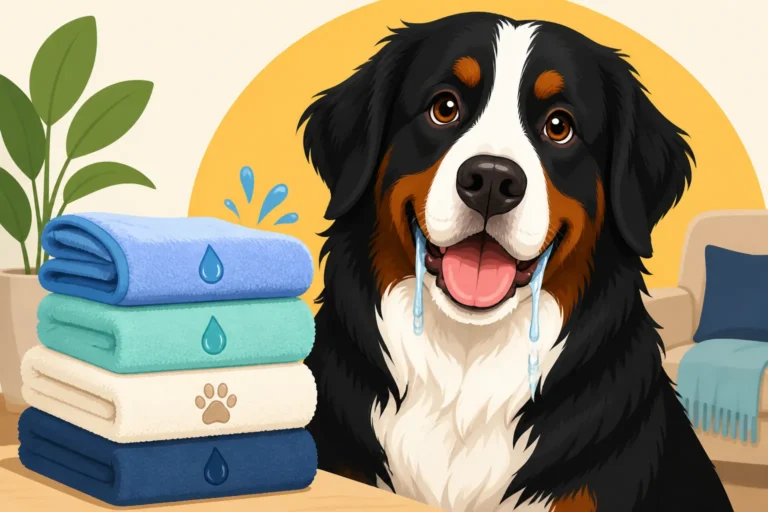
Beyond the cleaning solution itself, you'll need a few other items to ensure a successful and stress-free ear cleaning session. First and foremost, cotton balls or soft gauze pads are your best friends. They are gentle enough for the delicate skin of the ear flap and won't push debris deep into the canal. Resist the urge to use cotton swabs for anything beyond the very outer visible folds of the ear, and never insert them into the canal itself, as we discussed earlier. You'll also want some soft towels nearby – not just for potential spills, but also for drying the ear thoroughly afterward, especially if your Berner likes to shake their head immediately after cleaning!
To make the experience positive for your dog, keep a stash of their favorite high-value treats handy. Positive reinforcement is key, especially with a breed as sensitive and intelligent as the Bernese Mountain Dog. If they associate ear cleaning with tasty rewards, they'll be far more cooperative. Gloves are also a good idea for your own hygiene, as ear discharge can sometimes be messy or even contain bacteria or yeast that you don't want on your hands. Remember, the more comfortable and prepared you are, the more relaxed your Berner will be, making the whole process less of a chore and more of a routine interaction, much like The Weekly Handling a Bernese Mountain Dog Should Accept.
| Cleaning Item | Purpose | Recommendation | Caution |
|---|---|---|---|
| Ear Cleaning Solution | Dissolves wax, dries canal, has antiseptic properties | Vet-approved, pH-balanced, alcohol-free. Look for salicylic acid or witch hazel. | Avoid alcohol, hydrogen peroxide, harsh chemicals. |
| Cotton Balls/Pads | Applying cleaner, wiping away debris | Soft, absorbent cotton balls or large gauze pads. | Never use cotton swabs deeply inside the canal. |
| Soft Towels | Drying ears, catching spills, general cleanup | Several clean, soft towels. | Ensure thorough drying after cleaning. |
| High-Value Treats | Positive reinforcement, distraction | Your Berner's absolute favorite treats. | Only use as rewards; don't let them associate treats with discomfort. |
| Disposable Gloves | Owner hygiene, preventing spread of potential irritants | Standard latex or nitrile gloves. | Ensure hands are clean before and after. |
| Flashlight (optional) | Better visibility for inspection | Small penlight or phone flashlight. | Do not shine directly into the eye; use for inspecting ear canal opening. |
A Step-by-Step Guide to Cleaning Your Berner's Ear Flaps
Now that you've gathered your supplies and understand the "why" behind Berner ear care, let's get down to the practical steps. Remember, patience and a gentle touch are paramount, especially when dealing with a sensitive area like the ears of a large dog.
Preparation and Setting the Scene
Before you even reach for the ear cleaner, it's essential to set yourself up for success. Choose a time when your Bernese Mountain Dog is calm and relaxed, perhaps after a walk or a good snuggle session. Trying to clean their ears when they're full of energy or stressed will only make it a battle. Gather all your supplies – cleaner, cotton balls, treats, and towels – and have them within easy reach on a flat surface. Some owners find it helpful to perform this task in a bathroom or outdoors, just in case there's any shaking or splashing of the ear cleaner.
Position your Berner comfortably. For smaller or more cooperative dogs, sitting on your lap might work. For a hundred-pound Bernese Mountain Dog, you might have them lie down with their head in your lap, or simply have them sit by your side while you kneel. The key is to make them feel secure and minimize the likelihood of sudden movements. Speak to them in a calm, reassuring voice, offering gentle praise. Before you even touch their ear, give them a treat or two. This proactive positive reinforcement helps build a good association with the entire process. This gentle approach is crucial for breeds like the Berner, which can be sensitive to perceived corrections, as detailed in The Bernese Mountain Dog That Quits After One Correction.
The Cleaning Process
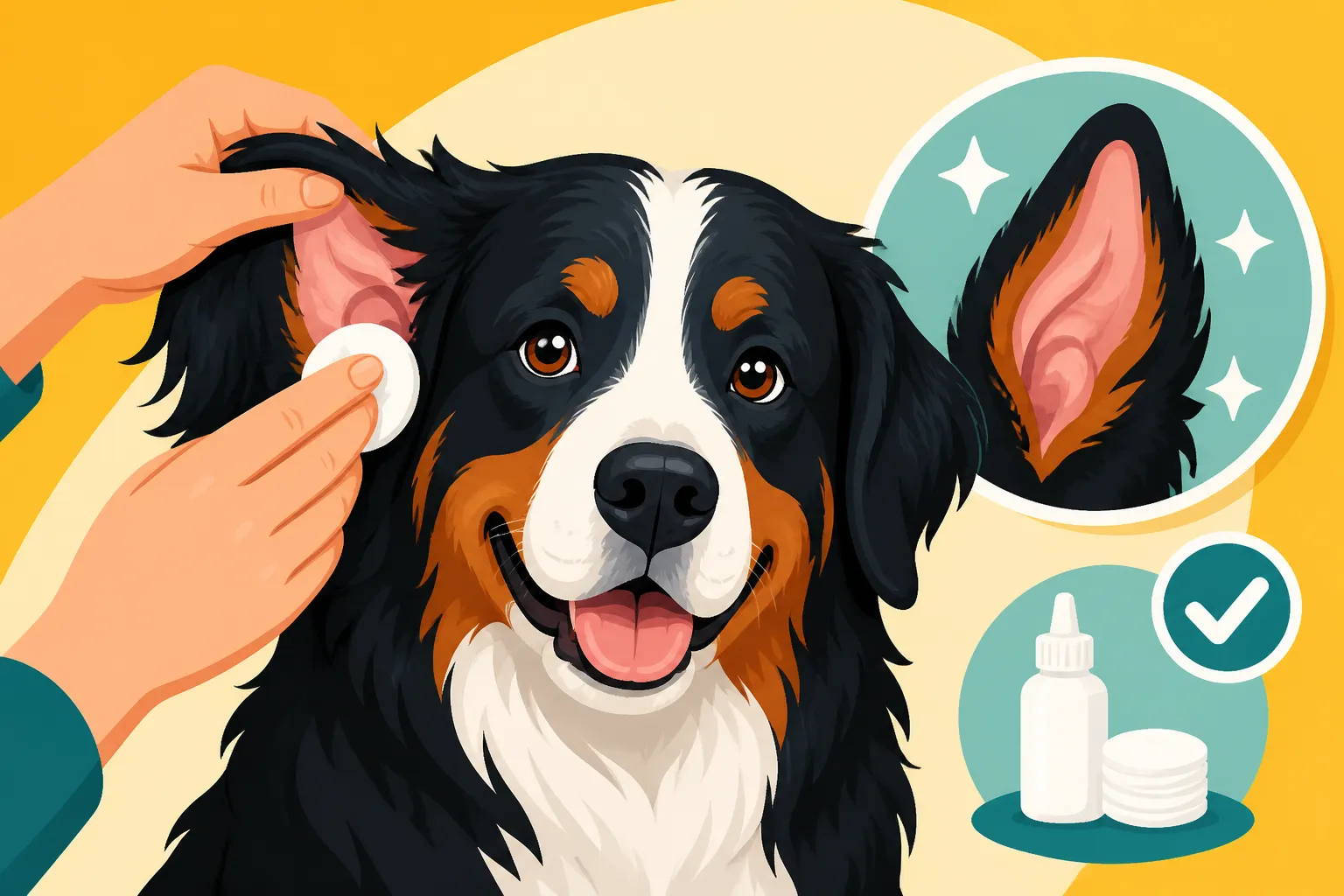
With your Berner calm and comfortable, you can begin the actual cleaning. Gently lift the ear flap to expose the inner surface and the opening of the ear canal. Take a moment to inspect the area: look for any redness, swelling, unusual discharge, or foul odor. This visual check is important to determine if a vet visit might be necessary instead of just a routine cleaning.
Once you’ve inspected, take a cotton ball and moisten it generously with the ear cleaning solution. You don't want it dripping, but thoroughly saturated. Now, gently wipe the visible inner surface of the ear flap, paying attention to any folds and crevices. Wipe away any visible dirt, wax, or debris. If your vet has instructed you to apply liquid cleaner directly into the canal, follow their guidance, usually by squeezing a few drops into the ear canal and then gently massaging the base of the ear for about 20-30 seconds. This helps break up wax.
After applying liquid or simply wiping, let your Berner shake their head – many will! This helps dislodge loosened debris. Then, use fresh, dry cotton balls to wipe away any remaining solution or expelled gunk. Repeat the process with clean cotton balls until no more dirt or wax comes off. Always use a fresh cotton ball for each ear and discard used ones. Throughout the entire process, continue to offer praise and small treats. The moment you're done with an ear, give a generous reward. This positive reinforcement, as discussed in What a Bernese Mountain Dog Will Actually Work For, is vital for building a good cooperative relationship. When you're finished, ensure the outer ear is as dry as possible to prevent moisture-related issues.
Recognizing Signs of Ear Problems and When to See the Vet
Regular ear cleaning is a fantastic preventive measure, but it's not foolproof. Sometimes, despite our best efforts, ear issues can arise. Knowing what to look for and when to seek professional help is just as important as knowing how to clean. Your Bernese Mountain Dog relies on you to recognize when something isn't right.
Common Symptoms of Ear Infections
The signs of an ear infection in a Bernese Mountain Dog are often quite noticeable, though sometimes they can be subtle at first. One of the most common indicators is excessive head shaking. Your Berner might also be scratching at their ears or rubbing their head along furniture or the ground in an attempt to alleviate discomfort. When you lift the ear flap, you might see redness, swelling, or feel warmth to the touch. Another tell-tale sign is discharge: it could be dark, waxy, yellow, or even bloody, and often comes with a distinct, unpleasant odor – sometimes described as yeasty or like rotten cheese.
Beyond the physical signs, you might notice behavioral changes. Your usually stoic Bernese Mountain Dog might become more withdrawn, lethargic, or even irritable if their ears are causing them pain. They may vocalize when you try to touch their head or ears. Sometimes, one ear can be affected more than the other, leading to a tilted head posture as they try to compensate for the discomfort. These symptoms, whether mild or severe, are a clear signal that something is amiss and shouldn't be ignored. Skin and Ear Problems in a Bernese Mountain Dog can sometimes be related, as underlying allergies can manifest in both areas.
When Professional Help Is Needed
If you observe any of the symptoms mentioned above, especially if they are persistent, severe, or accompanied by a foul odor or discharge, it's time to put down the cleaner and pick up the phone to call your veterinarian. Attempting to treat an active ear infection at home without a proper diagnosis can not only be ineffective but potentially harmful. Different types of infections (bacterial, yeast, ear mites) require different medications, and only a vet can accurately diagnose the cause through an examination and possibly a swab cytology.
Untreated ear infections can lead to serious complications. The infection can spread deeper into the ear canal, causing more intense pain, damaging the eardrum, and even affecting your dog's balance. In chronic cases, the ear canal tissues can thicken, making future infections even harder to treat and potentially leading to permanent hearing loss. Your vet can prescribe appropriate ear drops or oral medications to clear the infection. They might also suggest professional ear flushing if there's a significant buildup, a procedure that requires sedation for large dogs like Berners due to the discomfort involved. Don't hesitate to seek their expertise; early intervention can prevent much suffering and save you money in the long run.
Establishing a Routine: Frequency and Best Practices
Consistency is key when it comes to maintaining your Bernese Mountain Dog's ear health. It’s not just about reacting to problems, but proactively preventing them. Establishing a regular ear care routine will keep their ears clean, dry, and healthy, making the experience less stressful for everyone involved.
How Often to Clean Your Berner's Ears
The ideal frequency for cleaning your Bernese Mountain Dog's ears can vary depending on several factors, but a good starting point for most healthy Berners is once every one to two weeks. If your dog is particularly prone to ear issues, has very hairy ear canals, or loves to swim (which introduces moisture), you might need to increase the frequency to weekly, or even more often with a vet-approved drying solution after water activities. Conversely, some Berners with naturally drier ears might do fine with cleaning every three to four weeks.
It's about finding a rhythm that works for your individual dog and their lifestyle. During allergy season or times when your Berner is spending a lot of time outdoors in dusty or pollen-filled environments, more frequent checks and cleanings might be beneficial. Think of it as part of their regular grooming, much like their overall Grooming a Bernese Mountain Dog's Long Tricolor Coat. The goal is to prevent buildup and maintain a healthy ear environment, not to over-clean, which can sometimes lead to irritation. Keep a log if it helps you remember, and always assess the cleanliness of the ear before you decide to clean again.
Preventive Measures Beyond Cleaning
While regular cleaning is paramount, there are other best practices that contribute to your Bernese Mountain Dog's overall ear health. One of the most critical is ensuring their ears are thoroughly dried after any water exposure. Whether it’s a bath (which can be a huge undertaking with Bathing a Bernese Mountain Dog That Fills a Tub) or a splash in a lake, trapped moisture in those floppy ears is an open invitation for infection. Use a soft towel to gently blot and air dry the ear canal opening as much as possible.
Consider carefully trimming the hair around the ear canal entrance. This is often best done by a professional groomer or your vet, as it requires precision and can be risky if you're not experienced. Reducing this hair helps improve airflow and prevents debris from getting trapped. Some owners also find that certain dietary changes, especially for Berners with suspected allergies, can positively impact ear health, as allergies often manifest as skin and ear problems. Regular veterinary check-ups are also crucial; your vet can spot subtle issues you might miss and can offer advice tailored to your dog's specific needs, especially important as they get older, as covered in What a Bernese Mountain Dog Checkup Includes After Five. These comprehensive efforts will keep your Berner's ears in tip-top shape.
Disclaimer
This article is for general informational purposes only and does not constitute professional advice. Laws, prices and regulations vary by location and change over time. Consult a qualified professional for guidance on your specific situation.