Whether Cancer Counts as Pre-Existing in a Bernese Mountain Dog
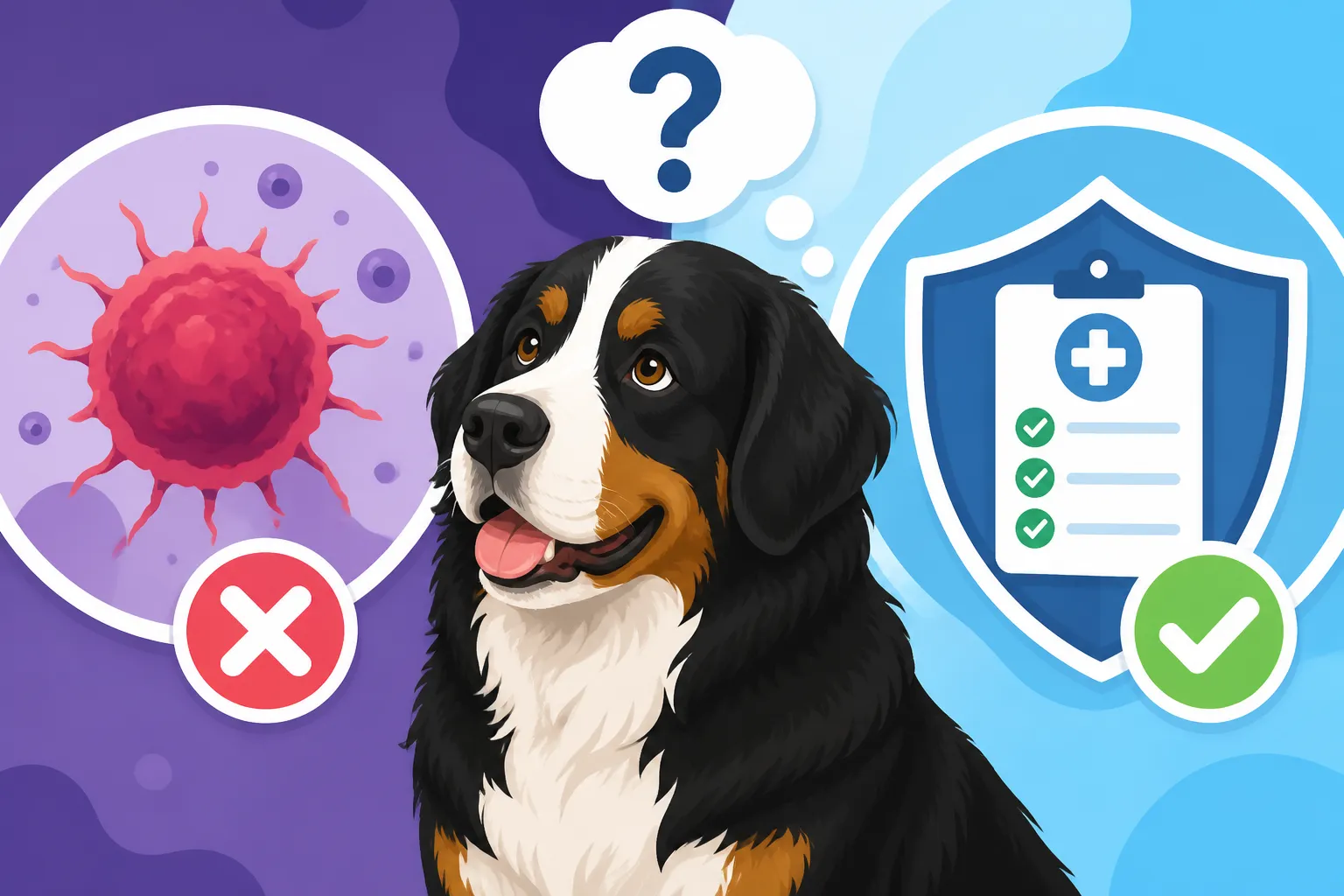
The day you bring home your fluffy Bernese Mountain Dog puppy, you’re often so wrapped up in joy and endless cuddles that worrying about future health issues feels a million miles away. But the reality is, these magnificent dogs, as much as we adore them, are predisposed to certain significant health challenges, and sadly, cancer is often at the top of that list. The thought of a lump, a cough, or an unexpected change in your Berner's energy can send shivers down any owner's spine, especially when you start to consider the devastating veterinary bills that often come with a cancer diagnosis. This guide is here to shed light on a crucial, often anxiety-inducing question: whether cancer in a Bernese Mountain Dog counts as a "pre-existing condition" by pet insurance companies, and what that truly means for your ability to get coverage when you need it most.
Understanding Pre-Existing Conditions in Pet Insurance
Navigating the world of pet insurance can feel like trying to solve a puzzle with half the pieces missing, particularly when it comes to the term "pre-existing condition." It’s a phrase that can cause immense stress for pet parents, especially those with breeds like the Bernese Mountain Dog, where certain health issues are more prevalent. Understanding this concept is absolutely vital for protecting your beloved companion and your wallet.
What Defines a Pre-Existing Condition?
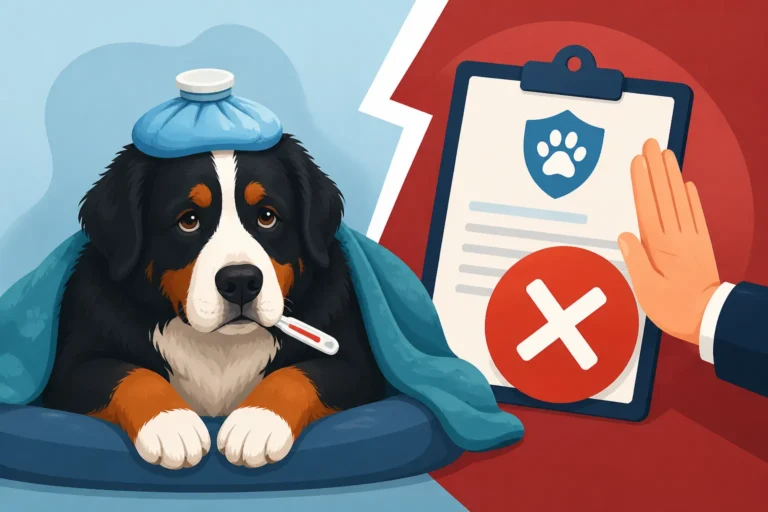
At its core, a pre-existing condition is any illness or injury that your pet showed signs of, or was diagnosed with, before their insurance policy started or during the waiting period. This isn't just about a formal diagnosis from a veterinarian. Insurance companies often define "pre-existing" much more broadly. It can include conditions for which your Bernese Mountain Dog exhibited symptoms, even if those symptoms weren't officially diagnosed by a vet until after the policy began. For example, if you noticed your Berner limping occasionally before you bought the policy, and later they are diagnosed with hip dysplasia, the insurance company might consider that limp a symptom of a pre-existing condition, even if the formal diagnosis came later.
This broad definition is why it's so incredibly important to be honest and thorough when applying for insurance and to understand what your policy means by "symptom." Some policies distinguish between "curable" and "incurable" pre-existing conditions, which can be a tiny ray of hope. A curable condition, like an ear infection that resolves and doesn't recur for a specified period (often 6-12 months, depending on the insurer), might eventually be covered if it reappears. However, for chronic or incurable conditions like cancer, the "pre-existing" label is typically permanent for that specific illness once established. This distinction is critical when considering a breed known for its susceptibility to serious diseases.
The Look-Back Period: A Crucial Detail
One of the most significant, yet often overlooked, aspects of pet insurance policies is the "look-back period." This is a specific timeframe, usually spanning from several months to a year or more, immediately preceding your policy's effective date, during which the insurance company will review your Bernese Mountain Dog's medical history. They'll examine vet records, notes, and any documented symptoms or diagnoses.
If, during this look-back period, there's any mention of symptoms, a suspected condition, or a formal diagnosis related to what you're now claiming for, it will almost certainly be classified as pre-existing and therefore excluded from coverage. Imagine your Bernese Mountain Dog had a routine vet visit six months before your policy started, and the vet noted a small, non-alarming lump. If that lump later grows, changes, and is diagnosed as cancerous after your waiting period, the insurance company could look back at that initial vet note and deny coverage for the cancer treatment, stating it was a pre-existing condition. This is why it’s so vital to not just get insurance, but to get it early and to understand these clauses. Brands like Healthy Paws are known for their comprehensive coverage, but even they have these standard definitions in place to manage risk.
Navigating Cancer and Bernese Mountain Dogs
The profound love we have for our Berners makes their health challenges particularly heartbreaking. For Bernese Mountain Dog owners, the word "cancer" carries a heavy weight, as it is tragically common within the breed. This reality makes the intricacies of pet insurance, especially around pre-existing conditions, even more critical to understand.
The Harsh Reality of Cancer in Bernese Mountain Dogs
It’s an unfortunate truth that cancer is the leading cause of death in Bernese Mountain Dogs. Many owners are acutely aware of The Cancer That Kills Half of All Bernese Mountain Dogs within the breed, particularly aggressive forms like Histiocytic Sarcoma. This isn't just a statistical anomaly; it's a genetic predisposition that has a profound impact on their lifespan, leading many to ask Why a Bernese Mountain Dog Lives Only Seven or Eight Years. Owners often find themselves facing a diagnosis when their beloved companion is still relatively young, sometimes as early as four or five years old, a time when many other large breeds are just hitting their prime.
This inherent risk means that early detection and, consequently, understanding insurance coverage, becomes paramount. A simple lump that might be benign in another breed often warrants immediate investigation in a Berner. The anxiety is real, and the potential costs of diagnostics and Treating Cancer in a Bernese Mountain Dog can be astronomical, easily reaching tens of thousands of dollars. This is not a distant, abstract threat; it’s a very real concern for every Bernese Mountain Dog owner.
When Does Cancer Become "Pre-Existing"?
For pet insurance purposes, cancer becomes "pre-existing" if any signs, symptoms, or a diagnosis related to the condition occurred before the policy's effective date or during the waiting period. Let's break down some common scenarios:
- A Noticed Lump: If you found a lump on your Bernese Mountain Dog, even if you just watched it for a while and didn't immediately take them to the vet, and then you get insurance, that lump could be considered pre-existing if it later turns out to be cancerous. The insurance company would look for any documented evidence, or even your own report, of the lump's presence before coverage began. This is why Lumps a Bernese Mountain Dog Owner Should Not Watch is such crucial advice.
- Subtle Symptoms: Cancer often manifests with subtle symptoms initially, such as lethargy, a cough that won't go away, unexplained weight loss, or limping. If your Bernese Mountain Dog exhibited any of these signs, and these were noted in their vet records before your policy's waiting period was over, any subsequent cancer diagnosis could be deemed pre-existing. For instance, if your Berner started showing a slight lameness and the vet noted "mild lameness, monitor" in their file a month before your policy kicked in, and a few months later it's diagnosed as bone cancer, that prior lameness could lead to a pre-existing exclusion.
- Formal Diagnosis: This is the most straightforward scenario. If your Bernese Mountain Dog receives a formal cancer diagnosis from a veterinarian before your pet insurance policy begins or during its initial waiting period, then that specific cancer, and any related conditions, will almost certainly be considered pre-existing and won't be covered.
It's a brutal Catch-22: you don't know your dog has cancer until you have it diagnosed, but if you wait until symptoms appear, it might be too late for insurance to cover it. This emphasizes the need for proactive thinking and swift action.
Strategies for Insuring Your Bernese Mountain Dog
Given the sobering statistics about cancer in Bernese Mountain Dogs, having a clear strategy for pet insurance is not just a good idea, it's almost essential. The goal is to maximize your chances of coverage when you most desperately need it, which means thinking ahead and understanding the nuances of various policies.
Insuring Early: The Best Defense
The single most effective way to ensure your Bernese Mountain Dog's future cancer treatment is covered is to enroll them in a pet insurance policy as early as possible. Ideally, this means when they are a puppy, before any signs of illness, however minor, have a chance to manifest. When you get a puppy, they usually have a clean bill of health, and this is your window of opportunity.
Most pet insurance providers, including popular ones like Healthy Paws, have waiting periods—a specified number of days (usually 14-30 days for illnesses, often shorter for accidents) from your policy's effective date before coverage for certain conditions begins. If you enroll your Berner when they are young and healthy, these waiting periods can pass without incident, ensuring that any future, unexpected illnesses are covered. This foresight can be the difference between facing a manageable vet bill and a financially ruinous one if your dog is diagnosed with cancer at age five. It’s about getting ahead of the curve, especially when you consider Insuring a Bernese Mountain Dog Before Its First Lump appears.
Reviewing Policy Details Carefully
Not all pet insurance policies are created equal, and it's imperative to delve into the details before committing. When researching options for your Bernese Mountain Dog, pay close attention to:
- Waiting Periods: Understand how long you have to wait for accident, illness, and especially orthopedic coverage, which can sometimes have longer waiting periods.
- Deductibles: This is the amount you pay out of pocket before your insurance coverage kicks in.
- Reimbursement Percentages: This is the percentage of eligible vet bills your insurer will pay after your deductible.
- Annual Limits: Some policies cap the amount they'll pay out in a year. For a breed like the Bernese Mountain Dog, especially with the potential for costly cancer treatments, an unlimited or very high annual limit can be a lifesaver. This is where researching Annual Limits and Bernese Mountain Dog Oncology becomes critical.
- Exclusions: Always ask for a sample policy and review what conditions are specifically excluded. Look for clarity on how pre-existing conditions are defined.
Different providers approach these aspects in varying ways. For instance, some companies offering insurance through platforms like Chewy might have different structures compared to standalone providers. While Ollie primarily focuses on fresh dog food subscriptions, their focus on pet health often includes resources and information that can indirectly guide owners toward better health decisions, but they are not an insurance provider themselves. Always compare quotes and policy documents side-by-side. Remember, Why Insurers Rate the Bernese Mountain Dog So High is directly related to their health profile, so expect higher premiums, but don't let that deter you from getting adequate coverage.
What to Do If Your Berner Already Has Symptoms
If you're reading this and your Bernese Mountain Dog has already exhibited symptoms, or even received a preliminary diagnosis, the situation for getting coverage for that specific condition becomes significantly more challenging. Most standard pet insurance policies will, unfortunately, classify it as pre-existing.
However, don't despair entirely. Here are a few avenues to explore:
- Coverage for Other Conditions: While the existing condition won't be covered, a new policy would still cover new illnesses or accidents that aren't related to the pre-existing one. So, if your Berner has a lump that's being investigated, insurance could still cover a broken leg or a sudden onset of pancreatitis.
- Condition-Specific Plans: In some rare cases, and depending on the specific condition, some niche insurance products or wellness plans might offer limited coverage or discounts. These are not full insurance policies, but they might help with some aspects of care.
- Financial Aid Programs: Many national and local organizations offer financial assistance for pet owners facing costly veterinary treatments, especially for cancer. Researching these can provide a much-needed lifeline.
- Self-Insuring/Savings: If insurance isn't an option for existing conditions, building a dedicated savings fund for your pet's health emergencies becomes even more crucial.
| Scenario for Cancer Diagnosis | Pre-Existing Condition Status | Likelihood of Coverage (New Policy) |
|---|---|---|
| No Symptoms, Young Puppy | Not pre-existing | Very High |
| Lump Noticed (Vet Visit) | Pre-existing | Very Low |
| Lump Noticed (No Vet Visit) | Likely pre-existing (based on owner's knowledge) | Low |
| Sudden, Undiagnosed Lethargy | Potentially pre-existing (if noted in records) | Moderate to Low |
| Formal Diagnosis (Before Policy) | Pre-existing | None for that condition |
| Formal Diagnosis (During Waiting Period) | Pre-existing | None for that condition |
| Minor, Unrelated Symptom Before Policy (e.g., ear infection) | Not pre-existing for cancer | High for cancer |
Beyond Insurance: Proactive Health Management
While pet insurance is a critical safety net, it's just one part of a comprehensive approach to managing the health of your Bernese Mountain Dog. Being proactive in their care can not only improve their quality of life but also potentially mitigate risks or catch issues early, which can sometimes influence insurance outcomes.
Regular Vet Visits and Documentation
Consistent, routine veterinary care is paramount for any Bernese Mountain Dog owner. These check-ups are more than just vaccine appointments; they are opportunities for your vet to establish a baseline for your dog's health, catch subtle changes, and document everything. For a breed like the Berner, where specific health issues are common, annual or even semi-annual visits are highly recommended. What a Bernese Mountain Dog Checkup Includes After Five often involves more thorough examinations, bloodwork, and discussions about age-related concerns.
Every interaction with your veterinarian creates a medical record. This documentation is incredibly valuable, both for tracking your dog's health journey and for any future insurance claims. Clear, detailed records that show a history of good health prior to your policy effective date can be instrumental in demonstrating that a later-diagnosed condition was not pre-existing. Conversely, sparse or incomplete records might work against you. Make sure you understand the findings of each visit and ask for copies of records if you need them. Even for managing general wellness, integrating good nutrition, perhaps with a focus on fresh food options like those offered by Ollie, can contribute to overall vitality and potentially help mitigate some health issues.
Breeder Transparency and Health Testing
The journey to a healthy Bernese Mountain Dog often begins long before they come home with you. A responsible, ethical breeder plays an indispensable role in minimizing the risk of inherited conditions. They should be transparent about the health history of their breeding dogs and their lines, including information on lifespan and causes of death in ancestors and littermates.
Specifically, a reputable Bernese Mountain Dog breeder will conduct extensive health testing on their breeding stock to screen for conditions prevalent in the breed, such as hip and elbow dysplasia, eye conditions, cardiac issues, and Von Willebrand's disease. They should provide proof of these clearances, often through organizations like the Orthopedic Foundation for Animals (OFA) and CERF. This is what What Health Testing a Bernese Mountain Dog Breeder Pays For contributes to the health of puppies. Knowing that your puppy comes from parents with excellent health clearances, like those that result in What a Fully Cleared Bernese Mountain Dog Litter Sells For, can give you greater peace of mind and a better foundation for their health.
While no breeder can guarantee a dog will never develop cancer, choosing a puppy from lines known for longevity and a lower incidence of severe diseases (or at least being transparent about the risks) is a crucial step. Always ask to see the parents' The Bernese Mountain Dog Health Panel results and discuss any concerns you have. This diligence at the outset can save heartache and significant expense down the road, and hopefully contribute to your Berner reaching The Average Age a Bernese Mountain Dog Reaches or beyond. Furthermore, ongoing screening for an older Bernese Mountain Dog, even after they've joined your family, can help detect issues early, sometimes before they become full-blown crises. Screening an Older Bernese Mountain Dog can involve more frequent bloodwork and physical exams, which become even more important as they age.
Caring for a Bernese Mountain Dog is a commitment that goes beyond just love and cuddles; it involves preparing for their potential health challenges. Understanding the nuances of pet insurance, particularly regarding pre-existing conditions and the high risk of cancer in the breed, is a critical step in responsible ownership. By insuring your Berner early, carefully reviewing policy details, and maintaining proactive health management with regular vet visits and careful breeder selection, you can build the best possible safety net for your beloved companion, helping you navigate their health journey with confidence and peace of mind.
Disclaimer
This article is for general informational purposes only and does not constitute professional advice. Laws, prices and regulations vary by location and change over time. Consult a qualified professional for guidance on your specific situation.