Whether a Bernese Mountain Dog Belongs in the South
Deciding to bring a magnificent Bernese Mountain Dog into your life is a huge commitment, but for those living in warmer climates, there’s an extra layer of concern: "Can my big, fluffy Berner truly thrive in the South?" It's a valid worry, as their thick coats and robust builds scream "snow country." This guide is here to walk you through the realities, challenges, and practical solutions for ensuring a Bernese Mountain Dog can not just survive, but genuinely enjoy life, even when the mercury climbs high.
Understanding the Bernese Mountain Dog's Natural Habitat
Bernese Mountain Dogs, or Berners as we affectionately call them, hail from the chilly, mountainous regions of Switzerland. This isn't just a fun fact; it's a fundamental aspect of their physiology and genetics, dictating how they handle different environmental conditions. When we consider bringing one into a climate far removed from its ancestral home, understanding these origins is absolutely crucial.
A Coat Built for Alpine Winters
Imagine the Swiss Alps: crisp air, snow-covered peaks, and bracing winds. The Bernese Mountain Dog's signature coat is a masterpiece of natural insulation, perfectly adapted to these conditions. They possess a dense, double coat consisting of a longer, slightly wavy or straight outer coat and a thick, woolly undercoat. This undercoat is what truly traps air, creating a thermal barrier that keeps them warm in sub-zero temperatures. It’s like wearing a permanent, custom-made down jacket.
While this coat is a blessing in winter, it becomes a significant challenge in warmer climates. That deep insulation that prevents cold from getting in also prevents heat from escaping. When temperatures rise, this can lead to rapid overheating because their body struggles to release the excess heat. Owners often wonder about shaving their Berners to help with heat, but this can actually be counterproductive. The outer coat also offers protection from the sun's harsh UV rays, and shaving it can expose their sensitive skin to sunburn and disrupt the natural shedding cycle, potentially making them less efficient at regulating temperature in the long run. We've got more on The Case Against Shaving a Bernese Mountain Dog in June and its implications.
The Metabolism of a Working Mountain Dog
Beyond their coats, Bernese Mountain Dogs are built for work in demanding environments. Historically, they were farm dogs, used for droving cattle and pulling carts of milk and cheese to market. This heritage means they have a relatively robust metabolism designed to generate and sustain body heat during strenuous activity in cold weather. They are powerful, deep-chested dogs, and their large muscle mass contributes to heat production.
In a hot environment, this inherent ability to generate heat becomes a liability. Their bodies are less efficient at dissipating heat compared to breeds from hotter climates that might have thinner coats, lighter body mass, or different respiratory systems. This metabolic design means they require more careful management of exercise and activity levels when the weather is warm, lest they quickly push their internal temperature into dangerous territory. Their natural inclination for bursts of enthusiastic play needs to be tempered with an acute awareness of the ambient temperature and humidity.
Genetic Predisposition to Cooler Climates
Over centuries, the Bernese Mountain Dog developed specific traits to thrive in its cool, temperate homeland. These traits are deeply ingrained in their genetics. Beyond the double coat, their very physiology is geared towards cold tolerance. They tend to have shorter muzzles compared to some other breeds, but not so short as to be brachycephalic (flat-faced), which would make breathing difficult. However, even with a relatively open airway, their sheer size and internal heat production mean they rely heavily on panting to cool down.
When the air itself is warm and humid, panting becomes a less effective cooling mechanism. The moisture in the air reduces the evaporative cooling effect from their tongues and respiratory tracts. This genetic predisposition means they often simply "stop coping" at temperatures that other dogs might find merely uncomfortable. Understanding The Temperature a Bernese Mountain Dog Stops Coping is vital for any owner, especially in the South, to prevent dangerous situations like heatstroke.
The Challenges of Southern Climates for Berners
Living in a Southern climate with a Bernese Mountain Dog isn't impossible, but it demands vigilance, a willingness to adapt, and a proactive approach to their care. The challenges are real, and ignoring them can have severe consequences for your beloved companion.
The Dangers of Heatstroke and Overheating
Heatstroke is perhaps the most immediate and terrifying threat to a Bernese Mountain Dog in a warm climate. These dogs don't "sweat" in the same way humans do; their primary way to cool down is through panting. When the air temperature is high, or worse, both high temperature and high humidity combine, panting becomes inefficient. Their body temperature can quickly skyrocket to dangerous levels, leading to organ damage, brain swelling, and potentially death. Early signs can be subtle: excessive panting, drooling, a dark red tongue, or glassy eyes. As it progresses, you might see wobbliness, vomiting, diarrhea, or even collapse. We talk more about How a Bernese Mountain Dog Behaves Before Heat Stroke and what to look for.
A common misconception is that a dog will regulate itself. While dogs do have instincts, a Berner’s instincts are geared towards a cold environment. They might push themselves to play or keep up on a walk even when their body is screaming for relief, especially if they are excited or have a strong bond with their owner. This makes owner intervention and strict adherence to heat safety protocols absolutely non-negotiable in hot weather. The dark pigmentation of their coat also contributes significantly to heat absorption, which is why Why a Black Coat Overheats a Bernese Mountain Dog is such an important topic.
Humidity's Impact on the Double Coat
It's not just the heat; humidity is a silent killer for Bernese Mountain Dogs. The dense double coat, designed to keep them warm, also traps moisture. In high humidity, the evaporative cooling effect of panting is severely diminished. Think of trying to dry off after a shower in a steamy bathroom versus a dry one – the moisture just doesn't evaporate as effectively. For a Berner, this means their internal "cooling system" is working harder but achieving less.
Beyond the immediate danger of heatstroke, chronic humidity can lead to skin issues. The trapped moisture and lack of air circulation in their thick coats can create a breeding ground for yeast and bacterial infections, especially in areas like their underarms, groin, and behind their ears. Hot spots, a common and painful skin condition, can flare up quickly. Regular grooming, especially brushing to remove dead undercoat, becomes paramount in these conditions to ensure some airflow close to the skin. Even with diligent care, humidity presents a constant battle against both internal overheating and external skin problems.
Exercise Limitations in Warm Weather
A Bernese Mountain Dog is a large, active breed that needs regular exercise to stay healthy, both physically and mentally. They love walks, hikes, and playful romps. However, in Southern climates, these activities often have to be drastically curtailed or rescheduled. High daytime temperatures make even short walks risky. You simply cannot expect a Berner to handle a midday summer stroll in Georgia or Texas.
This limitation can be incredibly frustrating for both the dog and the owner. A bored Berner can become destructive or develop behavioral issues, while an owner feels guilty about not being able to provide adequate exercise. This often means waking up before dawn for walks, or waiting until deep into the evening after the sun has set and the pavement has cooled. It also means shifting focus to indoor enrichment activities or short, early morning outings like a quick game of fetch in a shaded yard. Knowing The Hours a Bernese Mountain Dog Should Not Walk is crucial for planning their day and keeping them safe.
| Temperature (Fahrenheit) | Risk Level for Bernese Mountain Dogs | Recommended Activity |
|---|---|---|
| Below 50°F | Low | Normal activity, long walks, outdoor play |
| 50-70°F | Moderate | Monitor for heavy panting; ensure access to water. Shaded walks okay. |
| 70-80°F | High | Short walks, morning/evening only. Avoid strenuous play. Frequent water breaks. |
| Above 80°F | Extreme | Indoor activities only. Very short potty breaks in shade. Monitor closely for overheating. |
Note: Humidity significantly increases risk at all temperatures.
Practical Strategies for Southern Bernese Mountain Dog Owners
If you're determined to make it work in the South with your Berner, or if you already live there, there are numerous practical steps you can take to mitigate the risks and enhance their comfort. It's all about proactive planning and creating an environment where they can thrive despite the heat.
Creating a Cool Indoor Sanctuary
The number one priority for a Bernese Mountain Dog in a hot climate is a reliably cool indoor space. This isn't a luxury; it's a necessity. Air conditioning is non-negotiable. Your Berner needs constant access to a climate-controlled environment where the temperature is kept consistently cool, ideally below 75°F (24°C), and even lower during the peak summer months or when they've had any exertion. Think about Keeping a Room Cool Enough for a Bernese Mountain Dog.
Consider designating a "cool zone" in your home. This might be a basement, a room with tile or stone flooring, or a space where you can place a dedicated fan or even a portable AC unit if needed. Cooling mats, which absorb body heat and dissipate it, can be incredibly helpful for them to lie on. These don't require electricity and can be found easily on platforms like Amazon or Chewy. Make sure water bowls are always full, fresh, and easily accessible in multiple locations. Some owners even add ice cubes to the water or use large, ceramic bowls that help keep water cooler for longer.
Adapting Outdoor Routines and Activities
Since midday heat is dangerous, your entire outdoor routine will need to shift. Walks should be strictly limited to the coolest parts of the day, typically before sunrise and after sunset. Even then, you need to assess the temperature and humidity. Always check the pavement temperature with your hand; if it's too hot for your bare palm, it's too hot for their paws. During these cooler times, keep walks shorter than you might in milder climates and avoid strenuous activity. Instead of long jogs, think leisurely strolls for sniffing and potty breaks.
Beyond scheduled walks, consider alternative forms of exercise. Many Berners enjoy playing in water, which can be an excellent way to cool down while getting some activity. A shallow kiddie pool filled with cool water in a shaded spot in the yard can be a lifesaver. Ensure they have constant access to shade when outdoors, even for short periods. Outdoor activity should always be supervised, and you should always carry water for both of you. For ideas on managing their activity throughout the warmer months, check out Summer Routines for a Bernese Mountain Dog.
Nutrition and Hydration in Hot Environments
Feeding your Bernese Mountain Dog in a warm climate also requires some thought. While their overall caloric needs might slightly decrease due to reduced strenuous exercise, maintaining their health and preventing dehydration is paramount. Ensure they always have access to fresh, cool water. You might even consider having multiple water bowls around the house and outside. Some Bernese owners swear by adding a little extra water to their dog's food, especially if feeding kibble, just to sneak in some extra hydration.
When it comes to the food itself, stick to high-quality dog food. Brands like Ollie, known for fresh, human-grade ingredients, might appeal to some owners, though any high-quality, balanced diet is key. Avoid feeding large meals right before or after any exercise, as digestion itself generates heat and can increase the risk of bloat, a life-threatening condition for deep-chested breeds. Splitting their daily ration into two or three smaller meals is always a good practice, but especially critical in warmer weather. This also helps with managing bloat risk, which is a concern for Berners regardless of climate. You can learn more about Feeding an Adult Bernese Mountain Dog Safely.
Essential Gear and Resources for Heat Management
Being a responsible Berner owner in a Southern climate means equipping yourself with the right tools and knowledge to combat the heat. It’s an investment in their comfort and safety, and frankly, it gives you peace of mind.
Cooling Aids and Products
The market offers a range of products designed to help dogs stay cool, and many of these are invaluable for a Bernese Mountain Dog in the South.
- Cooling Mats: As mentioned, these are fantastic. Many contain a gel that activates with pressure, providing a cool surface. They can be found readily on sites like Chewy or Amazon.
- Cooling Vests/Bandanas: These vests are soaked in water and use evaporative cooling to lower your dog's core temperature. They can be very effective for short stints outdoors or during travel.
- Elevated Beds: These beds allow air to circulate underneath, preventing heat from building up, which is much better than a traditional plush bed in warm weather.
- Fans: Strategic placement of powerful fans (like box fans or large floor fans) in your Berner's resting areas can make a huge difference, particularly when combined with an AC.
- Kiddie Pools: A shallow, sturdy plastic pool can be a game-changer for outdoor cool-down sessions.
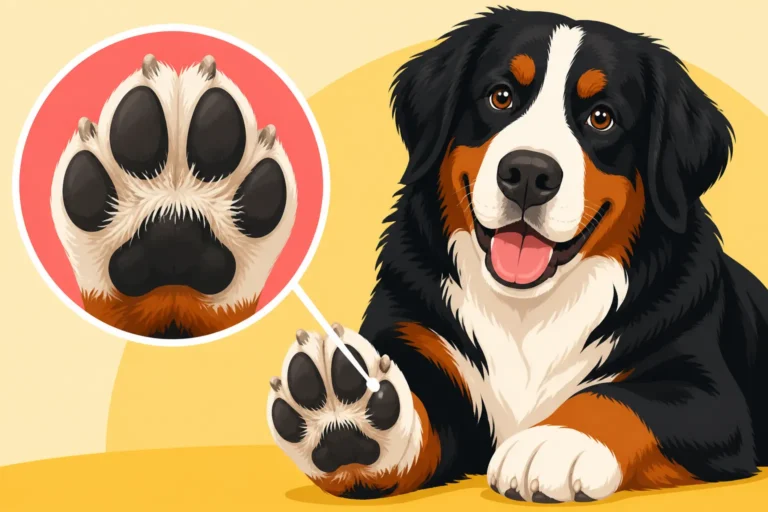
- Paw Protection: Booties can protect sensitive paw pads from hot pavement, although it's always best to avoid hot surfaces altogether.
Investing in a few of these items is a smart move. Remember, these are aids, not solutions to prolonged heat exposure, but they can significantly increase your dog's comfort levels. For a more comprehensive list of options, check out Cooling Gear for a Bernese Mountain Dog.
Grooming Practices to Support Heat Regulation
While shaving is generally discouraged, proper grooming is absolutely essential for a Bernese Mountain Dog in a warm climate. Their double coat needs regular attention to prevent matting and to allow what little airflow there is to reach their skin.
- Frequent Brushing: Daily brushing, or at least several times a week, is crucial. Use a good quality slicker brush and an undercoat rake to remove loose fur and dead undercoat. This helps to thin out the insulating layer, allowing air to circulate closer to the skin. You’d be amazed at How Much a Bernese Mountain Dog Sheds in a Week – and all that loose hair just traps more heat if not removed.
- Deshedding Tools: Tools like a Furminator can be very effective, but use them sparingly and carefully to avoid damaging the coat or skin.
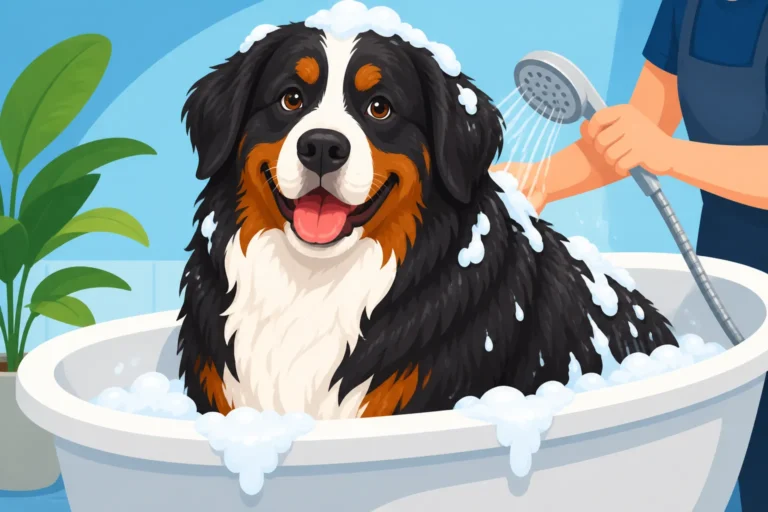
- Bathing: Regular baths can help remove dirt, allergens, and loose hair, which contributes to a cleaner, more breathable coat. Just make sure to thoroughly dry their coat afterward to prevent skin issues. A high-velocity dryer, while an investment, is invaluable for this.
- Trim Sanely: While full shaving is out, some owners opt for a "sanitary trim" around the hindquarters and belly, and tidying up the feathering on the legs, to prevent matting and keep these areas cleaner, which indirectly helps with comfort.
The goal isn't to remove their coat, but to keep it healthy and free of obstructions so it can do its job as efficiently as possible, even if its job is primarily designed for cold.
Monitoring and Emergency Preparedness
Even with the best precautions, accidents or unexpected heat waves can happen. Knowing how to monitor your Bernese Mountain Dog and what to do in an emergency is paramount.
- Know the Signs: Be intimately familiar with the symptoms of overheating and heatstroke (excessive panting, lethargy, drooling, red gums, stumbling, vomiting).
- Rectal Thermometer: This is not fun, but it can be a lifesaver. A dog's normal temperature is between 101°F and 102.5°F. If it climbs above 104°F, it's an emergency.
- First Aid for Overheating: If you suspect your dog is overheating, immediately move them to a cooler area, offer cool (not icy) water, and apply cool, wet towels to their groin, armpits, and neck. Do not use ice-cold water, as this can cause blood vessels to constrict, trapping heat.
- Veterinary Contact: Always contact your vet immediately if you suspect heatstroke. Time is critical. Even if they seem to recover, internal damage might have occurred. Knowing Cooling a Collapsed Bernese Mountain Dog in the Field could genuinely save their life.
- Emergency Plan: Have your vet’s number, and the number for the nearest emergency vet clinic, readily accessible. Know the fastest route there.
Being prepared for the worst allows you to act quickly and decisively, which can make all the difference in a heat-related emergency.
Making an Informed Decision: Is the South Right for Your Berner?
Ultimately, the decision of whether a Bernese Mountain Dog belongs in the South comes down to a realistic assessment of your capabilities, your lifestyle, and your unwavering commitment to their well-being. It's not just about what you want, but what you can provide.
Assessing Your Lifestyle and Commitment
Do you work from home or have flexible hours that allow for early morning or late evening walks? Is your home consistently air-conditioned? Do you have a shaded yard, or are you willing to invest in creating one? Are you prepared to forgo long hikes or midday park visits during several months of the year? These are serious questions. If your lifestyle involves long days away from home in a non-AC environment, or if you live in a tiny apartment without good airflow, a Bernese Mountain Dog in a Southern climate might simply not be a good fit.
You need to commit to the extra effort, vigilance, and potentially higher utility bills that come with keeping a cold-weather dog comfortable in a warm climate. It’s not just an inconvenience; it’s a constant, year-round responsibility to manage their environment and activity. If you're willing to make these adaptations and prioritize their comfort above all else, then yes, it can be done. But if you’re looking for a dog that can easily accompany you on all your outdoor adventures during a Southern summer, a Berner is not that dog.
The Importance of Proactive Veterinary Care
For Bernese Mountain Dogs in any climate, proactive veterinary care is important, but in the South, it’s even more so. Regular check-ups can help catch any heat-related issues early, and your vet can offer tailored advice for managing your specific climate challenges. Discuss your concerns with your veterinarian, particularly regarding skin health, hydration, and safe exercise levels.
Your vet can also advise on any underlying health conditions that might make your Berner more susceptible to heat, such as cardiac issues or respiratory problems. Ensuring your dog is at a healthy weight is also crucial, as extra pounds put more strain on their body and make them less efficient at cooling themselves. Consistent vet visits are key to ensuring your Berner is as healthy and robust as possible to face the warmer months.
Long-Term Considerations for Lifespan and Quality of Life
It's a sad reality that Bernese Mountain Dogs already have a shorter average lifespan compared to many other breeds, often due to a high incidence of certain cancers and orthopedic issues. Their lifespan is typically seven or eight years, though some reach twelve. You can explore Why a Bernese Mountain Dog Lives Only Seven or Eight Years for more information on breed-specific health challenges. The question is, does exposing them to chronic heat and humidity further reduce this already limited time, or significantly diminish their quality of life?
While there's no definitive data proving a direct link between living in the South and a shorter lifespan for Berners (assuming proper care is given), it's undeniable that the risk of heat-related illness is elevated, and their overall comfort can be compromised. A dog that is constantly uncomfortable, overheated, or restricted in its natural activities may not experience the joyful, robust life we wish for them. The goal isn't just survival, but true thriving. If you live in the South, and you commit to a Bernese Mountain Dog, you are committing to a lifestyle where their comfort in the heat becomes a constant consideration, year after year.
Caring for a Bernese Mountain Dog in the South is a testament to dedication and adaptability. It's a journey filled with early morning walks, climate-controlled rooms, and constant vigilance, but for those who commit, the love and companionship these gentle giants offer are immeasurable.
Disclaimer
This article is for general informational purposes only and does not constitute professional advice. Laws, prices and regulations vary by location and change over time. Consult a qualified professional for guidance on your specific situation.