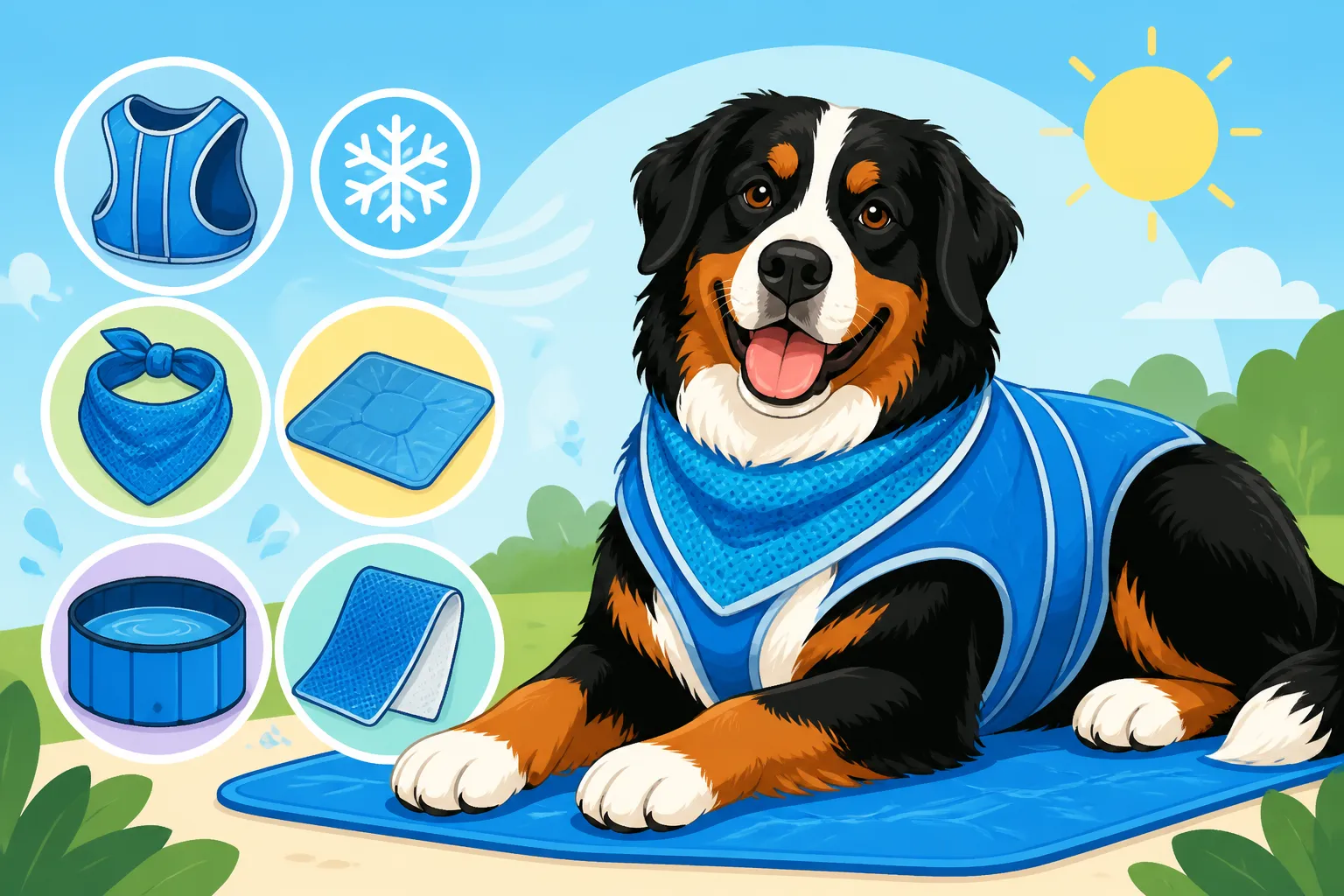
Cooling Gear for a Bernese Mountain Dog
Living with a Bernese Mountain Dog, especially when the weather warms up, brings a unique set of challenges. Their magnificent double coats, while perfect for snowy Swiss Alps, become a heavy burden in even moderately warm climates, leading to rapid overheating and potential heatstroke. This guide is here to help you understand the array of cooling gear available and how to effectively use it to keep your beloved Berner comfortable, safe, and happy during those warmer days.
Why Your Berner Needs Special Cooling Care
It’s not just about their thick fur; Bernese Mountain Dogs have a physiological makeup that makes them particularly susceptible to overheating. Understanding these factors is the first step in providing them with the best care.
The Double Coat Dilemma
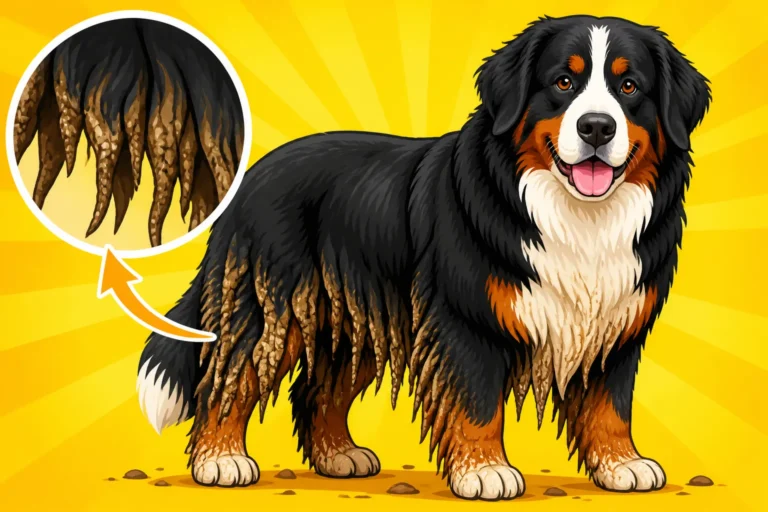
That gorgeous, lush double coat that defines the Bernese Mountain Dog is an incredible insulator against cold, but it works both ways. It traps heat close to their body, making it incredibly difficult for them to cool down once temperatures rise. Unlike humans who sweat efficiently through their skin, dogs primarily cool themselves by panting, which is a less efficient process. When they have a dense coat acting like a winter jacket in summer, their internal temperature can climb dangerously fast. Many new Berner owners are tempted to shave their dogs, thinking it will help, but often The Case Against Shaving a Bernese Mountain Dog in June will reveal that it can actually make things worse by removing their natural insulation and exposing their skin to harmful UV rays.
Their undercoat, which is typically quite soft and dense, sheds out in large quantities during spring and early summer. However, if this shedding isn't managed through regular grooming, it can mat and hold even more heat. It’s a constant battle to keep that coat functional for heat regulation. Imagine wearing a heavy wool sweater and a thick down jacket on a warm day – that's often what our Berners are dealing with if their coats aren't properly maintained and the environment isn't managed with care.
Breed-Specific Heat Sensitivity
Beyond their coat, Bernese Mountain Dogs are simply not built for heat. They originated in the Swiss Alps, where cool temperatures and snow are the norm, not the exception. Their ancestors thrived in conditions that would cause a modern Berner to wilt within minutes. This means their internal thermostat is set for cooler weather, and they don't have the same heat tolerance as many other breeds. Factors like their size and metabolic rate also play a role; larger dogs generally generate more body heat and can take longer to dissipate it.
Because of this inherent sensitivity, owners need to be extra vigilant. What might be a comfortable spring day for you could be pushing your Berner into a dangerous zone. It’s not uncommon for a Bernese Mountain Dog to become lethargic and slow down considerably when the ambient temperature reaches even 70°F, let alone higher. The Temperature a Bernese Mountain Dog Stops Coping is often lower than owners realize. This sensitivity underscores why proactive cooling measures, including a variety of specialized gear, are absolutely crucial for their well-being.
Everyday Cooling Essentials for Your Home
Keeping your Bernese Mountain Dog comfortable indoors is just as important as protecting them outside. Thoughtful use of home cooling gear can make a world of difference.
Cooling Mats and Beds
Cooling mats are an absolute game-changer for many Bernese Mountain Dog owners. These mats typically come in two main types: gel-based and water-filled. Gel mats usually contain a non-toxic gel that activates with pressure, absorbing and dissipating your dog's body heat for several hours. They don't require refrigeration or electricity, which makes them incredibly convenient. Water-filled mats, on the other hand, are filled with water and often have a permeable surface that allows some evaporative cooling. Both types provide a significantly cooler surface than the floor or a regular dog bed, offering your Berner a dedicated spot to chill out.
When choosing a cooling mat, size is paramount. Your Berner needs to be able to stretch out fully on it to maximize contact and cooling effect. Look for durable, chew-resistant materials, especially if you have a younger or more playful dog. You can find a wide range of options on platforms like Chewy, which often details material composition and user reviews to help you make an informed choice. Placing these mats in your Berner's favorite resting spots, like under a window or near a fan, can enhance their effectiveness and encourage your dog to use them.
Strategic Fan Placement
While a cooling mat provides contact cooling, fans circulate air and aid in evaporative cooling, which is vital for dogs who pant to cool down. Simply having a fan blowing aimlessly might not be enough for a thick-coated Berner. Strategic placement is key. Position fans at your dog's level, directing the airflow specifically towards their body or resting area. Consider using multiple fans to create a cross-breeze, especially in rooms where your Berner spends a lot of time.
Large, oscillating floor fans or even box fans can be very effective. Some owners even experiment with placing a bowl of ice water in front of a fan to create a localized "air conditioning" effect, as the fan blows over the melting ice and distributes cooler, slightly humidified air. This can be particularly helpful during peak heat hours. Remember, these are not substitutes for proper air conditioning in extreme heat, but they are excellent supplementary tools.
Hydration Helpers
It goes without saying that constant access to fresh, cool water is fundamental for preventing overheating. However, "hydration helpers" go a step beyond the basic bowl. Large, heavy ceramic or stainless steel bowls are excellent because they resist tipping and are less likely to harbor bacteria than plastic. Placing multiple water bowls around the house, especially in areas where your Berner rests, ensures they always have easy access without having to trek across the house.
For extra cooling, consider adding a few ice cubes to their water bowl throughout the day. Some Berners enjoy licking ice cubes directly, which can be a fun and hydrating treat. Another fantastic option is a chilled slow-feeder bowl or puzzle toy filled with frozen broth or plain yogurt. This provides both mental stimulation and a cooling snack. Automatic water fountains can also encourage more frequent drinking by providing circulating, filtered water, which many dogs find more appealing than stagnant water. You can find robust, large-capacity fountains on sites like Amazon, ensuring your Berner has plenty of water even when you're not home to refill.
Gear for Outdoor Adventures and Walks
Even with their heat sensitivity, Berners still need mental and physical exercise. The right gear makes safe outdoor time possible when the weather isn't scorching.
Cooling Vests and Bandanas
When you absolutely must take your Bernese Mountain Dog outside on a warmer day for a quick potty break or a very short, early morning stroll, cooling vests and bandanas are indispensable. Cooling vests work by using evaporative cooling. You typically soak the vest in cold water, wring out the excess, and then put it on your dog. As the water evaporates from the fabric, it draws heat away from your dog's body. Some vests also incorporate reflective materials to bounce sunlight away. Cooling bandanas work on a similar principle, often focusing on the neck area where major blood vessels are close to the surface, helping to cool the blood circulating throughout the body.
The key to effectiveness with vests and bandanas is to keep them wet. On particularly humid days, or if you're out for a longer period, you might need to re-wet them periodically. Make sure the fit is snug but not restrictive, allowing for good air circulation around the vest. While these items are not magic shields against extreme heat and should never encourage you to take your Berner out in unsafe conditions, they can provide a vital layer of protection for necessary outdoor excursions. Brands available on Chewy often have detailed sizing guides, which is critical for a large breed like a Berner.
Protecting Paws from Hot Pavement
We often focus on our dogs' core body temperature, but their paws are also highly vulnerable to heat. Hot pavement, asphalt, and even sand can reach searing temperatures that can quickly burn your Berner’s paw pads. If it's too hot for you to comfortably hold your hand on the pavement for five seconds, it's too hot for your dog's paws. Pavement Temperature and a Bernese Mountain Dog's Pads highlights this very real danger.
The best defense is avoidance: walk your Berner on grass or shaded trails during warmer periods, or stick to very early morning or late evening outings. However, if walking on hot surfaces is unavoidable, dog booties can offer protection. Look for booties with thick, durable soles that provide good insulation. It might take some time and positive reinforcement to get your Berner accustomed to wearing them, but the protection they offer against burns and discomfort is invaluable. Regular checks of your dog’s paw pads are also essential, looking for any signs of redness, blisters, or tenderness.
Portable Cooling Solutions for Travel and Errands
Life with a Bernese Mountain Dog often involves trips to the vet, visits to friends, or even just short car rides. Keeping them cool on the go requires specific portable solutions.
Car Cooling and Ventilation
A parked car, even with windows cracked, can quickly become a death trap for any dog, let alone a heat-sensitive Bernese Mountain Dog. Temperatures inside a car can rise by 20 degrees Fahrenheit in just 10 minutes. Therefore, never leave your Berner unattended in a car on a warm day. When driving, ensuring adequate cooling and ventilation is paramount. Use your car's air conditioning system, setting it to a comfortable temperature, and direct vents towards the rear if your Berner rides in a crate or the cargo area.
For dogs riding in crates, consider battery-operated crate fans. These small, powerful fans clip onto the crate and provide a steady stream of air, enhancing circulation within the confined space. Some models even have a misting function or can hold a small cooling pack. If your Berner is riding in the cargo area of an SUV, a fan placed at the rear can help move air from the front cabin. Always provide a non-spill water bowl or bottle for hydration during travel. The Temperature a Bernese Mountain Dog Stops Coping article emphasizes how quickly a Berner can succumb to heat in a confined space.
On-the-Go Water and Shade
Staying hydrated is just as important when out and about as it is at home. Carrying a portable water bottle specifically designed for dogs, with an attached bowl or dispenser, is a must. Many options are available, from squeeze bottles that fill a small cup to collapsible silicone bowls that can be stashed easily. Always pack more water than you think you'll need, especially on longer excursions. A small cooler with ice and extra water bottles can be a lifesaver.
Finding shade is your next best friend when you're away from home. If you're stopping at a park or outdoor event, seek out natural shade from trees. If shade is scarce, a portable sun canopy or even a large umbrella can create a crucial cool spot for your Berner. These simple measures can prevent your dog from overheating during unexpected stops or extended periods outdoors. Remember, it's not just direct sun; even in the shade, ambient temperatures can be too high for a Bernese Mountain Dog.
When to Invest in Specialized Cooling Gear
While everyday essentials are a great start, certain situations or environments might warrant investing in more specialized, often more costly, cooling equipment. These aren't just luxuries; they can be necessities for a Berner's health and comfort.
Dedicated Outdoor Dog Pools
Many Bernese Mountain Dogs absolutely adore water, and a dedicated outdoor dog pool can be a fantastic way for them to cool off and play safely in their own backyard. Unlike human kiddie pools, dog pools are typically made from thicker, more durable materials that can withstand claws and enthusiastic play. They don't have inflatable rings that can be easily punctured. Look for pools that are easy to fill, empty, and clean.
A dog pool allows your Berner to wade, splash, and lie down in cool water, providing comprehensive body cooling. Place the pool in a shaded area of your yard to keep the water cooler for longer. Supervise your dog during pool time, especially if they are new to water or prone to drinking large quantities, as too much ingested water can be problematic. This is a particularly joyful way to help your Berner manage the heat, turning a potentially uncomfortable day into a fun one. You can browse various robust dog pool options on Amazon.
Raised Beds and Cots
Raised dog beds or cots, often made with mesh or breathable fabric, offer a simple yet effective cooling solution, especially for outdoor use or in rooms with good airflow. By elevating your Bernese Mountain Dog off the hot ground or floor, these beds allow air to circulate freely underneath them. This prevents heat buildup from direct contact with a warm surface and aids in convection cooling around their entire body.
These beds are surprisingly durable and easy to clean, making them a practical investment. They can be used indoors, on porches, or even taken on camping trips. While they don't actively "cool" like a gel mat, the passive airflow they provide can make a significant difference in your Berner's comfort level, especially when paired with a fan or placed in a shady spot. For an arthritic Bernese Mountain Dog, a raised bed also offers orthopedic support, combining comfort with cooling.
Smart Strategies to Maximize Cooling Gear Effectiveness
Having the right gear is only half the battle. Knowing how to integrate it into your daily routine and manage its use is crucial for your Berner's well-being.
Timing Your Outings
This is perhaps one of the most critical strategies for any Bernese Mountain Dog owner. Avoiding the hottest parts of the day is non-negotiable. The Hours a Bernese Mountain Dog Should Not Walk are typically between 10 AM and 4 PM, but this window can expand significantly on very hot or humid days. Plan all outdoor activities, including walks, potty breaks, and playtime, for the early morning or late evening hours when temperatures are at their lowest.
Even during cooler parts of the day, keep outings short and focused. A quick sniff-walk is often better than a long, strenuous hike. Observe your Berner closely for any signs of overheating – excessive panting, lethargy, drooling, or seeking shade are all red flags. If you see these signs, it's time to head home immediately and begin active cooling. Remember that asphalt and pavement retain heat long after the sun has set, so even evening walks require paw protection.
Maintenance and Care of Cooling Products
Just like any other piece of equipment, cooling gear needs proper care to remain effective and hygienic. For cooling vests and bandanas, regular washing according to the manufacturer's instructions is essential to prevent mildew and odors, especially since they are constantly wet. Ensure they are completely dry before storing to avoid bacterial growth.
Cooling mats, especially gel-filled ones, should be wiped down regularly to remove dirt and dander. Check them for any punctures or leaks, as ingested gel can be harmful. For dog pools, empty and clean them frequently to prevent algae growth and insect breeding. Replace the water daily to keep it fresh and cool. For crate fans, periodically clean the blades and ensure batteries are fresh or charged. A well-maintained piece of cooling gear is not only more effective but also safer for your beloved Berner. Summer Routines for a Bernese Mountain Dog often includes a thorough cleaning schedule for all their warm-weather accessories.
Comparison of Popular Cooling Gear
| Cooling Gear Type | How It Works | Pros | Cons | Best Use Case |
|---|---|---|---|---|
| Cooling Mat (Gel) | Pressure-activated gel absorbs body heat | No electricity/refrigeration, portable, immediate relief | Can get warm after prolonged use, puncture risk | Indoor resting, crate lining, car rides |
| Cooling Mat (Water) | Water-filled, sometimes evaporative cooling | Stays cool longer, can be very comfortable | Requires filling, heavier, potential for leaks | Indoor resting, dedicated cool spot |
| Cooling Vest | Evaporative cooling from wet fabric | Excellent for active cooling during walks/outings | Needs re-wetting, can make coat damp, less effective indoors | Short outdoor excursions, hiking (mild weather) |
| Cooling Bandana | Evaporative cooling around the neck | Lightweight, simple, targets major blood vessels | Limited cooling area, needs re-wetting | Quick outdoor breaks, mild heat, supplementary cooling |
| Dog Pool | Immersion in cool water | Full body cooling, fun, engaging | Requires space, supervision, regular cleaning | Backyard play, active cooling, hot days at home |
| Raised Cot Bed | Elevates dog for airflow underneath | Promotes passive cooling, orthopedic support, durable | Does not actively cool, needs good ambient airflow | Outdoor patios, well-ventilated rooms, camping |
| Crate Fan | Circulates air within confined spaces | Essential for car travel/crates, battery-operated | Limited to small areas, battery life, noise | Crates, car travel, specific resting spots with limited air |
Disclaimer
This article is for general informational purposes only and does not constitute professional advice. Laws, prices and regulations vary by location and change over time. Consult a qualified professional for guidance on your specific situation.