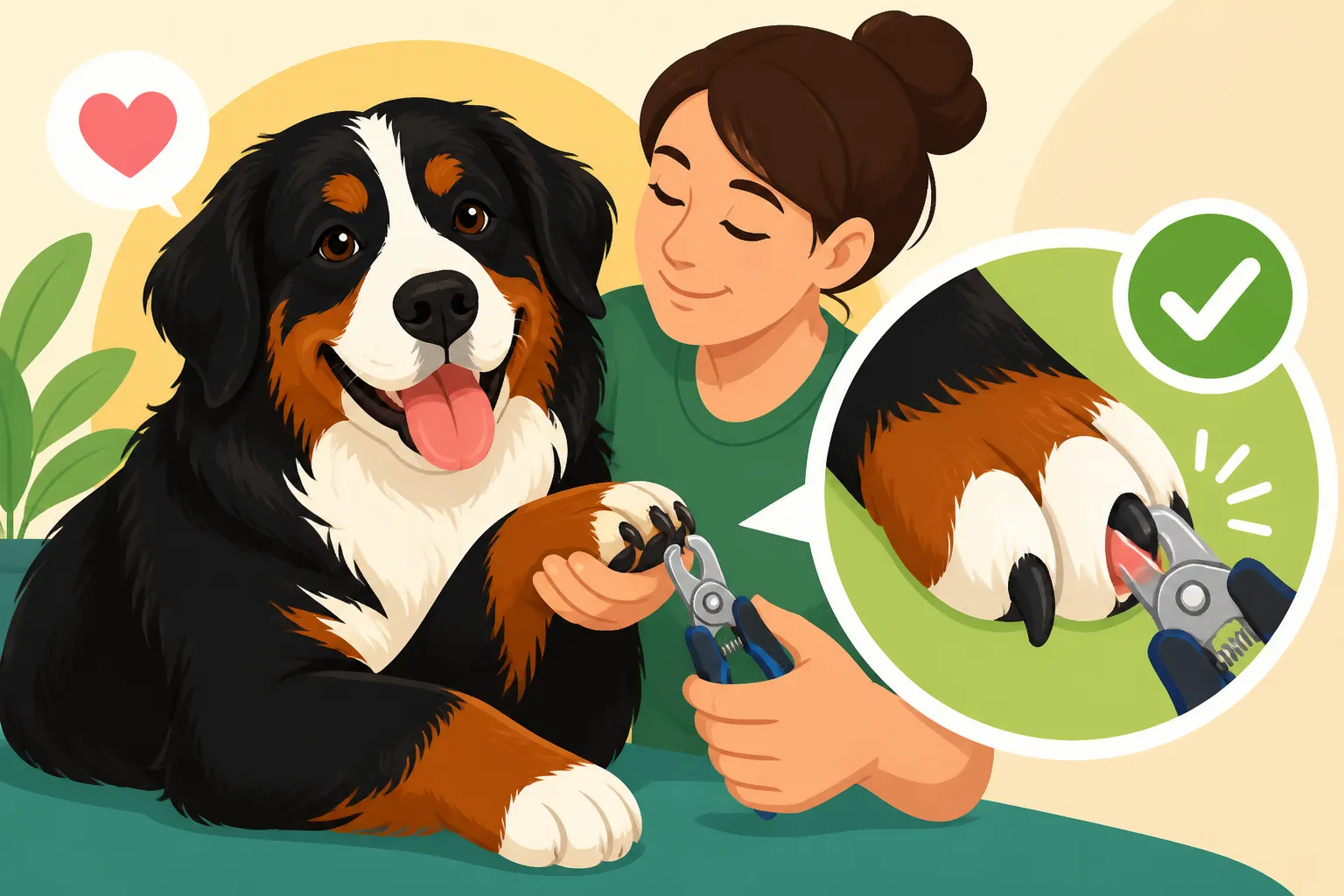
Cutting a Bernese Mountain Dog’s Nails Without a Fight
If you've ever found yourself wrestling a majestic, hundred-pound Bernese Mountain Dog, trying to trim those ever-growing claws, you know the struggle is real. It's a dance of avoidance, anxiety, and sometimes, outright fear – for both of you! Those powerful paws and thick, black nails can make nail care feel like an impossible task. This guide is here to walk you through strategies, tools, and patient techniques to make cutting your Bernese Mountain Dog's nails a calmer, more positive experience for everyone involved.
Understanding the Bernese Mountain Dog's Nails
Before we dive into the how-to, let's talk a little about those formidable paws and why nail care is so crucial, especially for a large breed like our beloved Berners. Their nails aren't just cosmetic; they're integral to their posture, mobility, and overall comfort.
The Challenge of Black Nails: Why It's Harder to See the Quick
One of the biggest frustrations for many Bernese Mountain Dog owners, and frankly, anyone with a dark-nailed dog, is the sheer impossibility of seeing the "quick." The quick is that sensitive, living part of the nail that contains blood vessels and nerves. On light-colored nails, it's a visible pinkish area, making it easy to know where to stop. With black nails, it's a terrifying guessing game.
You're essentially flying blind, trying to take off just enough without hitting that painful, bleeding area. It’s a nerve-wracking process that can make both you and your Berner incredibly anxious. The fear of causing pain often leads owners to trim too little, or to avoid it altogether, which only perpetuates the problem of overgrown nails. It's a common dilemma, and one that often causes more stress than any other grooming task for many large dog owners.
Consequences of Overgrown Nails: Health Impacts and Discomfort
Beyond the cosmetic aspect, overgrown nails pose significant health risks and cause immense discomfort for your Bernese Mountain Dog. Imagine trying to walk around all day in shoes that are several sizes too small, pushing your toes back with every step – that's essentially what long nails do to your dog's paws.
When nails get too long, they push against the ground, forcing the toes upwards and putting unnatural pressure on the paw pads and joints. This can lead to splayed feet, chronic pain, and even changes in gait. Over time, this constant pressure can contribute to conditions like arthritis, especially in a breed already prone to joint issues such as Joint Disease in a Hundred Pound Bernese Mountain Dog. It can make simple acts like standing, walking, or running painful. Long nails are also more prone to snagging and tearing, which can be incredibly painful and often requires a vet visit. A torn nail is not only distressing but can also be a gateway for infection.
Bernese Mountain Dog Temperament and Nail Trims: How Their Sensitive Nature Plays a Role
Bernese Mountain Dogs are renowned for their sweet, gentle, and often sensitive dispositions. While this makes them wonderful companions, it also means they can be particularly susceptible to negative associations, especially when it comes to things they find uncomfortable or scary. A single bad experience with nail trimming – perhaps an accidental quicking or a forceful restraint – can deeply impact their willingness to cooperate in the future.
Their trust is precious, and once broken, it takes considerable patience and effort to rebuild. Because they are so large, physically overpowering a fearful Berner is not only difficult but also highly detrimental to your bond. They are not dogs that respond well to harsh corrections; instead, they thrive on positive reinforcement and gentle guidance, as explored in Training a Bernese Mountain Dog Without Breaking It. This sensitivity means that a calm, reassuring approach is paramount, and any sign of stress from your dog should be taken seriously and addressed with compassion. Their size means you can’t simply hold them down; you need their cooperation, and that comes from building positive experiences.
The Tools of the Trade
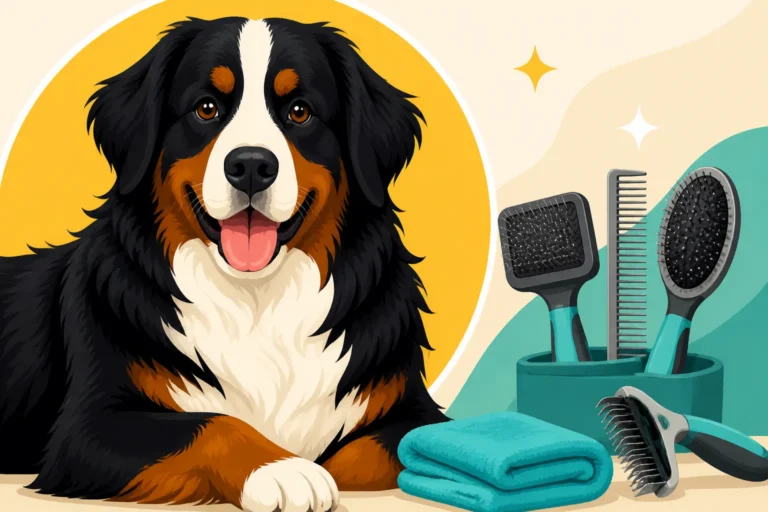
Having the right equipment can make a world of difference when it comes to tackling your Berner's tough nails. It's not just about what you use, but also about ensuring it's sharp, clean, and appropriate for their size.
Choosing the Right Clippers: Scissor-Style vs. Guillotine
When it comes to clippers, you typically have two main types to consider: scissor-style and guillotine-style. For a large breed like a Bernese Mountain Dog, robust, sharp clippers are essential. Dull clippers will only crush the nail, causing pain and making the whole process even more unpleasant.
Scissor-style clippers, like the Safari Professional Nail Trimmer or the Millers Forge Stainless Steel Nail Clipper, resemble a pair of scissors with curved, sharp blades. They are generally favored by many owners of large dogs because they offer good leverage and control, and can easily handle thick, strong nails without splintering. You position the nail between the blades and squeeze, much like cutting with scissors.
Guillotine-style clippers, such as the Resco Deluxe Dog Nail Clippers, have a small hole through which you insert the nail. A blade then slides across, "guillotining" off the tip. While popular for smaller to medium dogs, they can sometimes struggle with the sheer thickness of a Bernese Mountain Dog's nails, and if the blade isn't perfectly sharp, they might crush rather than cut cleanly.
Ultimately, the choice comes down to personal preference and what feels most comfortable and effective in your hand. Many professionals use scissor-style for large breeds, finding them more reliable for those substantial nails. You can find a wide variety of these tools, from heavy-duty clippers to various models of grinders, on sites like Amazon or Chewy. It's always a good idea to have a few different options on hand to see what works best for you and your dog.
The Benefits of a Nail Grinder: A Less Invasive Option
For many Bernese Mountain Dog owners, a nail grinder becomes a game-changer, especially given the challenge of black nails. Instead of cutting, a grinder files down the nail with a rotating abrasive head. This approach has several distinct advantages:
Firstly, it's a gradual process. You remove small amounts of nail at a time, making it much less likely to hit the quick. This is particularly reassuring when you can't see the quick on black nails. You can watch for a small grey or black dot to appear in the center of the clipped nail, indicating you're getting close to the quick and should stop.
Secondly, many dogs tolerate the grinding sensation better than the sudden, sharp pressure of clippers. While the buzzing sound and vibration can initially be startling, with proper desensitization, many Berners learn to relax. The grinder also leaves a smoother edge, preventing sharp edges that can scratch floors or people. Brands like Dremel offer popular pet-specific grinders that are relatively quiet and effective. While some Berners might be wary of the sound, especially given their sensitive nature, a slow and positive introduction can often lead to acceptance.
Essential Safety Supplies: Styptic Powder and Its Importance
No matter how careful you are, accidents happen. Even the most experienced groomers can occasionally "quick" a dog, especially with black nails. That's why styptic powder is an absolute must-have in your nail trimming kit. It's a clotting agent that helps stop bleeding quickly if you accidentally cut into the quick.
Products like Kwik Stop or Miracle Care Kwik Stop Styptic Powder are readily available. You simply apply a small pinch of the powder directly to the bleeding nail and apply gentle pressure. It works by constricting the blood vessels and forming a clot. Having it within arm's reach before you even begin trimming will give you peace of mind and allows you to quickly address any mishaps, preventing prolonged bleeding and unnecessary distress for your Bernese Mountain Dog. A bleeding nail, while not usually serious, can be quite frightening for a dog, so being prepared can make the recovery process much smoother.
Here's a quick comparison of clippers vs. grinders:
| Feature | Nail Clippers (Scissor-style) | Nail Grinder (Dremel-style) |
|---|---|---|
| Method | Cuts off a portion of the nail with sharp blades. | Files down the nail gradually with a rotating abrasive head. |
| Speed | Generally quicker for experienced users. | Slower, more meticulous process. |
| Precision | Requires good judgment to avoid the quick, especially with dark nails. | Allows for small, controlled removals, reducing quicking risk. |
| Noise/Vibration | Silent, but produces a sudden pressure/snap. | Produces a buzzing sound and vibration, which can be initially startling. |
| Resulting Edge | Can leave sharp edges if not filed afterward. | Leaves a smooth, rounded edge. |
| Ease of Use | Can be intimidating due to quicking risk. | Can require desensitization to noise/vibration. |
| Cost | Generally less expensive. | Can be a higher initial investment, but durable. |
Building Positive Associations
The key to a calm nail trimming experience, especially with a large, sensitive breed like the Bernese Mountain Dog, lies in building trust and positive associations. It's not just about the trim itself, but the entire ritual surrounding it.
Starting Young: Desensitization for Puppies
If you have a Bernese Mountain Dog puppy, you have a golden opportunity to make nail trims a non-event. Start early, even before their nails truly need trimming. This process is called desensitization, and it involves gradually introducing your puppy to the tools and sensations in a positive, low-stress way.
Begin by simply handling their paws regularly. Gently touch their toes, spread their pads, and touch their nails. Do this multiple times a day, for just a few seconds at a time, always pairing it with calm praise and high-value treats. As they become comfortable, introduce the clippers or grinder. Don't actually trim; just let them see and smell the tool. Touch the tool to their paws without engaging it. Turn the grinder on briefly in another room, then closer, always associating the sound with treats.
Eventually, you can touch the turned-off grinder to their nails, then briefly touch the turned-on grinder to one nail, immediately followed by a big reward. The goal is to build a mental link: "Nail tools mean good things!" By doing this consistently, you're teaching them that nail care is a normal, even pleasant, part of life, preventing the fear and resistance that often develops later. Remember, a Bernese Mountain Dog puppy grows quickly, but their mental development and willingness to learn are best leveraged in these early stages, much like the foundation built during The Puppy Shot Series for a Bernese Mountain Dog.
Making it a Treat-Filled Experience: High-Value Rewards
For a Bernese Mountain Dog, food is often a powerful motivator. When you're working on nail trims, don't just use any old kibble. Break out the good stuff – tiny pieces of cooked chicken, cheese, or specialized training treats. These are called "high-value rewards" because your dog will do almost anything for them.
The strategy is simple: every touch, every lift of a paw, every snip or grind, no matter how small, is immediately followed by a treat and enthusiastic praise. The goal is to create a positive conditioned emotional response. Your Berner should start to think, "Oh, they're touching my paw? Great! Chicken time!" This positive reinforcement counteracts any discomfort or anxiety they might feel. If you only manage one nail in a session, that's a win! Celebrate it. You can even smear peanut butter or a soft treat on a lick mat or wall to distract them while you work. Investing in high-quality, high-value treats is key, and you might find your Berner loves specific brands available from pet supply retailers like Ollie or local specialty shops.
Regular Handling and Paw Massages: Building Trust
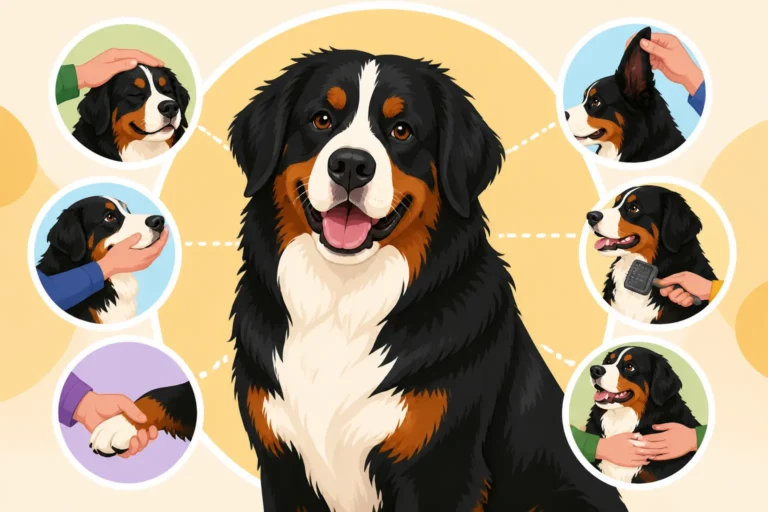
Beyond scheduled nail trims, incorporate regular, gentle paw handling into your daily routine. This isn't just about preparing for a trim; it's about building a deep level of trust and comfort around their paws, which are naturally sensitive areas for most dogs.
When you're relaxing on the couch, gently pick up a paw and massage it. Run your fingers between their pads, lightly touch each toe, and briefly hold each nail. Speak in a soothing voice, praising them for their calm demeanor. Do this without any intention of trimming their nails. The more desensitized they become to having their paws touched, the less likely they are to react negatively when you bring out the actual tools. This daily ritual strengthens your bond and teaches your Bernese Mountain Dog that paw handling is a normal, safe, and even enjoyable interaction with you. The Weekly Handling a Bernese Mountain Dog Should Accept is a critical step in building this foundation of trust for all grooming tasks.
Techniques for a Stress-Free Trim
Once your Berner is comfortable with the idea of paw handling and the sight of the tools, it's time to put those positive associations to work with practical trimming techniques.
Finding the Quick in Black Nails: Tips and Tricks
This is the holy grail for black-nailed dog owners! Since you can't see the quick from the side, you need a different strategy. The most common and safest method is to trim small amounts at a time, looking at the cross-section of the nail.
Start by snipping off only the very tip of the nail. After each small snip, look at the cut surface. You'll initially see a whitish-grey outer ring, followed by a darker, often black or greyish-brown center. This dark center is the healthy part of the nail. As you continue to take off tiny slivers, you'll eventually start to see a small, dark, shiny dot appear in the center of the dark ring. This is your cue! That dark dot indicates you are very close to the quick. Stop trimming that nail immediately. If you keep going, you'll hit the quick.
Another tip: for Berners, the quick tends to recede if nails are kept consistently short. If their nails are very long, the quick will also be long. You'll need to trim frequently, taking off just a tiny bit each time, to encourage the quick to recede over weeks and months. This process requires immense patience and consistency. Using a bright flashlight can also sometimes help; shine it from the back of the nail to see if any light passes through, which can give you a hint of where the quick ends, though this is less reliable with truly opaque black nails.
The Art of the "Little and Often" Approach: Preventing Fear
Trying to do all twenty nails in one go, especially if your Bernese Mountain Dog is already a bit wary, is a recipe for disaster. Instead, adopt the "little and often" approach. This means trimming only a few nails at a time, or even just one, multiple times a week.
For instance, you might do two nails on Monday, two more on Tuesday, and so on. Each session should be brief and end on a positive note, regardless of how many nails you managed. If your dog starts to show signs of stress – lip licking, yawning, pulling away, or trying to avoid you – stop immediately. Don't push them past their comfort level. End the session, give a final treat, and try again later or the next day. This method prevents your Bernese Mountain Dog from building up anxiety about the entire process, as they know it will be quick and rewarding. It reinforces the idea that nail trimming is not a big, scary ordeal, but just a small, routine interaction that always leads to good things. This consistent, low-pressure exposure helps even a dog with a sensitive disposition learn to tolerate or even enjoy the experience, and it's far better than overwhelming them and undoing all your hard work.
Proper Positioning and Restraint: Safely Managing a Large Dog
Managing a Bernese Mountain Dog, who can easily weigh over 100 pounds, requires thoughtful positioning and gentle, yet firm, restraint. You can’t simply overpower them; you need to create a comfortable, secure environment.
One popular method is to have your Berner lie down on their side, with you kneeling or sitting alongside them. This position often makes them feel less vulnerable than standing, and it gives you good access to their paws. Another option is to have them stand, and you can either sit on the floor or have them on a non-slip mat at a comfortable height for you. For the standing method, you might find it helpful to gently lift a paw and tuck it back slightly so the leg is bent at the elbow or knee, giving you a clear view of the nail.
Crucially, avoid physical punishment or intimidation. This will only make a Bernese Mountain Dog more resistant and could damage your bond. Instead, use a calming voice, constant praise, and treats. If you have a partner, one person can gently hold and distract the dog with treats while the other trims. For particularly wiggly or nervous dogs, a "hug hold" where you gently cradle them close to your body can provide a sense of security without being forceful. Remember, the goal is to make them feel safe, not trapped. If they are showing severe resistance, do not force it. You might need to seek professional help from a vet or a certified positive reinforcement groomer who can offer guidance on managing a reluctant dog. For other scenarios requiring gentle handling, consider reading Handling a Bernese Mountain Dog at the Vet.
Troubleshooting Common Issues
Even with the best intentions and techniques, you might encounter challenges. It's important to know how to respond to common issues like fear, resistance, or the dreaded accidental quicking.
Overcoming Fear and Anxiety: Gradual Exposure and Counter-Conditioning
If your Bernese Mountain Dog already displays fear or anxiety around nail trims, the "starting young" advice might feel a bit late! But it's never too late to use similar desensitization and counter-conditioning techniques. This involves slowly reintroducing positive associations to override past negative ones.
Begin with where your dog is comfortable. If they panic at the sight of clippers, put the clippers away. Start by simply sitting near your dog and gently touching their paws for a few seconds, immediately followed by a high-value treat and praise. Do this several times a day for a few days until they are completely relaxed with paw touches. Then, introduce the clippers (or grinder). Just show it to them, give a treat. Hide it. Repeat. Slowly, gradually, move the clippers closer, touch them to a toe, then to a nail, without actually trimming, always treating and praising. This might take days, weeks, or even months, depending on the severity of their fear. The key is to never push them past their comfort threshold and to always end on a positive note. Counter-conditioning literally changes their emotional response from fear to anticipation of something good. If you find your Berner is particularly aloof or wary of new things, you might find some useful insights in A Bernese Mountain Dog That Is Aloof With Strangers.
Dealing with Resistance and Aggression: When to Seek Professional Help
Some Bernese Mountain Dogs, especially those with severe fear or past traumatic experiences, might exhibit strong resistance, growling, snapping, or even trying to bite. This is a serious signal that your dog is genuinely distressed and feels threatened. In these situations, forcing the issue is dangerous for both you and your dog, and will only escalate the problem.
If you encounter aggression or extreme resistance, it is crucial to stop and seek professional help. This could be from a certified professional dog trainer specializing in positive reinforcement, a veterinary behaviorist, or a Fear Free certified groomer or vet technician. They can assess the underlying cause of the aggression (which is often rooted in fear) and develop a tailored behavior modification plan. They might also be able to safely perform the nail trim while guiding you on how to continue the desensitization at home. Sometimes, dogs might even require medication for anxiety to help them get over the initial hurdle. Remember, your Berner isn't being "stubborn" or "dominant"; they are communicating their extreme discomfort or fear, and it's our job to listen and respond safely.
When You Accidentally Cut the Quick: First Aid and Recovery
It's the moment every dog owner dreads: you've cut too deep, and blood appears. Don't panic! It happens to the best of us, especially with black nails. Your primary goal is to stop the bleeding quickly and minimize your dog's distress.
- Stay Calm: Your dog will pick up on your anxiety. Take a deep breath.
- Apply Styptic Powder: Immediately grab your pre-positioned styptic powder. Take a pinch and firmly press it onto the bleeding nail. Hold it there for about 30 seconds to a minute. If you don't have styptic powder, cornstarch or flour can work in a pinch, though they are less effective.
- Offer Reassurance: Once the bleeding is controlled, gently reassure your Bernese Mountain Dog. Give them a high-value treat. Let them know it's okay.
- Monitor: Keep an eye on the nail for the next hour or so to ensure the bleeding doesn't restart, especially if your dog walks on hard surfaces.
- Rebuild Trust: After a quicking incident, your dog's trust might be shaken. For the next few days, avoid attempting any more trims. Go back to basics: gentle paw handling paired with lots of treats and praise. The next time you try to trim, make sure it's an extremely short, positive session. The pain of quicking is usually fleeting, but the memory of the fear can linger, making a slow, trust-building approach essential. It’s a good moment to reflect on their ability to Whether a Bernese Mountain Dog Hides Discomfort, so be extra vigilant for subtle cues.
Maintaining Nail Health Beyond Trimming
Nail trims are a crucial part of your Bernese Mountain Dog's overall health and well-being, but they are just one piece of the puzzle. A holistic approach to paw and nail care will benefit your Berner immensely.
Exercise and Natural Wear: Walking on Appropriate Surfaces
Regular exercise on suitable surfaces can be a fantastic, natural way to help keep your Bernese Mountain Dog's nails from getting too long. Think about it: dogs in the wild naturally wear down their nails as they move over varied terrain.
Hard, abrasive surfaces like concrete sidewalks, asphalt paths, or even packed gravel can help file down the tips of their nails with every step. Taking your Berner for daily walks on such surfaces can significantly reduce the frequency of manual trimming you need to do. However, be mindful of paw pad health on very hot pavement or sharp gravel. Soft surfaces like grass, dirt trails, or carpeting offer little to no natural nail wear, so if your dog primarily exercises on these, you'll need to be diligent with trimming. Remember that a growing Bernese Mountain Dog puppy needs careful monitoring of exercise to protect their developing joints, as mentioned in How Little a Bernese Mountain Dog Puppy Should Do, so balance natural wear with appropriate activity levels.
Diet and Supplements: Supporting Nail Strength
While diet won't magically shorten your Bernese Mountain Dog's nails, good nutrition plays a role in overall nail health and strength. Healthy nails are less prone to brittleness, splitting, or cracking, which can be painful and lead to further issues.
Ensure your Berner is on a high-quality, balanced dog food appropriate for large breeds. Look for ingredients that support skin and coat health, which often correlates with nail health. Omega-3 fatty acids, found in fish oils or certain supplements, can contribute to healthy skin, coat, and nails. Biotin is another supplement sometimes recommended for improving nail strength and reducing brittleness. However, always consult with your veterinarian before adding any supplements to your dog's diet, as they can advise on the correct dosage and ensure it's appropriate for your individual dog's needs. Proper nutrition and joint support are particularly important for these large dogs, and you might consider insights from Starting a Bernese Mountain Dog on Joint Medication Young.
When to Call a Professional Groomer or Vet: Knowing Your Limits
There's absolutely no shame in admitting that some tasks are best left to the professionals. If you consistently struggle with trimming your Bernese Mountain Dog's nails, or if your dog becomes overly stressed, aggressive, or fearful, a professional groomer or veterinary technician can be an invaluable resource.
Many professional groomers are highly skilled in handling large dogs and using techniques that minimize stress. They often have specialized tools, training, and experience with various temperaments. Look for groomers who practice "Fear Free" techniques or who emphasize positive reinforcement. A veterinary technician can also perform nail trims, and this is a great option if your dog has underlying anxiety or health issues that make grooming challenging. They can perform the trim quickly and efficiently, and if necessary, a vet can discuss options for mild sedation for extremely fearful dogs, ensuring the experience is as trauma-free as possible. Remember, prioritizing your Bernese Mountain Dog's emotional well-being over your own desire to do everything yourself is a sign of a responsible and loving owner. Sometimes, outsourcing this task is the kindest thing you can do for your furry friend, and it's part of understanding the full scope of What a Bernese Mountain Dog Groom Costs. For very large or elderly dogs, getting help with grooming can also be crucial, as detailed in Grooming a Bernese Mountain Dog Too Big to Lift.
Disclaimer
This article is for general informational purposes only and does not constitute professional advice. Laws, prices and regulations vary by location and change over time. Consult a qualified professional for guidance on your specific situation.