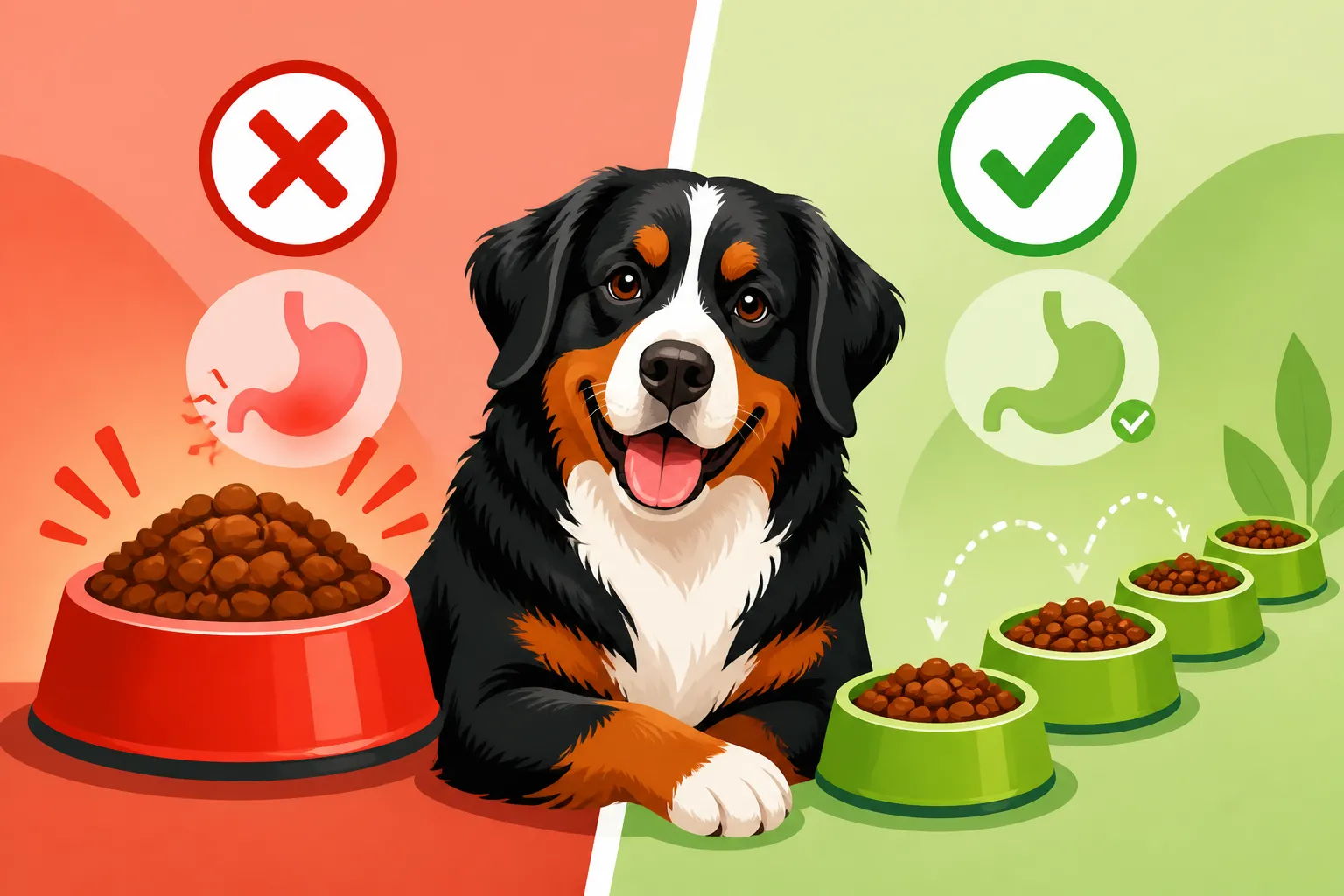
Why a Bernese Mountain Dog Never Gets One Big Meal
It's a common thought: "My big Bernese Mountain Dog needs one big meal to fill that big belly!" But this seemingly logical approach can actually put your beloved Berner at serious risk. Feeding a Bernese Mountain Dog one large meal a day, while perhaps convenient for us busy humans, goes against their unique physiological needs and significantly increases the chances of a life-threatening condition. This guide will explain exactly why smaller, more frequent meals are crucial for your Berner's health and well-being, and how to implement a feeding routine that keeps them happy and safe.
The Unique Digestive Challenges of a Bernese Mountain Dog
Understanding why a single large meal is problematic starts with appreciating the specific anatomical and physiological traits of the Bernese Mountain Dog. These magnificent giants, while robust in appearance, have vulnerabilities that require a thoughtful approach to their diet and feeding schedule.
The Anatomy of a Deep-Chested Breed
Take a moment to look at your Bernese Mountain Dog. Notice their deep, broad chest? It's one of their defining characteristics, allowing for powerful lung capacity and that stately presence we all adore. However, this very characteristic is also a significant risk factor for a terrifying condition known as Gastric Dilatation-Volvulus, or GDV, more commonly called bloat.
A deep chest provides more space for the stomach to expand and, crucially, to twist upon itself. When a large volume of food or water enters a Berner's stomach all at once, it can distend rapidly. Imagine a balloon being inflated inside a loosely fitted box. There's ample room for it to not only expand but also to potentially flip or rotate. This is precisely the scenario we want to avoid. A stomach filled to the brim with food and gas creates an environment ripe for twisting, cutting off blood supply and trapping gas, becoming an emergency situation in mere moments. This is why when you're thinking about Bloat in a Deep-Chested Bernese Mountain Dog, meal frequency is one of the first things that comes to mind.
Gastric Dilatation-Volvulus GDV – The Silent Killer
GDV is not just a tummy ache; it's a medical catastrophe. It occurs when the stomach fills with gas, food, or fluid (dilatation) and then twists around its axis (volvulus). When this twist happens, both the entrance and exit of the stomach are occluded, trapping everything inside. Blood supply to the stomach is cut off, and pressure builds, impacting other organs, including the heart and lungs. It's incredibly painful and can lead to shock and death very quickly if not treated.
For a Bernese Mountain Dog, the risk of GDV is significantly higher than in many other breeds. A large meal can contribute to this by:
- Rapid Gas Production: Eating quickly or eating a huge volume can lead to gulping air, adding to gas accumulation in the stomach.
- Stomach Distension: A stomach heavy and full from a single large meal is more likely to swing or rotate.
- Post-Meal Activity: A full stomach, combined with rough play or excitement, can be the final trigger for a twist.
The frightening reality is that GDV can progress from initial symptoms to a critical state in as little as 30 minutes, hence why vets often emphasize The Half-Hour That Decides a Bloated Bernese Mountain Dog. It's a race against time, and prevention through proper feeding practices is undeniably the best strategy.
Why Smaller, More Frequent Meals Are a Lifesaver
Switching from one large meal to several smaller ones throughout the day is one of the most impactful changes you can make to protect your Bernese Mountain Dog. This isn't just about comfort; it's about drastically reducing the risk of life-threatening conditions.
Reducing the Risk of Bloat
Distributing your Berner's daily food intake into two or three smaller meals effectively mitigates the major risk factors for GDV. When the stomach receives smaller portions, it doesn't experience the dramatic expansion that a single large meal causes. This means:
- Less Stomach Distension: The stomach is less likely to become overly full and heavy, reducing the mechanical opportunity for it to twist.
- Reduced Air Gulping: While not entirely eliminated, the pressure to eat quickly is often lessened with smaller meals, potentially reducing the amount of air swallowed.
- More Stable Digestion: The digestive system can process smaller quantities more efficiently, leading to less gas buildup.
By keeping the stomach relatively less full at any given time, you decrease the odds of it undergoing the dangerous rotation. Think of it like this: a half-full bottle of water is less likely to slosh and flip violently than a bottle completely full to the brim. This is a foundational principle in protecting our deep-chested companions.
Optimizing Nutrient Absorption and Digestion
Beyond bloat prevention, feeding smaller, more frequent meals offers significant advantages for your Bernese Mountain Dog's overall digestive health and nutrient utilization. A massive influx of food can overwhelm the digestive system, leading to less efficient absorption of vital nutrients.
When food is introduced in smaller, manageable portions, the digestive enzymes have more time to break down the food thoroughly, and the intestines can absorb nutrients more effectively. This can translate to:
- Better Energy Levels: Consistent nutrient absorption provides a steady supply of energy throughout the day, avoiding the peaks and troughs that can come with large, infrequent meals.
- Reduced Gastrointestinal Upset: Smaller meals are often easier for sensitive stomachs to handle, potentially reducing instances of indigestion, vomiting, or diarrhea.
- Improved Metabolism: A more stable digestive process can support a healthier metabolism, helping your Berner maintain a healthy weight and condition.
Many owners find that dogs on a multi-meal schedule seem more content and have fewer digestive issues. For a breed already prone to certain health challenges, anything that aids overall systemic health is a win. When you're considering Feeding an Adult Bernese Mountain Dog Safely, meal frequency is just as important as the quality of the food itself.
Practical Strategies for Feeding Your Bernese Mountain Dog
Transitioning to a multiple-meal routine for your Bernese Mountain Dog doesn't have to be complicated. With a few simple strategies and some consistency, you can establish a healthy feeding regimen that prioritizes their safety.
How Many Meals a Day? And What Size?
For adult Bernese Mountain Dogs, the general recommendation is to feed two or three meals a day. While some might push for three, two solid meals are usually sufficient for most adult dogs and dramatically reduce bloat risk compared to one.
- Puppies: Young Bernese Mountain Dogs, especially during their rapid growth phase, often benefit from three or even four smaller meals a day. This supports their high metabolic rate and helps ensure they get adequate nutrition without overloading their developing digestive system. As they mature, you can gradually reduce the frequency to two or three meals.
- Adults: Aim for two meals, typically morning and evening. If your schedule allows for a midday meal, even better! The key is to divide their total daily caloric intake (which you've determined with your vet, based on their age, weight, and activity level) into these smaller portions.
- Portion Control: It's not about feeding more food, but about spreading out the same amount of food. If your dog eats 4 cups of food a day, split it into two 2-cup meals or three 1.33-cup meals. Consulting with your veterinarian is crucial here to ensure you're providing the correct caloric intake. They can help you figure out How Much an Adult Bernese Mountain Dog Eats and make sure your Berner is getting The Daily Ration a Hundred Pound Berner Gets.
Remember, consistency is key. Try to feed at roughly the same times each day to establish a predictable routine for your dog's digestive system.
Slowing Down a Fast Eater
Even with multiple meals, some Bernese Mountain Dogs are still enthusiastic eaters, scarfing down their food in seconds. Rapid eating can lead to excess air gulping, which is another risk factor for bloat. Thankfully, there are many excellent tools to help slow them down.
- Slow Feeder Bowls: These bowls have ridges or obstacles inside that force your dog to eat around them, making them take smaller bites and more time. You can find a vast array of designs and sizes on platforms like Chewy or Amazon.
- Puzzle Feeders: These take it a step further, requiring your dog to solve a puzzle or manipulate parts to get their food. This not only slows them down but also provides mental stimulation.
- Spreading Food Out: If you don't have a slow feeder, you can spread their meal across a large baking sheet or muffin tin. This forces them to move around and pick up individual kibble pieces, naturally slowing the pace.
- Elevated Bowls: While once thought to prevent bloat, recent research suggests elevated bowls might actually increase the risk for some deep-chested breeds. It's generally safer to feed your Bernese Mountain Dog on the floor unless your vet specifically recommends an elevated bowl for other health reasons (like neck issues). Discuss this with your vet if you're unsure.
Slowing down eating is a simple yet effective way to further reduce the risk of bloat, addressing the concern of Whether a Fast-Eating Bernese Mountain Dog Bloats More.
Mealtime Routine and Post-Meal Management
Establishing a calm and consistent mealtime routine is just as important as the meal size itself. Dogs thrive on predictability, and Berners are no exception.
- Calm Environment: Feed your Bernese Mountain Dog in a quiet, undisturbed area where they can eat without stress or competition from other pets.
- Scheduled Meals: Stick to a regular feeding schedule. This helps regulate their digestive system and reduces anxiety around meal times.
- Avoid Strenuous Activity: This is critical. Do not allow your Berner to engage in vigorous exercise, rough play, or exciting activities (like car rides or training sessions) for at least one hour before and, more importantly, for one to two hours after eating. A full stomach bouncing around is a prime candidate for twisting. A leisurely stroll on a leash is usually fine, but intense activity is a no-go.
- Quiet Time: After eating, encourage your Berner to rest quietly. This allows their stomach to settle and begin the digestive process without undue physical stress.
By managing the environment and activity around meals, you further stack the odds in favor of your Bernese Mountain Dog's digestive health.
Beyond Meal Size: Other Bloat Prevention Tips
While meal size and frequency are paramount, they aren't the only factors to consider in preventing bloat in your Bernese Mountain Dog. A holistic approach to their care, encompassing hydration, diet quality, and even medical interventions, can provide additional layers of protection.
Hydration and Water Intake
Water is essential for digestion and overall health, but how your Berner drinks it around meal times can also play a role in bloat risk.
- Constant Access, Controlled Intake: Your Bernese Mountain Dog should always have access to fresh water throughout the day. However, avoid letting them gulp down huge quantities of water immediately before or after a meal, especially after strenuous exercise. A stomach suddenly filled with a large volume of water can be just as prone to distension and twisting as one filled with food.
- Smaller, More Frequent Drinks: If your Berner tends to drink excessively at once, you might need to offer water in smaller amounts more frequently, particularly after a long walk or play session.
- Ice Cubes: Some owners offer ice cubes as a way to hydrate slowly and avoid rapid gulping, especially in warmer weather. Just ensure they don't pose a choking hazard for your large dog.
- Consider Water Bowls: Just like with food bowls, standard water bowls on the floor are generally preferred over elevated ones for bloat prevention unless your vet advises otherwise.
Dietary Considerations and Food Choice
The type of food you feed can also influence bloat risk, though research is ongoing and sometimes conflicting.
- Food Quality: High-quality dog food, whether kibble, wet, or fresh, is generally easier to digest. Look for foods with whole ingredients and fewer fillers. Some owners find that fresh dog food options, like those offered by Ollie, can be highly digestible and appealing to their Berners.
- Kibble Size and Shape: Some theories suggest that very small kibble might encourage faster eating and more air gulping, while very large, oddly shaped kibble could be harder to digest for some dogs. However, this is not definitively proven. Choose a kibble appropriate for a large breed.
- Avoiding Rapid Changes: Sudden switches in dog food can upset your Berner's digestive system, potentially leading to gas and discomfort. Always transition to a new food gradually over several days.
- Fat Content: While not a direct cause, some studies have shown a potential link between diets with higher fat content listed among the first four ingredients and an increased risk of bloat. This is another area to discuss with your veterinarian when choosing the best diet for your Berner.
- Joint Supplements: While not directly related to bloat prevention, many Bernese Mountain Dog owners incorporate Joint Supplements in a Bernese Mountain Dog's Bowl as part of their daily routine to support their breed's orthopedic health, which is another crucial aspect of their overall care.
Proactive Measures: Gastropexy
For high-risk breeds like the Bernese Mountain Dog, a surgical procedure called gastropexy is often recommended as a preventative measure against bloat.
- What is a Gastropexy? In a gastropexy, the stomach is surgically attached to the abdominal wall. This prevents the stomach from twisting (the "volvulus" part of GDV), though it doesn't prevent the stomach from dilating (filling with gas). While dilatation can still cause discomfort and require veterinary attention, it is far less life-threatening than if the stomach also twists. This procedure is also known as Tacking a Bernese Mountain Dog's Stomach.
- When to Consider It: Gastropexy is often performed at the same time as spaying or neutering, especially for younger dogs, as they are already under anesthesia. It can also be done as a standalone procedure for older Berners.
- Discuss with Your Vet: This is a significant surgical decision. Discuss the pros and cons, timing, and costs with your veterinarian. They can help you weigh the risks and benefits for your individual dog, considering their age, health, and lifestyle. For many Bernese Mountain Dog owners, the peace of mind offered by a prophylactic gastropexy is invaluable, given the severity and sudden onset of bloat.
By being diligent with feeding habits, mindful of hydration and diet, and discussing preventative surgery, you can significantly reduce your Bernese Mountain Dog's risk of GDV and help them live a healthier, longer life.
Risks of Large Meals vs. Benefits of Small, Frequent Meals
Let's break down the core differences and why the choice of feeding strategy is so crucial for your Bernese Mountain Dog.
| Feature | Feeding One Large Meal | Feeding Two or More Smaller Meals |
|---|---|---|
| Stomach Distension | High risk, stomach is overly full and heavy | Low risk, stomach remains at a manageable fullness |
| Bloat (GDV) Risk | Significantly increased | Dramatically reduced |
| Digestion Efficiency | Can be overwhelmed, less efficient nutrient absorption | More efficient, better nutrient breakdown and absorption |
| Gas Accumulation | Higher potential from rapid eating and fermentation | Lower potential, slower eating, less rapid gas buildup |
| Energy Levels | Peaks and troughs; potentially sluggish after eating | More stable, consistent energy throughout the day |
| Post-Meal Activity | Requires strict avoidance of exercise for longer periods | Shorter periods of restricted activity, easier to manage |
| Comfort | Can cause discomfort, fullness, or indigestion | Generally more comfortable, less digestive upset |
| Prevention | Relies heavily on external factors like restricted activity | Actively contributes to prevention through reduced risk factors |
Disclaimer
This article is for general informational purposes only and does not constitute professional advice. Laws, prices and regulations vary by location and change over time. Consult a qualified professional for guidance on your specific situation.