The Puppy Shot Series for a Bernese Mountain Dog
Bringing home a fluffy Bernese Mountain Dog puppy is an absolute joy, but it can also feel a little overwhelming, especially when you start thinking about their health. One of the most immediate concerns for any new puppy parent is making sure your little Berner gets all the necessary vaccinations. The sheer number of shots, the timing, and understanding what they protect against can feel like a maze, leaving you wondering if you’re doing everything right for your big, beautiful companion. This guide aims to clear up that confusion, offering a realistic look at the puppy shot series for your Bernese Mountain Dog.
Understanding the Foundation: Core Vaccinations for Your Berner Puppy
When you first welcome that wagging tail and gentle giant-in-the-making into your life, your vet will likely talk about "core" vaccinations. These aren't just suggestions; they're vital protections against diseases that are widespread, highly contagious, and often deadly. Think of these as the absolute essential shields your Bernese Mountain Dog needs to build a strong immune system and stay healthy in the big wide world. Without these, your sweet pup is incredibly vulnerable, and frankly, it’s not a risk any loving owner wants to take.
Distemper, Adenovirus, Parvovirus (DAPP/DHPP): The Triple Threat
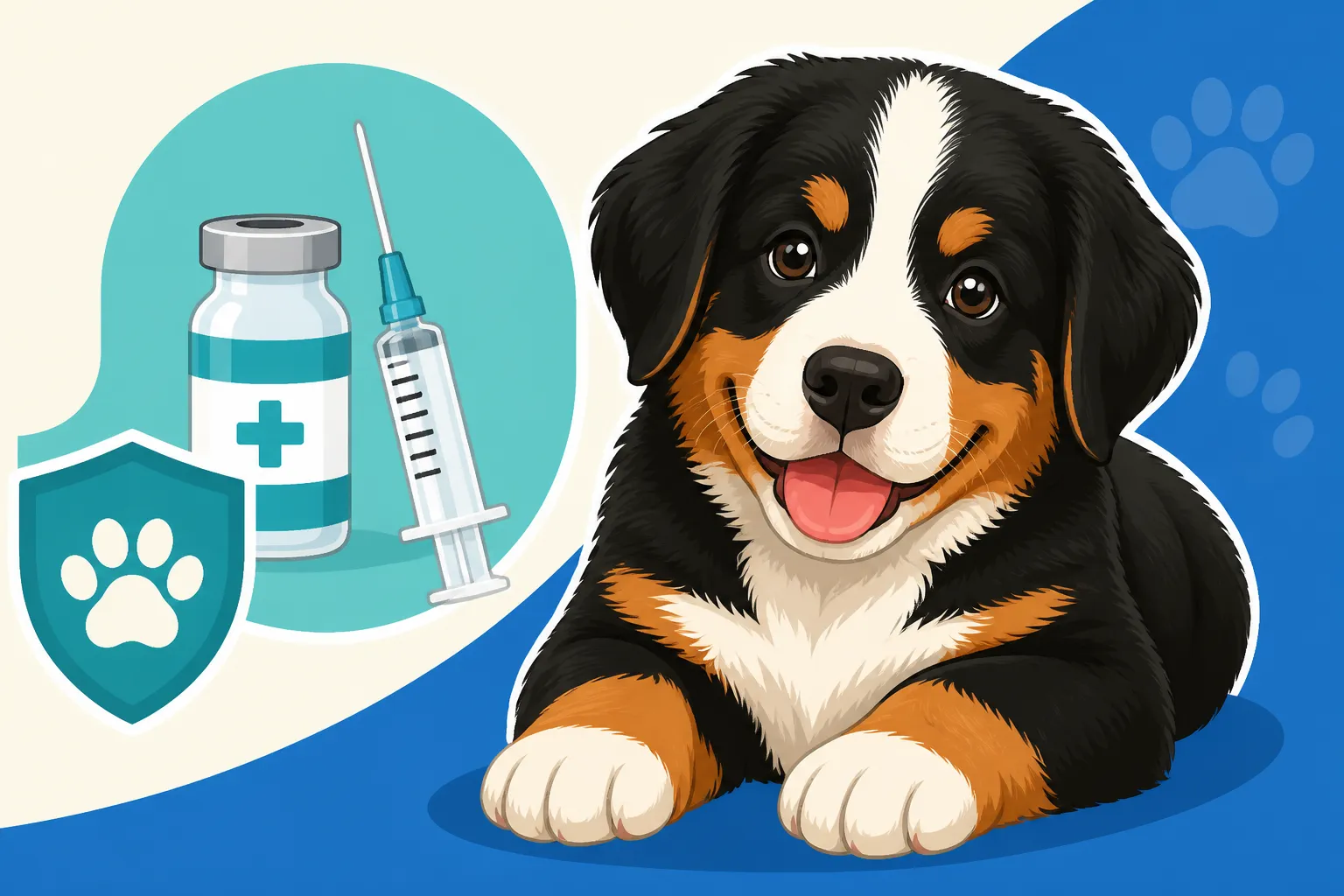
The DAPP or DHPP vaccine is often referred to as the "puppy shot" because it protects against a devastating quartet of diseases: Distemper, Adenovirus (Hepatitis), Parvovirus, and Parainfluenza. Distemper is a nasty viral disease that can attack the respiratory, gastrointestinal, and nervous systems, leading to severe illness and often death, even in adult dogs. Adenovirus, or infectious canine hepatitis, might sound like a human disease, but in dogs, it causes liver inflammation, fever, and can be fatal. Parvovirus is probably the one most new puppy owners fear – it's a highly contagious gastrointestinal illness that causes severe vomiting and diarrhea, leading to rapid dehydration, and it's notoriously difficult to eradicate from environments.
For your Bernese Mountain Dog puppy, who starts life with a developing immune system, these diseases pose an immense threat. The typical schedule for the DAPP/DHPP vaccine begins around 6-8 weeks of age. Your puppy will then receive booster shots every 3-4 weeks until they are about 16 weeks old. This series of boosters is crucial because the maternal antibodies your puppy received from their mother's milk can interfere with the vaccine's effectiveness. Each booster aims to provide protection as those maternal antibodies wane, ensuring your Berner builds their own robust immunity. Missing even one shot in the series can leave a gap in protection, and that's just not something you want when dealing with diseases this serious.
The Rabies Vaccine: A Legal and Life-Saving Must
Rabies is one of those diseases that strikes fear into everyone's hearts, and for good reason. It’s a fatal viral disease that affects the central nervous system, and it can be transmitted to humans. While it might feel like an abstract threat, rabies exists in wildlife across North America and many other parts of the world, making vaccination a critical public health measure, not just a pet health one. For this reason, rabies vaccination is legally mandated for all dogs in most places, including your big Bernese Mountain Dog.
Your Bernese Mountain Dog puppy will typically receive their first rabies vaccine when they are around 12-16 weeks old, usually administered as a single dose. This timing is strategic, ensuring the puppy is old enough to mount a strong immune response while still allowing for protection before they might encounter wildlife. After the initial vaccine, adult Berners will need regular boosters, often annually or every three years, depending on local regulations and the specific vaccine used. Keeping up with these boosters isn't just about avoiding a fine; it’s about protecting your beloved companion, your family, and your community from a truly devastating disease. Always check with your local veterinarian for the most current legal requirements and recommended schedule in your area.
Beyond the Core: Elective Vaccinations to Consider
While core vaccines are non-negotiable, there's another group of "elective" vaccines that your veterinarian might recommend based on your Bernese Mountain Dog's specific lifestyle, geographic location, and potential exposure risks. It’s not a one-size-fits-all situation; what’s right for a Berner living in a city apartment might be different from one exploring hiking trails or visiting dog parks frequently. These conversations with your vet are important, as they tailor the best preventative care plan for your individual pup.
Leptospirosis: A Risk for Outdoor Adventures
Leptospirosis, often shortened to "Lepto," is a bacterial disease that can affect both animals and humans. It's caused by bacteria found in contaminated water, wet soil, and the urine of infected wildlife such as raccoons, deer, and rodents. For a Bernese Mountain Dog who loves to explore, perhaps drink from puddles on walks, or even just sniff around in damp grassy areas, this vaccine can be a crucial layer of protection. If your Berner spends a lot of time outdoors, especially near standing water, or interacts with other dogs who do, Lepto vaccination is definitely something to discuss with your vet.
The Leptospirosis vaccine typically requires an initial series of two shots, given 2-4 weeks apart, followed by annual boosters. It's not usually started until a puppy is around 12 weeks of age. The decision to vaccinate against Lepto often comes down to risk assessment. If you live in an area known for Lepto outbreaks, or if your Berner has a very active outdoor lifestyle, it’s a wise precaution. The disease can cause severe kidney and liver damage, and treatment can be intensive and costly, making prevention a much better option.
Bordetella and Canine Influenza: Social Butterflies and Kennel Cough
If your Bernese Mountain Dog is destined to be a social butterfly, visiting dog parks, going to puppy classes, boarding at kennels, or frequenting doggie daycare, then the Bordetella vaccine is likely on your vet’s recommendation list. Often referred to as the "kennel cough" vaccine, it helps protect against Bordetella bronchiseptica, one of the primary culprits behind canine infectious respiratory disease. While kennel cough is usually not life-threatening, it’s highly contagious and can lead to a miserable few weeks of coughing and discomfort for your pup, and for you, trying to manage a hacking hundred-pound dog.
Similarly, Canine Influenza Virus (CIV), or dog flu, is another highly contagious respiratory illness that can spread rapidly in social dog environments. There are different strains of CIV (H3N8 and H3N2), and vaccines are available for both. If your Bernese Mountain Dog is going to be mingling with a lot of other dogs, especially in communal settings, vaccinating against CIV might be a good idea. Both Bordetella and CIV vaccines can be administered either intranasally (a squirt up the nose) or as an injection, with different schedules depending on the type. Your vet will guide you on which version and schedule is best for your Berner's specific social calendar.
Lyme Disease: Ticks and the Great Outdoors
Lyme disease is a bacterial infection transmitted through the bite of infected ticks, particularly the black-legged (or deer) tick. For a large, often outdoorsy breed like the Bernese Mountain Dog, especially if you live in or visit areas where ticks are prevalent, the Lyme vaccine can provide an important line of defense. The disease can cause lameness, fever, swollen joints, and in more severe cases, kidney failure. Ticks are not just a nuisance; they're disease vectors, and anything you can do to protect your Berner from tick-borne illnesses is a proactive step in their overall health.
The Lyme vaccine typically involves an initial series of two doses, given 2-4 weeks apart, followed by annual boosters. It's usually given to puppies after 12 weeks of age. Alongside vaccination, diligent tick prevention (using vet-approved repellents, regular checks after outdoor excursions) is absolutely essential. The vaccine helps, but it’s not a magic bullet, so combining approaches offers the best protection for your furry explorer. Discuss your local tick prevalence and your Berner’s outdoor activities with your vet to decide if the Lyme vaccine is appropriate.
Navigating the Puppy Shot Schedule and Vet Visits
Understanding the what is just the beginning; the when and why of the puppy shot series are equally important. It’s not just about getting shots done; it's about a carefully timed process designed to give your Bernese Mountain Dog puppy the best chance at developing strong immunity. Navigating this can feel like juggling, especially when you're also trying to manage a new puppy's boundless energy and integrate them into your home. Don't worry, your vet's office is there to help guide you through every step.
The Typical Bernese Mountain Dog Puppy Vaccination Timeline
While every puppy's exact schedule can vary slightly based on their individual health, the veterinarian's specific protocol, and local disease prevalence, here's a general timeline you can expect for your Bernese Mountain Dog puppy's core vaccinations:
| Age of Puppy | Core Vaccinations | Elective Vaccinations (Discuss with Vet) |
|---|---|---|
| 6-8 Weeks | DHPP (Distemper, Hepatitis, Parvovirus, Parainfluenza) 1st dose | – |
| 9-11 Weeks | DHPP 2nd dose | Bordetella (initial dose if intranasal) |
| 12-14 Weeks | DHPP 3rd dose | Leptospirosis 1st dose, Lyme 1st dose, Bordetella (injectable initial), Canine Influenza (initial) |
| 15-17 Weeks | Rabies (1-year vaccine) | Leptospirosis 2nd dose, Lyme 2nd dose, Canine Influenza (booster) |
| Annual/Tri-annual (Adult) | Rabies, DHPP booster | Bordetella, Leptospirosis, Lyme, Canine Influenza boosters |
This table provides a general roadmap. The reason for these multiple doses, especially for DHPP, is to overcome "maternal antibody interference." Puppies get protective antibodies from their mother's milk, but these can block their own immune system from responding to vaccines. As these maternal antibodies fade, the puppy becomes more susceptible. Boosters ensure that a strong immune response develops as those maternal antibodies disappear, covering that crucial "window of susceptibility." It’s a delicate balance and why adhering to the schedule is so important for your growing Berner.
Why Spacing Matters: Immune System Development
The precise spacing of vaccination appointments isn't arbitrary; it's deeply rooted in immunology. As mentioned, maternal antibodies play a significant role. If a vaccine is given when a puppy's maternal antibodies are still high, those antibodies can neutralize the vaccine, preventing the puppy from building their own active immunity. This leaves the puppy unprotected. Over several weeks, these maternal antibodies naturally decline, opening a window where the vaccine can effectively stimulate the puppy's immune system. This "window of susceptibility" is why multiple boosters are vital.
For a large breed puppy like a Bernese Mountain Dog, whose bones and immune system are developing rapidly, giving the immune system the right cues at the right time is paramount. Each booster reinforces the immune response, ensuring that by the time your Berner puppy has completed their series, they have a robust and lasting defense against these serious diseases. Rushing the schedule or skipping boosters can leave your dog vulnerable, potentially leading to costly and heartbreaking illnesses down the line. Patience and adherence to your vet's advice are key here.
Preparing for Your Vet Visits and Managing Costs
Bringing your Bernese Mountain Dog puppy to the vet for their shot series is more than just about the injections. Each visit is an opportunity for your veterinarian to perform a comprehensive physical exam, check your puppy's growth, discuss nutrition, parasite prevention, and answer all your new puppy questions. It's a critical time for early health monitoring, especially for a breed like the Bernese, which can have specific health considerations. Don't be afraid to bring a list of questions – no question is too silly when it comes to your pup's health.
When it comes to the financial aspect, you might be thinking, "What are these puppy shots going to cost me?" While I can't give you exact numbers, be prepared for a series of visits, each with an examination fee and the cost of the vaccines themselves. The total The Monthly Bill in a Bernese Mountain Dog's First Year will definitely include these regular vet visits. It’s an investment, but a crucial one. To help manage the potential for larger, unexpected veterinary bills down the road, many Bernese Mountain Dog owners consider pet insurance. Providers like Healthy Paws offer coverage that can be a lifesaver if your Berner faces an illness or accident later on. It’s worth looking into Insuring a Bernese Mountain Dog Before Its First Lump, as waiting until a health issue arises often means it's considered a pre-existing condition and won't be covered. Comparing different plans and deductibles early on can provide peace of mind and help you afford the best care throughout your Bernese Mountain Dog's life.
After the Shots: What to Watch For and Ongoing Care
Getting through the puppy shot series is a huge milestone for your Bernese Mountain Dog and for you as their owner! It means your pup is building a strong foundation of immunity. However, the journey of preventative care doesn't end there. As your Berner grows, you'll shift from puppy-specific concerns to maintaining their health throughout adulthood, ensuring they remain vibrant and active. It's about ongoing vigilance and working with your vet for a lifetime of wellness.
Potential Side Effects and When to Worry
Most Bernese Mountain Dogs handle vaccinations remarkably well, with very few or no side effects. However, it's completely normal for a puppy to experience some mild, temporary reactions after their shots. You might notice them being a little more subdued or lethargic than usual for a day or so, perhaps a bit sore at the injection site, or they might have a slightly decreased appetite. These are usually signs that their immune system is doing its job and responding to the vaccine. A cool compress on the injection site can sometimes offer comfort.
More serious reactions are rare but can happen. These include signs of an allergic reaction, such as swelling of the face (especially around the eyes or muzzle), hives, persistent vomiting or diarrhea, severe weakness, or difficulty breathing. If you observe any of these more severe symptoms, even if they appear hours after the vaccination, it’s crucial to contact your veterinarian immediately. While scary, early intervention can make all the difference. Remember that your vet is your partner in your Bernese Mountain Dog's health, and they’d much rather you call with a concern than wait. It's also worth noting Whether a Bernese Mountain Dog Hides Discomfort, so pay close attention to subtle changes in behavior.
Maintaining Immunity: Adult Boosters and Titers
Once your Bernese Mountain Dog has completed their initial puppy series, they aren't "one and done" for life. Adult dogs still require booster vaccinations, though often less frequently than puppies. Core vaccines like Rabies and DHPP typically have booster schedules that are either annual or every three years, depending on the specific vaccine product used and local regulations. Your vet will keep you informed of when your Berner is due for their next round. This ongoing vaccination schedule is crucial for maintaining the strong immunity established during puppyhood. To see what future visits might entail, you can learn more about What a Bernese Mountain Dog Checkup Includes After Five.
Some owners explore titer testing as an alternative to routine boosters for certain diseases. A titer test measures the level of antibodies in a dog's blood, indicating if they still have protective immunity from previous vaccinations. If the titers are sufficiently high, it might mean a booster isn't necessary at that time. While titer testing is a great tool, it's not applicable to all vaccines (like Rabies, which is legally mandated regardless of titer levels) and it’s a more expensive option than just getting the booster. It's a conversation to have with your vet, especially if your Berner has had adverse reactions to vaccines in the past or if you're curious about personalized vaccine protocols.
Beyond Vaccinations: A Holistic Approach to Your Berner's Health
Vaccinations are an undeniable cornerstone of your Bernese Mountain Dog's preventative health, but they are just one piece of the puzzle. A truly holistic approach to your Berner's well-being involves a combination of high-quality nutrition, appropriate exercise, ongoing parasite prevention, and consistent veterinary care. Feeding a giant breed puppy like a Bernese Mountain Dog correctly is particularly important; understanding how much a Bernese Mountain Dog puppy should do and being mindful of What Fast Growth Costs a Bernese Mountain Dog's Joints means selecting food specifically formulated for large breeds, like options available from Chewy or Ollie, to support their unique growth needs and avoid issues like hip and elbow dysplasia.
Regular vet visits, ideally Seeing the Vet Twice a Year With a Berner, allow for early detection of any health concerns. Discussing The Bernese Mountain Dog Health Panel with your vet will help you understand comprehensive screening tests recommended for the breed. Don't forget the importance of proper socialization for your puppy, while being mindful of their vaccine status. Balancing the need for What a Bernese Mountain Dog Puppy Should Meet Early with the risk of exposure to unvaccinated dogs is a delicate dance, but crucial for a well-adjusted adult Berner. By integrating all these elements, you're not just getting your Bernese Mountain Dog through their puppy shots; you're setting them up for a long, happy, and healthy life, hopefully allowing them to be The Bernese Mountain Dog That Reaches Twelve.
Disclaimer
This article is for general informational purposes only and does not constitute professional advice. Laws, prices and regulations vary by location and change over time. Consult a qualified professional for guidance on your specific situation.