Burrs in a Bernese Mountain Dog’s Tail Plume
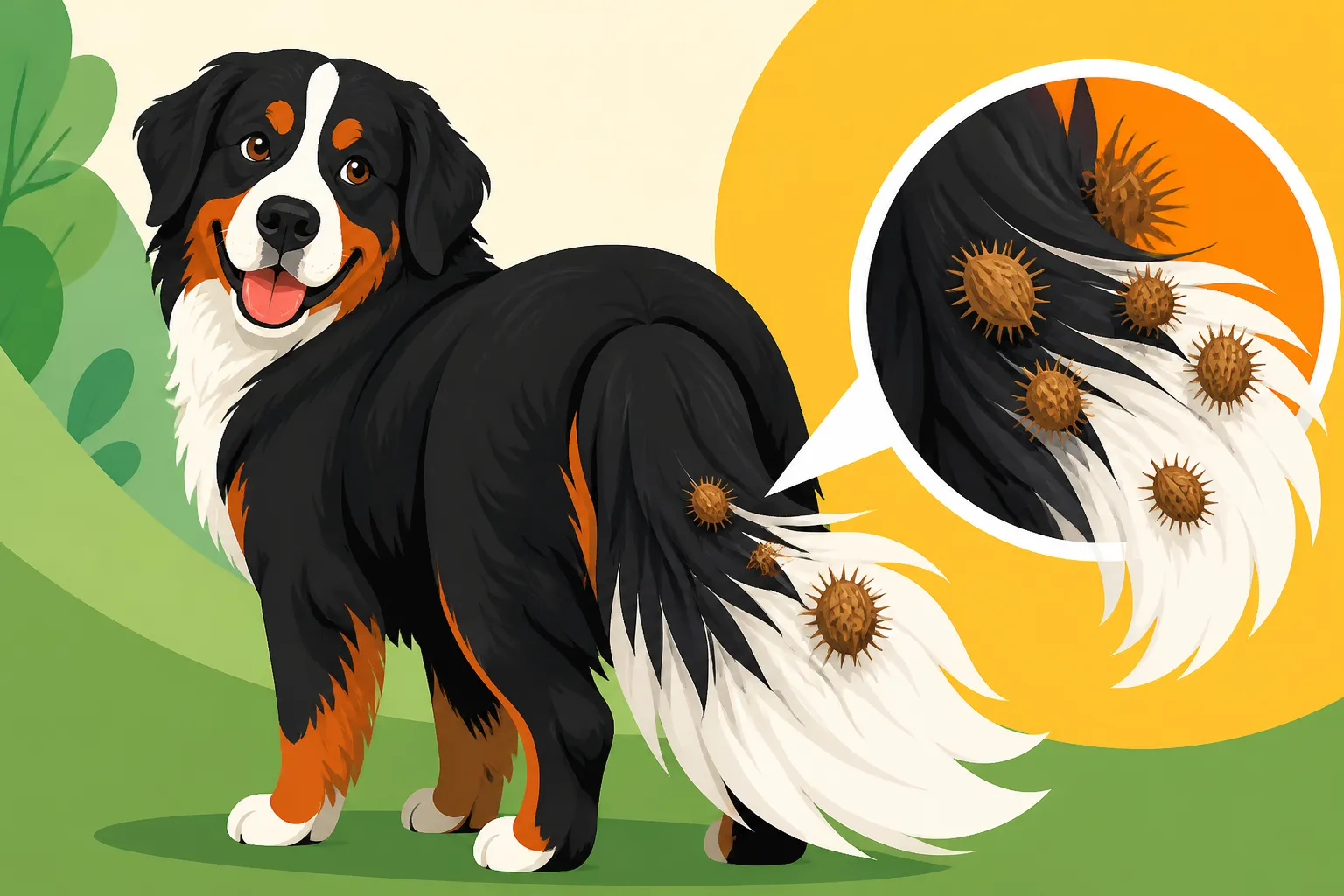
There’s almost nothing quite as disheartening for a Bernese Mountain Dog owner as finding a stubborn tangle of burrs buried deep within that glorious, flowing tail plume. What starts as a beautiful, wagging expression of joy can quickly become a matted, painful mess, leaving both you and your gentle giant frustrated and uncomfortable. This guide is here to walk you through understanding why those pesky burrs love your Berner's tail so much, how to prevent them, and most importantly, how to safely and effectively remove them when they inevitably strike.
Understanding the Bernese Mountain Dog's Tail Plume
The Bernese Mountain Dog's tail is truly a sight to behold—long, bushy, and often carried low, sweeping gracefully behind them as they move. It's an integral part of their distinctive appearance and breed standard. But this very beauty, unfortunately, makes it a prime target for nature's little hitchhikers: burrs. It’s not just an aesthetic issue; a tail full of burrs can be genuinely painful and lead to serious skin problems if not addressed promptly.
Why the Tail is a Burr Magnet
Think about your Berner's tail. It's often thick with a luxurious double coat, featuring longer feathering, especially on the underside. This isn't just fluffy; it's designed to protect them from the elements in their native Swiss mountains. However, this same protective quality makes it an incredibly efficient trap for anything that tries to cling on. As your Bernese Mountain Dog romps through fields or brushes past overgrown paths, that tail acts like a giant, natural broom, sweeping up every seed, twig, and burr in its path.
The texture of the Berner's coat, a medium-long double coat, also plays a significant role. The softer, denser undercoat and the slightly coarser, longer outer coat combine to create a perfect matrix for burrs to get embedded. Once a burr catches on a single strand, the natural movement of the tail and the dog’s body can quickly push it deeper into the fur, intertwining with multiple hairs and becoming incredibly difficult to dislodge. It's not just the length, but the density and type of hair that makes it such a magnet.
Furthermore, the natural carriage of a Bernese Mountain Dog’s tail often means it drags or brushes along the ground, or through tall vegetation, far more frequently than a tail carried high. This constant contact with the environment, especially during outdoor adventures, significantly increases the chances of picking up unwanted debris. It’s a design feature that’s wonderful for staying warm but less ideal for a quick, clean walk through overgrown areas.
The Anatomy of a Burr
Burrs are essentially nature's clever way of spreading seeds. They are seed casings or fruits of various plants, often from species like burdock, beggar's-ticks, or cockleburs, designed with tiny hooks or barbs. These hooks allow them to attach to animal fur (or your clothing!) and be carried far from the parent plant, helping the plant colonize new areas. When you encounter a burr, you're looking at a marvel of natural engineering, perfectly adapted to cling.
The problem with these tiny marvels is how tenaciously they hold on. The microscopic hooks on a burr are incredibly effective at weaving themselves into the individual strands of your Bernese Mountain Dog's coat. A single burr can hook onto dozens of hairs, and when multiple burrs cluster together, they create a dense, impenetrable knot. This is particularly problematic in areas like the tail plume where the hair is long and fine, allowing the burrs to get deeply embedded.
Once embedded, the burrs can start to pull on the skin, causing irritation and discomfort. If left untreated, they can lead to painful mats, skin inflammation, and even sores as your dog attempts to chew or scratch them out. The sharper, stiffer parts of some burrs can even prick the skin, making the area tender and sensitive to the touch, compounding the challenge of removal.
Common Scenarios for Burr Accumulation
Burrs are most commonly found in grassy fields, wooded trails, and areas with tall weeds or dry brush. If your Berner loves to explore, darting off-leash through natural areas, their tail is going to be exposed to these botanical nuisances. A simple walk through a park with unkempt edges can be enough to turn that beautiful plume into a bristly disaster.
Seasons also play a huge role. Late summer and fall are prime burr season, as plants mature and release their seeds. The dry, brittle nature of these plants during these months means their burrs are easily dislodged and readily attach to passing fur. You might not even see them on the plant, but they're definitely there, just waiting for your fluffy friend.
Even seemingly innocent activities like playing fetch in your own backyard, if it's not meticulously groomed, can lead to burr accumulation. Areas under bushes, along fences, or where leaves and debris gather are common hiding spots for these persistent little seeds. Being mindful of your Berner’s environment, even in familiar spaces, is key to preventing these prickly problems.
Prevention is Your Best Friend
As with many things in dog care, an ounce of prevention is worth a pound of cure—especially when it comes to burrs in a Bernese Mountain Dog's magnificent tail. The time you invest upfront will save you hours of frustrated detangling later, and your Berner will thank you for it. Proactive measures are the cornerstone of keeping that tail plume healthy and burr-free.
Pre-Walk Preparations
Before heading out for an adventure, especially if you know you’ll be in areas prone to burrs, a little preparation can go a long way. Consider using a detangling or conditioning spray on your Berner's tail and the feathering on their legs. These sprays can create a slicker surface on the hair, making it harder for burrs to latch on and easier for them to slide off. Think of it as putting a protective, non-stick coating on their fur. You can find excellent options on platforms like Amazon or Chewy.
For areas with particularly high burr risk, you might even consider protective gear. While less common for the tail, some owners use dog leggings or even custom-made wraps for the feathering on legs, which could be adapted for the tail if needed. The key is to create a barrier between the burrs and that luscious fur. A quick, thorough brush-through of the tail before going out can also help, ensuring there are no existing tangles that a burr could latch onto and exacerbate.
Choosing your walking routes wisely is another critical preventative step. If you know certain trails are notorious for burrs during specific seasons, try to avoid them or stick to paved paths. Sometimes, it’s just not worth the battle. If a particular field is full of dry weeds, opt for the open, mowed grass instead. Being observant of the environment, even if it means altering your usual route slightly, can spare you a lot of grooming headaches later.
Post-Walk Routines
The moment you get home, before your Bernese Mountain Dog shakes off all the outdoor debris onto your rugs, take a few minutes for a thorough inspection. This is perhaps the most crucial preventative step. Start with the tail, carefully running your hands through the plume, checking for any new additions. Early detection makes removal exponentially easier.
Keep a dedicated brush or comb by the door for a quick post-walk sweep. A sturdy metal comb or a good quality slicker brush can work wonders for catching burrs before they have a chance to migrate deeper into the coat or form mats. If you find a burr, try to pluck it out immediately with your fingers. If it's a bit more embedded, move to the removal techniques discussed later. This routine shouldn't take long, maybe just five minutes, but it's incredibly effective. You can find a wide range of these grooming tools on Chewy.
If your Berner got wet or damp on the walk, make sure to towel-dry them thoroughly, paying special attention to the tail and feathering. Moisture can make the coat more prone to matting around burrs. A damp coat, combined with burrs, creates a perfect storm for stubborn, tight knots. Incorporating this quick check and brush into your routine will make a world of difference for keeping The Half-Hour That Decides a Bloated Bernese Mountain Dog healthy and happy, and their coat pristine.
Regular Grooming as a Shield
Consistent grooming isn't just about looking good; it's about maintaining coat health and creating a barrier against problems like burrs and mats. A well-maintained, tangle-free coat is far less likely to snag and hold onto burrs than a neglected, matted one. For your Bernese Mountain Dog, this means regular, thorough brushing sessions. Brushing Out a Bernese Mountain Dog's Undercoat is essential for removing loose hair and preventing mats from forming, which are prime real estate for burrs.
Aim for at least a few thorough brushing sessions each week, focusing on areas like the tail, behind the ears, and the feathering on the legs. These are often the first places to develop tangles. A good pin brush followed by a wide-toothed comb can help you get down to the skin and ensure no hidden burrs or developing mats are lurking. For more extensive de-shedding, especially during seasonal changes, a de-shedding rake can be invaluable. You can find recommendations for Which Brush a Bernese Mountain Dog's Coat Needs to ensure you have the right tools.
Don’t forget the importance of diet for coat health. A high-quality diet, perhaps one like those offered by Ollie, rich in essential fatty acids (like Omega-3s and 6s), can contribute to a healthier, more resilient coat. A healthy coat is less brittle and less prone to breakage, making it marginally less attractive for burrs to latch onto. While diet won't magically repel burrs, it supports overall skin and coat integrity, which is a big win for your Berner’s comfort and appearance. You might want to consider Whether Omega Oils Do Anything for a Berner's Coat for added benefits.
The Delicate Art of Burr Removal
Even with the best preventative measures, sometimes a burr or two (or twenty!) will inevitably find its way into your Bernese Mountain Dog's tail plume. When this happens, it’s crucial to approach the removal process with patience, gentleness, and the right tools. Rushing or pulling too hard can cause pain, distress, and even damage to their sensitive skin and delicate fur.
Gathering Your Tools
Before you begin, gather everything you'll need. This helps keep the process calm and efficient, preventing you from having to step away mid-detangling. Here’s a checklist:
- Metal wide-toothed comb and a fine-toothed comb: Essential for separating hair and gently teasing out burrs.
- Slicker brush: Useful for general detangling around the burrs and after removal.
- Detangling spray or conditioner: This is your secret weapon. A good quality leave-in conditioner or a silicone-based detangling spray (often available on Chewy or Amazon) can make a huge difference in lubricating the hair strands, allowing burrs to slide out more easily.
- Cornstarch or talcum powder: These can help dry out and loosen burrs, particularly if they are oily or sticky, by absorbing moisture and reducing friction.
- Blunt-nosed scissors or a seam ripper (use extreme caution): For carefully cutting only the hairs that are hopelessly matted around the burr, as a last resort. Never cut against the skin.
- Towel: For a comfortable surface for your dog and to wipe off excess product.
- Treats: Lots of them! Positive reinforcement is key to making this a less stressful experience for your Berner.
- Assistant (optional but recommended): A second pair of hands can be invaluable for holding your dog gently, offering treats, or helping to separate the fur.
A quick note on scissors: while tempting, using scissors to remove mats and burrs should always be a last resort, and done with extreme care. The skin on a Bernese Mountain Dog is surprisingly loose, and it's very easy to accidentally snip skin if you're not careful. For truly embedded mats, professional grooming might be a safer option, especially if you're uncomfortable with sharp tools near your dog's skin. Consider reading about Cutting a Mat Out of a Bernese Mountain Dog's Coat for more specific guidance on this risky maneuver.
Step-by-Step Removal Process
Now, let’s get down to business. Find a quiet, comfortable space where your Bernese Mountain Dog feels relaxed. If you have an assistant, now is the time to enlist their help in providing comfort and treats.
- Assess the Situation: Gently part the fur to see how deeply embedded the burrs are and how extensive the matting is. This will help you determine your approach. If it's just a few loose burrs, you might be able to pick them out with your fingers.
- Apply Lubrication: Spray a liberal amount of detangling spray or conditioner directly onto the burrs and the surrounding matted hair. Really saturate the area. Let it sit for a few minutes to penetrate and soften the burrs and hair. Alternatively, if using cornstarch, sprinkle it generously over the burrs and work it in. The goal is to reduce friction.
- Work in Small Sections: This is critical. Do NOT try to pull all the burrs out at once. Start at the very tip of the affected area, using your fingers to gently pull apart the individual hairs that are caught in the burr. Imagine unraveling a knot, rather than ripping it.
- Use Your Tools Delicately: With your wide-toothed comb or the tines of a metal slicker brush, begin to gently tease the burr out, working from the outside edges of the mat inwards, and from the tips of the hair towards the base. Hold the hair at the base near the skin with one hand to minimize pulling on the skin and causing pain.
- Patience, Patience, Patience: This process can take a while, especially for a densely plumed Berner tail. Take breaks if your dog (or you!) becomes frustrated. Offer treats regularly to keep the experience positive. If the burr is large, sometimes you can carefully break it into smaller pieces to make removal easier, but be careful not to create more tiny, sharp fragments.
- The Scissors (Last Resort): If a burr is completely matted and won't budge, even with lubrication and careful teasing, you may need to resort to cutting. Isolate the matted section, sliding your blunt-nosed scissors parallel to the skin, never pointing towards it. Try to cut through the mat itself rather than individual hairs around it, aiming to loosen the burr. A seam ripper can be surprisingly effective for splitting a mat without cutting too much hair. Always keep a finger between the scissors and the dog's skin. Remember, this is about getting the burr out, not giving a haircut.
- Final Brush-Through: Once all burrs are removed, use your slicker brush and then a fine-toothed comb to thoroughly brush through the entire tail plume, ensuring no hidden fragments or tiny burrs remain. This also helps to restore the natural flow of the fur and prevent new mats.
When to Call for Professional Help
Sometimes, despite your best efforts, the situation might be too much to handle at home. Don't feel guilty about this; some mats are incredibly severe and require a professional touch. If your Bernese Mountain Dog's tail plume is heavily matted with multiple large burrs, if the mats are very close to the skin, or if your dog is showing signs of pain or aggression when you try to approach the area, it's definitely time to call a professional groomer or your vet.
A professional groomer has specialized tools, techniques, and experience with difficult situations. They can safely and efficiently remove severe mats, often with less stress to your dog. In extreme cases of matting or if the skin underneath appears red, irritated, or broken, your veterinarian may need to intervene, possibly even sedating your dog for safe and painless removal of the mats. Grooming a Bernese Mountain Dog Too Big to Lift can also be a challenge for home groomers, making professional help invaluable. Remember, your dog's comfort and safety always come first.
| Tool/Method | Best Use | Pros | Cons |
|---|---|---|---|
| Fingers | Loose, surface burrs; separating hair | Gentle, direct, no special equipment needed | Ineffective for deeply embedded or matted burrs |
| Wide-toothed Comb | Teasing out moderately embedded burrs | Good for separating larger sections of hair | Can pull if not used carefully; may not get tiny fragments |
| Slicker Brush | Finishing, general detangling around burrs | Excellent for removing loose fur, helping with general coat health | Bristles can be too flexible for deeply embedded burrs; can scratch skin if used harshly |
| Detangling Spray | Lubricating hair for easier burr removal | Reduces friction, softens burrs, helps prevent damage to coat | Can make coat temporarily greasy; needs time to work |
| Cornstarch/Talc | Drying out sticky/oily burrs, reducing friction | Natural, readily available, can help burrs crumble | Can be messy; requires brushing out thoroughly |
| Blunt Scissors | Cutting hopelessly matted sections (last resort) | Can save large sections of coat from being shaved | High risk of accidental cuts to skin; requires extreme caution and skill; permanent hair removal |
Aftercare and Long-Term Coat Health
Once the burrs are successfully removed, your Bernese Mountain Dog will likely feel a huge sense of relief. But the job isn't quite done. Post-removal care is important for soothing any irritated skin and ensuring the tail plume, and indeed the entire coat, remains healthy and resilient against future encounters. This goes beyond just the immediate aftermath and ties into your dog's overall well-being.
Soothing the Skin and Coat
After burr removal, especially if there was significant matting or pulling, the skin underneath might be red, tender, or even a bit inflamed. Gently check the area for any nicks, scrapes, or severe irritation. If you find any, a mild antiseptic spray or ointment designed for dogs can be applied, or you should consult your vet if it looks serious. For general redness or tenderness, a soothing, dog-safe conditioner or leave-in spray can help moisturize and calm the skin.
Give the newly freed tail plume a good, thorough but gentle brush with a soft slicker or pin brush to ensure all stray hairs are in place and to stimulate circulation. This helps distribute natural oils and promotes healthy hair growth. You might want to apply a light conditioning spray again, focusing on the previously affected area, to keep the hair smooth and less prone to tangling. The goal is to return the coat to its natural, soft state.
Over the next few days, keep a close eye on the treated area. Watch for excessive licking or scratching, which could indicate continued irritation or discomfort. If the redness or tenderness doesn't subside, or if you notice any bumps, scabs, or hair loss, it's wise to consult your veterinarian. They can provide specific advice or medication if a skin infection or more serious irritation has developed.
Maintaining the Tail Plume's Luster
Beyond immediate aftercare, maintaining the overall health and luster of your Bernese Mountain Dog’s magnificent coat is a continuous effort. Regular grooming is paramount. This means not just reacting to burrs but having a consistent routine. Aim for daily brushing of the tail, feathering, and other high-contact areas, using a combination of brushes like a slicker, a pin brush, and an undercoat rake to ensure you’re getting down to the skin. Remember, How Long Brushing a Bernese Mountain Dog Takes can vary, but consistency is key.
Consider supplementing your Berner's diet with high-quality omega-3 and omega-6 fatty acids, which are crucial for skin and coat health. These can contribute to a softer, shinier coat that is naturally more resilient and less prone to breakage and matting. Many brands, including those found on Amazon or Chewy, offer excellent fish oil or flaxseed oil supplements specifically formulated for dogs. A healthy coat is a strong coat, and a strong coat is less likely to become a burr's playground.
Don’t underestimate the power of hydration and a balanced diet. Just like humans, a dog’s skin and coat reflect their internal health. Ensure your Bernese Mountain Dog has constant access to fresh water and is fed a high-quality, complete, and balanced dog food. A dog with a dull, dry, or brittle coat is more susceptible to tangles and burrs. This holistic approach to their care will support not only their beautiful coat but their overall well-being.
Learning from the Experience
Every burr encounter, while annoying, offers a learning opportunity. Take a moment to reflect on where and how your Berner picked up the burrs. Was it a specific trail? A certain type of overgrown plant in your yard? Understanding the source can help you modify future walks or yard maintenance routines to prevent recurrence. Maybe it means taking a different route, or perhaps it's time to tackle those weeds along the back fence.
Reinforce positive grooming habits with your Berner. If the burr removal process was stressful, spend some extra time on positive, gentle brushing sessions, offering plenty of praise and treats. You want your dog to associate grooming with positive experiences, not just discomfort. Building The Weekly Handling a Bernese Mountain Dog Should Accept from an early age can make these inevitable grooming tasks much easier down the line.
Finally, remember that your Bernese Mountain Dog's beautiful, flowing coat is a significant part of their charm and heritage. While it comes with grooming challenges, the effort you put into maintaining it is a testament to your love and dedication. Keeping that tail plume free of burrs isn’t just about aesthetics; it’s about their comfort, health, and ability to enjoy their outdoor adventures without consequence.
Disclaimer
This article is for general informational purposes only and does not constitute professional advice. Laws, prices and regulations vary by location and change over time. Consult a qualified professional for guidance on your specific situation.