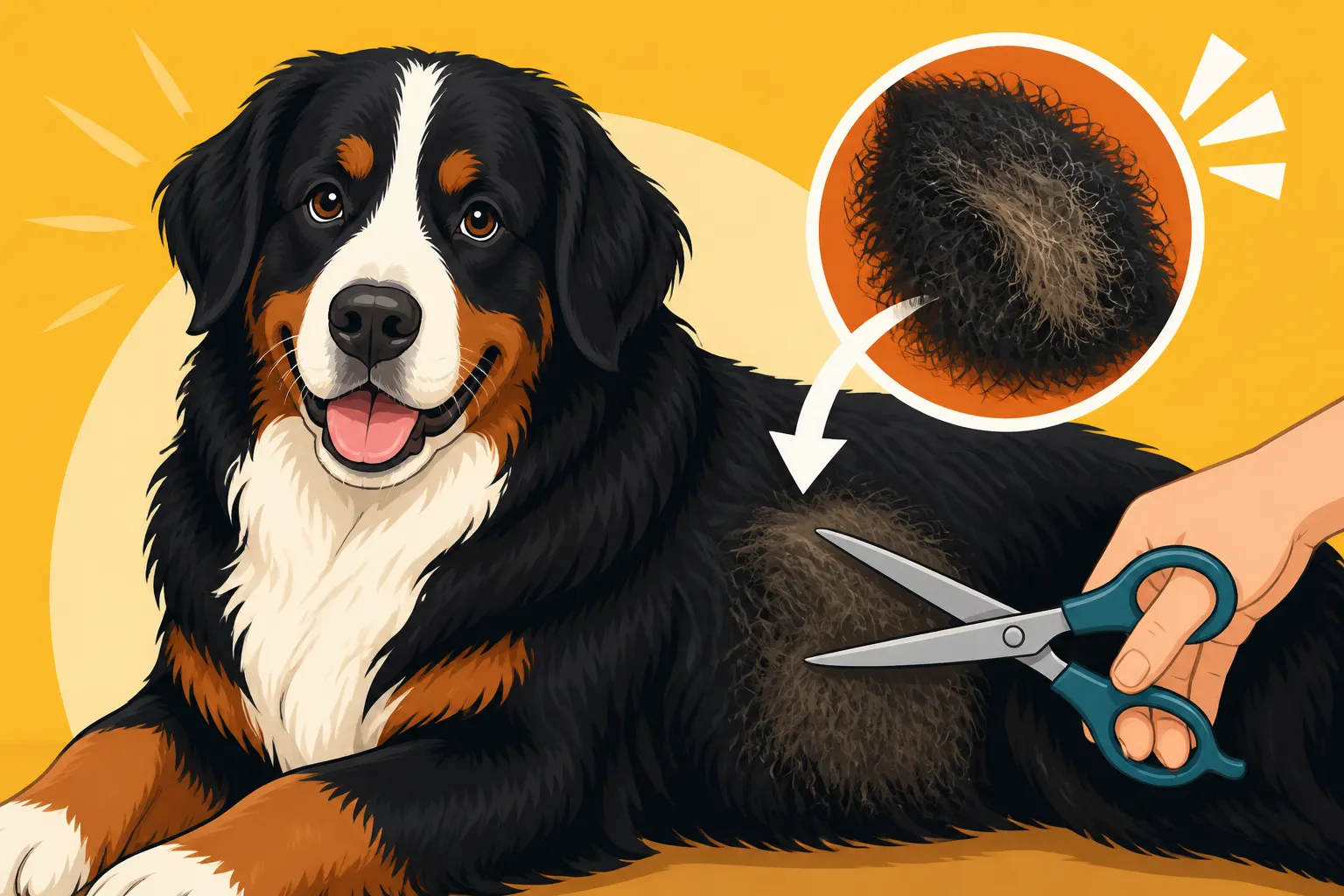
Cutting a Mat Out of a Bernese Mountain Dog’s Coat
Oh, the dreaded mat! If you’ve ever owned a Bernese Mountain Dog, you know the exquisite pain of discovering a dense, stubborn knot of fur hidden deep within that glorious, flowing coat. It’s not just an aesthetic issue; mats can pull on the skin, cause discomfort, create hot spots, and even hide skin infections. Trying to get them out can feel like defusing a tiny, furry bomb, especially when your gentle giant is less than thrilled about the process. This comprehensive guide is here to walk you through the safest, most effective ways to remove those troublesome mats from your Berner’s beautiful coat, without causing pain or unnecessary stress for either of you.
Understanding Why Your Bernese Mountain Dog Gets Mats
Before we dive into the nitty-gritty of mat removal, it's really helpful to understand why Bernese Mountain Dogs are so prone to these furry tangles in the first place. It’s not just bad luck; it’s largely due to their magnificent, yet high-maintenance, double coat and certain lifestyle factors.
The Double Coat Dilemma: A Recipe for Tangles
Your Berner's coat is a marvel of nature, designed to protect them from the harsh mountain climates of their Swiss heritage. It’s made up of two distinct layers, each with its own job, but together they create a perfect storm for matting.
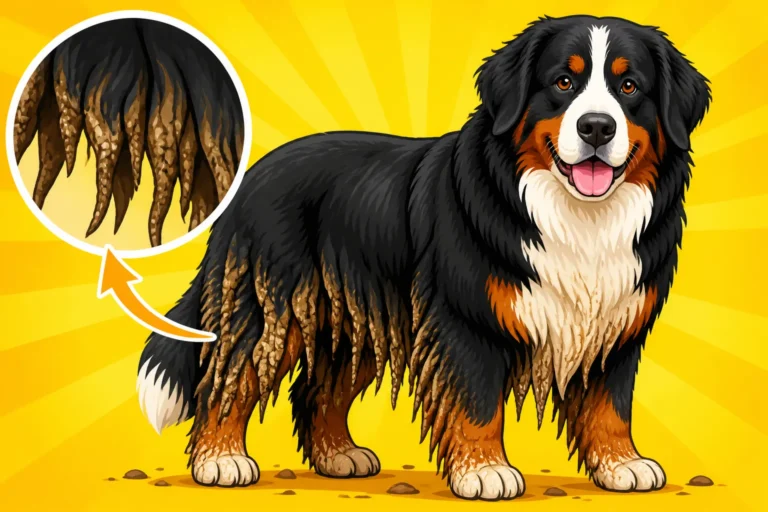
First, you have the outer coat: long, thick, slightly wavy, and designed to repel water and dirt. This is the part you usually see, the shiny, soft fur that makes you want to bury your face in it. Beneath that, however, lies the dense, woolly undercoat. This soft, fine fur acts as insulation, keeping them warm in winter and surprisingly, helping to keep them cool in summer by trapping air. The problem arises when this undercoat starts to shed – and believe me, Berners shed, and shed a lot! If those shed undercoat hairs aren't removed regularly, they intertwine with the longer guard hairs of the outer coat, twisting and compacting into tight, felt-like clumps. These clumps are what we call mats. Areas particularly notorious for developing mats on a Bernese Mountain Dog include behind the ears, in the "armpits" where their legs meet their body, under their harness straps, and especially in the dense "trousers" on their hind legs and their tail plume. It’s almost like gravity and movement conspire to weave these knots into the most inconvenient places. Checking The Felt That Forms Behind a Bernese Mountain Dog's Ear or The Feathering on a Bernese Mountain Dog's Legs will give you a good idea of where to concentrate your efforts.
Lifestyle Factors That Contribute to Matting
Beyond the inherent nature of their luxurious double coat, several daily habits and environmental factors can dramatically increase your Berner’s propensity for matting. It's not always about neglect; sometimes it's simply the joys of living life with a big, active dog.
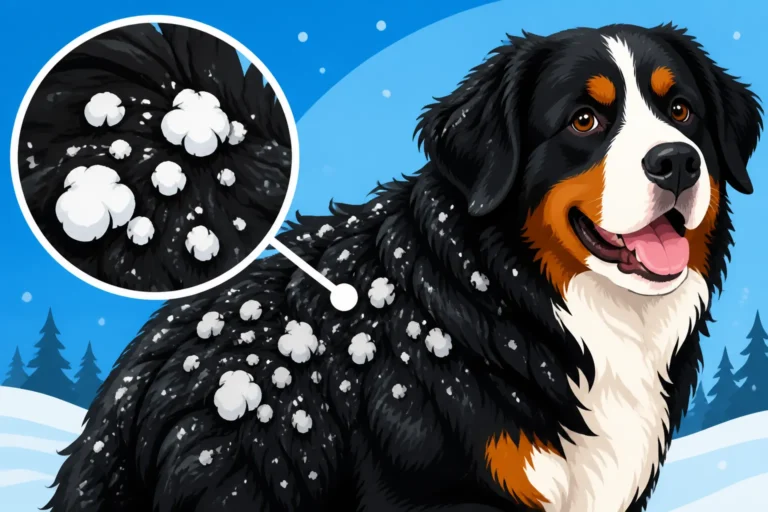
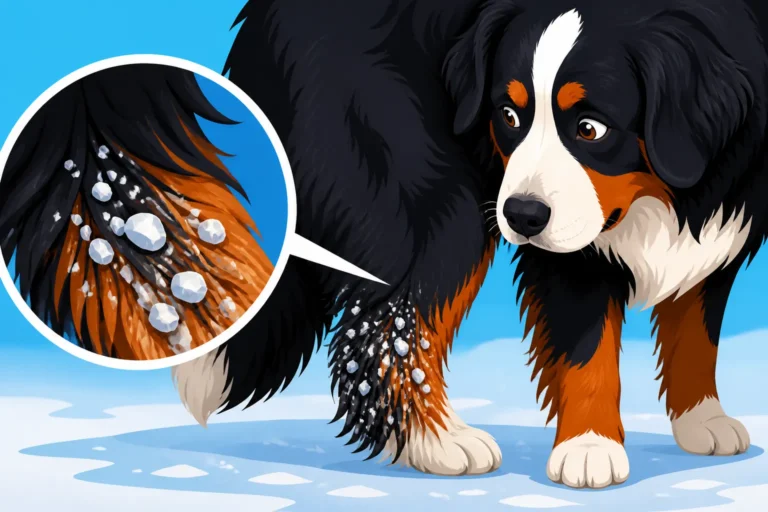
The most significant factor, hands down, is a lack of regular brushing. Those shed undercoat hairs don't just magically disappear. They need to be brushed out consistently, ideally daily or at least several times a week, especially during heavy shedding seasons. If you're not getting a good brush, like a wide-toothed comb or an undercoat rake, down to the skin, those mats are forming where you can't see them until they're already established. Think about How Often a Bernese Mountain Dog Should Be Brushed – it's more frequent than you might imagine for these guys! Another big contributor is moisture. A wet coat, left to air dry without being thoroughly brushed and blown out, is an invitation for mats. The water causes the hairs to clump and felt together as they dry, creating tight knots that are much harder to remove later. This is particularly true if your Berner loves to swim or enjoys a good romp in the rain or snow. Burrs, twigs, and other outdoor debris also get tangled in their long fur, quickly forming the nucleus of a mat. Finally, friction from collars, harnesses, or even just lying down repeatedly on the same spot can rub the fur into knots. It's truly a multi-pronged attack on that beautiful coat. Recognizing these triggers can help you be more proactive in your grooming routine.
The Essential Tools for Mat Removal (and What NOT to Use)
Alright, so you’ve spotted a mat. Your heart sinks a little, but don't despair! Having the right tools on hand makes a world of difference, not just in effectiveness but also in keeping your Berner comfortable and safe during the process. Forget the kitchen scissors; we're talking about specialized equipment here.
Safe and Effective Matting Tools
When tackling mats, your toolkit should include a few key items. First and foremost, a good quality slicker brush is invaluable for general coat maintenance and for gently teasing out smaller tangles. Follow that up with a wide-toothed metal comb (often called a greyhound comb) which helps you feel for mats that the slicker might miss and is great for working through feathering. For tougher, larger mats, a dematting rake or dematting comb is a game-changer. These tools have specially designed blades that can cut through mats without pulling excessively on the surrounding fur. They allow you to break up the mat into smaller, more manageable sections. You can find excellent options for these on sites like Chewy or Amazon, where reviews can often guide you to the most effective models for thick coats. Another useful tool is a pair of blunt-nosed grooming scissors. Notice the "blunt-nosed" part – this is crucial for safety. These are used very carefully for slicing into the mat, not cutting it off entirely, and are indispensable for mats that are too tight for a dematting tool. Always have some high-value treats on hand, too, because positive reinforcement is your best friend when your Berner is tolerating a potentially uncomfortable process. Remember, patience is the ultimate tool in your arsenal! You'll want to review Which Brush a Bernese Mountain Dog's Coat Needs to ensure you're starting with the right general grooming tools.
Here’s a quick overview of useful tools:
| Tool | Primary Use | How It Helps with Mats | Caution |
|---|---|---|---|
| Slicker Brush | General brushing, removing loose undercoat | Teases out small, superficial tangles. | Can cause brush burn if used too aggressively. |
| Wide-Toothed Comb | Checking for mats, finishing brush-out | Identifies hidden mats, helps separate hair strands. | Can pull painfully if forced through a mat. |
| Dematting Rake | Breaking apart moderate to severe mats | Blades slice through mats with minimal pulling on healthy fur. | Use carefully to avoid cutting skin. |
| Blunt-Nosed Scissors | Slicing into very tight mats near the skin | Allows you to break up a mat by cutting into it, not across it. | Always point tips away from the skin. |
| Undercoat Rake | Removing dead undercoat, preventing new mats | Gets deep into the coat to pull out loose fur before it can mat. | Can be harsh if not used correctly. |
Why Clippers and Sharp Scissors Are Risky
It might be tempting to grab electric clippers or a sharp pair of household scissors and just "cut it all off" when faced with a particularly stubborn mat, especially if your Berner is squirming. However, this is incredibly risky and can lead to serious injury and a traumatic experience for your dog.
Electric clippers, especially those not specifically designed for dog grooming, can easily snag and cut a dog's skin, which is often pulled taut and very close to a tight mat. The skin under mats can be thin and inflamed, making it even more vulnerable. This isn't just a minor nick; it can result in deep lacerations requiring veterinary attention and stitches. Similarly, sharp household scissors are extremely dangerous. Their pointed tips and sharp blades are designed for fabric or paper, not for navigating through thick, tangled fur next to delicate skin. Even blunt-nosed scissors, if used carelessly, can cause harm. The real danger is that mats often form incredibly close to the skin, sometimes even incorporating the skin itself as they tighten. Trying to slip a sharp blade under a mat is a recipe for disaster. It's simply not worth the risk of accidentally cutting your dog. If a mat is too large, too tight, or too close to the skin for you to confidently and safely remove with a dematting tool or blunt-nosed scissors, it's always best to seek professional help from a groomer or veterinarian. They have specialized tools and expertise to handle even the trickiest mats safely.
A Step-by-Step Guide to Safely Cutting Out Mats
Now that we know what tools to use and what to avoid, let's get down to the actual process. This isn't a race; it's a marathon of patience and gentle persistence. Rushing will only make things worse for both you and your Bernese Mountain Dog.
Preparation and Gentle Assessment
Before you even pick up a tool, set the stage for success. Find a quiet, well-lit area where both you and your Berner can be comfortable. A grooming table with a non-slip surface is ideal, but a sturdy table or even the floor can work. Lay down a blanket or towel for traction and comfort. Have all your tools within reach, along with plenty of high-value treats (like little bits of cheese or cooked chicken – check the ingredients on any store-bought treats like those from Chewy or Amazon to ensure they're Berner-friendly).
Start by gently petting your Berner, speaking in a calm, soothing voice. This isn't just about mat removal; it's about building trust. If your Berner isn't used to being handled, especially in sensitive areas, take time to practice touch and reward them. The Weekly Handling a Bernese Mountain Dog Should Accept is a great resource for this. Locate the mat(s) you intend to tackle. Now, here's the crucial part: feel for the skin under and around the mat. Use your fingers to gently separate the mat from the healthy skin as much as possible. This helps you gauge how tight the mat is and how close it is to the skin. Sometimes, mats are so tight they actually pull the skin into a little tent. If you can’t get your fingers between the mat and the skin, proceed with extreme caution or consider professional help. Never try to pull on the mat directly, as this will only cause pain and distress. Remember, start small, pick one mat, and don't try to conquer them all at once.
The "Slice and Dice" Method for Larger Mats
For those larger, denser mats that a comb just laughs at, the "slice and dice" method is your safest bet. This technique involves breaking the mat into smaller, more manageable sections, rather than trying to pull it out whole or cut it off across the skin.
First, identify the mat and gently isolate it from the surrounding healthy fur using your fingers. With your blunt-nosed scissors, carefully insert one blade into the mat, parallel to your dog's body, not pointing towards the skin. You're aiming to cut through the mat, from the outer edge inwards, creating small, vertical slits. Think of it like slicing a loaf of bread, but only partially through, without reaching the crust (or in this case, the skin). Make several of these shallow cuts across the mat, roughly a quarter to a half-inch apart, depending on the mat's size and density. The goal is to break the large mat into many smaller strips. Once you've "sliced" the mat, put the scissors down. Now, take your dematting rake or wide-toothed comb and gently begin working on one of these smaller strips. Start from the very end of the fur and work your way towards the skin, a little bit at a time. Hold the fur at the base with one hand (called "root guarding") to prevent pulling on the skin as you comb with the other hand. This minimizes discomfort. As you work, you’ll find the mat slowly disentangling into smaller pieces. Reward your Berner frequently for their cooperation, even if it's just for a few seconds of stillness. Don't try to do it all at once; if your dog gets antsy, take a break.
Combing Out Smaller Tangles and Prevention
Once you’ve successfully broken down the larger mats with the slice-and-dice method, you’ll be left with smaller tangles and loose fur. This is where your slicker brush and wide-toothed comb come into their own.
After breaking up a larger mat, use your slicker brush to gently brush through the now smaller sections of fur, working from the ends and gradually moving closer to the skin. Take small sections of hair at a time, holding the base of the hair with your free hand to minimize pulling on the skin. Once you've brushed a section with the slicker, follow up with your wide-toothed comb. The comb is your final check; if the comb can glide smoothly through the section from skin to tip, then that area is mat-free. If it snags, you still have some work to do. Keep gently teasing the tangle apart with the comb, working just a few hairs at a time. This detailed combing is crucial for ensuring no small knots remain to grow into new mats.
The best way to deal with mats, of course, is to prevent them from forming in the first place. Incorporate regular, thorough brushing into your routine, focusing on those common matting areas like behind the ears, the feathering on the legs, and the "trousers" on the hind end. A good rule of thumb is to brush your Berner at least three to four times a week, and daily during heavy shedding seasons, typically in spring and fall. How Long Brushing a Bernese Mountain Dog Takes will give you a realistic expectation for this commitment. Consistent prevention is far less stressful and painful than reactive mat removal.
Post-Matting Care and Prevention Strategies
You’ve conquered the mat! Breathe a sigh of relief, give your Berner a huge hug (if they're up for it!), and then think about what comes next. Post-matting care is important for their comfort, and establishing a solid prevention strategy is key to avoiding future battles.
Soothing the Skin and Rebuilding Trust
After a mat removal session, especially if it was a particularly stubborn one, your Bernese Mountain Dog's skin might be a little sensitive or irritated. Gently check the areas where you worked for any redness, nicks, or bumps. If you used a dematting tool, sometimes it can cause a slight brush burn if you weren't careful. A dab of a dog-safe soothing balm or aloe vera gel can help alleviate minor irritation.
More importantly, though, is the emotional aftermath. Mat removal can be an uncomfortable, even scary, experience for your dog. They might be a bit wary or reluctant for future grooming sessions. Spend some quality time with them, showering them with praise and affection. Offer those high-value treats and engage in a favorite game. You're rebuilding their trust and creating positive associations with being handled. Keep future grooming sessions short and positive, ending before your Berner gets too antsy or uncomfortable. Always reward generously. Remember, What a Bernese Mountain Dog Will Actually Work For is often food and affection, so use it wisely to reinforce good behavior during grooming. Your goal is for them to see grooming not as a punishment, but as a normal, manageable part of their routine that comes with rewards.
Establishing a Regular Grooming Routine
The absolute best way to keep mats from returning is to commit to a consistent and thorough grooming routine. This means more than just a quick surface brush. For a Bernese Mountain Dog, "thorough" means getting right down to the skin.
Invest in the right tools, including an undercoat rake, a slicker brush, and a wide-toothed comb. Use the undercoat rake first to pull out all that loose, shedding undercoat, especially during seasonal blows, such as Spring, When a Bernese Mountain Dog's Undercoat Lets Go. Then, follow up with a slicker brush to smooth the outer coat and catch any remaining tangles. Finally, use your wide-toothed comb to do a "line comb" – starting from the bottom of a leg or flank, comb a small section of hair upwards, and then comb down through it, making sure the comb glides freely to the skin. Work your way up the body, section by section. Pay extra attention to known trouble spots like behind the ears, under the chin, the armpits, the "trousers" on their hind legs (The Trousers on a Bernese Mountain Dog's Hind End), and the tail. These areas gather mats quickly. Regular bathing is also part of the routine, but never bathe a matted dog. Water will only tighten mats, making them nearly impossible to remove. Always thoroughly brush out all tangles before bathing. After a bath, towel dry as much as possible, then use a powerful dog-specific blow dryer on a cool setting while brushing to ensure the coat dries completely and doesn't clump. You can get professional blow dryers for dogs on Amazon or Chewy. This helps prevent new mats from forming as the coat dries. For more detailed bathing tips, see Bathing a Bernese Mountain Dog That Fills a Tub.
Nutrition and Supplements for Coat Health
While regular brushing is the cornerstone of mat prevention, good nutrition also plays a supporting role in maintaining a healthy, manageable coat. A well-nourished coat is typically stronger, less prone to breakage, and can be easier to brush through, reducing the likelihood of mats forming.
Feeding your Bernese Mountain Dog a high-quality dog food, like those offered by Ollie, that is rich in essential fatty acids (Omegas 3 and 6) can contribute significantly to coat health. These healthy fats help keep the skin moisturized and the fur shafts strong and supple. A healthy coat is less likely to become brittle and tangle. You might also consider specific supplements, such as fish oil or other omega-3 supplements, if your vet recommends them. While these won't magically prevent every mat, they can improve the overall condition of the coat, making it smoother and more resilient against tangles. A well-hydrated dog with a healthy diet will often have a shinier, more manageable coat compared to one with nutritional deficiencies. Remember, a dull, brittle coat is often a sign of underlying issues that can make grooming much more challenging. Combining excellent nutrition with your diligent grooming routine is truly the best approach to keeping your Berner’s glorious coat in top condition.
Disclaimer
This article is for general informational purposes only and does not constitute professional advice. Laws, prices and regulations vary by location and change over time. Consult a qualified professional for guidance on your specific situation.