The Half-Hour That Decides a Bloated Bernese Mountain Dog
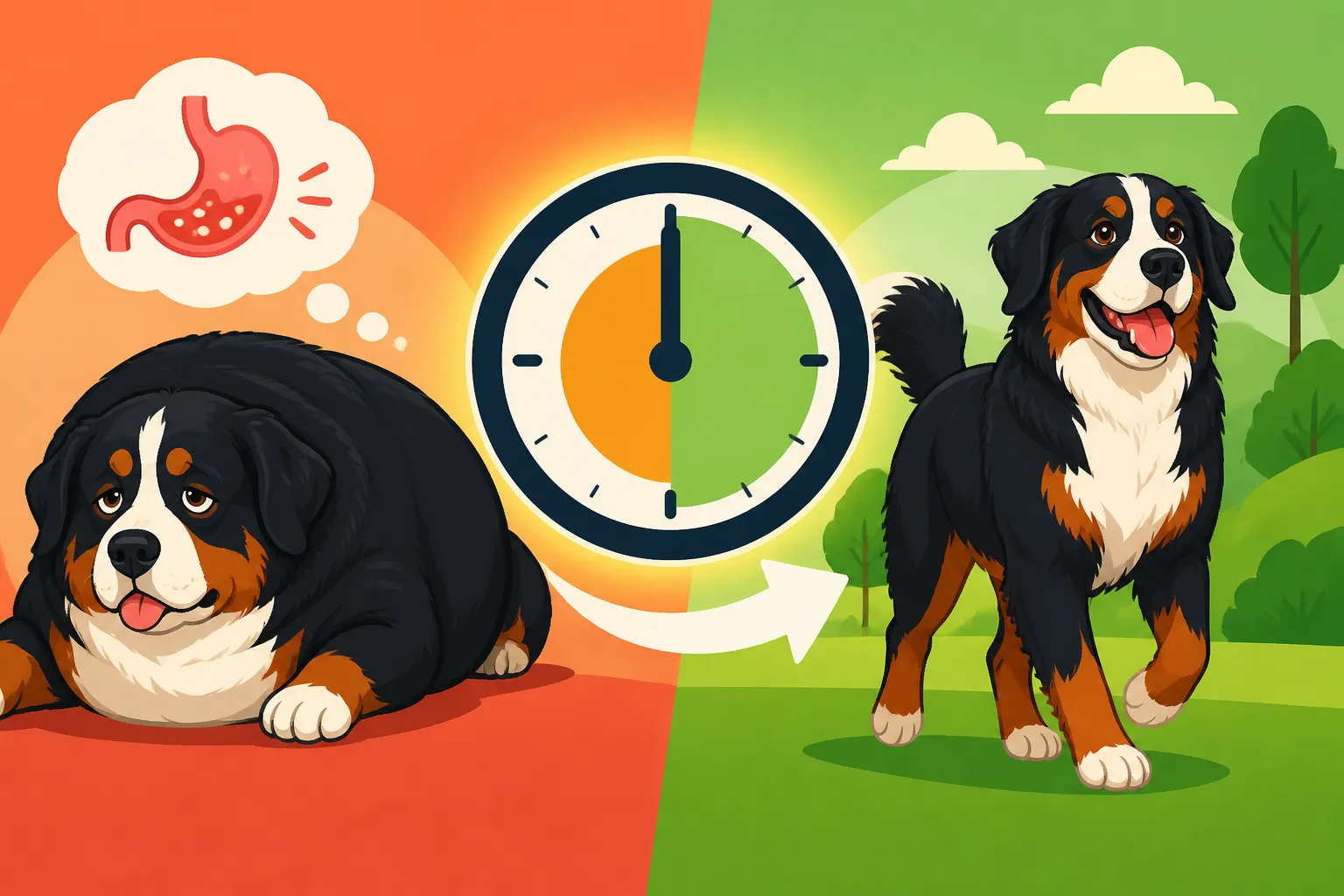
Few things strike as much fear into the heart of a Bernese Mountain Dog owner as the word "bloat." It's a terrifying, rapidly progressing condition that can turn a happy, healthy dog into a critical emergency in what feels like mere minutes. When your gentle giant is suddenly in distress, knowing what to look for and, more importantly, what to do in the immediate aftermath can literally be the difference between life and death. This guide is dedicated to understanding that agonizingly short, critical window – that half-hour that often decides the fate of a bloated Bernese Mountain Dog.
Understanding Gastric Dilatation-Volvulus (GDV) in Bernese Mountain Dogs
Bloat, scientifically known as Gastric Dilatation-Volvulus (GDV), isn't just an upset stomach. It's a life-threatening condition where the stomach first fills with gas and fluid (dilatation) and then, in many cases, twists upon itself (volvulus), cutting off blood flow and trapping everything inside. This twisting is the catastrophic event that makes GDV such an urgent crisis. For deep-chested breeds like our beloved Bernese Mountain Dogs, the risk is significantly higher, a frustrating reality that every Berner family lives with.
The Mechanism of Bloat: Why it's So Deadly
Imagine your dog's stomach like a swing. When it inflates with gas, it becomes a big, heavy balloon. If that balloon then swings and flips over, twisting its attachments, that's the "volvulus" part. This twisting clamps shut both the entrance and exit of the stomach, preventing gas and fluid from escaping. Worse, it often cuts off blood supply to the stomach wall itself, leading to tissue death. The pressure from the distended stomach also impacts major blood vessels, restricting blood flow back to the heart and eventually causing shock. The pain is excruciating, and without immediate intervention, the dog's systems quickly begin to shut down.
It’s a cruel twist of fate that our wonderful Berners, with their impressive size and deep chests, are so predisposed to this terrifying condition. Their anatomy, specifically the length of the ligaments supporting the stomach, allows for more movement, increasing the chances of that dangerous twist. This predisposition means that as a Bernese Mountain Dog owner, you always have to be vigilant, knowing that any unexplained distress could rapidly escalate into an emergency.
Why Berners Are Uniquely Vulnerable
While GDV can affect any breed, it disproportionately impacts large, deep-chested dogs, and the Bernese Mountain Dog is unfortunately high on that list. Studies and veterinary observations consistently show a heightened incidence in breeds like Berners, Great Danes, Weimaraners, and German Shepherds. The exact combination of factors is complex, likely involving genetics, anatomical structure, and environmental triggers. Fast eating, exercise shortly after meals, and even stress have all been implicated as potential contributing factors.
The frustration is palpable for many owners. You do everything right – feed high-quality food, ensure proper exercise, love them unconditionally – yet the threat of bloat always looms. It's a constant, silent worry that underscores the importance of being prepared and recognizing the signs. Understanding this inherent vulnerability isn't about fear-mongering, but about empowering you with the knowledge to act swiftly. You can learn more about "Which Bernese Mountain Dogs Are Most at Risk of Bloat" for more detailed information on predisposition.
Recognizing the Early Warning Signs: The Clock Starts Now
The most crucial step in saving a dog from bloat is early recognition. Time is absolutely of the essence, and what might seem like minor discomfort can rapidly progress into a full-blown crisis. You are your Berner's first line of defense, and your keen observation skills are invaluable.
Subtle Indicators That Demand Attention
Initially, the signs of bloat can be subtle, easily mistaken for general stomach upset or mild discomfort. Your Bernese Mountain Dog might seem restless, pacing, or unable to find a comfortable position. They might repeatedly look at their abdomen, almost as if trying to understand what's happening. Drooling or excessive panting without exertion can also be early signals. Some dogs might try to vomit but bring nothing up, or just foam. This unproductive retching is a classic and highly concerning sign that should immediately raise a red flag.
It’s easy to dismiss these early symptoms, especially if your Berner is usually stoic or if they have occasional mild tummy troubles. However, with bloat, these seemingly minor signs are like the first few drops before a torrential downpour. Ignoring them means precious minutes are ticking away. Always consider the possibility of bloat when your deep-chested dog exhibits any unusual abdominal discomfort, especially after eating or exercise.
Unmistakable Distress: When Every Second Counts
As bloat progresses, the symptoms become terrifyingly clear and urgent. The abdomen will often visibly distend and feel hard to the touch, like a taut drum. This distension might be more noticeable on one side than the other, often the left. Your Bernese Mountain Dog will be in obvious, excruciating pain: whining, groaning, or collapsing. Their gums might appear pale or bluish, indicating poor circulation. Breathing will become labored and shallow. At this point, the condition is critical, and you have, at best, a very narrow window to get them professional help.
This is the moment when panic can easily set in, but it's also the moment when you need to act with calm determination. You know your dog better than anyone, and if they are exhibiting these severe symptoms, there’s no time to wait and see. Immediate veterinary intervention is the only chance of survival. Don't waste a second. Understanding "What Bloat Looks Like in a Bernese Mountain Dog" can further equip you to identify these critical signs.
The Critical Half-Hour: What Happens and Why It Matters So Much
That period of roughly thirty minutes from the onset of severe symptoms to when veterinary care is ideally initiated is often the make-or-break moment. It’s a terrifying race against time, where the internal damage progresses at an alarming rate.
Torsion's Devastating Effect on Organs and Blood Flow
Once the stomach twists, a cascade of catastrophic events begins. The blood vessels supplying and draining the stomach are pinched off, leading to rapid tissue death (necrosis) in the stomach wall. This means that even if the stomach is untwisted, parts of it might be permanently damaged or non-viable. Furthermore, the massive, gas-filled stomach presses against the diaphragm, making it incredibly difficult for your Berner to breathe. This reduces oxygen intake, further stressing their system.
The pressure also severely impedes blood flow in the caudal vena cava, a major vein returning blood to the heart. This leads to a dramatic drop in blood pressure and the onset of hypovolemic shock. Toxins accumulate in the dying stomach tissue and are released into the bloodstream, further poisoning the body. All of these factors combine to create a rapidly deteriorating situation. Every minute that passes increases the extent of organ damage and decreases the chances of a successful outcome, even with surgery. This is why "How Fast Bloat Kills a Bernese Mountain Dog" is such a crucial piece of knowledge for Berner owners.
The Irreversible Damage That Begins Early
Within that critical half-hour, the damage moves from reversible to irreversible. The longer the stomach remains twisted, the greater the likelihood of severe, permanent injury to the stomach lining, spleen (which often gets pulled into the twist), and other abdominal organs. The longer blood flow is compromised, the higher the risk of cardiac arrhythmias, kidney failure, and other systemic complications. Even if surgery is successful in detwisting the stomach, the dog might still succumb to these secondary complications, making the immediate rush to the vet absolutely paramount.
It's a stark reality, but understanding this physiological timeline can help you grasp the extreme urgency. This isn't a situation where you can "wait and see" for an hour or two. If you suspect bloat, even faintly, you need to initiate your emergency plan without delay.
Immediate Action: What to Do When Every Second Counts
When you recognize the signs of bloat, your immediate response is critical. Hesitation can cost your Bernese Mountain Dog their life.
Your First Steps: Calling the Vet and Preparing for Transport
The very first thing you need to do is call your veterinarian or the nearest emergency veterinary hospital immediately. Do not waste time trying to look up symptoms or home remedies online. Describe your Bernese Mountain Dog's symptoms clearly and state that you suspect GDV. This allows the veterinary team to prepare for your arrival, ensuring they have staff and equipment ready the moment you pull into the parking lot. Tell them your estimated arrival time.
While one person is on the phone, another should be preparing your dog for transport. This means getting them into the car quickly and safely. For a large, painful dog like a Berner, this can be a challenge. Have a sturdy blanket or stretcher ready if lifting is difficult. Keep your dog as calm and comfortable as possible, but prioritize speed. Do not attempt to give them anything by mouth, as it could worsen the situation or cause aspiration. Your focus is solely on getting them to the veterinary clinic as fast and safely as possible.
What NOT to Do: Avoiding Dangerous Delays and Missteps
In a panic, it’s natural to want to try anything to help your dog, but some actions can actually cause harm or, at best, waste precious time. Do not try to force your dog to vomit. This is unlikely to relieve the gas if the stomach is twisted and can increase the risk of aspiration pneumonia. Do not try to massage their belly or give them antacids without veterinary instruction. These actions are ineffective against true GDV and can provide a false sense of security, delaying the life-saving treatment they desperately need.
Resist the urge to second-guess yourself. If you have even a strong suspicion, it's always better to err on the side of caution and get immediate veterinary evaluation. A quick trip to the emergency room for an examination that rules out bloat is far preferable to waiting and discovering it was indeed bloat, but now it’s too late. The emotional and financial toll of a bloat emergency is immense, so having pet insurance from providers like Healthy Paws can be a real lifesaver when those unexpected bills arrive.
Veterinary Intervention: Emergency Treatment and Prognosis
Once you arrive at the emergency clinic, the veterinary team will immediately swing into action. Their goal is to stabilize your Bernese Mountain Dog and then surgically correct the problem.
Diagnosis and Stabilization: The Race to Relieve Pressure
Upon arrival, the veterinary team will quickly assess your Berner's condition. They will typically perform a physical examination, listen to heart and lung sounds, and may take a quick X-ray to confirm GDV. The X-ray will show the characteristic gas-filled, twisted stomach. While diagnosis is being confirmed, they will often start intravenous fluids to combat shock and administer pain medication. They may also attempt to decompress the stomach by passing a tube down the esophagus into the stomach, or, if that's not possible due to the twist, by carefully inserting a large-bore needle or trocar through the abdominal wall into the stomach to release gas. This temporary decompression can provide some relief and help stabilize your dog for surgery.
These initial steps are crucial for improving your dog's chances of surviving the surgery. The veterinary team understands the extreme urgency, and they will work with incredible speed and precision. They will also run blood tests to check for organ damage and electrolyte imbalances, which are common with GDV. It's an intense, high-stress environment, but rest assured, your Berner is receiving specialized, critical care.
The Surgical Procedure: Detorsion and Gastropexy
The definitive treatment for GDV is emergency surgery. During the operation, the veterinary surgeon will carefully untwist the stomach (detorsion), assess the viability of the stomach wall and spleen, and address any damaged tissue. If parts of the stomach are necrotic (dead), they will be removed. In some cases, the spleen may also need to be removed if it's too damaged. After the stomach is returned to its normal position, the surgeon will perform a gastropexy. This procedure involves permanently attaching the stomach to the abdominal wall, typically using sutures, to prevent it from twisting again in the future.
A gastropexy does not prevent the stomach from dilating (filling with gas), but it dramatically reduces the risk of volvulus (twisting), which is the life-threatening component of bloat. This is why a gastropexy is considered the gold standard for long-term prevention after a bloat episode. You might hear about "Tacking a Bernese Mountain Dog's Stomach" as a preventive measure, which is essentially a gastropexy. The recovery period after such an extensive surgery requires careful management, including pain control, IV fluids, and a gradual reintroduction of food. Unfortunately, the cost of this emergency surgery can be staggering, often reaching thousands of dollars. This is where pet insurance, like a policy from Healthy Paws, can significantly ease the financial burden, allowing you to focus on your dog's recovery without added stress. For more on costs, refer to "What Oncology Bills Reach for a Bernese Mountain Dog" as a comparison for similar high-cost vet care.
Prognosis and Post-Operative Care
The prognosis for a Bernese Mountain Dog who undergoes surgery for GDV depends heavily on how quickly they received treatment and the extent of internal damage. If caught early and treated promptly, the survival rate can be relatively good. However, if there was significant tissue necrosis, prolonged shock, or severe cardiac complications, the prognosis becomes more guarded. Even with successful surgery, dogs are monitored closely for several days for potential post-operative complications, such as cardiac arrhythmias, further stomach wall issues, or infection.
The commitment doesn't end after surgery. Your Berner will need careful post-operative care at home, including restricted activity, medication, and a specific feeding plan. The emotional toll on owners is also immense, witnessing their beloved dog go through such a traumatic event. It's a journey that requires patience, dedication, and often significant financial resources. Knowing "Whether a Bernese Mountain Dog Survives Bloat Surgery" depends on many factors, but early action is always the biggest determinant.
Preventive Measures: Reducing the Risk of Bloat
While we can't eliminate the risk of bloat entirely for Bernese Mountain Dogs, there are several strategies owners can employ to significantly reduce the likelihood of this life-threatening condition. Proactive prevention is always better than reactive emergency care.
Feeding Practices to Minimize Risk
One of the most commonly recommended preventive measures revolves around feeding practices. Instead of feeding one large meal a day, break your Bernese Mountain Dog's daily ration into two or three smaller meals. This reduces the amount of food and gas in the stomach at any one time. Slow feeders or puzzle bowls can also be incredibly helpful for dogs who tend to "hoover" their food. Rapid ingestion of food can lead to swallowing excessive air, contributing to stomach distension. Some debate exists regarding elevated food bowls; once thought to be beneficial, some studies suggest they might actually increase risk, so it's best to feed at ground level unless advised otherwise by your vet.
It's also crucial to avoid vigorous exercise immediately before or after meals. Give your Berner at least an hour of rest before eating and at least two hours after. This helps ensure the stomach has adequate time to process food without undue agitation or movement. Stress can also be a factor, so try to make mealtimes calm and predictable. While no diet guarantees bloat prevention, maintaining a healthy weight and feeding a high-quality, easily digestible diet are generally good practices for overall gastrointestinal health. Consider reading "Whether a Fast-Eating Bernese Mountain Dog Bloats More" for more insights into feeding habits.
Here's a quick summary of feeding best practices:
| Practice | Benefit |
|---|---|
| Multiple Small Meals | Reduces stomach volume, less gas accumulation. |
| Slow Feeder Bowls | Prevents rapid eating and excessive air swallowing. |
| Rest Before & After | Allows digestion without vigorous stomach movement. |
| Ground-Level Feeding | Current consensus favors this over elevated bowls for most dogs. |
| Consistent Routine | Reduces mealtime stress, which can be a trigger. |
Prophylactic Gastropexy: A Preventive Surgery
For Bernese Mountain Dogs, especially those with a family history of bloat or those exhibiting other risk factors, a prophylactic (preventive) gastropexy is often recommended. This is the same stomach-tacking procedure performed during emergency bloat surgery, but it's done electively, usually when the dog is already undergoing another abdominal surgery, such as spaying or neutering. Performing it electively means the dog is healthy, the surgery can be planned, and the overall risk and recovery are generally much smoother than during an emergency.
While it's still surgery, and all surgeries carry risks, the benefits of a prophylactic gastropexy for a high-risk breed like a Bernese Mountain Dog often far outweigh those risks. It significantly reduces the chance of the stomach twisting, which, as we've discussed, is the deadly component of GDV. Many owners choose to have this done when their Berner is spayed or neutered. Discussing this option with your veterinarian is highly recommended, as it could prevent a future emergency and the associated heartbreak. For more information, check out "Adding a Gastropexy to a Bernese Mountain Dog's Spay" and "What a Gastropexy Costs for a Bernese Mountain Dog" to help you weigh the financial and health considerations. While pet insurance companies like Healthy Paws typically don't cover elective gastropexy without a prior bloat episode, it's a worthwhile investment in your dog's future health.
Disclaimer
This article provides general information and is not a substitute for professional veterinary advice. Always consult with a qualified veterinarian for any health concerns or before making any decisions about your pet's health or treatment.