Finding a Bernese Mountain Dog’s Ribs Under the Coat
It's a common struggle for Bernese Mountain Dog owners: you look at your beautiful, fluffy companion and wonder if they're carrying a little too much weight, or perhaps not enough. Their magnificent, thick double coat, while undeniably gorgeous, is also a master of disguise, making it incredibly difficult to tell just by looking. This guide will walk you through the hands-on, empathetic way to assess your Bernese Mountain Dog's body condition by feeling for their ribs, offering crucial insights into their overall health and well-being.
Why Feeling Your Bernese Mountain Dog's Ribs Matters So Much
That luxurious coat that makes Berners so endearing is also their secret weapon against easy weight assessment. What looks like healthy fluff can sometimes hide pounds of extra weight, or, conversely, a dog that’s a little too lean. Relying solely on your eyes can lead to misjudgments that impact your dog's health.
The Hidden Dangers of Excess Weight
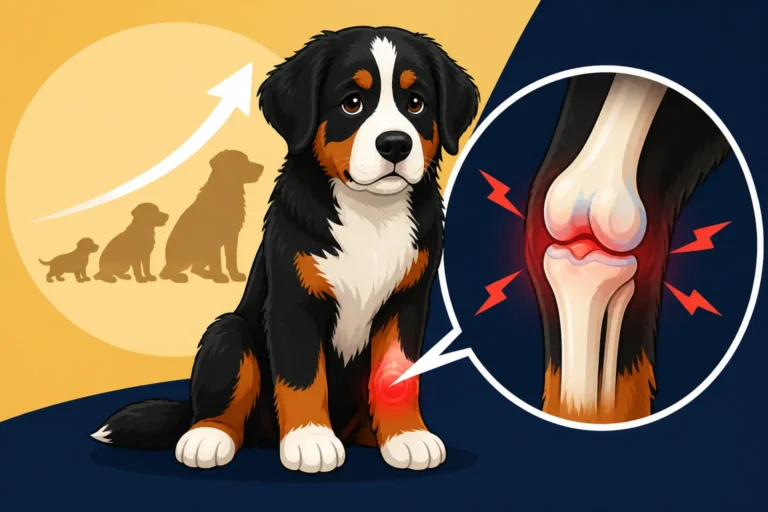
For a large, sturdy breed like the Bernese Mountain Dog, carrying extra weight isn't just about aesthetics; it's a serious health concern. Every additional pound puts more strain on their already hard-working joints, especially their hips and elbows, which are unfortunately prone to conditions like dysplasia. Imagine having to carry a heavy backpack all day, every day – that's what excess weight feels like to your Berner's frame. This added stress can accelerate the onset of Arthritis in a Bernese Mountain Dog by Six and worsen existing issues, making mobility painful and difficult far too early in their lives.
Beyond joint problems, an overweight Bernese Mountain Dog is at a higher risk for a whole host of other medical issues. They can struggle with Heat Stroke in a Bernese Mountain Dog, as their dense coat combined with extra insulation makes them less efficient at cooling down. Their hearts and lungs have to work harder, increasing the risk of cardiovascular problems. Studies have also shown a link between obesity and certain types of cancer, a particular concern for Berners given their predisposition to diseases like Histiocytic Sarcoma in a Bernese Mountain Dog. Keeping them at a lean, healthy weight can genuinely extend their lifespan, helping them reach the higher end of The Average Age a Bernese Mountain Dog Reaches.
The Deceptive Power of the Berner Coat
The Bernese Mountain Dog's double coat, with its dense undercoat and longer outer guard hairs, is designed for insulation against cold Swiss mountain weather. It’s fantastic for keeping them warm, but it’s not so great for owners trying to gauge their pet’s waistline. A Bernese Mountain Dog can gain or lose a significant amount of weight, and their coat will often fluff out or compress to largely conceal these changes. This means you might not notice a gradual weight gain until it becomes a more significant problem, or a subtle weight loss that could indicate an underlying health issue.
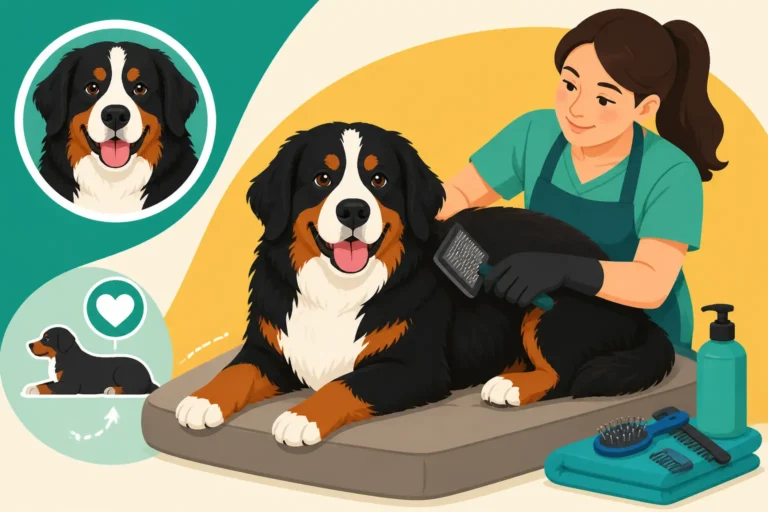
Many owners find themselves regularly brushing their Berners, only to discover a lump or a change in body shape that they hadn't seen visually. This is precisely why a hands-on approach is absolutely critical. You need to learn what a healthy body feels like beneath all that fur so you can catch deviations early. This tactile examination becomes your most reliable tool, even more so than standing back and looking, or relying solely on a scale. It's about developing an intimate understanding of your dog's physical form.
The Hands-On Approach: How to Find Those Ribs
Getting a true sense of your Bernese Mountain Dog's body condition requires more than just a quick glance. It demands a hands-on method, something you can easily do at home. Think of it as a mini-health check, and it’s something your Berner will likely enjoy if you make it a calm, positive experience.
Positioning and Technique
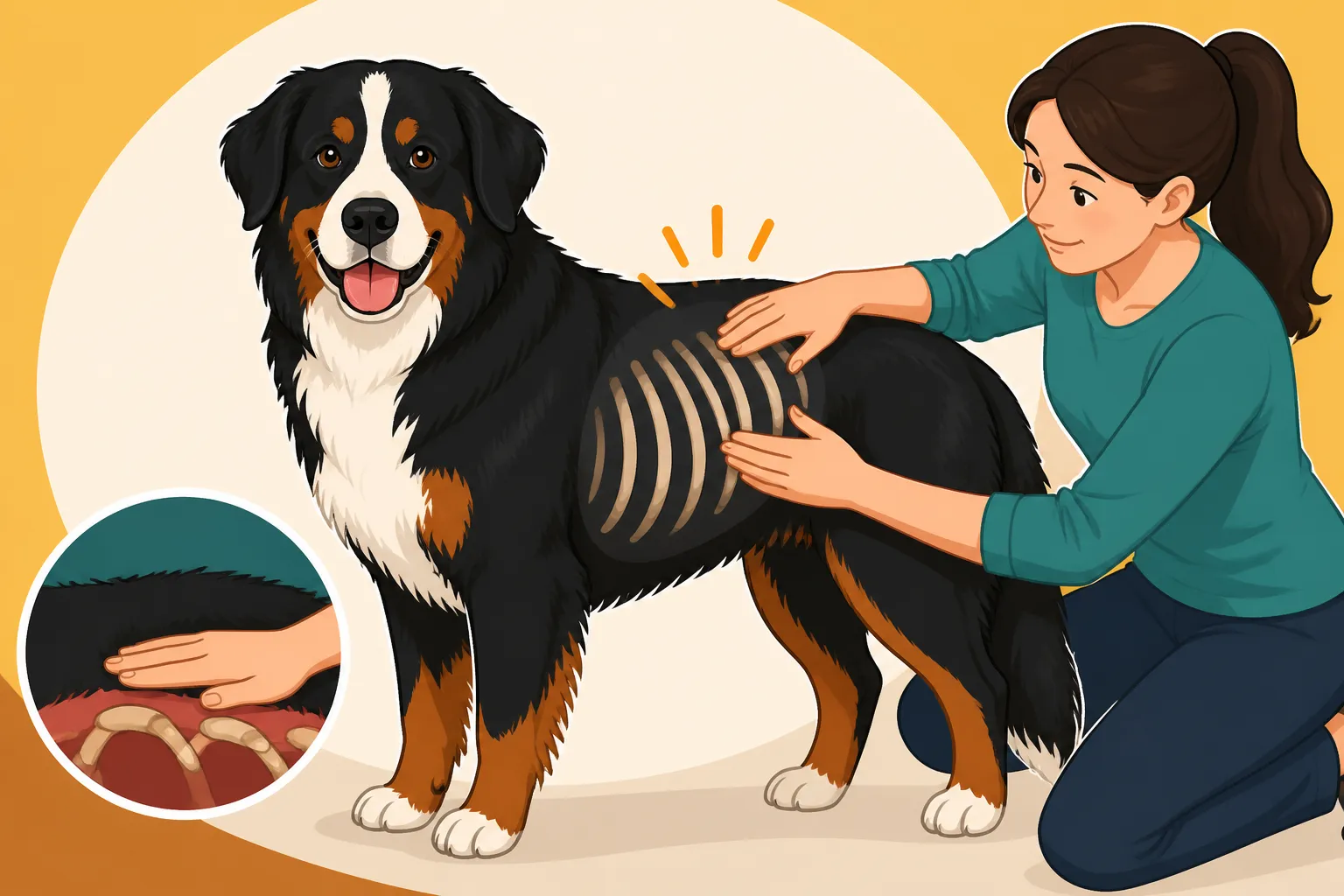
First things first, find a comfortable, quiet spot where your Bernese Mountain Dog is relaxed. They might be lying down, standing, or even leaning against you (a classic Berner move!). The key is for them to be still and at ease. Start by gently running your open palms over their chest and rib cage area. Don't press hard initially; just feel the general shape of their body.
Once they're comfortable with this, begin to apply very light pressure with your fingertips and palms, moving slowly from their shoulders down their sides. You’ll be feeling for the individual bones of their ribs. You want to make sure you're feeling through their fur and the layers of muscle and fat, right down to the bone structure. Don't be afraid to apply a little more pressure if needed, but always be gentle and pay attention to your dog's reaction. If they flinch or pull away, ease up and try again more softly. The goal is to feel the distinct ridges of their ribs without having to dig deep.
What You're Feeling For
When you're running your hands over your Berner's rib cage, the ideal sensation is being able to easily feel their ribs, much like you'd feel the knuckles on your own hand, but without them being visibly prominent or feeling sharp. You should feel each rib distinctly, almost like running your fingers over a washboard, but covered by a thin layer of muscle and fat. It shouldn’t be a bony, jagged sensation, nor should it feel like you’re trying to find a hidden treasure under a thick mattress.
If you can see your Bernese Mountain Dog's ribs clearly without even touching them, or if they feel very sharp and prominent with just the lightest touch, they might be underweight. On the other end of the spectrum, if you have to press firmly, almost dig, to feel any ribs at all, or if you can't distinguish individual ribs, then your Berner is likely carrying too much weight. The sweet spot is that easy palpation – a clear, smooth definition of each rib bone without undue effort. This "just right" feeling confirms they have adequate muscle and a healthy, protective fat layer, but not so much that it's a burden.
Practice Makes Perfect
Like any new skill, assessing your Bernese Mountain Dog's body condition by touch gets easier with practice. Make it a regular part of your grooming or petting routine, perhaps once a week. The more you do it, the more familiar you’ll become with what a healthy body feels like for your specific dog. Every Berner is an individual, and while the general guidelines apply, you'll learn their unique physique over time.
You can even involve other family members! Teach them the technique, so multiple people are aware of what your Bernese Mountain Dog’s ideal condition feels like. This ensures consistency and helps you notice subtle changes sooner. It’s also a great way to bond with your dog, turning a health check into a positive interaction. Just imagine, instead of just cuddling, you're gathering vital health information every time you stroke their side. This regular, tactile assessment is far more reliable than just looking, especially with a dog famous for its glorious, obscuring coat.
Interpreting Your Findings: What Your Bernese Mountain Dog's Ribs Tell You
Once you've mastered the art of feeling for those elusive ribs, the next step is understanding what your findings actually mean for your Bernese Mountain Dog's health. This tactile information is a powerful indicator of their overall well-being.
Ribs That Are Too Easy to Feel
If you can easily see your Bernese Mountain Dog's ribs, or if they feel very prominent and sharp with minimal pressure, it usually indicates they are underweight. This might also be accompanied by visible hip bones or a very tucked-up abdomen. While a lean body condition is generally preferred for a giant breed to protect their joints, being too thin can be just as detrimental as being overweight.
Being underweight could mean your Berner isn't getting enough calories, perhaps due to a diet that isn't rich enough or simply not enough food for their activity level. However, it can also be a red flag for underlying health issues. Conditions like certain parasites, digestive problems, or even early stages of serious illnesses can lead to unintentional weight loss. If your Bernese Mountain Dog is losing weight without any changes to their diet or exercise, or if they just can't seem to gain weight, it’s absolutely vital to schedule a visit with your veterinarian. This isn't something to ignore, as it could be an early symptom of something serious. They might recommend specific dietary adjustments, possibly even a consultation with a veterinary nutritionist, or diagnostic tests to rule out medical conditions. When seeking specialized large-breed foods, online retailers like Chewy often have a wide selection, and services like Ollie can provide nutrient-dense, portion-controlled fresh meals.
Ribs You Can't Easily Find
This is perhaps the more common scenario for many Bernese Mountain Dog owners. If you have to press quite firmly to feel any ribs, or if you can only feel a general, soft expanse rather than distinct bones, your Bernese Mountain Dog is likely overweight. This extra layer of fat can make their body appear smoother and rounder, despite that fluffy coat.
As we discussed, excess weight is a significant concern for Berners. It exacerbates joint issues like hip and elbow dysplasia, contributes to The Bernese Mountain Dog Whose Back Legs Give Out due to increased strain, and puts them at higher risk for conditions like bloat, diabetes, heart disease, and even certain cancers. Tackling weight gain early is crucial. It means adjusting their diet, ensuring they're on a high-quality large-breed formula, and managing portion sizes carefully. Whether a Lean Bernese Mountain Dog Lives Longer is a question many owners ponder, and generally, maintaining a healthy, lean weight is strongly associated with a longer, healthier life for these gentle giants.
The Ideal Body Condition
The goal is to find that happy medium. Your Bernese Mountain Dog should have ribs that are easily palpable without being visible. Their waist should be noticeable when viewed from above, a gentle indentation behind the rib cage, and they should have an abdominal tuck when viewed from the side, meaning their belly should not hang low but rather curve up towards their hind legs. Their muscles should feel firm and well-developed.
This ideal body condition ensures that their joints are under minimal stress, their organs are functioning optimally, and they have the energy and agility to enjoy their lives to the fullest. It's a key component of preventative health care that can significantly impact their quality of life and potentially even their longevity. Regular assessments, coupled with appropriate diet and exercise, are your best tools for maintaining this balance.
Here’s a quick guide to what you should be feeling and seeing:
| Body Condition Score (BCS) | Ribs (Touch) | Waistline (Top View) | Abdominal Tuck (Side View) | Implications |
|---|---|---|---|---|
| Too Thin (1-2) | Easily visible, sharp, no fat | Extreme hourglass, very narrow | Severe tuck, bony abdomen | Malnutrition, illness, inadequate calories |
| Ideal (3-5) | Easily palpable, no fat cover | Clearly visible, gentle curve | Good tuck, athletic look | Healthy, optimal weight |
| Overweight (6-7) | Hard to feel, fat cover | Barely visible, broad back | Minimal tuck, straight line | Increased joint stress, health risks |
| Obese (8-9) | Cannot feel, very thick fat | No waist, very wide | No tuck, sagging abdomen | Significant health risks, reduced mobility |
Note: This is a simplified table. Veterinarians use a more detailed 9-point scale.
Beyond the Ribs: A Holistic View of Your Berner's Body Condition
While feeling for your Bernese Mountain Dog's ribs is an excellent starting point, a truly comprehensive assessment of their body condition involves looking at a few other key areas. Remember, their coat can hide a lot, so consistent tactile checks are your best bet.
Checking the Waistline and Tummy Tuck
Once you've checked the ribs, move your hands back along their body towards their hips. Gently feel for their waist, which should be located just behind their rib cage. When you look down at your Bernese Mountain Dog from above, you should ideally see a gentle, hourglass-like curve or indentation in this area. If their body goes straight back from the ribs to the hips, or if it bulges out, that's a strong indicator of excess weight, regardless of what the ribs feel like.
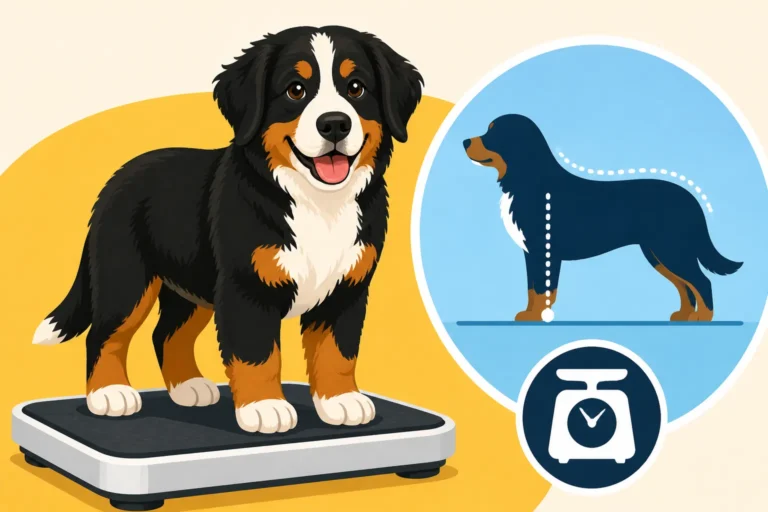
Next, have your Berner stand sideways and look at their tummy tuck. A healthy Bernese Mountain Dog should have an abdomen that tucks up slightly from the bottom of their rib cage towards their hind legs. If their belly hangs low, is distended, or shows no upward curve, this also suggests they are carrying too many pounds. These visual cues, combined with the hands-on rib check, give you a much clearer picture of their overall physique. Being mindful of What a Fit Bernese Mountain Dog Should Weigh means looking at these elements together.
Assessing Muscle Mass
Beyond fat, it's also important to assess your Bernese Mountain Dog's muscle mass. Muscle is crucial for supporting their large frame and protecting their joints. Run your hands over their back, hips, and hindquarters. You should feel firm, well-defined musculature. If these areas feel soft, or if their spine and hip bones are very prominent without much muscle padding, it could indicate muscle loss.
Muscle loss can occur for various reasons, including insufficient exercise, aging, or underlying health issues that cause muscle wasting. For older Berners, maintaining muscle mass is critical for mobility, especially if they are already dealing with Joint Disease in a Hundred Pound Bernese Mountain Dog. If you notice significant muscle loss, especially combined with weight loss, it’s definitely time for a vet visit. They might recommend specific exercises, physiotherapy, or dietary adjustments to help build or maintain muscle.
Regular Weigh-Ins and Vet Consultations
While your hands are incredibly useful, a scale still plays an important role. Regular weigh-ins (perhaps monthly or quarterly, depending on your dog's age and health) can help you track trends over time. Remember that the exact number isn't always as important as the trend. A sudden drop or gain of several pounds can signal a need for closer investigation. Many vet clinics have large, walk-on scales you can use even if you don't have an appointment. For home use, if you're dedicated, you can even find large-capacity pet scales on platforms like Amazon.
Finally, and perhaps most importantly, don't hesitate to consult your veterinarian. They are your best resource for accurate body condition assessment. During routine check-ups, they will perform a professional assessment and can offer tailored advice on diet, exercise, and any necessary interventions. They can tell you How Much an Adult Bernese Mountain Dog Eats based on their individual needs. If you're struggling to help your Bernese Mountain Dog lose weight, or if you're concerned about unexplained weight loss, your vet can help create a plan, rule out medical causes, and guide you on the best path forward. They can also advise on appropriate joint supplements available through retailers like Chewy or your local pet supply store, to support their frame.
This comprehensive approach—feeling the ribs, assessing the waist and tuck, checking muscle mass, and regular vet check-ins—will empower you to keep your Bernese Mountain Dog in optimal physical condition, helping them live their happiest, healthiest life possible.
Disclaimer
This article is for general informational purposes only and does not constitute professional advice. Laws, prices and regulations vary by location and change over time. Consult a qualified professional for guidance on your specific situation.