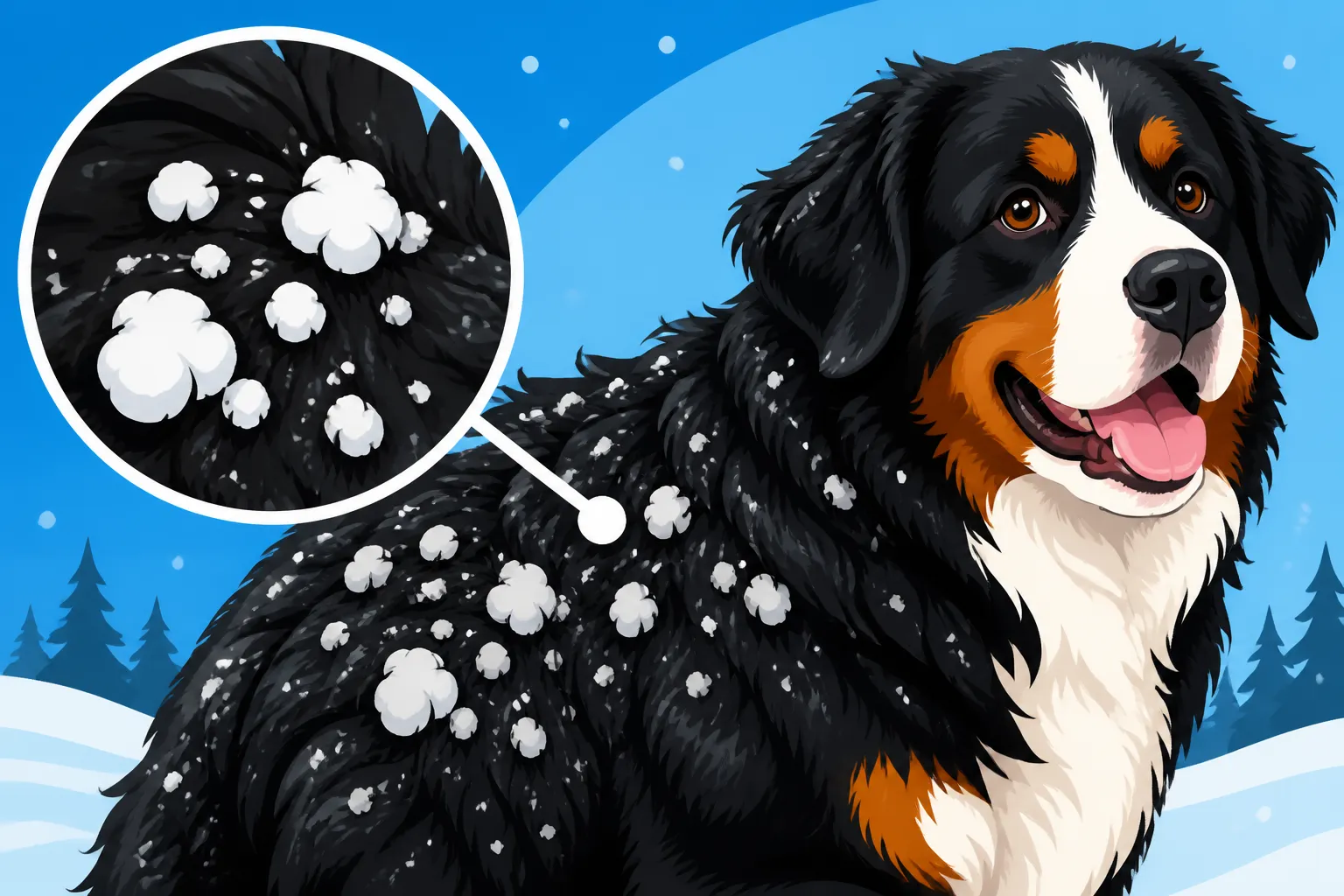
Snow Balling Up in a Bernese Mountain Dog’s Coat
Stepping out for a winter walk with your majestic Bernese Mountain Dog can quickly turn from a picturesque scene to a frustrating struggle when their beautiful, thick coat starts collecting snow. It's a common, irritating reality for many Berner owners: those gorgeous long hairs, especially on their legs and belly, become veritable magnets for snow, quickly forming painful, heavy ice balls that hinder movement and can even cause discomfort. This guide will help you understand why your Bernese Mountain Dog is so prone to these icy woes and, more importantly, equip you with the best strategies to prevent them, remove them, and ensure your furry friend enjoys the winter wonderland as much as you do.
The Snowball Conundrum: Why Bernese Mountain Dogs Are Prone to Icy Tufts
It's a sight many Berner owners know all too well: a happy romp in the fresh powder transforms into a dog weighed down and hobbled by clumpy, hard snowballs clinging to their every long hair. It's not just an inconvenience; it can be genuinely uncomfortable and even painful for your beloved companion. Understanding the "why" behind this snowy phenomenon is the first step to conquering it.
The Anatomy of a Snow Magnet: Explaining the Berner's Coat
Our Berners are built for the cold, isn't that the irony? Their magnificent double coats, perfectly designed to insulate them against the harsh Swiss winters, are precisely what makes them such excellent snowball collectors. Think about it: they have a long, slightly wavy outer coat that's a bit coarser, meant to shed water and protect. Beneath that lies a dense, woolly undercoat, providing unparalleled warmth.
Now, imagine fresh, powdery snow. It's light, fluffy, and seems harmless. But as your Berner bounds through it, the snow particles get caught in that long, feathery hair on their legs, belly, and even their "trousers" – the long hair on their hindquarters. As the snow warms slightly from their body heat, it begins to melt just a tiny bit, becoming sticky. Then, as they continue to move through the cold air, that slightly melted snow refreezes, compacting into solid, often golf-ball-sized, ice balls. It's a cruel trick of nature, turning their protective coat into a heavy, icy armor. The texture of their coat, which can be quite dense and wavy, provides countless anchor points for these ice crystals to grab onto and build upon. It's like a natural Velcro for snow.
The Downside of Delight: Discomfort and Risk from Snowballs
While watching your Bernese Mountain Dog revel in the snow is a pure joy, the ensuing snowball situation can quickly turn that joy into worry. These aren't just cosmetic issues; they lead to real discomfort and potential risks. First and foremost, the sheer weight of dozens of ice balls can pull on their skin, causing painful tugging and irritation. Imagine having your hair constantly pulled, and then multiply that by a hundred pounds of dog and frozen lumps. It's no wonder they start to lift their legs gingerly or even refuse to walk.
Beyond the immediate discomfort, these icy masses can restrict movement, making them unsteady on their feet. A Bernese Mountain Dog already carries a good deal of weight, and adding awkward, heavy clumps to their legs can throw off their balance, increasing the risk of slips, strains, or even falls, especially on already slick surfaces. If left to melt against their skin, the prolonged dampness and cold can lead to skin irritation, chafing, or even mild frostbite in extreme conditions. Owners often feel a pang of guilt, wishing they could prevent these discomforts, and the struggle to remove them at the door can be a significant source of frustration for both dog and human. Whether a Bernese Mountain Dog Loves Snow provides a good overview of their general affinity for cold, but that doesn't mean they enjoy the downsides.
Proactive Strategies to Keep Snow from Balling Up
The best offense is a good defense, and when it comes to snowballs in your Bernese Mountain Dog's coat, that philosophy holds true. Taking a few proactive steps before you even head out for your winter adventure can drastically reduce the number and size of those pesky ice clumps, making the post-walk cleanup much more manageable, or even unnecessary!
Creating a Barrier: Pre-Walk Sprays and Conditioners
One of the most effective ways to combat snowballs is to make your Berner's coat too slick for snow to cling to. Think of it like applying a non-stick coating. There are several products on the market designed specifically for this purpose. Look for silicone-based detangling sprays or leave-in conditioners. These create a temporary, smooth barrier on the individual hair shafts, making it harder for snow to adhere and clump.
Before your walk, thoroughly spray your dog's legs, belly, chest, and especially their "trousers" – any area with longer feathering that typically collects snow. Don't be shy; you want good coverage. Pay extra attention to the hair between their paw pads. Allow it to dry for a minute or two if possible before heading out. While no product is 100% foolproof, you'll often find that any snow that does collect will be much easier to brush or knock off when you come back inside. Many reputable pet supply stores and online retailers like Chewy or Amazon offer a variety of these "anti-snow" sprays, so you can easily find one that suits your preferences and your Berner's coat type.
Dressing for Winter Success: Protective Apparel
Sometimes, a physical barrier is the most straightforward solution. While our Berners are built for cold, strategically placed apparel can protect those vulnerable areas prone to snowballing.
- Dog Coats and Sweaters: Not just for warmth, many dog coats are designed with an extended belly panel that can cover a significant portion of the chest and underside, preventing snow from reaching the long belly hair. When choosing a coat for your Bernese, ensure it's made of a slick, water-resistant material that won't absorb snow itself. You need something durable and properly fitted for their large frame.
- Dog Booties and Leggings: This can be a game-changer for the legs, but it's also where many owners face the most resistance! Booties cover the paws and sometimes extend up the leg, while full-leg gaiters or leggings offer more extensive coverage. The challenge is finding ones that stay on a big, active Berner and that they tolerate wearing. Start with short durations indoors to get them accustomed to the feel. Look for products designed for large breeds, often available on platforms like Amazon or through specialized outdoor dog gear companies. Road Salt Caught in a Bernese Mountain Dog's Feathering is another excellent reason to consider paw protection.
While some Berners take to clothing like a seasoned fashionista, others will give you "the look" that clearly says, "I am a dignified mountain dog, not a clown!" Patience and positive reinforcement with high-value treats (maybe some tasty Ollie snacks!) can go a long way in getting them to accept protective gear.
Smart Grooming: Strategic Trimming for Snow Season
You might love the majestic flow of your Berner's long feathering, but sometimes a little strategic trimming can make a world of difference during snowy months. This isn't about shaving your Bernese Mountain Dog – that's generally a no-go as it can damage their insulating double coat and impair their ability to regulate temperature year-round. The Case for Leaving a Bernese Mountain Dog Untrimmed details why shaving is typically a bad idea.
Instead, focus on areas where snow consistently collects and causes problems:
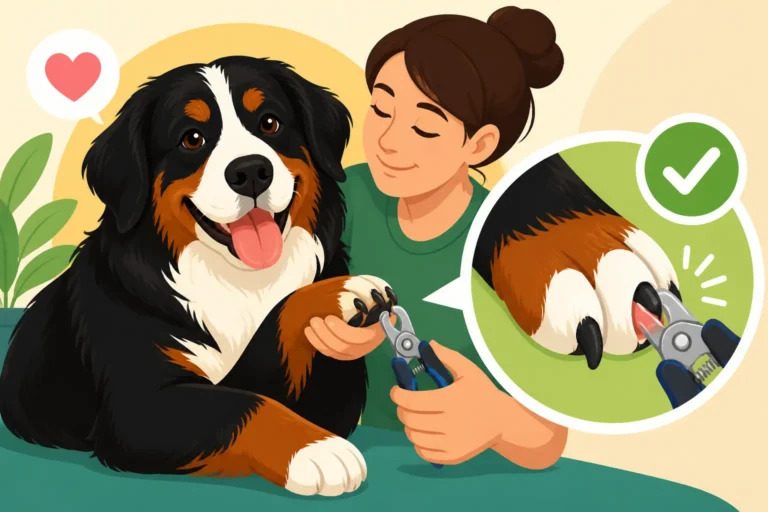
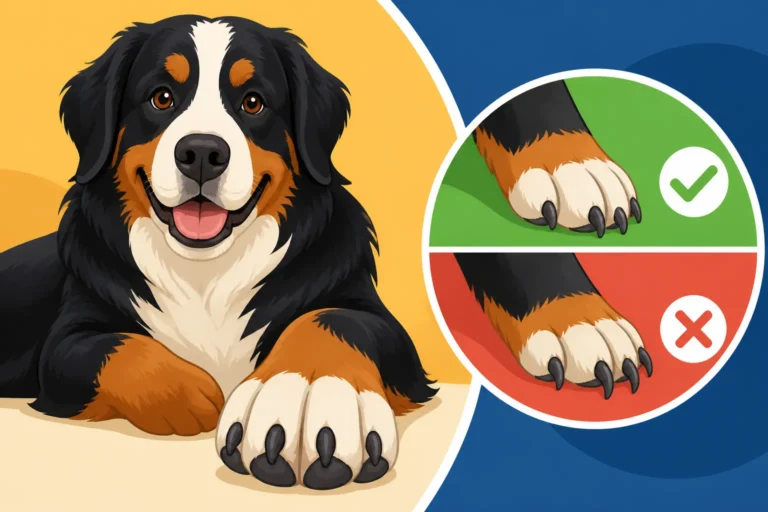
- Paw Pads and Between Toes: The hair here can wick up moisture and snow, creating ice balls that get stuck between their pads, which is incredibly uncomfortable. Carefully trim this hair flush with the paw pads using blunt-nosed scissors or clippers.
- Hocks and Legs: The longer feathering on the back of their front and hind legs, and around their hocks, is another prime snowball zone. You can tidy these areas up, shortening the feathering by an inch or two, especially if it drags close to the ground. This isn't about creating a show-ring finish; it's about practical snow management. Tidying the Hair Around a Bernese Mountain Dog's Feet offers more specific advice on this.
- Belly and Underneath: For some Berners, the hair on their belly can be quite long. A slight trim here, again, just shortening the length, can reduce the surface area for snow accumulation.
If you're unsure or nervous about trimming your dog's coat yourself, a professional groomer can perform these "winter tidy-ups" safely and effectively. Explain that your goal is snow prevention, not a full haircut.
Handling the Aftermath: Removing Snowballs Safely and Effectively
Despite all your best proactive efforts, chances are your Bernese Mountain Dog will still come in with some snowballs, especially if they've been truly enjoying themselves in deep powder. The key now is to remove them gently and efficiently, minimizing discomfort for your dog and mess in your home.
The Gentle Thaw: Techniques for Ice Ball Removal
Resist the urge to yank or forcefully pull at the ice balls. This will only cause pain and potentially damage your dog's skin and coat. Patience is paramount here. The most effective method often involves a gentle thaw.
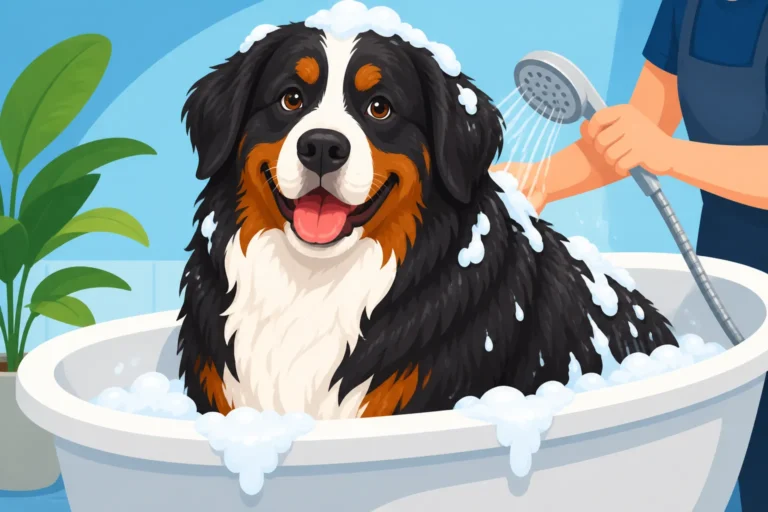
- Warm Water Immersion: If your Berner is cooperative (and not too massive for your tub!), a warm bath is the quickest way to melt the ice balls. Just a few inches of warm water in the tub can do wonders. Let them stand in it for a few minutes, allowing the ice to soften and melt away. You can also target specific areas with a hand sprayer on a warm setting.
- Warm Towel Compress: For dogs wary of baths or for smaller, isolated clumps, saturate a towel in warm water, wring it out, and then hold it against the affected area. The warmth will slowly melt the ice. You might need several applications, but this is a very gentle approach.
- Spray Bottle: A spray bottle filled with lukewarm water can be surprisingly effective for smaller, softer snow accumulations. Mist the snowy areas until they soften, then brush them out.
Once the ice has softened, a wide-toothed comb or even your fingers can gently coax the snow out. Always comb away from the skin, working slowly.
Essential Tools and a Dedicated Space for Post-Walk Clean-Up
Having the right tools and a designated area can make the whole process much smoother.
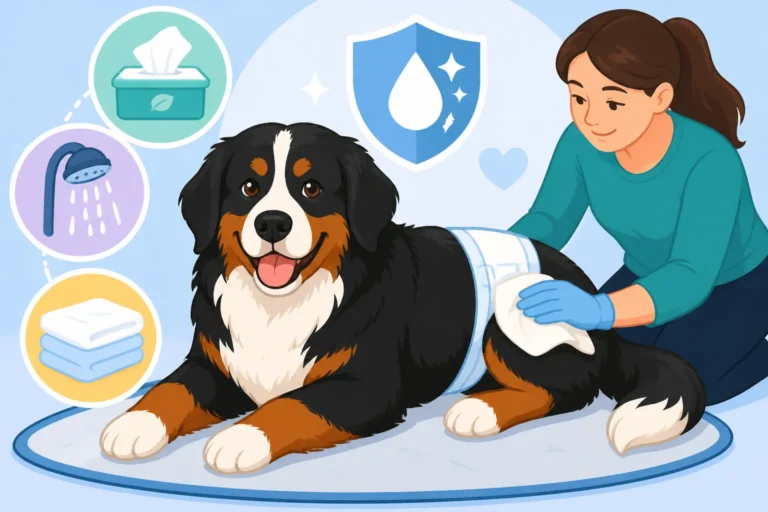
- Absorbent Towels: Have a stack of old, highly absorbent towels ready at the door. Microfiber towels work exceptionally well for soaking up moisture quickly.
- A Good Dog Dryer: A forced-air dog dryer (on a cool setting) can speed up the drying process after melting snow, preventing dampness that can lead to skin issues. It's also great for blowing out loosened snow particles.
- Wide-Toothed Comb/De-Matting Tool: Once the snow is softened, these tools are invaluable for gently working out any remaining clumps without pulling. Which Brush a Bernese Mountain Dog's Coat Needs can guide you on general grooming tools, but for snow, a wide comb is key.
- Designated "Snow Station": If possible, set up a specific area near your entry door – a mudroom, laundry room, or even a corner of your garage – where you can tackle snowballs without tracking water and debris through the house. Lay down old towels or a waterproof mat.
Here's a quick comparison of popular snowball removal strategies:
| Method | Pros | Cons | Best For |
|---|---|---|---|
| Warm Water Bath | Quickest thaw, full coverage | Messy, dog may resist, requires a large tub/shower | Heavy accumulation, very icy balls |
| Warm Towel Compress | Gentle, less mess, good for sensitive dogs | Slower, may require multiple applications, only for specific areas | Smaller clumps, less patient dogs |
| Silicone/Detangling Spray | Helps snow slide off, makes brushing easier | Not a primary removal method, more preventative | Pre-treatment, aiding in comb-out |
| Forced Air Dryer (Cool) | Melts/blows out snow, quick drying | Can be noisy, dog may be scared, need to ensure cool air | Softened snow, drying after wet removal |
| Fingers/Wide-Toothed Comb | Very gentle, precise, builds trust | Time-consuming, only effective on softened snow | Final removal, sensitive areas, smaller clumps |
Post-Removal TLC: Ensuring Comfort and Skin Health
Once the snowballs are gone, your job isn't quite finished. It's crucial to ensure your Bernese Mountain Dog is completely dry and comfortable to prevent any lingering issues. How Long a Wet Bernese Mountain Dog Takes to Dry can be quite a while, given their thick coats.
- Thorough Drying: Use your absorbent towels and, if tolerated, a dog dryer on a cool or low-heat setting to ensure their coat and skin are completely dry. Dampness can lead to skin irritation, hot spots, or even exacerbate existing skin conditions.
- Skin and Paw Inspection: After drying, gently run your hands over their legs, belly, and paws. Check for any redness, chafing, nicks from ice, or dry, cracked paw pads. If you notice any irritation, a soothing balm or pet-safe moisturizer can be applied to the paw pads.
- Brush Out: A final brush-out with a good pin brush or slicker brush (depending on the area) will help restore their coat's natural loft and ensure no hidden tangles remain. Getting a Rake Down Through a Bernese Mountain Dog's Coat is a great method for maintaining coat health.
Making this entire process as positive as possible is key. Offer praise, gentle words, and plenty of rewards. A happy, comfortable Berner after a snowy adventure is worth the effort!
Beyond Snowballs: Comprehensive Winter Care for Your Bernese Mountain Dog
While snowballs are a primary concern, winter weather presents other considerations for our Bernese Mountain Dogs. Their love for the cold doesn't mean they're immune to all winter woes. A holistic approach to winter care ensures they stay healthy, happy, and comfortable throughout the colder months.
Protecting Paws from Winter Hazards
Beyond just snow sticking to their fur, your Berner's paw pads face a barrage of environmental challenges in winter. Ice melt, road salt, and anti-freeze are common on sidewalks and roads, and these chemicals can be irritating, toxic if ingested, and damaging to paw pads.
- Paw Balm or Wax: Products like Musher's Secret or other paw waxes create a protective barrier on the pads, shielding them from harsh chemicals and preventing cracking from cold and dryness. Apply before walks.
- Dog Booties: Again, if your dog tolerates them, booties offer the best protection against chemical exposure and sharp ice. They also provide extra traction on slippery surfaces.
- Post-Walk Paw Cleaning: Make it a routine to wipe your Berner's paws thoroughly with a damp cloth or rinse them with warm water every time they come in from a walk, especially if you've been on treated sidewalks. This removes any salt or chemicals before they can be licked off or cause irritation. Road Salt Caught in a Bernese Mountain Dog's Feathering is an important read for more on this specific issue.
Maintaining Overall Coat and Skin Health in Cold Weather
The dry air of winter, coupled with indoor heating, can take a toll on your Bernese Mountain Dog's skin and coat. Just like our own skin gets dry, theirs can too, leading to flakiness, itching, and a dull coat.
- Regular Brushing: Consistent brushing, even if it feels like a daily battle against shedding, is vital. It removes loose hair, distributes natural oils, and helps prevent mats, which can become even worse in damp winter conditions. Mats not only trap moisture but also compromise the coat's insulating properties.
- Good Nutrition: A high-quality diet provides the necessary nutrients for healthy skin and a shiny coat. Supplements containing omega-3 and omega-6 fatty acids, often found in fish oils, can be particularly beneficial for skin hydration and coat luster. Brands like Ollie, known for their fresh food, or high-quality supplements available on Chewy, can contribute to overall coat health. Whether Omega Oils Do Anything for a Berner's Coat delves deeper into the benefits of these supplements.
- Humidifiers: If your home is particularly dry, a humidifier can add moisture to the air, which benefits both your dog's skin and your own.
Exercising Your Berner Safely in Snowy Conditions
Bernese Mountain Dogs were bred for the mountains, so they generally adore cold weather and snow. However, even a snow-loving Berner has limits, and smart exercise choices are crucial.
- Monitor Temperatures: While they tolerate cold well, extreme temperatures (especially with wind chill) can still pose a risk, particularly to exposed paw pads and noses. Whether a Bernese Mountain Dog Noties the Cold at All can give you insights into their cold tolerance.
- Watch for Ice: Black ice and slippery conditions are a danger for any dog, but especially for a heavy breed like the Bernese Mountain Dog. A bad slip can lead to serious joint injuries, something Berners are already prone to. Stick to cleared paths or areas with good traction. Walking a Bernese Mountain Dog on Ice offers advice on navigating these treacherous conditions.
- Stay Hydrated: Just because it's cold doesn't mean your dog doesn't need water. They can still become dehydrated, especially if running around and eating snow, which actually makes them colder. Ensure fresh water is always available, even on walks.
- Know When to Head Inside: Look for signs your dog is getting too cold or tired: shivering, holding up paws, whining, or slowing down significantly. While they love the snow, knowing when to call it a day is essential for their safety and well-being.
Winter with a Bernese Mountain Dog can be a magical time, full of snowy romps and cozy evenings by the fire. With a little preparation and attention to detail, you can ensure your big, beautiful companion stays comfortable, healthy, and happy, no matter how much snow falls.
Disclaimer
This article is for general informational purposes only and does not constitute professional advice. Laws, prices and regulations vary by location and change over time. Consult a qualified professional for guidance on your specific situation.