How Many Baths a Bernese Mountain Dog Gets a Year
One of the most frequent questions I get from fellow Bernese Mountain Dog owners is about bathing. With their magnificent, thick double coats, it's easy to wonder if you're bathing them too often, not often enough, or just plain wrong! It's a valid concern, as their coat is a defining feature and crucial for their well-being. This guide aims to clear up the confusion and help you establish a realistic and healthy bathing routine for your beloved Berner.
Understanding the Bernese Mountain Dog's Unique Coat
Before we dive into how often to bathe, it's essential to understand why their coat is so special and what its natural purpose is. This isn't just about looks; it's about function.
The Double Coat's Purpose and Structure
Bernese Mountain Dogs hail from the cold, rugged Swiss Alps, and their coat is perfectly designed for that environment. They possess a thick, luxurious double coat. The outer layer consists of longer, slightly wavy guard hairs that are somewhat water-repellent and provide protection from snow, rain, and harsh winds. These guard hairs act like a natural shield, keeping dirt and moisture away from the skin.
Beneath this outer layer lies a dense, woolly undercoat. This is the real insulation powerhouse, trapping air close to their body to keep them warm in winter and surprisingly, to help regulate their temperature in cooler summer conditions. This combination means their coat is not only beautiful but also incredibly functional, acting as a natural buffer against the elements.
Why Too Much Bathing Can Be Detrimental
While a clean Berner is a happy Berner, there's such a thing as too much of a good thing when it comes to bathing. Frequent bathing, especially with harsh shampoos, can strip away the natural oils that are vital for maintaining the health and integrity of their coat and skin. These oils keep their skin moisturized and act as a natural barrier against irritants.
When these oils are depleted, their skin can become dry, flaky, and itchy, leading to discomfort and potentially even skin infections. The coat itself might lose its natural luster and become dull, brittle, and more prone to matting. Furthermore, a disrupted skin barrier can make them more susceptible to environmental allergens or other skin sensitivities, creating a cycle of itching and irritation that no Berner owner wants to deal with.
Factors Influencing Bathing Frequency for Your Berner
There isn't a single, one-size-fits-all answer to how many baths a Bernese Mountain Dog needs. Their individual needs will largely depend on their lifestyle, environment, and overall health.
Lifestyle and Environment
Consider your Berner's daily life. Is your Bernese Mountain Dog mostly an indoor companion, enjoying naps on the couch, or do they spend a lot of time outdoors, exploring muddy trails and rolling in questionable smells? A Berner that spends its days lounging inside will naturally stay cleaner longer than one that accompanies you on daily hikes through the woods or enjoys frequent swims in the lake.
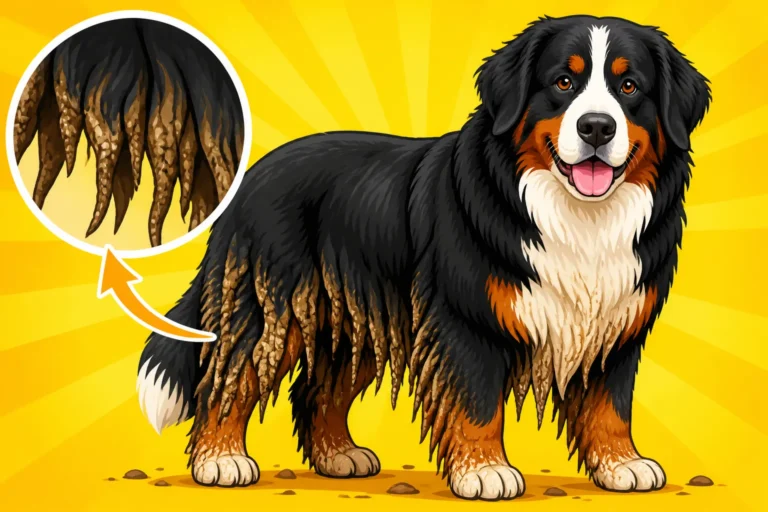
Even where you live plays a role. A Berner in a dry, dusty climate might accumulate more grime than one in a humid, grassy area. If your Berner loves to play in the mud, or has a penchant for discovering interesting "treasures" to roll in, you'll find yourself needing to clean them more often. Sometimes, it's not a full bath, but a targeted wash of paws and legs after an adventurous outing.
Seasonal Considerations
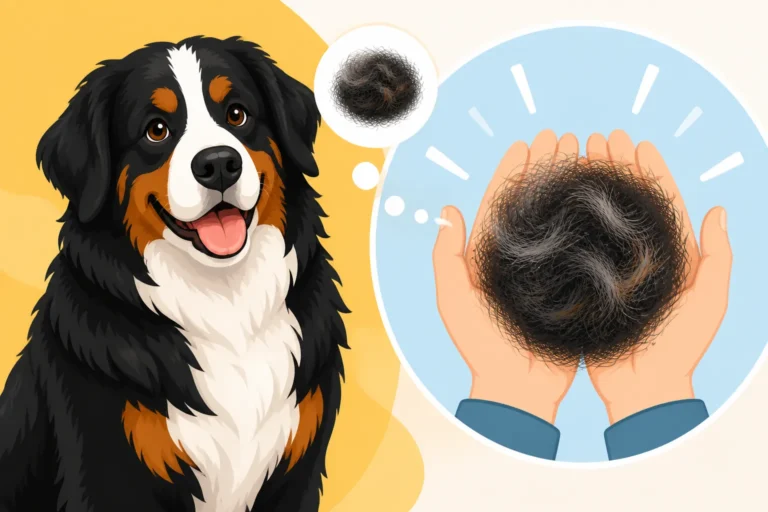
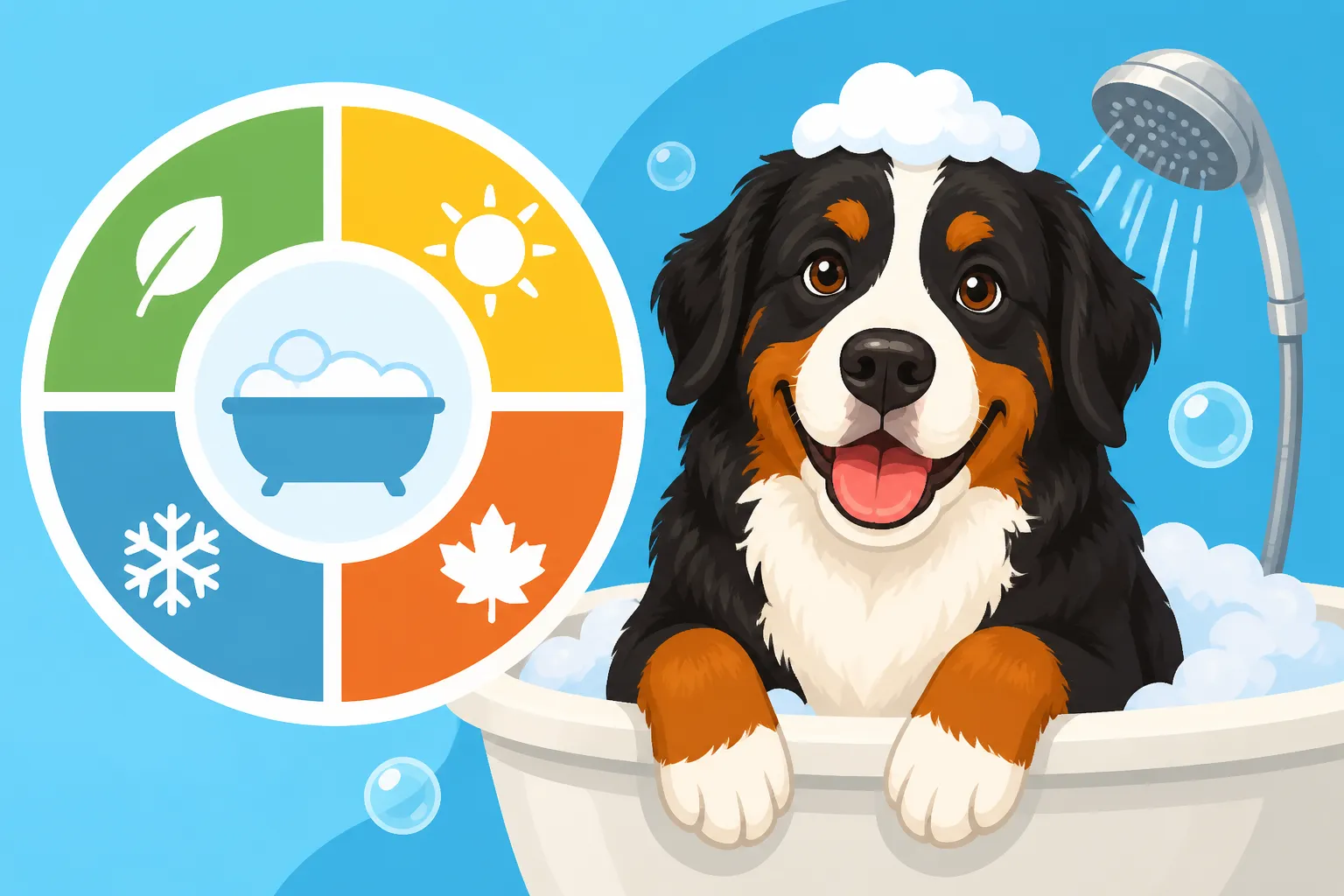
The changing seasons can definitely impact your Berner's bathing needs. During the spring and fall, Bernese Mountain Dogs typically go through a heavier shedding period as they blow their undercoat. This is when regular, thorough brushing becomes absolutely paramount. A good bath during these times can help loosen and remove a significant amount of dead hair, making brushing more effective and potentially reducing the amount of fur tumbleweeds floating around your home. Spring, When a Bernese Mountain Dog's Undercoat Lets Go
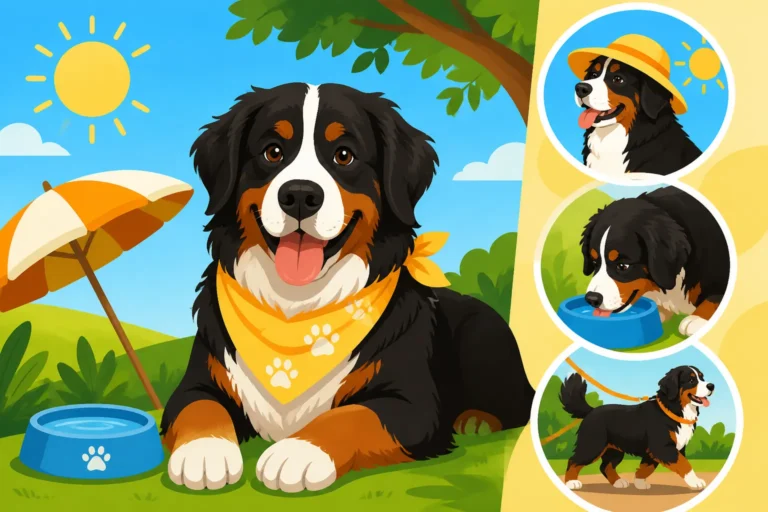
However, bathing too often during peak shedding might also over-stimulate the skin or make it harder to manage the shedding if not properly dried. In summer, if your Berner spends a lot of time swimming, their coat might get wet frequently, but unless they're getting truly dirty, a thorough rinse and dry might be sufficient rather than a full shampoo bath every time. Conversely, a romp in the snow might leave them wet, but rarely truly dirty in a way that necessitates a full bath beyond a good toweling off.
Health and Skin Conditions
A Bernese Mountain Dog's health can also dictate their bathing frequency. If your Berner suffers from allergies, skin sensitivities, or specific dermatological conditions like hot spots, your veterinarian might recommend a specific bathing schedule with medicated shampoos. These therapeutic baths are often crucial for managing symptoms and maintaining skin health, and might be required more frequently than a general "beauty" bath. Skin and Ear Problems in a Bernese Mountain Dog
Conversely, if your Berner has extremely dry or sensitive skin, your vet might advise less frequent bathing or recommend ultra-gentle, hypoallergenic shampoos. Always consult your vet if you notice any unusual skin redness, itching, flaking, or odors, as these could be signs of an underlying issue that bathing alone won't solve, or could even be exacerbated by improper bathing.
The Recommended Bathing Schedule for Most Bernese Mountain Dogs
So, what's the magic number? For most Bernese Mountain Dogs, the answer lies in balance and observation.
General Guidelines for a Healthy Adult Berner
For a healthy adult Bernese Mountain Dog with a typical indoor-outdoor lifestyle, a full bath every 2 to 3 months is generally sufficient. This allows enough time for their natural skin oils to replenish while still keeping their coat clean and fresh. If your Berner is primarily an indoor dog and doesn't get into much mischief, you might even stretch this to 3 to 4 times a year. The key is to look at their coat and skin. Do they actually look dirty? Do they smell dirty? Is their coat feeling greasy or matted despite regular brushing? These are better indicators than a strict calendar.
Remember, a consistent routine of daily or every-other-day brushing is far more important for maintaining a Berner's coat health than frequent bathing. Brushing helps distribute natural oils, removes loose hair and dirt, and prevents mats and tangles, which are much harder to deal with if they get wet.
When an "Emergency" Bath is Necessary
Life with a Bernese Mountain Dog means embracing their adventurous, sometimes messy, spirit. And let's be honest, sometimes a situation arises that simply demands an immediate bath, regardless of when their last one was. Did your Berner decide to roll in something truly foul, like mud mixed with who-knows-what, or worse, have a run-in with a skunk? Yes, these are absolutely "emergency bath" situations.
In these instances, prioritize getting them clean. Use a good quality, gentle dog shampoo. For skunk encounters, there are specific de-skunking formulas that work wonders. Don't worry about stripping oils too much in these rare cases; the immediate need is to remove the offending substance and odor. Just be sure to rinse thoroughly and follow up with a good conditioner to help restore some moisture to their coat.
The Role of Brushing and Dry Grooming
I cannot stress this enough: brushing is your best friend when it comes to Bernese Mountain Dog coat care, often more so than bathing. Regular, thorough brushing can significantly extend the time between baths. It removes loose hair, dirt, debris, and helps prevent mats from forming, especially in the feathery parts of their coat (behind the ears, on their legs, and hindquarters). Brushing Out a Bernese Mountain Dog's Undercoat
Between baths, you can also utilize "dry grooming" techniques. This includes using a damp cloth to wipe down muddy paws or dusty areas, or applying a dog-specific dry shampoo or grooming spray to freshen up their coat. These products can help absorb excess oils and odors without the need for a full-on wet bath. Think of brushing and spot-cleaning as your daily maintenance, with baths being the deeper, less frequent cleaning sessions.
Best Practices for Bathing Your Bernese Mountain Dog
When the time for a bath does come, doing it right can make all the difference for your Berner's comfort and coat health.
Gathering Your Supplies
Bathing a large dog like a Bernese Mountain Dog can be a production, so having everything ready before you start is crucial. You'll need:
- Dog-specific shampoo: Choose a gentle, moisturizing shampoo formulated for dogs. Avoid human shampoos, as their pH levels are different and can irritate your dog's skin. You can find excellent options on platforms like Chewy or Amazon.
- Dog conditioner: This is especially important for Berners to help moisturize their skin and coat, prevent tangles, and restore shine.
- Plenty of towels: You'll need several to absorb water from that dense coat.
- A force dryer/high-velocity dryer (optional but highly recommended): This is a game-changer for drying a Berner's thick double coat quickly and thoroughly, preventing hot spots and skin issues. Regular human hair dryers can take forever and might not penetrate the undercoat effectively, potentially leading to dampness against the skin. Look for a good quality dog-specific force dryer on Amazon.
- A good slicker brush and undercoat rake: For pre- and post-bath brushing. Which Brush a Bernese Mountain Dog's Coat Needs
- Treats: To make the experience more positive!
The Bathing Process, Step-by-Step
Making bath time as smooth as possible benefits everyone.
- Pre-Bath Brush: Start with a thorough brushing session. This removes loose hair and helps to detangle any mats before they get wet, which can make them much worse and harder to remove.
- Wet Thoroughly: Get your Berner completely wet. Their dense coat can repel water, so this might take a few minutes. Make sure the water penetrates right down to the skin. A spray nozzle or detachable shower head is incredibly helpful here.
- Shampoo and Lather: Apply a generous amount of dog shampoo, starting from their neck and working your way down their body, paying extra attention to their legs, belly, and tail. Gently massage the shampoo into their coat, ensuring it reaches the skin. Be careful around their eyes and ears.
- Rinse, Rinse, Rinse! This is perhaps the most critical step. Any shampoo residue left behind can irritate their skin and attract dirt faster. Rinse until the water runs completely clear and you can no longer feel any slipperiness on their coat. This can take longer than you think!
- Condition (Optional but Recommended): Apply a dog-specific conditioner, let it sit for a few minutes as directed, and then rinse just as thoroughly as you did the shampoo.
- Towel Dry: Squeeze out as much excess water as you can by hand, then use towels to blot and rub their coat. Don't expect them to be dry yet; this just gets the bulk of the water off.
- Blow Dry: If you have a force dryer, this is where it shines. Start on a lower setting and gradually increase. Direct the air against the grain of the hair to separate the coat and dry the undercoat efficiently. Keep the dryer moving to avoid concentrating heat in one spot. This step is vital for preventing moisture-related skin issues. How Long a Wet Bernese Mountain Dog Takes to Dry If you don't have one, allow plenty of time for air drying in a warm, draft-free area, and continue to brush periodically to ensure the undercoat dries completely.
Making Bath Time a Positive Experience
Bathing can be stressful for some dogs, especially a big Berner who might not love standing still in a tub. Start young if you can, associating baths with positive reinforcement. Use plenty of treats and praise throughout the process. A non-slip mat in the tub or shower can help them feel more secure.
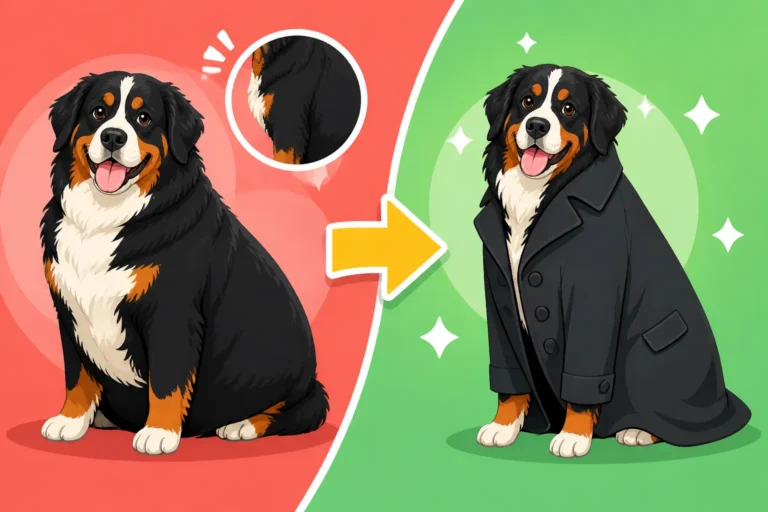
If your Berner is really struggling, consider breaking the bath into smaller steps, or even using a lick mat smeared with peanut butter stuck to the wall of the tub to distract them. If home bathing becomes too much of a challenge, don't hesitate to seek out a professional groomer. They have specialized equipment and experience with large, fluffy breeds. Remember, a calm, patient approach will go a long way in making bath time less of a chore and more of a tolerable, or even enjoyable, routine. Bathing a Bernese Mountain Dog That Fills a Tub
Here’s a quick overview of bathing frequency based on common scenarios:
| Scenario | Recommended Bathing Frequency | Notes |
|---|---|---|
| Mostly Indoor, Low Activity | 3-4 times per year | Focus on regular brushing. |
| Regular Walks, Moderate Activity | Every 2-3 months | Good balance for overall cleanliness and coat health. |
| Active Outdoor, Mud/Water Lover | Monthly, or as needed | May require more frequent full baths or targeted spot cleaning/rinsing. |
| Skin Conditions/Allergies | As directed by vet | Use medicated shampoos, follow veterinary advice closely. |
| Emergency (Skunk, Foul Odor) | Immediately | Address quickly to remove irritants/odor; use appropriate products. |
| Heavy Shedding Season | Once during peak shedding | Helps loosen and remove dead undercoat, combined with daily brushing. |
Ultimately, keeping your Bernese Mountain Dog's coat healthy and beautiful is a blend of thoughtful grooming practices. It's not about how many times you dunk them in the tub, but about understanding their unique coat and responding to their individual needs with gentle care and plenty of love.
Disclaimer
This article is for general informational purposes only and does not constitute professional advice. Laws, prices and regulations vary by location and change over time. Consult a qualified professional for guidance on your specific situation.