How Many Handfuls Come Off a Bernese Mountain Dog
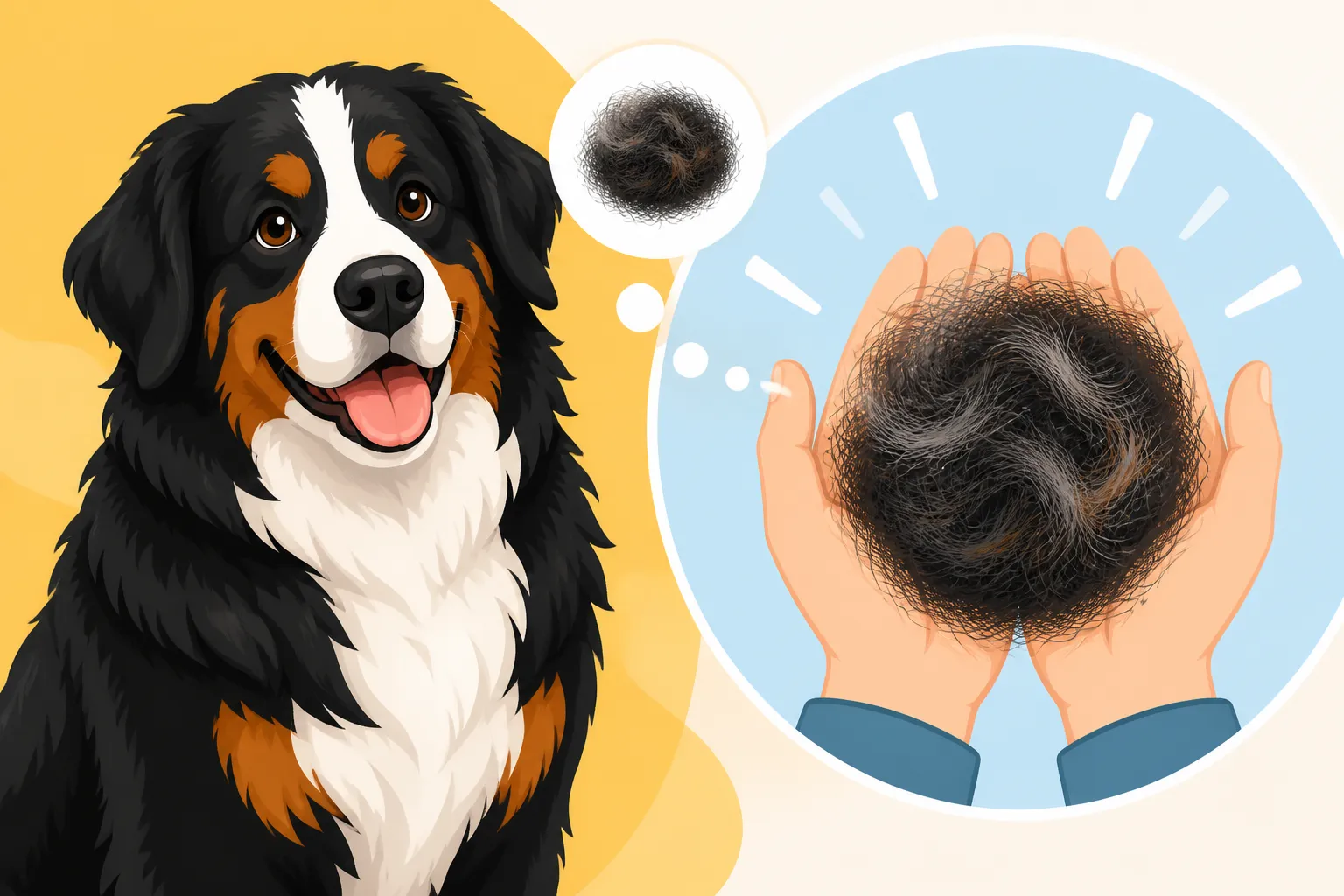
If you've ever found yourself wondering just how many "handfuls" of hair come off a Bernese Mountain Dog, you're not alone. Many Berner owners stand knee-deep in fluff, clutching a brush and contemplating whether their beloved companion is secretly trying to re-insulate the entire house with their magnificent coat. This guide aims to prepare you for the reality of Bernese Mountain Dog shedding, offering practical insights into managing the constant flow of fur and keeping your home from becoming a giant tumbleweed factory.
The Epic Saga of Bernese Mountain Dog Shedding: It's Not Just a Phase
Let's be blunt: Bernese Mountain Dogs shed. A lot. It's not a question of if they shed, but how much, how often, and where all that beautiful tricolor fur will end up. Their double coat, a marvel of nature designed to protect them from harsh Swiss mountain winters, is a formidable force when it comes to hair dispersion. You might initially think in terms of handfuls, but a more accurate unit of measurement might be "small dog-sized piles" or "enough to knit a new sweater every week." This reality often catches first-time Berner owners by surprise, even if they've read about it. There's reading about it, and then there's living it.
Understanding the Bernese Mountain Dog's Double Coat
The Bernese Mountain Dog boasts a luxurious double coat, which is the primary reason for their prolific shedding. This isn't just one layer of hair; it's two distinct layers working in harmony. The outer coat, often referred to as the guard hairs, is longer, coarser, and somewhat water-resistant. This layer protects them from environmental elements like rain, snow, and brambles. It's what gives them that classic, flowing appearance.
Beneath this outer coat lies the undercoat. This layer is dense, soft, and woolly, acting as their natural insulation. In cold weather, it traps warm air close to their body, keeping them toasty. In warmer weather, it helps regulate their temperature by preventing heat from penetrating to their skin, assuming it's properly maintained and not matted. It's this undercoat that is the main culprit behind the sheer volume of shedding you'll experience. As seasons change, or even just as part of their regular hair growth cycle, this undercoat needs to be shed to make way for new growth or to adjust to the ambient temperature. The Bernese Mountain Dog Shed and What It Fills delves deeper into the impact of this incredible coat.
The Myth of "Low Shedding" for Any Bernese
If you've heard whispers of "low-shedding" Bernese Mountain Dogs, unfortunately, that's often a misunderstanding or wishful thinking. While individual Berners might shed slightly more or less than their siblings, none are truly low-shedding in the way a Poodle or a Xoloitzcuintli might be. Any dog with a double coat, especially one as dense as a Berner's, is going to shed. It's a physiological necessity. Breeds often crossed with Berners, like Poodles to create Bernedoodles, are specifically chosen to try and reduce shedding, but that's a different breed altogether. Embracing the shed is a key part of owning a Bernese Mountain Dog.
The reality is that their coat is always in a state of flux. Hair grows, reaches its terminal length, dies, and then sheds. This is happening continuously, resulting in a baseline level of everyday shedding that will be a constant companion in your home and on your clothes.
Seasonal "Blowouts": When Handfuls Turn Into Mountains
While daily shedding is a given, the true test of a Berner owner's resolve comes during the seasonal "blowouts." These are periods when your Bernese Mountain Dog sheds their undercoat in earnest, often in preparation for a significant change in temperature. This is when the "handfuls" feel less like an exaggeration and more like a cruel understatement.
Spring Cleaning: Preparing for Warmer Weather
Spring is arguably the most intense shedding season for Bernese Mountain Dogs. As the days grow longer and temperatures begin to rise, your Berner will start to shed their thick winter undercoat. This is their body's way of getting rid of insulation they no longer need, preparing for the warmer months ahead. You'll notice loose tufts of soft, downy undercoat coming off in truly astonishing quantities. It's like a cloud of white and grey fur suddenly decides to detach itself from your dog. Spring, When a Bernese Mountain Dog's Undercoat Lets Go explains this phenomenon in more detail.
During these weeks, you can brush your Bernese Mountain Dog daily, sometimes even twice a day, and still fill your brush with what feels like an endless supply of fur. It can be overwhelming, making you question if there's any dog left under all that shedding hair. This is the time when vacuum cleaners get a serious workout, and lint rollers become your most trusted accessory.
Autumn Adjustments: Growing a Winter Coat
Autumn also brings a notable increase in shedding, though typically less dramatic than the spring blowout. As the weather cools and winter approaches, your Bernese Mountain Dog will shed their lighter summer coat to make way for a thicker, denser winter undercoat. This process is crucial for their comfort and protection during cold weather, ensuring they have adequate insulation.
While you might not see the same dramatic clumps as in spring, you'll still experience a significant uptick in loose hair. Regular grooming during this period helps remove dead hair and encourages the healthy growth of their new winter coat. It’s also a good time to check for any mats that might be forming as the coat thickens.
Constant Companion: Year-Round Shedding
Even outside of these peak seasons, Bernese Mountain Dogs shed consistently. This "maintenance shedding" is just the natural turnover of their hair. You'll always find some Berner hair on your floors, furniture, and clothes. It's a small price to pay for their affectionate nature and stunning appearance, but it's a constant presence.
Factors like diet, overall health, stress levels, and even humidity can influence this baseline shedding. A healthy dog with a balanced diet will generally have a healthier coat that sheds appropriately, rather than excessively due to poor health. Brands like Ollie, which focus on fresh, nutritious food, can indirectly contribute to coat health, though they won't stop the inherent shedding.
Taming the Tsunami: Practical Shedding Management
Since stopping a Bernese Mountain Dog from shedding is about as likely as convincing them not to lean on you, the best approach is effective management. This means establishing a consistent grooming routine and investing in the right tools. Think of it as harm reduction, not elimination!
The Power of Regular Brushing
Regular brushing is your most powerful weapon against the shed. Aim for at least 3-4 times a week, and daily during peak shedding seasons. The goal is to remove as much loose hair as possible before it has a chance to settle on your furniture or float across your floor.
Here’s how to make brushing effective:
- Tools are Key: You'll need more than just a single brush. A slicker brush is great for removing loose hair from the topcoat and general detangling. A metal undercoat rake, however, is your superstar for reaching down into that dense undercoat and pulling out the dead fluff. A wide-toothed comb can also help check for mats after brushing. You can find a fantastic selection of these tools on platforms like Amazon or Chewy. Which Brush a Bernese Mountain Dog's Coat Needs offers a detailed breakdown of essential grooming tools.
- Section by Section: Don't just haphazardly brush. Work in sections, starting from the head and moving towards the tail. Lift the topcoat and work on the undercoat in small areas. This ensures you're getting deep into the coat.
- The "Fluff" Indicator: You'll know you're being effective when you can see visible amounts of fluffy undercoat coming out. During a heavy shed, it's not uncommon to fill a large pile with just one brushing session. It can easily be several large "handfuls" per session, especially if you haven't brushed in a few days. How Often a Bernese Mountain Dog Should Be Brushed provides further guidance on frequency.
- Make it Positive: Grooming should be a positive experience. Start early in puppyhood, use treats and praise, and keep sessions short and enjoyable. This makes it easier to manage a hundred-pound dog who might otherwise resist.
The Magic of a Force Dryer
While professional groomers often use force dryers, they are also a fantastic investment for home use, especially for a heavy-coated breed like the Bernese Mountain Dog. A force dryer isn't just a hair dryer; it blows air at a high velocity without heat, effectively blasting loose undercoat out of the coat.
Think of it as power washing for fur. After a bath (which you don't need to do too frequently for a Berner, maybe every 6-8 weeks unless they get particularly muddy), a force dryer can dramatically reduce drying time and remove an incredible amount of loose hair. You'll be amazed at the sheer volume of fur that comes flying off. If you're serious about minimizing the hair in your house, a force dryer is a game-changer. You can find various models suitable for large breeds on Chewy or Amazon. Whether a Force Dryer Is Worth It for a Bernese Mountain Dog dives into this topic in depth.
The Grooming Schedule: A Table of Expectations
Here’s a general guide to managing your Bernese Mountain Dog's shedding throughout the year:
| Season | Shedding Intensity | Recommended Brushing Frequency | Key Tools | Additional Tips |
|---|---|---|---|---|
| Spring | Very High | Daily, sometimes twice daily | Undercoat rake, slicker brush, wide-toothed comb | Force dryer after baths; professional de-shedding |
| Summer | Moderate | 3-4 times per week | Slicker brush, undercoat rake | Keep cool; avoid shaving The Case Against Shaving a Bernese Mountain Dog in June |
| Autumn | High | Daily, or every other day | Undercoat rake, slicker brush | Prepare for winter coat growth |
| Winter | Moderate to Low | 2-3 times per week | Slicker brush, pin brush | Focus on preventing mats in denser coat |
Living with the Fur: Household Impact and Cleaning Strategies
Even with the most diligent grooming routine, you will still find Bernese Mountain Dog hair in your home. It’s simply part of the package. Accepting this fact is the first step; developing strategies to manage it is the next.
Cleaning Up: Vacuums and Beyond
Your vacuum cleaner will become your best friend. Not just any vacuum, mind you – you’ll need one designed to handle serious pet hair. Look for models with strong suction, brush rolls that don't easily clog with long hair, and good filtration systems to trap allergens. Brands that specifically cater to pet owners are often a good starting point. Vacuums That Cope With a Bernese Mountain Dog offers recommendations for handling this particular challenge.
Beyond the vacuum:
- Robotic Vacuums: A robotic vacuum running daily can be a lifesaver for maintaining floors between deeper cleans. While they won't replace a thorough manual vacuuming, they significantly cut down on the accumulation.
- Lint Rollers & Rubber Gloves: Keep lint rollers everywhere – by the door, in your car, in your bag. They are indispensable for clothing and quick furniture touch-ups. A damp rubber glove or squeegee can also work wonders on upholstered furniture and carpets, creating static that pulls hair into clumps for easy pickup.
- Regular Dusting & Mopping: Hair doesn't just stay on the floor; it floats and settles on surfaces. Regular dusting with a microfiber cloth and mopping hard floors will help capture airborne hair before it has a chance to become deeply embedded.
Protecting Your Home
While you can't prevent every strand, you can take steps to minimize the impact of Bernese Mountain Dog hair on your home and belongings.
- Designated Dog Zones: Encourage your Berner to rest in specific areas with easy-to-clean bedding or washable throws. This concentrates the hair in manageable spots. Orthopedic beds with removable, washable covers are a must.
- Washable Covers: Invest in washable slipcovers for couches, chairs, and car seats. These can be easily removed and laundered, keeping your main upholstery relatively fur-free.
- Flooring Choices: If you're planning renovations or purchasing a home, consider flooring that is easier to clean. Hardwood, laminate, or tile are generally simpler to sweep or vacuum than thick pile carpets, which can trap hair deep within their fibers. Bernese Mountain Dog Hair Woven Into Upholstery goes into more detail about living with all that fur.
- Air Purifiers: While they won't eliminate all hair, a good air purifier can help capture airborne dander and some lighter hairs, improving overall air quality in your home.
Ultimately, living with a Bernese Mountain Dog means learning to live with their magnificent, shedding coat. It's a trade-off many of us happily make for their unwavering loyalty, gentle nature, and charming personality. By understanding the nature of their fur and implementing a consistent grooming and cleaning routine, you can manage the "handfuls" and enjoy a happy, albeit slightly furry, life with your beloved Berner.
Disclaimer
This article is for general informational purposes only and does not constitute professional advice. Laws, prices and regulations vary by location and change over time. Consult a qualified professional for guidance on your specific situation.