Spring, When a Bernese Mountain Dog’s Undercoat Lets Go
Oh, spring! It's that wonderful time of year when the flowers bloom, the days get longer, and if you're a Bernese Mountain Dog owner, you suddenly find yourself living in a snow globe made of dog hair. The sheer volume of undercoat that decides to "let go" can feel like a losing battle, leaving your floors, furniture, and even your morning coffee dusted in fur. This comprehensive guide is here to help you navigate the intense spring shedding season, understand why your beloved Berner sheds so much, and equip you with practical strategies to manage the furry fallout effectively.
Understanding the Bernese Mountain Dog's Double Coat
Before we dive into the depths of shedding, it's crucial to appreciate the magnificent coat your Bernese Mountain Dog sports. This isn't just any fur; it's a meticulously designed natural insulation system, perfectly adapted for the chilly Swiss Alps from which these gentle giants hail. Understanding its structure helps us grasp why spring shedding is such a big deal.
The Insulating Power of the Undercoat
Beneath that gorgeous, flowing outer layer lies a thick, dense undercoat. This isn't just a fluffy layer; it's a vital component of your Berner's thermoregulation system. Imagine a down comforter – that's essentially what the undercoat is for your dog. It traps a layer of air close to the body, insulating them against the biting cold of winter. This soft, woolly layer is incredibly effective at keeping them warm, even when temperatures drop significantly. Without this dense undercoat, the Bernese Mountain Dog wouldn't have been able to perform its historical duties of carting goods or droving cattle in harsh mountain conditions.
The Protective Outer Coat
Overlaying that insulating undercoat is the Bernese Mountain Dog's longer, coarser outer coat, often referred to as guard hairs. These hairs are slightly water-repellent and provide a crucial first line of defense against rain, snow, and environmental debris. Think of them as the roof shingles of your dog's coat, protecting the insulation underneath from the elements. This outer layer is what gives the Bernese Mountain Dog its distinctive appearance, with its rich black, rust, and white markings. While it also sheds, particularly individual damaged hairs, it's the undercoat that truly causes the seasonal spectacle we know as "blowing coat."
How the Coat Adapts to Seasons
The Bernese Mountain Dog's coat is a marvel of natural engineering, constantly adapting to the changing seasons. In the colder months, the undercoat grows incredibly thick and dense, providing maximum warmth. As spring approaches and the days lengthen, signaling warmer weather, your Berner's body instinctively knows it's time to lighten the load. This triggers the massive release of the old, thick winter undercoat to make way for a lighter, thinner summer coat. It’s a completely natural process, but one that requires a bit of human intervention to help your dog stay comfortable and your home stay (relatively) fur-free. If you've ever wondered how these dogs handle different temperatures, it's all in this incredible adaptation. For more on managing their temperature, read Getting a Bernese Mountain Dog Through Summer.
The Phenomenon of Spring Shedding
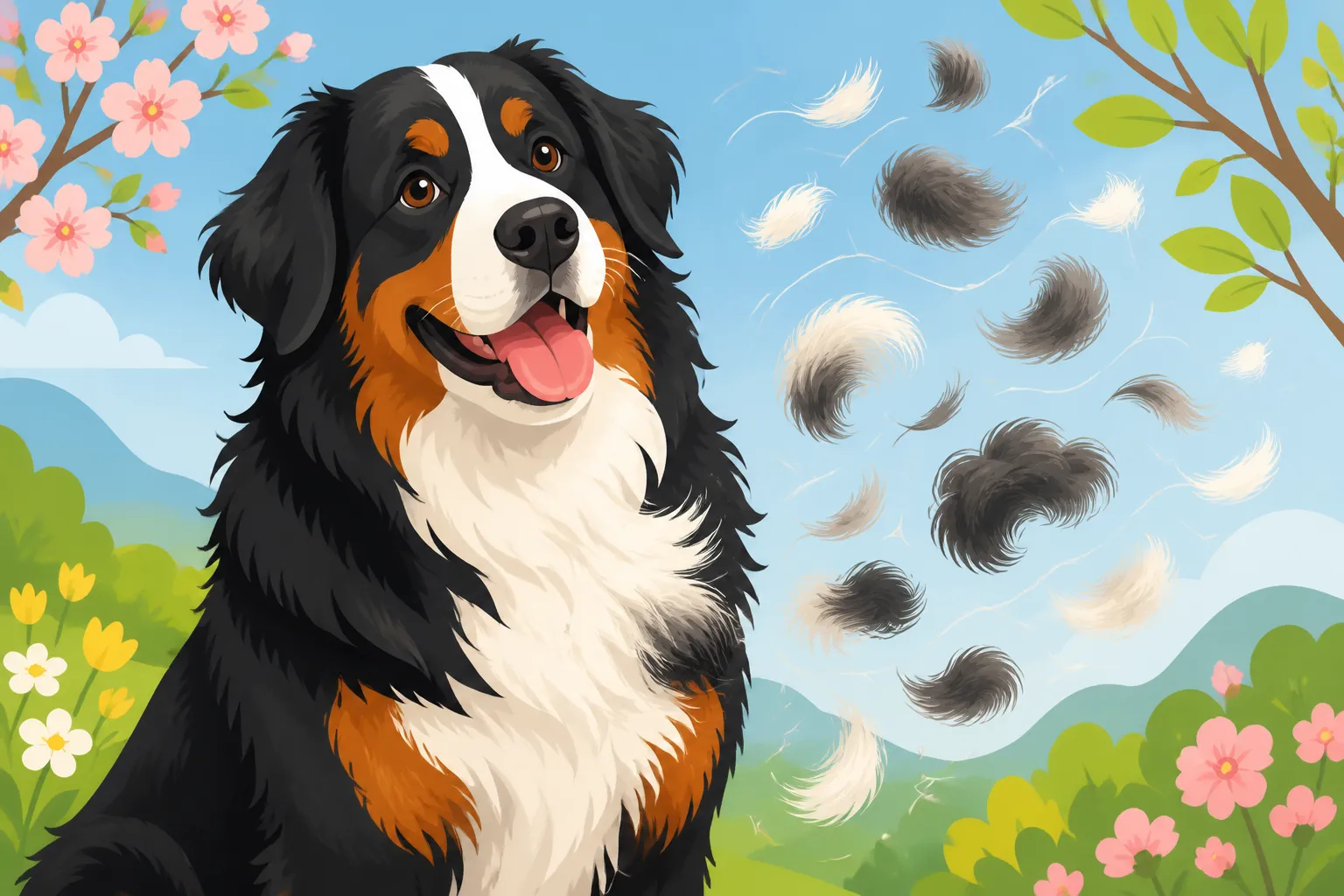
For Bernese Mountain Dog owners, spring isn't just a season; it's an event. The spring shed is arguably the most intense shedding period your Berner will experience, transforming your home into a furry landscape almost overnight. Understanding the mechanics of this seasonal transition can help you prepare.
Why Spring Triggers the Big Shed
The primary trigger for the spring shed isn't necessarily the ambient air temperature warming up, but rather the change in photoperiod—the increasing length of daylight hours. Your Berner's body is hardwired to respond to these subtle shifts, which signal the end of winter and the impending warmer months. The thick, insulating undercoat that served them so well against winter's chill becomes a liability in rising temperatures, and their system begins to push it out. This biological imperative ensures they don't overheat as the weather warms, allowing them to remain active and comfortable. It’s a remarkable adaptation, even if it does mean you’ll be vacuuming twice a day.
The Duration and Intensity of the Shed
When we talk about "spring, when a Bernese Mountain Dog's undercoat lets go," we're talking about a significant period. While the most intense shedding might last anywhere from 2 to 4 weeks, you'll find that your Berner is still "dropping coat" for several weeks beyond that, just at a less frantic pace. During the peak, you can literally pull handfuls of soft undercoat from their body, and it will feel like there's an endless supply. The intensity can vary from dog to dog, and even from year to year for the same dog, influenced by factors like diet, general health, and whether they've been spayed or neutered. Expect daily, vigorous grooming sessions to be your new normal. To get a sense of the sheer volume, check out How Much a Bernese Mountain Dog Sheds in a Week.
Recognizing a Normal Shed vs. a Problem
It's important to distinguish between a normal, healthy seasonal shed and shedding that might indicate an underlying health issue. A normal shed will see a lot of loose, fluffy undercoat coming out, but the skin underneath should appear healthy, free of redness, flakes, or sores. The remaining coat should still look thick and lustrous. If you notice patchy hair loss, thinning fur in specific areas, excessive scratching, skin irritation, or a dull, brittle coat, these are red flags. Such symptoms warrant a visit to your veterinarian, as they could be signs of allergies, parasites, hormonal imbalances, or other dermatological conditions. Always trust your gut if something feels "off" with your Berner's coat or skin health.
Essential Grooming Tools and Techniques for Shedding Season
Successfully managing your Bernese Mountain Dog's spring shed requires the right tools and a consistent, methodical approach. This isn't just about aesthetics; it's about keeping your dog comfortable and preventing painful mats from forming.
Choosing the Right Deshedding Tools
Investing in the right grooming tools is perhaps the single most important step in conquering the spring shed. Forget your regular brushes; you need specialized deshedding equipment that can penetrate the dense undercoat without damaging the delicate guard hairs.
Here’s a look at some of the most effective tools:
| Tool Type | Description | Best Use |
|---|---|---|
| Undercoat Rake | Features long, widely spaced teeth, often with a curved or hooked design. Designed to reach deep into the undercoat and pull out loose hair without cutting the topcoat. | Essential for weekly maintenance and critical during peak shedding. Excellent for getting to the bulk of loose undercoat. |
| Slicker Brush | Has fine, short wires packed closely together on a flat surface. Good for removing tangles and light mats, and for finishing the coat. | Use after raking to smooth the topcoat and catch any remaining loose hairs near the surface. Not for deep undercoat removal. |
| Pin Brush | Features widely spaced wire pins with rounded tips. Resembles a human hairbrush. Primarily used for detangling and general grooming, less effective for deshedding. | Good for daily brushing on drier coats, especially on the longer feathering on legs and tail. Helps prevent tangles from forming. |
| Deshedding Blade/Comb | Often a metal strip with fine, short teeth that effectively "rakes" out dead undercoat. Some models have a rubber or silicone edge to collect loose hair. | Can be very effective, but use with a light hand to avoid irritating the skin or damaging the topcoat. Great for specific shedding areas. |
| High-Velocity Dryer | A powerful, cool-air dryer (not a human hairdryer) that literally blows loose undercoat out of the coat. | Incredibly effective for drying after a bath and for blowing out large amounts of loose undercoat, especially outdoors. A game-changer. |
Many owners find excellent deals on these tools through online retailers like Amazon, or specialty pet suppliers such as Chewy. Having a variety allows you to tackle different stages and types of shedding. For more on selecting brushes, read Which Brush a Bernese Mountain Dog's Coat Needs.
Effective Brushing Strategies
Once you have your arsenal of tools, it's time to put them to work. Consistency is key during shedding season. You'll want to brush your Berner daily, sometimes even twice a day, during the peak.
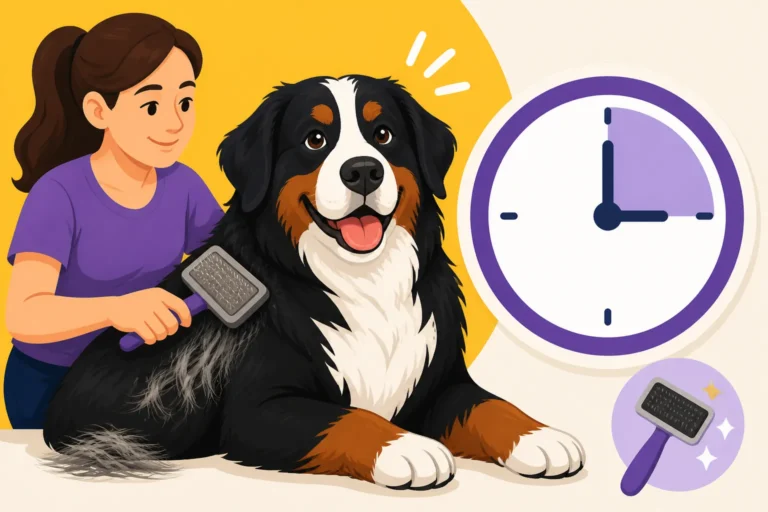
Start with your undercoat rake. Work in small sections, starting from your dog's neck and moving towards their tail. Gently pull the rake through the coat, making sure you're getting deep enough to pull out the fluffy undercoat but not so deep that you're scraping the skin. You'll be amazed at the sheer volume of hair that comes out! Many owners create a routine: one side of the dog in the morning, the other in the evening. Pay special attention to areas prone to matting, such as behind the ears, under the elbows, and around the "trousers" on their hind legs. These spots tend to hold onto loose hair and quickly form dense, painful mats if neglected. Brushing Out a Bernese Mountain Dog's Undercoat offers more detailed guidance on this technique.
After you've removed the bulk of the undercoat with the rake, you can follow up with a slicker or pin brush to smooth the outer coat and remove any lingering loose hairs near the surface. This also helps distribute natural oils, keeping the coat healthy and shiny. Remember to make these grooming sessions positive experiences, offering treats and praise. This will help your Berner associate brushing with pleasant feelings, making future sessions much easier.
Bathing During Peak Shedding
While brushing is your primary weapon against shedding, a well-timed bath can also be incredibly helpful. The warm water and shampoo help loosen dead hair, making it easier to remove during the bathing and drying process. However, bathing a Bernese Mountain Dog isn't a quick task; they are big dogs with a lot of fur!
Use a good quality dog shampoo specifically designed for shedding or sensitive skin. Lather thoroughly, making sure the shampoo penetrates all the way to the skin. Rinse, rinse, and rinse again – leftover shampoo can irritate the skin and lead to more shedding or skin issues. The real magic happens during the drying phase, especially if you have access to a high-velocity pet dryer. This tool is a lifesaver, as it not only dries your Berner much faster than air drying but also literally blasts out copious amounts of loose undercoat. Do this outside if possible, unless you want your home to look like it snowed fur. If you don't have a high-velocity dryer, plan for extra brushing after towel-drying to help pull out the loosened hairs as the coat dries. For shampoo recommendations, see Shampoo for a Bernese Mountain Dog's Double Coat.
Managing Shed Hair in Your Home
Even with the most diligent grooming, some Bernese Mountain Dog hair will inevitably find its way into every nook and cranny of your home. It's just a fact of life with this breed! But there are strategies to minimize the impact and keep your living space more manageable.
Daily Housekeeping Strategies
During peak shedding season, daily housekeeping isn't a luxury; it's a necessity. Your vacuum cleaner will become your best friend, and you might find yourself using it more than you ever thought possible. Investing in a powerful vacuum designed for pet hair is non-negotiable for a Berner owner. Look for models with strong suction, good filtration, and attachments specifically for upholstery and hard-to-reach areas. Brands like Dyson and Shark often come highly recommended by large-breed dog owners. You can find excellent options on Amazon that make a real difference in controlling the fur.
Beyond vacuuming, consider using electrostatic cloths or mops designed to pick up pet hair on hard floors. They work wonders for quick clean-ups between more thorough vacuums. A lint roller will become a permanent fixture on your coffee table, by your door, and in your car. Some owners even keep a small handheld vacuum in high-traffic areas for quick spot cleaning. Keeping a designated "fur zone" where your Berner rests or sleeps, and focusing your cleaning efforts there, can also help. For more tips, refer to Keeping a House Livable With a Bernese Mountain Dog.
Protecting Furniture and Fabrics
Your furniture and fabrics are prime targets for shed hair. While you might love snuggling with your Berner on the sofa, you probably don't love the fur imprint they leave behind. One of the simplest and most effective solutions is to use washable throws or blankets on your furniture. These can be easily removed, shaken out outdoors, and tossed into the washing machine. Look for fabrics that hair doesn't cling to as stubbornly, such as tightly woven blends or certain microfibers. Avoid materials like velvet or loosely woven chenille, which act like magnets for fur.
For bedding, consider using duvet covers that can be regularly washed. If your Berner sleeps in your bed (and let's be honest, many do!), a dedicated blanket for them on top of your comforter can save you a lot of laundry. In the car, seat covers designed for pets are invaluable, protecting your upholstery from both hair and dirt. Remember that the goal isn't to eliminate hair entirely, but to contain it and make cleanup easier.
Ventilation and Air Quality
All that shed hair isn't just visible on surfaces; it's also floating around in the air, contributing to dust and potentially exacerbating allergies for sensitive family members. Improving your home's ventilation and air quality can help significantly. Regularly changing your HVAC system's air filters to high-efficiency pet-specific filters can trap a lot of airborne dander and hair.
Consider using air purifiers, especially in rooms where your Bernese Mountain Dog spends a lot of time. These devices can filter out pet dander, pollen, and other allergens, making the air cleaner and reducing the amount of fur that settles on surfaces. Opening windows on pleasant days to allow for fresh air circulation can also help clear out airborne particles. While these steps won't stop the shedding itself, they make the living environment much more comfortable and healthier for everyone in the household.
Diet and Supplements to Support Coat Health
What goes into your Bernese Mountain Dog's bowl has a direct impact on the health and quality of their coat, and can even influence the amount of shedding. A healthy dog with a well-nourished coat often sheds less excessively and grows a healthier new coat.
The Role of Nutrition in a Healthy Coat
A dull, dry, or brittle coat can be a sign of nutritional deficiencies, and sometimes even indicate an underlying health issue. A high-quality dog food provides the foundational nutrients for skin and coat health. Look for dog foods that list a named meat source as the first ingredient and avoid excessive fillers. The better the quality of the ingredients, the more bioavailable the nutrients will be for your Berner.
Think about it: your dog's skin and coat are their largest organ system, and they require a significant amount of protein, fats, and vitamins to maintain their integrity. A diet rich in these essential building blocks will help ensure strong hair follicles, healthy skin, and a coat that's less prone to breakage and excessive shedding. For dogs with sensitive skin or coats, sometimes a switch to a high-quality fresh food diet, like those offered by Ollie, can make a noticeable difference in their overall skin and coat condition.
Key Nutrients for Skin and Fur
When evaluating your Berner's diet for coat health, pay close attention to certain key nutrients:
- Protein: Hair is primarily made of protein. A diet with adequate, high-quality protein (like chicken, beef, or fish) is essential for strong hair growth.
- Omega-3 and Omega-6 Fatty Acids: These essential fatty acids are crucial for healthy skin and a shiny coat. Omega-3s, often found in fish oil, have anti-inflammatory properties that can soothe irritated skin. Omega-6s, found in many plant oils and poultry fat, are vital for skin barrier function. A good balance of these is important.
- Vitamins and Minerals: Vitamins A, E, and B-complex vitamins, as well as minerals like zinc and copper, all play roles in skin health and hair production.
Ensuring your Berner's food provides a balanced profile of these nutrients can go a long way in promoting a robust and healthy coat, minimizing unnecessary shedding outside of the seasonal blow.
When to Consider Supplements
Even with a high-quality diet, some Bernese Mountain Dogs can benefit from targeted supplements, especially during intense shedding periods or if they have persistently dry skin or a dull coat.
- Fish Oil (Omega-3s): This is probably the most common and effective supplement for coat health. A good quality fish oil, rich in EPA and DHA, can significantly improve skin hydration, reduce inflammation, and lead to a softer, shinier coat. Many owners notice a visible difference within a few weeks of starting fish oil. For more information, read Whether Omega Oils Do Anything for a Berner's Coat.
- Biotin: A B-vitamin often associated with hair and nail health, biotin can sometimes be helpful for dogs with brittle fur or excessive shedding, although its efficacy can vary.
- Joint Supplements: While not directly for coat health, many large breed dogs like Berners benefit from joint supplements containing glucosamine and chondroitin, which can support their mobility. A healthy, active dog is generally a happy dog, and that often reflects in their overall appearance, including their coat.
Always consult your veterinarian before adding any supplements to your Berner's diet, as they can advise on appropriate dosages and check for any potential interactions with existing medications or health conditions.
Addressing Common Shedding Concerns and Myths
The world of dog ownership is rife with myths and misconceptions, and shedding is no exception. Let's tackle some common concerns and clear up a few popular but often misguided ideas about Bernese Mountain Dog coats.
Shaving: A Common Misconception
One of the most persistent myths surrounding heavily shedding double-coated breeds like the Bernese Mountain Dog is that shaving them will somehow reduce shedding or keep them cooler in the summer. This is generally a bad idea and can actually do more harm than good.
The double coat acts as a natural insulator, not just against cold but also against heat. The dense undercoat provides a barrier that prevents heat from penetrating the skin, and the outer guard hairs protect against sunburn. When you shave a Berner, you strip away this natural protection, exposing their delicate skin to the sun's harmful UV rays, which can lead to sunburn and increased risk of skin cancer. Furthermore, shaving can permanently damage the coat, causing it to grow back patchy, uneven, or with an altered texture. Often, the undercoat grows back thicker and coarser, while the guard hairs may not grow back at all, leading to a "cottony" coat that is more prone to matting and less effective at regulating temperature. It’s far better to manage shedding through diligent brushing and proper care than to resort to shaving. For a deeper dive into this, see What Shaving Does to a Bernese Mountain Dog's Insulation and The Case Against Shaving a Bernese Mountain Dog in June.
Excessive Shedding Beyond Spring
While spring is undeniably the peak shedding season for a Bernese Mountain Dog, persistent or unusually heavy shedding outside of this period can be a cause for concern. Berners do shed year-round, but it should be manageable. If you notice a sudden increase in shedding that doesn't align with seasonal changes, or if the shedding is accompanied by other symptoms, it's worth investigating.
Factors like stress, changes in diet, environmental allergens, parasites (fleas, mites), fungal infections, bacterial skin infections, or even systemic health issues such as thyroid problems can all manifest as excessive shedding. Certain medications can also impact coat health. If your Berner is shedding profusely and it's not spring, or if you observe skin irritation, bald patches, a dull coat, or behavioral changes like lethargy or increased scratching, a vet visit is in order. Early detection and treatment can prevent more serious issues and get your Berner's coat back to its healthy, glorious state.
Seasonal Allergies and Their Impact
Just like humans, Bernese Mountain Dogs can suffer from seasonal allergies. These allergies, often triggered by pollen, grass, or other environmental factors, can manifest as itchy skin, redness, hot spots, and yes, increased shedding. The constant scratching, licking, and chewing due to allergies can damage hair follicles and lead to hair loss, making the shedding appear worse.
If your Berner seems unusually itchy, particularly on their paws, belly, or ears, during certain times of the year, seasonal allergies could be the culprit. Your veterinarian can help diagnose allergies and recommend appropriate management strategies, which might include antihistamines, medicated shampoos, dietary changes, or even immunotherapy. Addressing allergies promptly is crucial not only for your dog's comfort but also to prevent secondary skin infections that can further complicate coat health and shedding patterns.
Disclaimer
This article is for general informational purposes only and does not constitute professional advice. Laws, prices and regulations vary by location and change over time. Consult a qualified professional for guidance on your specific situation.