Cooling Vests for a Bernese Mountain Dog
Summer can be a real struggle for our beloved Bernese Mountain Dogs, whose thick, luscious coats, designed for the frosty Swiss Alps, become a heavy burden in warmer climates. Owners often face the heartbreaking dilemma of wanting to give their Berner a happy, active life outdoors, but constantly worrying about overheating and the very real danger of heatstroke. This guide will delve into how cooling vests can be a vital tool in your arsenal to help your gentle giant stay comfortable and safe when the temperatures rise, allowing for more joyful, worry-free moments together.
The Unique Challenge of Keeping a Bernese Mountain Dog Cool
Bernese Mountain Dogs are magnificent, but their breed characteristics, while charming, unfortunately make them highly susceptible to overheating. It’s not just about them feeling a bit warm; it can quickly become a serious health risk. Understanding why they struggle is the first step in protecting them.
Why Berners Overheat So Easily
Let's be honest, our Berners are built for colder climes. Their heritage is deeply rooted in the snowy regions of the Swiss Alps, where their thick, double coat was a life-saving asset, providing insulation against biting winds and freezing temperatures. That same coat, however, acts like a heavy wool blanket in anything above mild weather. The dense undercoat traps heat, while the longer outer coat absorbs solar radiation, especially with their prominent black markings. This combination creates a significant challenge for their natural cooling mechanisms.
Beyond their coat, their sheer size and body mass play a role. A large dog simply has more volume to cool down and less surface area relative to that volume compared to a smaller dog. This means their internal temperature can rise faster and take longer to dissipate. Imagine trying to cool down a large insulated thermos versus a small glass; the thermos holds heat much more effectively. Furthermore, their typical placid nature can sometimes mask early signs of discomfort, as they might try to push through it before showing obvious distress. Heat and the Bernese Mountain Dog's Black Coat explores this challenge in more detail.
Signs Your Berner Is Getting Too Hot
Recognizing the signs of overheating early is absolutely crucial for a Bernese Mountain Dog owner. It can be the difference between a minor scare and a life-threatening emergency. The first, most obvious sign is often excessive panting – heavy, rapid breathing that seems out of proportion to their activity level. This isn't just a regular pant after a short walk; it's a frantic effort to expel heat. Their gums might appear a darker red than usual, or even bluish if they're struggling significantly. You might also notice thick, ropey drool, a glazed look in their eyes, and a general air of lethargy or weakness.
As the situation escalates, their coordination can suffer. They might stumble, appear disoriented, or even collapse. Their skin, particularly on the inner thighs or belly, may feel hot to the touch. These are all critical warning signs that demand immediate intervention. Never dismiss these symptoms as just "being a little warm." The internal temperature of a Bernese Mountain Dog can rise rapidly, and once it hits a certain point, organ damage can occur quickly. It’s important to know The Temperature a Bernese Mountain Dog Stops Coping and to act before they reach that critical threshold. For more information on critical signs, read How a Bernese Mountain Dog Behaves Before Heat Stroke.
Common Misconceptions About Cooling Down a Large Dog
Many well-meaning owners fall prey to common myths when trying to cool down their large dogs, which can sometimes do more harm than good. One prevalent misconception is that shaving your Bernese Mountain Dog's coat will help them stay cool. While it might seem logical, their double coat actually provides insulation against both cold and heat. The outer guard hairs protect their skin from UV rays, preventing sunburn, and the undercoat, when healthy, helps regulate body temperature by trapping a layer of cooler air. Shaving can disrupt this natural system, exposing their sensitive skin and making them more susceptible to both sunburn and inefficient cooling. The Case Against Shaving a Bernese Mountain Dog in June delves deeper into why this isn't the best solution.
Another mistake is hosing down an overheated dog with ice-cold water. While it seems like a quick fix, a sudden extreme temperature change can send your dog into shock, causing their blood vessels to constrict and actually hindering the cooling process by preventing heat from escaping their core. Gradual cooling with tepid or cool, not icy, water is much safer and more effective. Furthermore, some owners simply assume their large, hardy-looking dog will "just cope" with the heat. This dangerous assumption overlooks the physiological realities of a breed like the Bernese Mountain Dog, leading to delayed action when signs of distress begin to show. Always err on the side of caution with these magnificent but heat-sensitive dogs.
Understanding How Cooling Vests Work for Bernese Mountain Dogs
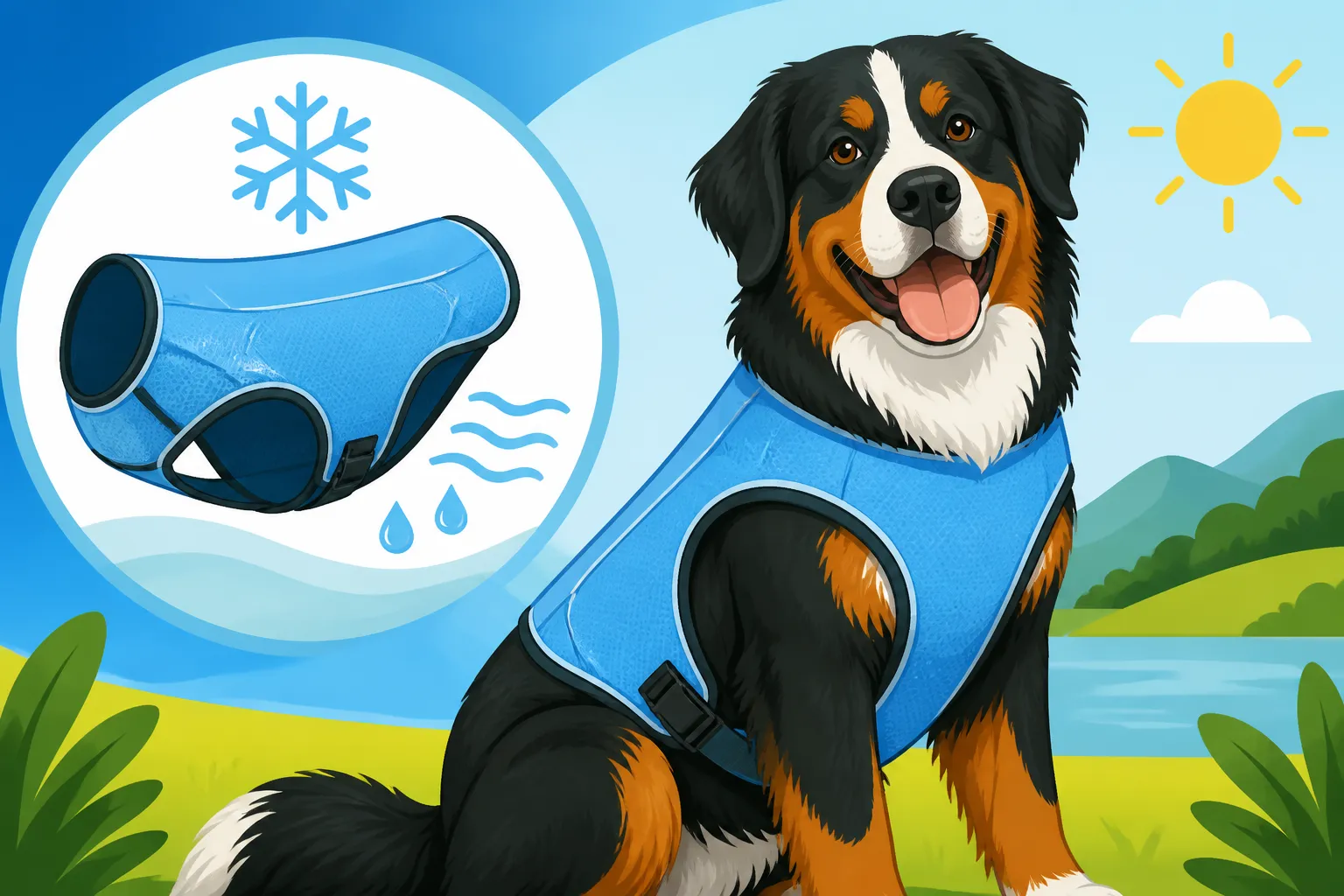
When the mercury starts to climb, and you still want to enjoy a gentle walk or some shaded yard time with your Berner, a cooling vest can be a real game-changer. These aren't just fashion accessories; they're engineered pieces of gear designed to actively help your dog dissipate heat.
Different Types of Cooling Vest Technologies
Cooling vests for dogs primarily rely on a couple of key technologies, and understanding them helps you choose the best fit for your Bernese Mountain Dog. The most common type is evaporative cooling vests. These vests are designed to be soaked in water, wrung out, and then placed on your dog. As the water slowly evaporates from the vest's fabric, it draws heat away from your dog's body, creating a cooling effect. Think of it like sweating – the evaporation of moisture from the skin cools the body. These vests are often lightweight and can be easily re-soaked, making them convenient for longer outings or multiple uses throughout the day. They work best in environments with some airflow and lower humidity.
Another technology involves gel-pack or ice-pack vests. These vests come with pockets where you insert pre-chilled gel packs or ice packs. The cold packs directly absorb heat from your dog's body. While they offer intense, immediate cooling, their duration is limited by how long the packs stay cold, and they can be heavier or bulkier than evaporative vests. Some vests also incorporate reflective materials on their outer layer. While not actively cooling, these materials reflect sunlight, helping to prevent the absorption of heat in the first place, especially beneficial for dogs with dark coats like the Berner. Many modern vests combine elements of these technologies to provide a multi-faceted approach to canine cooling.
How to Properly Use a Cooling Vest
Getting the most out of a cooling vest for your Bernese Mountain Dog isn't just about throwing it on them; proper usage is key to its effectiveness and your dog's safety. For evaporative vests, the process usually involves thoroughly soaking the vest in cool water, then gently wringing out the excess until it's damp but not dripping. You want enough moisture for evaporation without soaking your dog's fur. Fit the vest snugly but comfortably, ensuring it doesn't restrict movement or breathing. Always check the manufacturer's specific instructions, as some vests might have unique activation methods.
Once on, regularly monitor your Berner for signs of comfort or continued overheating. If the vest starts to feel dry, it's time to re-soak it. For vests with gel or ice packs, ensure the packs are securely placed within their pockets and never directly against your dog's skin, as this can cause discomfort or even frostbite. These vests typically have an insulated layer between the pack and your dog. It's also vital to never leave your Bernese Mountain Dog unattended while wearing a cooling vest, especially if they're not accustomed to it. They might try to chew at it, and you'll need to assess its continued effectiveness. This proactive approach is part of having Cooling Gear for a Bernese Mountain Dog as a safety tool.
Benefits Beyond Just Temperature Regulation
While the primary goal of a cooling vest is to regulate your Bernese Mountain Dog's body temperature, the benefits extend far beyond simply keeping them from getting too hot. For starters, many vests offer excellent UV protection. With less dense hair on their belly or inner legs, and potentially even on their back if their coat is thinning, a vest provides a physical barrier against harmful sun rays, reducing the risk of sunburn and long-term skin damage, especially for a dog spending time outdoors.
Beyond physical protection, a well-fitted cooling vest can significantly increase your Berner's comfort level during warm weather activities. This means they might be more willing to go for that gentle morning walk, enjoy a supervised lounge in the shade, or participate in outdoor training sessions without showing signs of distress. For you, the owner, it brings immense peace of mind. Knowing you've provided an extra layer of protection against the heat allows you to relax a little more, focusing on the joy of your dog's company rather than constant worry about their well-being. It allows for a more active lifestyle even when the weather isn't perfectly alpine.
Choosing the Right Cooling Vest for Your Bernese Mountain Dog
Selecting a cooling vest for a Bernese Mountain Dog isn't a one-size-fits-all situation. Their substantial size, thick coat, and deep chest require careful consideration to ensure maximum comfort and effectiveness.
Key Features to Look For in a Berner-Specific Vest
When shopping for a cooling vest for your Bernese Mountain Dog, the first thing on your mind should be size and adjustability. A Berner needs a vest that truly covers enough of their large body to be effective, not just a small patch on their back. Look for vests that come in extra-large or giant breed sizes and offer multiple adjustable straps around the chest and belly. This ensures a snug fit without being restrictive, accommodating their deep chest and broad shoulders. You want something that allows full range of motion without chafing. Websites like Chewy or Amazon are excellent places to start your search, as they typically carry a wide array of sizes and brands, allowing you to filter by breed size.
Material durability and quality are also paramount. Berners are strong dogs, and a flimsy vest won't last long. Look for robust, tear-resistant fabrics that can withstand regular use, washing, and the occasional roll in the grass. The material should also be breathable to facilitate evaporation without trapping heat. Consider the vest's coverage – ideally, it should cover a significant portion of the back and sides, where much of their cooling takes place. Lastly, ease of cleaning is a practical feature. A vest that can be easily hand-washed or machine-washed will be a lifesaver, as it will inevitably get dirty from outdoor adventures. Always check customer reviews, particularly those from other large breed owners, for insights into fit and performance.
Measuring Your Bernese Mountain Dog for a Perfect Fit
Getting the right measurements for your Bernese Mountain Dog is probably the most critical step in choosing a cooling vest. A vest that's too small will be ineffective and uncomfortable, potentially chafing or restricting movement. One that's too large will shift, fail to make proper contact for cooling, or even become a tripping hazard. You'll primarily need three measurements:
- Neck Girth: Measure around the widest part of your dog's neck, where their collar typically sits. Allow a couple of fingers' worth of space for comfort.
- Chest Girth (or Girth/Bust): This is the most important measurement. Measure around the widest part of your dog's ribcage, just behind their front legs. This area is where the vest will need to fit securely.
- Back Length: Measure from the base of the neck (where the collar sits) to the base of the tail. This will give you an idea of how much coverage the vest will provide along their back.
Always use a flexible tape measure and ensure your dog is standing squarely and calmly. Compare these measurements to the sizing chart provided by the manufacturer. If your Berner is between sizes, it's often best to size up, especially if the vest has adjustable straps, to ensure it doesn't pull or restrict their deep chest. Remember, a comfortable fit is a safe fit.
Comparing Popular Cooling Vest Options
When looking at cooling vests, you'll find various designs tailored to different needs and budgets. While I can't name specific current models or prices, we can compare types based on features commonly found across brands. This helps illustrate the choices available for your Bernese Mountain Dog.
| Feature Type | Evaporative Cooling Vest | Gel/Ice Pack Vest | Hybrid/Reflective Vest |
|---|---|---|---|
| Cooling Mechanism | Water evaporation from fabric, drawing heat away. | Direct contact with pre-chilled gel or ice packs. | Evaporative cooling with reflective outer layer. |
| Primary Advantage | Lightweight, continuous cooling (with re-wetting), breathable. | Immediate, intense cooling, good for short, intense heat. | Blocks sun's rays AND actively cools via evaporation. |
| Weight | Generally lighter, especially when damp. | Can be heavier due to gel/ice packs. | Moderate weight, depending on design. |
| Duration | Long-lasting if re-wet frequently, depends on humidity. | Limited by pack temperature, requires re-freezing/replacement. | Good duration, combines benefits. |
| Ideal Use Case | Longer walks, hiking in dry climates, general warm weather. | Short outings, intense heat, post-exercise cool-down. | Sunny days, moderate to high heat, all-around protection. |
| Maintenance | Easy to re-soak, washable fabric. | Requires freezing packs, vest fabric is washable. | Re-soak, washable fabric. |
| Comfort for Berner | Generally very comfortable, non-restrictive. | Can be bulky, packs might feel stiff, may warm up quickly. | Good, if fit allows for both layers to function properly. |
This table provides a general overview, but always check individual product descriptions for specific features, materials, and care instructions to ensure the best choice for your unique Bernese Mountain Dog.
Practical Tips for Maximizing Your Berner's Comfort in Warm Weather (Beyond Vests)
While a cooling vest is a fantastic tool, it's part of a broader strategy for keeping your Bernese Mountain Dog safe and comfortable in warm weather. Think of it as one essential piece in a comprehensive puzzle.
Adjusting Exercise Routines
This is probably one of the most impactful changes you can make to protect your Berner from the heat. Long gone are the midday strolls or the vigorous afternoon play sessions once summer hits. Instead, shift your exercise schedule to the coolest parts of the day. This almost always means very early mornings, right as the sun comes up, and late evenings after the sun has set and the pavement has cooled down. Even then, keep an eye on the humidity, as high humidity can make it feel much hotter and harder for your dog to cool themselves through panting.
Keep walks shorter and less intense than usual. Focus on leisurely sniffing and potty breaks rather than strenuous exercise. A simple mental enrichment game indoors might be far more beneficial than pushing them too hard outside. Remember, their enthusiasm might override their good judgment, so it's up to us as owners to set the boundaries. Always check the pavement temperature with the back of your hand – if it's too hot for you to hold your hand on for five seconds, it's too hot for their paws. Pavement Temperature and a Bernese Mountain Dog's Pads provides more information on this often-overlooked danger. For a complete overview of adapting their routine, explore Exercising a Bernese Mountain Dog in Summer and Summer Routines for a Bernese Mountain Dog.
Hydration and Water Access
Staying well-hydrated is absolutely non-negotiable for a Bernese Mountain Dog, especially when it's warm. Always ensure your Berner has access to ample fresh, cool water at all times, both indoors and outdoors. A large, stable water bowl that won't tip over easily is best, and consider placing multiple bowls in different areas of the house or yard.
When you're out and about, even for a short walk, always bring water with you. Collapsible travel bowls are indispensable for this. Offer water frequently, even if your dog doesn't seem to be panting heavily. Dehydration can creep up quickly, and a well-hydrated dog is better equipped to regulate their body temperature. You might even add a few ice cubes to their water bowl to keep it cooler for longer, or freeze low-sodium broth in ice cube trays for a refreshing, hydrating treat.
Creating a Cool Environment at Home
Your home should be a sanctuary from the heat for your Bernese Mountain Dog. This means providing ample shade if they are outdoors, making sure there's always a shaded, cool spot for them to lie down. Indoors, use fans, air conditioning, or even portable evaporative coolers to keep the ambient temperature down. Many Berners gravitate towards tile floors or concrete in basements because these surfaces naturally stay cooler.
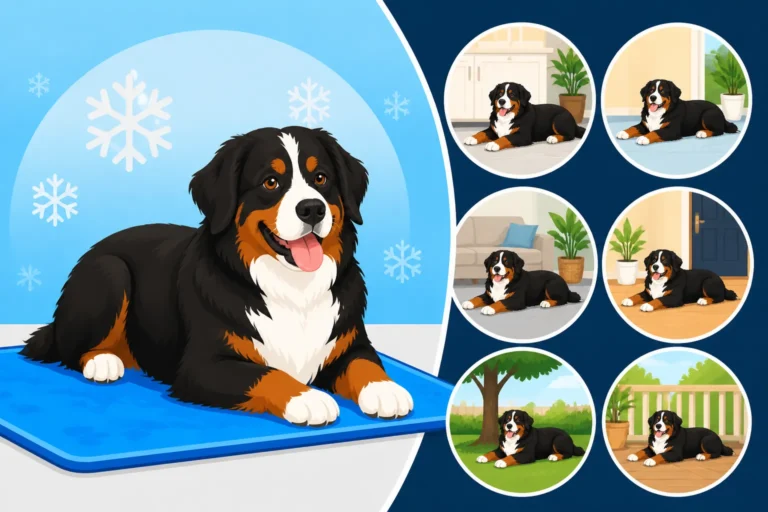
Consider investing in cooling mats. These gel-filled mats absorb and dissipate body heat without needing to be frozen or plugged in, providing a comfortable, cool spot for your Berner to rest. Drawing curtains or blinds on sun-facing windows can help keep rooms cooler. If you have a yard, create a shaded area with a tarp or a large umbrella, and consider a shallow kiddie pool filled with just a few inches of cool water for them to splash in and cool their paws. Even small adjustments to their living space can make a huge difference in their comfort during the hottest months. For more extensive advice on home cooling strategies, refer to Keeping a Room Cool Enough for a Bernese Mountain Dog.
In summary, keeping a Bernese Mountain Dog comfortable and safe in warm weather requires a multi-pronged approach. Cooling vests are an excellent addition to your toolkit, but they work best when combined with smart exercise management, constant hydration, and a cool home environment.
Disclaimer
This article is for general informational purposes only and does not constitute professional advice. Laws, prices and regulations vary by location and change over time. Consult a qualified professional for guidance on your specific situation.