Caring for a Bernese Mountain Dog After Six
It’s a bittersweet reality that our beloved Bernese Mountain Dogs, with their soulful eyes and gentle giants' hearts, don't live as long as we wish they would. Around the age of six, many Berners begin to enter their senior years, and their needs shift quite significantly. This comprehensive guide is here to walk you through how to best care for your aging Bernese Mountain Dog, ensuring their comfort, health, and happiness as they transition into this next stage of life.
Recognizing the Subtle Signs of Aging
When your Bernese Mountain Dog hits that six-year mark, you might not see drastic changes overnight, but paying close attention to the subtle cues they give you is absolutely essential. Our big, stoic friends often try to hide discomfort, so it's up to us to be their keenest observers. Understanding what to look for can make all the difference in providing timely and appropriate care.
Subtle Behavioral Shifts
One of the first things you might notice isn't a physical change at all, but a shift in their behavior. Your usually exuberant Berner might be a little less enthusiastic about that morning walk they once practically dragged you on. Maybe they're taking more naps throughout the day, choosing a quiet corner over the center of the action. This isn't necessarily a cause for alarm, but it's a sign that their energy levels are naturally declining, and their body needs more rest. It’s their way of telling you, "I still love walks, but maybe not quite as long today, Mom or Dad."
You might also observe changes in how they interact with the family. Some senior Berners become a bit more reserved, preferring quiet companionship to boisterous play. Others might become a touch clingier, seeking out your presence more often, almost as if finding comfort in your proximity. This can sometimes be a sign of mild anxiety or even sensory decline, making them feel less secure. Their world might be changing in ways we can’t see, and your familiar presence is their anchor. Pay attention to changes in their sleep patterns too; some older dogs become restless at night, pacing or seeming disoriented, which can disrupt sleep for everyone in the household.
Appetite can also be a subtle indicator of change. Your Berner might suddenly seem less interested in their food, taking longer to eat, or even skipping meals. Conversely, some older dogs develop an insatiable hunger, which can be linked to certain medical conditions or metabolic changes. It’s never just "getting picky" when it comes to an older dog; any significant shift in eating habits warrants a closer look. Keeping a diary of these subtle changes can be incredibly helpful when discussing your concerns with your veterinarian.
Physical Changes and What They Mean
While behavior changes are often the first hint, physical signs will eventually become more apparent. The most obvious is often the graying muzzle, which gives them that distinguished, wise old look we adore. Their rich tricolor coat might start to look a bit duller, or even thin in certain areas. These cosmetic changes are just part of the aging process, but they can also hint at underlying issues like nutritional deficiencies or hormonal imbalances, so don't dismiss them entirely.
Weight fluctuations are also common. Your Berner might start to gain weight, even if you haven't changed their diet, simply because their metabolism has slowed and they're less active. This extra weight puts immense strain on their already susceptible joints. Conversely, unexplained weight loss can be a red flag for more serious health issues, from dental problems making eating painful to conditions like kidney disease or cancer. Monitoring their body condition closely and feeling for their ribs (they should be easily palpable but not visible) is crucial. Every Pound a Bernese Mountain Dog's Hips Carry
Perhaps the most common physical sign of aging in a large breed like the Bernese Mountain Dog is stiffness and difficulty with mobility. You might notice them struggling to get up after a nap, moving slower, or hesitating before jumping into the car or going up stairs. This can be an early indicator of arthritis or other joint degeneration, a common plight for big dogs. It's heartbreaking to see, but early intervention can help manage the pain and improve their quality of life. Joint Disease in a Hundred Pound Bernese Mountain Dog As they age, their senses may also start to decline. They might not hear you call them from another room, or they might bump into furniture they once navigated with ease. Adjusting your communication and ensuring their environment is safe becomes vital.
Cognitive Decline vs. "Just Old"
Sometimes, the changes you see go beyond typical aging and touch on what's known as Canine Cognitive Dysfunction (CCD), often compared to Alzheimer's in humans. It’s not just "getting old" when your Berner starts to seem disoriented in familiar surroundings, stares blankly at walls, or gets "stuck" in corners. These are signs that their brain isn't working quite as it used to. It's incredibly distressing for owners to witness their loyal companion seeming confused or lost.
Other signs of CCD can include altered sleep-wake cycles, where they might sleep more during the day but be restless, pacing, or even barking at night. You might also notice a loss of house-training, even in a dog that's been perfectly reliable for years, or changes in their social interactions, sometimes becoming irritable or withdrawn. It's easy to attribute these behaviors to them just being "old," but acknowledging that it might be CCD is the first step towards getting help.
If you suspect cognitive decline, it's incredibly important to discuss these observations with your veterinarian. They can help rule out other medical conditions that might mimic CCD symptoms and, if appropriate, suggest treatments or management strategies. There are medications and dietary supplements available that can help slow the progression of CCD and improve your dog's quality of life. Early intervention can make a significant difference, not just for your Berner, but for your peace of mind as well. Whether a Bernese Mountain Dog Ever Grows Senile
Nutritional Adjustments for Senior Berners
Just as our own dietary needs change as we age, so do those of our Bernese Mountain Dogs. What kept them strong and healthy as a robust adult might not be what serves them best as a senior. Adjusting their diet is one of the most impactful ways we can support their health in their golden years.
Calorie Needs and Weight Management
One of the biggest nutritional considerations for a senior Berner is their changing metabolic rate and activity level. As they slow down, their bodies don't burn as many calories. Continuing to feed them the same amount of food they ate as a young adult can quickly lead to unhealthy weight gain. And for a breed already prone to joint issues, every extra pound is a burden on their hips, elbows, and knees. It's a tough balancing act because our Berners love to eat, and it feels natural to reward them with food, but portion control becomes more critical than ever.
Switching to a high-quality senior dog food formula is often a good starting point. These diets are typically lower in calories and fat, but still rich in protein to help maintain muscle mass. Look for foods specifically formulated for large breed seniors. Don't just reduce the quantity of their regular adult food without careful consideration, as this might inadvertently cut essential nutrients. Regularly assess your Berner's body condition by feeling their ribs, spine, and waist. If you can't easily feel their ribs without pressing, it’s likely they’re carrying too much weight, and it's time to talk to your vet about a weight management plan.
Joint-Supporting Supplements
Beyond their regular diet, many senior Berners benefit significantly from joint-supporting supplements. Ingredients like glucosamine, chondroitin, and MSM are widely used to support cartilage health and reduce inflammation, which can ease the discomfort of arthritis. Omega-3 fatty acids, often derived from fish oil, are another fantastic addition, known for their powerful anti-inflammatory properties that can benefit not just joints, but also skin, coat, and cognitive function.
The market is flooded with these supplements, and you can find a huge variety on platforms like Chewy or Amazon. It's easy to feel overwhelmed by the choices! However, it's absolutely crucial to consult your veterinarian before starting any new supplement regimen. They can recommend specific brands or formulations that are most appropriate for your individual Berner, considering their current health status, any medications they're on, and the severity of their joint issues. Supplements aren't a magic bullet, but they can definitely be a valuable part of a holistic approach to managing joint health.
Special Diets for Specific Conditions
As Berners age, they can develop specific health conditions that require specialized dietary intervention. Kidney disease, heart conditions, or advanced dental problems (making it painful to chew hard kibble) are just a few examples. In these cases, your veterinarian might recommend a prescription diet. These diets are scientifically formulated to support specific organ functions and can play a critical role in managing chronic diseases and improving your dog's quality of life.
For instance, a dog with kidney issues might need a diet lower in protein and phosphorus, while a dog with heart disease might require sodium restriction. If your Berner is having trouble chewing, your vet might suggest soaking their kibble in warm water, switching to wet food, or even exploring fresh-food options. Companies like Ollie offer fresh, human-grade food that can be customized to your dog's needs, but it's essential to ensure any fresh or homemade diet is balanced and approved by your vet to avoid nutritional deficiencies. Never hesitate to discuss these options; food is medicine, and tailoring their diet can make a profound difference. Feeding an Adult Bernese Mountain Dog Safely
Managing Joint Health and Mobility
Joint problems are almost an inevitable part of owning a large breed like the Bernese Mountain Dog, especially as they enter their senior years. Their substantial weight, combined with genetic predispositions to conditions like hip and elbow dysplasia, means that arthritis often becomes a primary concern. Proactive and compassionate management of their joint health is paramount to keeping them comfortable and mobile.
Identifying Pain and Discomfort
One of the biggest challenges for Berner owners is recognizing when their dog is in pain. Bernese Mountain Dogs are famously stoic, often hiding their discomfort until it becomes quite severe. This is where your keen observation skills come into play. What might look like just "slowing down" could actually be chronic pain. Watch for subtle changes in their gait – a slight limp, a reluctance to bear weight on one leg, or a bunny-hopping motion with their hind legs. They might hesitate before performing actions they once did easily, like jumping onto the sofa or into the car, or even just shifting positions when lying down. Whether a Bernese Mountain Dog Hides Discomfort
Beyond obvious mobility issues, pain can manifest in other ways. Your Berner might start licking their paws excessively, become restless at night, or even show signs of irritability or aggression when touched in certain areas. They might be less enthusiastic about walks or play, or find it difficult to settle down. A common sign is stiffness after rest, which gradually eases as they warm up. If you notice any of these changes, it's not just "getting old"; it's a signal to investigate further with your vet. Trust your intuition – you know your dog best, and if something feels off, it probably is.
Non-Surgical Interventions
Thankfully, there's a wide range of non-surgical interventions available to help manage joint pain and improve mobility in senior Berners. Non-steroidal anti-inflammatory drugs (NSAIDs) are commonly prescribed by veterinarians to reduce pain and inflammation, providing significant relief. However, it's vital to use these under strict veterinary guidance, as long-term use requires monitoring for potential side effects, especially on the kidneys and liver. Other pain medications, like gabapentin or amantadine, might be added or used in conjunction with NSAIDs depending on the type and severity of pain.
Physical therapy and hydrotherapy (swimming or underwater treadmill work) can be incredibly beneficial. These therapies help maintain muscle mass, improve range of motion, and reduce pain without putting stress on the joints. Hydrotherapy for an Arthritic Bernese Mountain Dog A certified canine rehabilitation therapist can develop a tailored program for your Berner. Complementary therapies such as acupuncture, chiropractic care, and laser therapy are also gaining popularity and can offer additional relief for some dogs. Beyond medical treatments, environmental modifications at home are crucial: non-slip rugs on hard floors, ramps for stairs or car access, and supportive orthopedic beds can make a world of difference in their daily comfort and ability to move around safely.
When Surgery Becomes a Consideration
While conservative management is the first line of defense, there are times when surgery becomes a necessary consideration for an older Bernese Mountain Dog. This is typically the case when pain is severe, non-responsive to other treatments, or if a specific structural issue (like a torn cruciate ligament) significantly impairs their quality of life. Cruciate Surgery on a Hundred Pound Bernese Mountain Dog Making the decision for surgery on an older dog is incredibly difficult, weighing the risks of anesthesia and recovery against the potential for improved comfort and mobility.
Your veterinarian, possibly in consultation with an orthopedic specialist, will guide you through this complex choice. They'll assess your Berner's overall health, including cardiac and kidney function, to determine if they are a suitable candidate for anesthesia. Whether a Bernese Mountain Dog Handles Anesthesia Well Considerations will include the expected outcome, the recovery period, and the long-term prognosis. Sometimes, the goal isn't to restore youthful agility, but simply to alleviate chronic pain and allow them to move more comfortably for the remaining years of their life. It's a conversation that requires deep thought, honest assessment of your dog's current condition, and a clear understanding of what successful surgery means for a senior Berner.
Adapting Exercise and Lifestyle
Our Bernese Mountain Dogs are known for being strong, working dogs, but as they age, their bodies simply can't handle the same level of activity. Adapting their exercise routine and daily lifestyle is crucial to prevent injury, manage pain, and keep them happy without overdoing it.
Gentle Activity is Key
The days of long, strenuous hikes or intense games of fetch might need to be scaled back significantly once your Berner reaches their senior years. While it's tempting to keep them active, pushing an aging body too hard can exacerbate joint pain, lead to injuries, and cause unnecessary discomfort. Instead, focus on shorter, more frequent walks throughout the day. A 15-20 minute stroll a few times a day is often far better than one long, exhausting excursion. These shorter walks still provide mental stimulation, allow for potty breaks, and help maintain muscle tone without excessive strain.
Low-impact activities like swimming can be fantastic for senior Berners, as the water supports their weight, reducing stress on their joints while still providing excellent cardiovascular exercise. Just ensure the water isn't too cold and they have easy, safe entry and exit points. Remember to always supervise them closely around water. The key is moderation and observation: watch your Berner for signs of fatigue, lameness, or discomfort during and after activity, and adjust accordingly. It's about maintaining mobility and enjoyment, not setting new personal bests.
Mental Stimulation Over Physical Exertion
While physical exercise needs to be gentle, mental stimulation becomes even more important for senior Berners. A sharp mind can help offset some of the challenges of an aging body, and it keeps them engaged and happy. Puzzle toys that dispense treats, scent games where they have to find hidden kibble or toys, and short, positive reinforcement-based training sessions can all provide excellent mental workouts. Even practicing familiar commands in new locations can be stimulating.
Keeping their minds active can also help to slow the progression of cognitive decline. Think about introducing novel, gentle experiences – a car ride to a new, quiet park for a sniffari, or a visit with a calm, familiar friend. These experiences provide enrichment without demanding too much physically. Maintaining a routine but adding small, mentally engaging twists can keep them interested in life and feeling like a valuable member of the family.
Adjusting Daily Routines
Predictability can bring a great deal of comfort to a senior Bernese Mountain Dog, especially if they are experiencing any sensory loss or cognitive changes. Establishing a consistent daily routine for meals, walks, and potty breaks can reduce anxiety and confusion. Senior dogs often can't "hold it" as long as they once could, so more frequent potty breaks, even if they're just quick trips to the yard, are essential to prevent accidents and maintain their dignity.
Prioritizing comfort and rest should be at the forefront of their daily schedule. Ensure they have multiple, easily accessible, soft sleeping spots around the house where they can retreat for undisturbed naps. Consider their access to different areas of the home – maybe a gate needs to be removed, or a ramp added to a favorite elevated spot. By adapting their daily life to their evolving needs, we can help them navigate their senior years with grace and maintain their sense of security and belonging within the family.
Maintaining Grooming and Hygiene
Grooming a Bernese Mountain Dog is always a commitment, but as they age, it can become even more challenging and crucial. Their magnificent double coat and large size require diligent care, and an older Berner might be less tolerant of standing, or have more sensitive skin.
Challenges of Grooming an Older Dog
Grooming a senior Bernese Mountain Dog can be a different experience than grooming a spry young adult. They might have stiff joints, making it difficult or painful for them to stand for extended periods, or to be maneuvered into certain positions. Sensitivity to touch can also increase, particularly in areas where they have arthritis. What was once a routine brushing session might now require more patience, gentler movements, and more frequent breaks. Grooming a Bernese Mountain Dog That Cannot Stand
If you typically take your Berner to a professional groomer, discuss their senior needs beforehand. Find a groomer who is experienced with older, large breeds and who practices compassionate handling. They might need extra time, special lifting techniques, or even require breaks during their session. At home, consider using a grooming table with a ramp if your dog can manage it, or simply groom them on a non-slip mat on the floor where they feel most secure. The goal is to make the experience as stress-free and comfortable as possible for them.
Skin and Coat Care for the Senior Berner
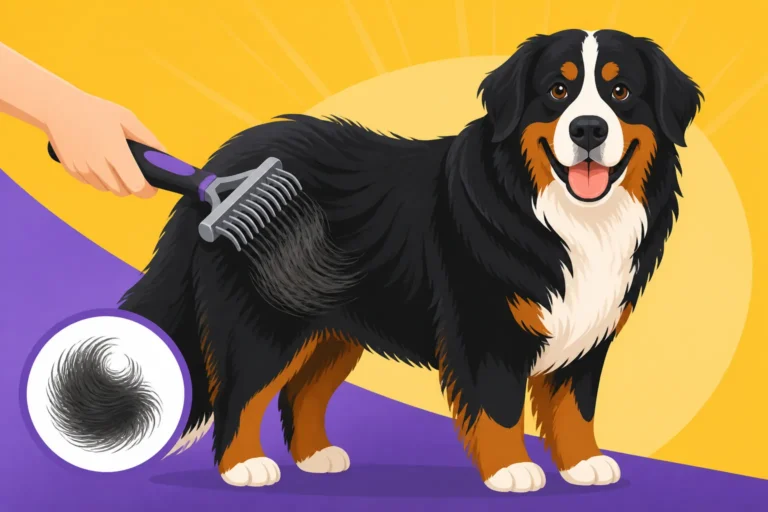
An older Berner's coat might change; it could become thinner, drier, or conversely, oilier in some areas. Regular brushing remains essential to prevent mats and tangles, which can be incredibly painful and pull on their sensitive skin. Mats behind the ears, in the armpits, and on the "trousers" (the feathering on their hind legs) are common culprits. Use a good quality slicker brush and an undercoat rake to gently work through their dense coat. Grooming a Bernese Mountain Dog Too Big to Lift During brushing, it's also the perfect opportunity to check their skin thoroughly for any lumps, bumps, or sores that might have developed, especially in areas where they lie down frequently. Lumps a Bernese Mountain Dog Owner Should Not Watch
Bathing might also need adjustment. Use a gentle, moisturizing shampoo and conditioner to avoid drying out their skin. Ensure they are thoroughly dried afterward, as moisture trapped in their thick coat can lead to skin irritation or hot spots, especially during warmer months. Remember that older dogs can be more susceptible to temperature changes, so ensure they are kept warm during and after their bath.
Dental and Paw Health
Dental disease is incredibly common in older dogs, and often overlooked. Plaque and tartar buildup can lead to gum inflammation, infections, and even tooth loss, which can be very painful and make eating difficult. Bad breath is often the first sign. Regular veterinary dental check-ups are crucial, and your vet might recommend professional dental cleanings under anesthesia. Gum Disease in an Older Bernese Mountain Dog While anesthesia always carries some risk, the benefits of removing painful infections often outweigh the risks for an older dog, vastly improving their quality of life.
Paw care is equally important. Older Berners are often less active, meaning their nails might not wear down naturally as much as they once did. Overgrown nails can make walking painful, affect their gait, and contribute to joint issues. Regular nail trims are essential, and if their nails are dark, finding the quick can be tricky, so gentle grinding or careful clipping is key. Finding the Quick in a Bernese Mountain Dog's Black Nail Also, inspect their paw pads for any cracks, sores, or foreign objects, especially if they have reduced mobility and might not lift their feet as high when walking. Keep the hair between their paw pads trimmed to prevent matting and improve traction on smooth surfaces.
Proactive Veterinary Care and Health Monitoring
As our Bernese Mountain Dogs age, their bodies become more susceptible to a range of health issues. This isn't a time to relax on vet visits; in fact, proactive and diligent veterinary care becomes even more critical. Catching potential problems early can make all the difference in managing conditions and extending their comfortable lifespan.
Regular Senior Check-ups
For senior Bernese Mountain Dogs, annual veterinary check-ups are simply not enough. Most veterinarians recommend bi-annual (twice-yearly) visits for dogs aged six and older. Seeing the Vet Twice a Year With a Berner This allows your vet to catch subtle changes, monitor chronic conditions, and address new concerns more promptly. During these visits, your vet will perform a thorough physical examination, assessing everything from their teeth and eyes to their joints and heart. They’ll also discuss any behavioral or physical changes you've noticed at home, so come prepared with your observations.
These regular visits are also an opportunity to update vaccinations as needed and discuss parasite prevention, which remains important even for less active senior dogs. Building a strong, trusting relationship with your veterinarian is invaluable during these years. They become a partner in your Berner’s care, helping you make informed decisions about their health and well-being.
Screening for Common Senior Ailments
Routine diagnostic screening becomes a cornerstone of senior Berner care. Your vet will likely recommend annual or bi-annual bloodwork and urinalysis. Bloodwork a Bernese Mountain Dog Should Have Yearly These tests can provide crucial insights into the function of their internal organs, helping to detect early signs of kidney disease, liver issues, diabetes, or thyroid imbalances before clinical symptoms even appear. Catching conditions like Kidney Failure in a Young Bernese Mountain Dog early can mean starting treatment sooner and potentially slowing progression.
Beyond blood and urine, your vet might suggest other screenings. X-rays can reveal the extent of arthritis or other orthopedic changes, while an abdominal ultrasound can screen for masses or changes in internal organs. Screening an Older Bernese Mountain Dog Unfortunately, cancer is a significant concern for Bernese Mountain Dogs, with breeds like ours being particularly prone to certain types. The Cancer That Kills Half of All Bernese Mountain Dogs Early detection through these screenings can improve treatment outcomes dramatically. Don't be afraid to ask your vet about what screenings they recommend and why; it's all part of being a proactive advocate for your aging companion.
Medication Management
As Berners get older, it's not uncommon for them to be on multiple medications for various age-related conditions, from pain relief for arthritis to thyroid supplements or heart medications. Managing these can feel like a full-time job. It’s vital to have a clear system for administering medications correctly, whether it's a pill organizer, a detailed schedule, or integrating them into mealtimes. Consistency is key for effectiveness and to avoid missing doses.
Always monitor your Berner closely for any potential side effects from their medications. Changes in appetite, energy levels, vomiting, diarrhea, or unusual behavior should be reported to your veterinarian immediately. Never adjust medication dosages or stop a medication without consulting your vet first, even if you think it's causing an issue. Your vet can provide guidance on potential interactions between drugs and ensure that their therapeutic regimen is safe and effective, continuously adjusting it as your Berner’s needs evolve.
Creating a Comfortable Environment
Our homes are our Berners’ sanctuaries, and as they age, their environment needs to adapt to their changing physical capabilities. Making simple modifications around the house can significantly improve their comfort, safety, and overall quality of life.
Orthopedic Bedding and Support
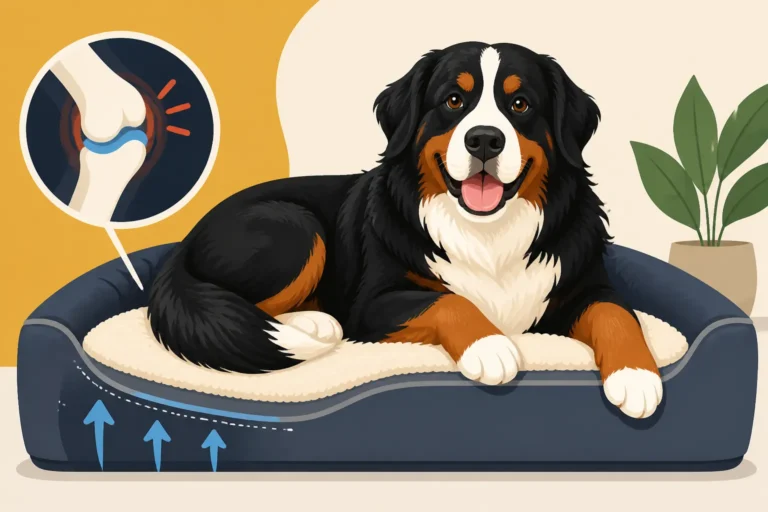
One of the most important investments you can make for a senior Bernese Mountain Dog is high-quality orthopedic bedding. Their large, heavy bodies put immense pressure on joints, and lying on hard surfaces can exacerbate pain and create pressure sores. An orthopedic bed, typically made with dense memory foam, conforms to their body, providing excellent support and cushioning. Orthopedic Beds Sized for a Bernese Mountain Dog This helps alleviate pressure points, reduces stiffness, and promotes more restful sleep.
Consider having multiple orthopedic beds strategically placed around the house – in their favorite napping spots, near where the family gathers, and in their sleeping area at night. Make sure the beds are easy for them to get in and out of; some overly plush beds can be difficult for arthritic dogs to navigate. The goal is to provide soft, supportive surfaces wherever they choose to rest, ensuring their comfort throughout the day and night.
Navigating the Home Safely
As mobility declines, navigating the home can become a challenge and even a hazard. Hardwood floors or slippery tiles can be treacherous for a dog with wobbly legs or weakened joints, leading to painful slips and falls. Lay down non-slip rugs, runners, or carpet tiles in high-traffic areas and on any slippery surfaces to provide better traction. Runners and Rugs for a Bernese Mountain Dog That Slips
Stairs, once an easy ascent, can become a daunting obstacle. If possible, block off access to stairs, or invest in a sturdy ramp if they absolutely must use them. Ramps are also incredibly helpful for getting them into and out of cars without putting strain on your back or their joints. Helping an Old Bernese Mountain Dog Up Stairs If your Berner's vision is declining, consider adding nightlights in hallways or around their sleeping areas to help them navigate in the dark. Keep pathways clear of clutter to minimize tripping hazards. Even small changes can make a huge difference in their ability to move around their home safely and independently.
Temperature Regulation
Older Bernese Mountain Dogs can be more sensitive to extreme temperatures, both hot and cold. Their ability to regulate their body temperature can diminish with age, and conditions like arthritis can be aggravated by cold. Heat and the Bernese Mountain Dog's Black Coat During hot weather, ensure they always have access to cool, shaded areas, plenty of fresh water, and consider using cooling mats or elevated beds that allow for airflow. Never leave an older Berner in a hot car, even for a moment, and adjust walk times to the coolest parts of the day.
In colder climates, provide warm bedding and ensure their sleeping areas are free from drafts. If they spend time outdoors, consider a warm dog coat, especially if their fur has thinned. Maintaining a comfortable ambient temperature in your home is vital. Just as you might adjust the thermostat for your own comfort, remember your senior Berner might need a little extra consideration to stay cozy in winter and cool in summer.
Emotional and Mental Well-being
Caring for a senior Bernese Mountain Dog goes far beyond just their physical health. Their emotional and mental well-being is equally important, especially as they navigate the challenges of aging, which can sometimes bring confusion, anxiety, or changes in their social dynamics.
Combating Anxiety and Confusion
Aging can be disorienting for dogs, particularly if they are experiencing sensory loss or cognitive decline. They might become more anxious, insecure, or even confused in situations they once handled with ease. Loud noises, changes in routine, or being left alone can trigger distress. Providing a consistent routine, as mentioned earlier, can be a powerful tool to reduce anxiety and create a sense of predictability and safety. Ensure they have a designated "safe space" – a comfortable bed in a quiet corner – where they can retreat when feeling overwhelmed.
Pheromone diffusers, such as Adaptil, can release calming dog-appeasing pheromones into the environment. Over-the-counter calming supplements might also offer some benefit, but always discuss these with your vet. In more severe cases of anxiety or confusion, your veterinarian may prescribe medication to help manage their symptoms, improving their overall quality of life. The key is to be patient, understanding, and provide plenty of gentle reassurance.
Maintaining Social Connections
Even as they slow down, Bernese Mountain Dogs are inherently social creatures who thrive on interaction with their human family. Maintaining their social connections is crucial for their mental health. Continue to include them in family activities, even if it’s just having them lie nearby while you read or watch TV. Gentle petting, quiet conversations, and just being present with them can provide immense comfort.
If your senior Berner enjoys the company of other calm, familiar dogs, continue those interactions, but always supervise closely to ensure they aren't overwhelmed or put into situations where they might get hurt. Avoid busy dog parks or situations with unpredictable, high-energy dogs. For a senior Berner, quality over quantity is the rule when it comes to social interaction. They might not be up for a wrestling match, but a quiet sniff with a trusted canine friend can still bring joy.
Enrichment Activities for Seniors
While intense physical activities might be a thing of the past, senior Berners still benefit immensely from mental and sensory enrichment. Simple puzzle toys, as discussed, can keep their minds engaged. Scent work, where they use their powerful noses to find hidden treats or toys, is a fantastic low-impact activity that taps into their natural instincts and can be done indoors. Even short, gentle massage sessions can be incredibly enriching, providing physical comfort and strengthening your bond.
Continue to engage them in gentle learning or reviewing simple commands. The satisfaction of a "sit" or "stay" performed well can boost their confidence and remind them that they are still capable and valued. Most importantly, simply offering quiet companionship – a hand resting on their warm fur, a soft word, or just sharing the same space – is often the greatest enrichment you can give your senior Berner. It reminds them that they are loved, safe, and still very much a central part of your life.
Disclaimer
This article is for general informational purposes only and does not constitute professional advice. Laws, prices and regulations vary by location and change over time. Consult a qualified professional for guidance on your specific situation.