Where a Bernese Mountain Dog Lies to Stay Cool
Oh, the sheer joy of a Bernese Mountain Dog bounding through fresh snow, their triple coat a testament to their alpine heritage! But then summer hits, and that beautiful, thick fur becomes a heavy burden. It’s heartbreaking to watch your usually jovial Berner transform into a panting, lethargic shadow of themselves, desperately seeking out any sliver of cool relief. Finding those precious cool spots, indoors and out, where your big fluffy friend can genuinely relax and lower their body temperature, becomes a mission for every Berner parent. This guide is all about helping you identify those cool havens and create new ones, ensuring your beloved Berner stays as comfortable and safe as possible when the mercury rises.
The Bernese Mountain Dog's Struggle with Heat
Let's be honest, our Berners weren't designed for blistering summer days. Their very DNA hails from the chilly, mountainous regions of Switzerland, where snow and cool breezes are the norm. Understanding why they struggle so much is the first step in helping them. It’s not just about a preference; it’s about their physiology.
That Glorious, Yet Challenging, Double Coat
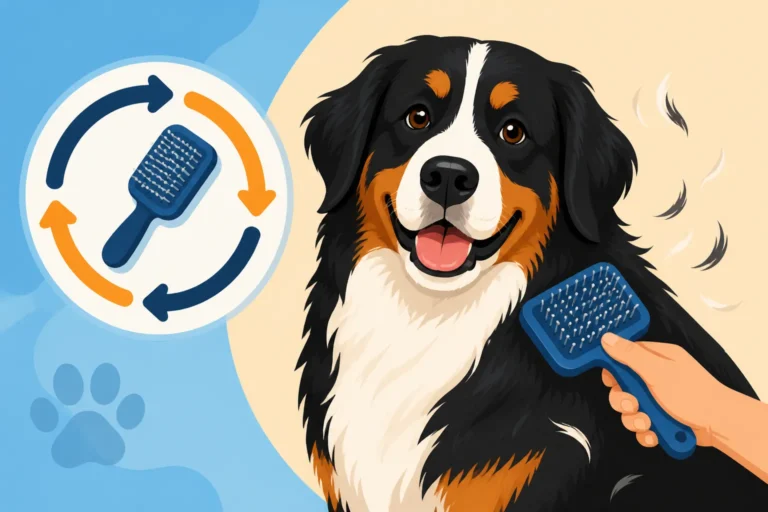
Their majestic double coat, while stunning to look at and incredibly effective at insulating against the cold, acts like a heavy blanket when the temperatures soar. The dense undercoat, designed to trap warmth, suddenly traps heat in. The longer outer coat, beautiful as it is, doesn't offer much in the way of ventilation. It’s a natural masterpiece for winter, but a real challenge for summer. Many new Berner owners often wonder, "Should I shave my Berner in the summer?" The answer is almost always a resounding no! Shaving can actually compromise their natural insulation and leave their skin exposed to sunburn, making things worse in the long run. Instead, focus on The Case Against Shaving a Bernese Mountain Dog in June and good grooming to remove loose undercoat.
Large Body Mass and Metabolism
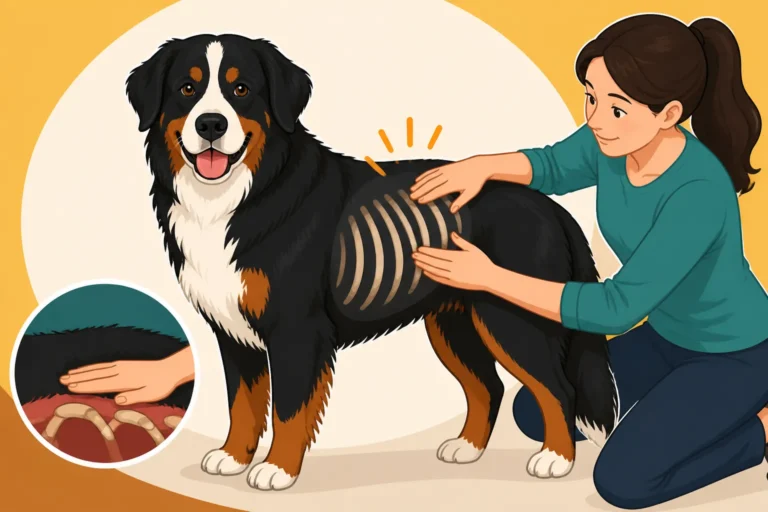
Beyond the coat, Bernese Mountain Dogs are, quite simply, big dogs. Their sheer body mass means they generate a lot of internal heat, and they have more volume to cool down compared to a smaller dog. Their metabolic rate, while not necessarily higher than other breeds, contributes to this internal heat production. When they exert themselves, even slightly, their body temperature rises rapidly. Combine this with their desire to be close to their humans, often in warmer areas of the house, and you have a recipe for overheating. You'll often see them panting more heavily than other breeds after even a short stroll, a clear sign their body is working hard to cool down. It’s vital to understand The Temperature a Bernese Mountain Dog Stops Coping so you can recognize the danger signs.
Creating Indoor Cool Zones: Sanctuary from the Sun
When it's scorching outside, your home needs to be a refuge for your Berner. They are not dogs that can just "tough it out" in the heat. Providing consistent access to genuinely cool spots indoors is paramount for their health and comfort.
The Allure of Cool Flooring and Lower Levels
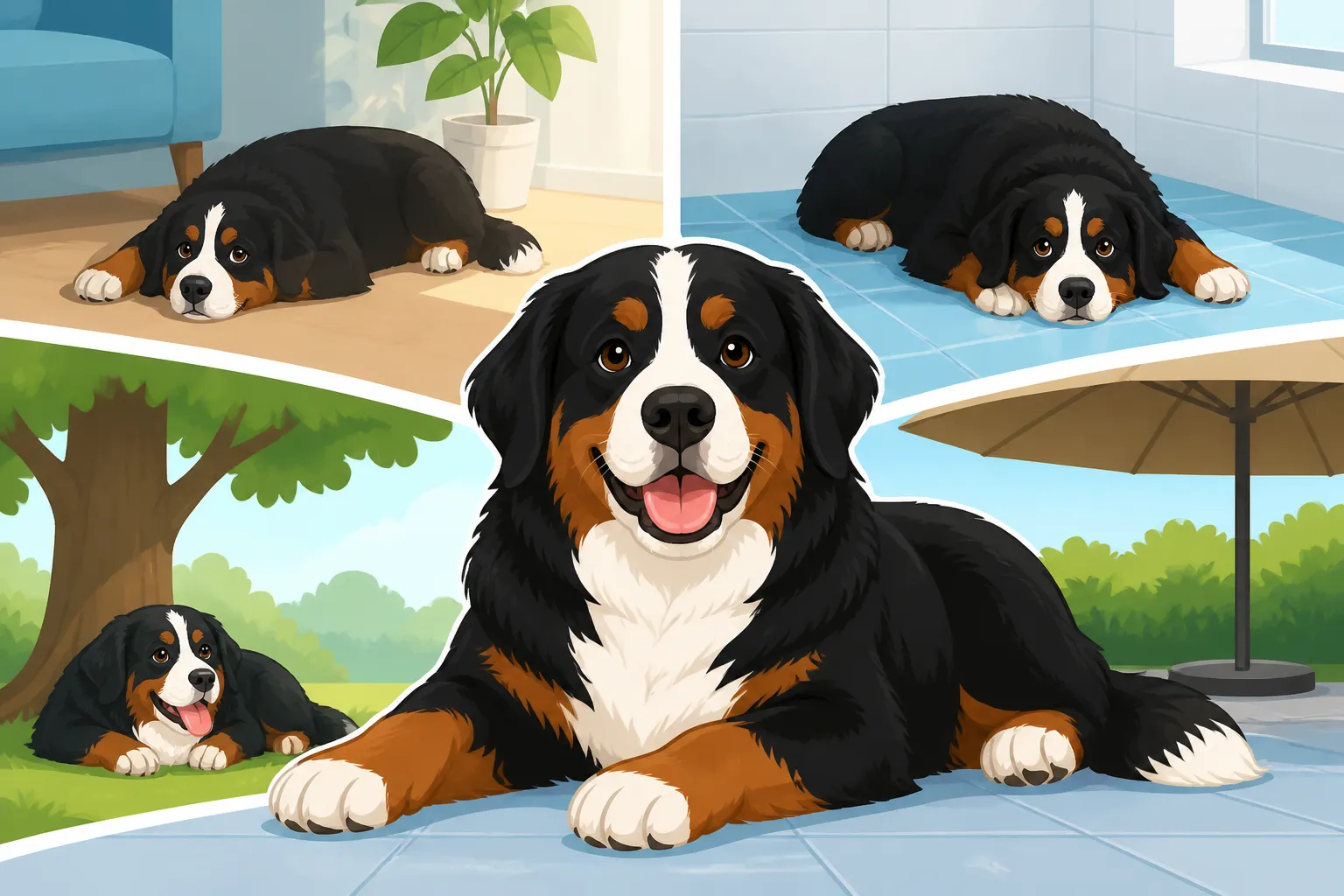
Have you ever noticed your Berner dramatically "pancaking" themselves on the kitchen tile or stretching out like a furry rug on the linoleum in the bathroom? That's because these surfaces are their natural go-to for passive cooling. Tile, stone, concrete, and even uncarpeted wood floors absorb less heat and stay cooler than carpet. The larger the surface area they can spread themselves across, the better.
If you have a basement, consider it your Berner's summer retreat. Basements are inherently cooler due to being underground and often have concrete floors. Many Berner owners transform a portion of their basement into a dedicated "chill zone" with an orthopedic bed and water bowls, giving their dog a legitimate escape from the heat upstairs. Even a ground-floor room that doesn't get much direct sunlight can serve this purpose. Remember, your Berner isn't just looking for shade; they're looking for surfaces that can draw heat away from their bodies.
Strategic Use of Air Conditioning and Fans
Air conditioning is a lifesaver for Berners in warmer climates, plain and simple. Keeping your home’s ambient temperature comfortably cool, ideally below 75°F (24°C), can make a world of difference. Your Berner will gravitate to wherever that cool air is most prevalent. However, running the AC all day can be costly. This is where fans come in handy.
Strategic fan placement can create localized cool spots. A box fan pointed towards a floor vent where AC air is coming out can push that cool air across the floor, right where your Berner loves to lie. Ceiling fans, especially in rooms with hard floors, help circulate air and create a cooling breeze effect. You might notice your Berner choosing to lie directly under a ceiling fan, almost as if they're enjoying a personal wind tunnel. Just be mindful that fans primarily cool by evaporation from the skin (which works less effectively with a thick coat) and by moving air, so they aren't a substitute for truly cooling the environment down if it's exceptionally hot.
Outdoor Strategies: Shade, Surface, and Water
While indoor spaces are crucial, there will be times your Berner wants or needs to be outside. Making these outdoor excursions as safe and comfortable as possible requires careful planning.
Natural and Artificial Shade
Sunshine is the enemy of a Bernese Mountain Dog in summer. Direct sunlight can cause their black coats to heat up incredibly fast, leading to overheating quicker than you might imagine. Why a Bernese Mountain Dog's black coat overheats is something every owner needs to understand deeply. Natural shade, like that provided by mature trees, is often the best. The leaves filter the sun's rays and the ground underneath tends to be cooler. If you have a favorite spot under a big oak or maple, that's where your Berner will likely choose to settle.
If natural shade isn't abundant, artificial shade is a must. A sturdy canopy, a large patio umbrella, or even a shade sail can create a vital cool zone. Make sure it's tall enough for air to circulate freely underneath and positioned to block the sun throughout the hottest parts of the day. You might even find your Berner "chasing" the shade as the sun moves across the yard. This relentless pursuit of shade highlights just how much they crave protection from the direct heat.
Cool Ground Surfaces and Water Features
Just like indoors, the surface your Berner lies on outside makes a huge difference. Pavement, asphalt, and dark decking can reach dangerously high temperatures, burning their paw pads and radiating heat back up into their bodies. Grass, especially freshly watered grass, is much cooler. A patch of bare, moist earth in a shaded corner of the yard can be an absolute godsend. Many Berners will instinctively dig shallow depressions in the earth to expose the cooler soil beneath, then flop right into their self-made "cool pits."
Introducing water features can be a game-changer. A shallow kiddie pool filled with just a few inches of cool water offers an irresistible invitation for many Berners. They might not fully immerse themselves, but lying with their belly in the cool water or just splashing their paws can help bring their core temperature down significantly. You can find excellent, durable kiddie pools suitable for large dogs on sites like Amazon or Chewy. Some Berners even enjoy a gentle spray from a garden hose – not forceful, but just enough to dampen their fur and create an evaporative cooling effect. Just be sure not to drench them to the skin unless they can dry quickly, as a persistently wet undercoat can lead to skin issues. Whether a Paddling Pool Helps a Bernese Mountain Dog is a definite yes for many.
Practical Solutions and Tools for Maximum Comfort
Beyond identifying existing cool spots, there are a host of products and practices that can actively help your Bernese Mountain Dog beat the heat. These are especially useful for preventing overheating and offering immediate relief.
Cooling Mats and Elevated Beds
Cooling mats are brilliant inventions for heat-sensitive dogs. These mats, often gel-filled, absorb and dissipate body heat without needing refrigeration or electricity. Your Berner will likely seek out its cooling mat and sprawl across it, enjoying the immediate sensation of coolness. Placing one in their favorite indoor lounging spot or even in their crate can provide consistent relief. Look for large, durable cooling mats from reputable pet supply retailers; you can often find a wide selection on Chewy or Amazon.
Elevated beds, also known as cot beds, are another excellent option. These beds lift your dog off the ground, allowing air to circulate underneath and around them. This prevents heat from getting trapped against their body, which can happen with traditional flat dog beds, especially those with thick padding. The mesh fabric also tends to be breathable. While they don't actively cool, they prevent heat buildup, and often come in sizes perfectly suited for a hundred-pound Bernese Mountain Dog.
Hydration and Frozen Treats
Staying hydrated is absolutely critical. Always ensure your Berner has access to fresh, cool water, both indoors and out. Consider having multiple water bowls strategically placed around the house and yard. Some owners even add a few ice cubes to the water to keep it colder longer.
Frozen treats are a fantastic way to both hydrate and cool your Berner from the inside out. Fill a Kong with peanut butter, yogurt, or even some of their regular food mixed with water, and freeze it. These can provide a long-lasting, cooling diversion. You can also make "pupsicles" by freezing diluted chicken broth or fruit purees in ice cube trays. Companies like Ollie, which offer fresh, human-grade dog food, sometimes have recipes or suggestions for making hydrating, cooling treats from their ingredients. Just remember, these are treats and should be given in moderation. Exercising a Bernese Mountain Dog in Summer should always include careful hydration monitoring.
Monitoring and Prevention are Key
Ultimately, preventing your Berner from overheating is far easier and safer than trying to cool them down once they're already in distress. This means being vigilant about the weather and your dog's behavior. Avoid walks and strenuous activity during the hottest parts of the day. Early mornings and late evenings are typically the safest times. If you must be out, keep it brief and stay in the shade.
Watch for subtle signs of heat stress: excessive panting, drooling, lethargy, seeking shade more intensely, or even a lack of interest in their favorite toys. These are all indicators that your Berner is struggling. If you notice these signs, immediately move them to the coolest spot available, offer water, and consider using one of the cooling methods mentioned above. Never underestimate the heat, and always prioritize your Berner's comfort and safety over routine activities when temperatures soar. Recognizing How a Bernese Mountain Dog Behaves Before Heat Stroke can literally save their life.
| Cooling Method | Pros | Cons | Ideal Location |
|---|---|---|---|
| Cooling Mat | Immediate, passive cooling, portable | Can be punctured, may warm up after prolonged use | Indoors, shaded patio |
| Elevated Bed | Promotes air circulation, comfortable | Doesn't actively cool, less effective in very hot air | Indoors, shaded patio |
| Tile/Stone Floor | Naturally cool, readily available | Not always comfortable for long stretches | Indoors |
| Kiddie Pool | Great for belly cooling, fun for many Berners | Can make a mess, requires supervision | Outdoors, shaded yard |
| Air Conditioning | Cools entire environment, consistent | Can be costly, power outages are an issue | Indoors |
| Fans | Creates airflow, localized relief | Doesn't lower ambient temperature, less effective with coat | Indoors, shaded patio |
| Shade (Trees/Canopy) | Essential for outdoor safety, natural | Moves with the sun, can be limited | Outdoors |
| Frozen Treats | Internal cooling, hydrating, stimulating | Can be messy, not a primary cooling method | Indoors/Outdoors |
Disclaimer
This article is for general informational purposes only and does not constitute professional advice. Laws, prices and regulations vary by location and change over time. Consult a qualified professional for guidance on your specific situation.