Whether a Bernese Mountain Dog Survives a Southern Summer
Bringing a magnificent Bernese Mountain Dog into a home in a warmer climate, especially the American South, can feel like a dream come true for their loving families. However, the stark reality of the oppressive heat and humidity often hits hard, creating genuine worry and discomfort for these big, beautiful dogs. This comprehensive guide will walk you through the very real challenges Berners face in Southern summers and equip you with practical strategies to ensure your beloved companion not only survives but thrives, even when the mercury soars.
The Harsh Reality of Southern Summers for Berners
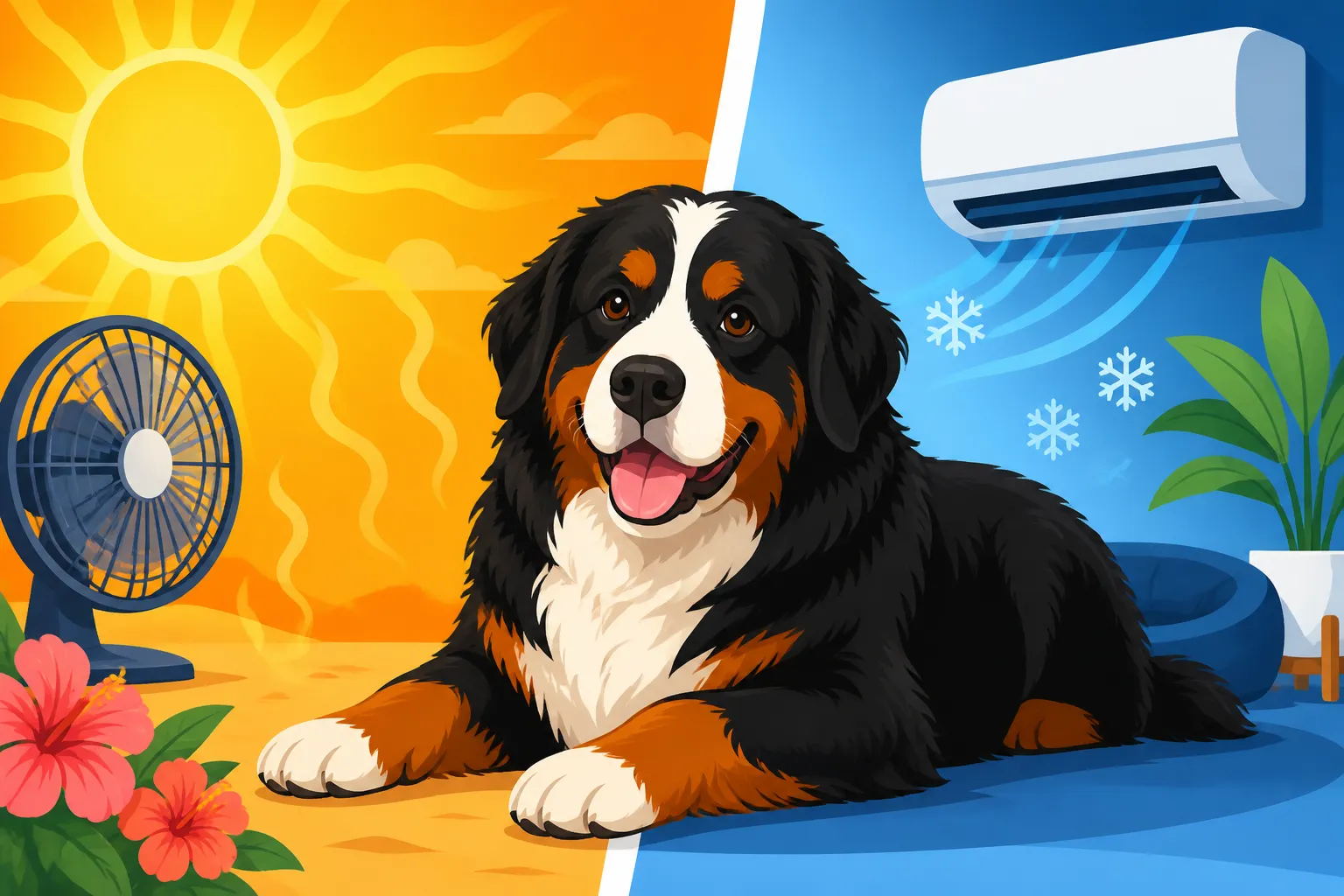
Let's be blunt: a Bernese Mountain Dog and a typical Southern summer are, by design, not a natural match. These glorious dogs hail from the chilly, mountainous regions of Switzerland, where their thick, insulating double coats were developed to protect them from icy winds and heavy snow, not relentless sunshine and suffocating humidity. This inherent genetic programming means they are incredibly prone to overheating when temperatures climb, and their large size only compounds the issue.
Imagine wearing a heavy wool coat, constantly, in humid ninety-degree weather. That's essentially what your Bernese Mountain Dog is experiencing. Their dense undercoat, which is a blessing in winter, becomes a significant liability when the weather turns hot, trapping heat close to their bodies. This isn't just about discomfort; it's a serious health risk that can dramatically impact their quality of life and even shorten their already too-brief existence. Many potential owners fall in love with the majestic appearance of a Bernese Mountain Dog, but don't fully grasp the commitment to their comfort and safety in extreme weather conditions. It’s a struggle many Berner owners in places like Louisiana, Florida, or Arizona face yearly.
Why Their Design Works Against Them in Heat
The Bernese Mountain Dog's physiology is perfectly adapted for cold climates. Their thick, long double coat, characteristic of the breed, consists of a soft, woolly undercoat for insulation and a longer, coarser outer coat that repels water and snow. While ideal for a mountain dog pulling carts through snowy passes, this coat traps air and holds heat when ambient temperatures rise. Unlike dogs with single, thin coats, a Berner cannot easily shed excess heat through their skin.
Furthermore, their substantial body mass and relatively short muzzle, while not as extreme as a brachycephalic breed, still mean they have a smaller surface area to volume ratio for heat dissipation compared to leaner, more athletic breeds. They aren't built for prolonged exertion in heat; their bodies are designed for endurance in cold. This is why you need to be so acutely aware of Heat and the Bernese Mountain Dog's Black Coat and how it absorbs solar radiation, making shaded areas and indoor access vital.
The Impact of Humidity on Heat Dissipation
Beyond just temperature, humidity plays a massive role in how effectively a Bernese Mountain Dog can cool itself. Dogs primarily cool down by panting, which works by evaporating moisture from their tongue and respiratory tract. This evaporative cooling system becomes significantly less efficient when the air is already saturated with moisture.
In a dry heat, even high temperatures can be somewhat manageable because evaporation occurs more readily. However, in high humidity, the air can't absorb much more moisture, making panting a far less effective cooling mechanism. Your Berner will pant more vigorously, expending more energy, but gaining little relief, leading to rapid overheating. This is a critical factor for anyone living in the humid Southeastern United States to understand, as it can escalate a warm day into a dangerous one very quickly for their furry friend.
Understanding Your Berner's Heat Sensitivity
It's not just about that glorious coat. Several factors contribute to a Bernese Mountain Dog's heightened sensitivity to heat, making them much more vulnerable than many other breeds. Understanding these underlying reasons is the first step in creating a safe environment for your companion. It’s a common misconception that simply having access to shade is enough. For a Berner, especially in a Southern summer, it's rarely sufficient.
Their large size means they have a greater volume of body mass relative to their surface area, which makes it harder for them to shed heat. Think of it like a giant thermal battery; once they start to absorb heat, it takes a long time and a lot of effort for them to cool down. This is particularly true after exercise or prolonged exposure, even if it doesn't seem excessively hot to you.
Why a Double Coat Insulates Both Ways
While their magnificent double coat protects them from the bitter cold, it's a double-edged sword in warm weather. The dense undercoat acts like a personal down jacket, trapping a layer of air close to the skin. In winter, this trapped air warms up, keeping them cozy. In summer, however, this same trapped air heats up, and because it's so effectively insulated, that heat struggles to escape.
Many owners consider shaving their Bernese Mountain Dog to help them cope with the heat, but this is almost always a misguided effort. The Case Against Shaving a Bernese Mountain Dog in June explains why. Their outer guard hairs protect their skin from sunburn and also help regulate temperature by creating an air barrier. Shaving can disrupt this natural system, leading to poorer temperature regulation, skin irritation, and even increased risk of skin cancer. Regular, thorough grooming to remove loose undercoat is far more effective than shaving.
Recognizing the Early Signs of Overheating
It’s absolutely crucial to be able to recognize the subtle, and then not-so-subtle, signs that your Bernese Mountain Dog is overheating before it becomes a full-blown emergency. They can’t tell you in words that they’re feeling unwell, so you need to be their vigilant advocate. Early detection can literally save their life.
Initial signs might include heavier-than-normal panting, perhaps accompanied by a louder, more labored sound. They might become restless, trying to find cooler spots, or conversely, become unusually sluggish and reluctant to move. Their gums might appear a brighter red than usual, indicating increased blood flow trying to dissipate heat. As things progress, you might notice thick, ropy drool, signs of confusion, or even staggering. Knowing How a Bernese Mountain Dog Behaves Before Heat Stroke is paramount for quick intervention.
Proactive Strategies to Beat the Heat
Living with a Bernese Mountain Dog in a Southern climate requires a proactive, year-round strategy, not just last-minute efforts when the heatwave hits. It means constant vigilance and a willingness to adjust your routine and home environment to suit your dog's specific needs. Your lifestyle effectively needs to shift to accommodate their comfort and safety during the hotter months.
It's not just about keeping them alive; it's about maintaining their quality of life. A Berner forced to suffer through heat will be miserable, lethargic, and potentially develop long-term health issues. The goal is to minimize their exposure to heat and maximize their ability to cool down. This often means embracing a largely indoor lifestyle for several months of the year, reserving outdoor time for the coolest parts of the day.
Creating a Cool Indoor Sanctuary
For a Bernese Mountain Dog in the South, your home's interior becomes their primary sanctuary. Air conditioning isn't a luxury; it's a necessity. Keep your home comfortably cool, even when you're not there. Don't try to save a few dollars by turning the AC off during the day if your Berner is home alone. This breed cannot tolerate warm indoor temperatures for extended periods.
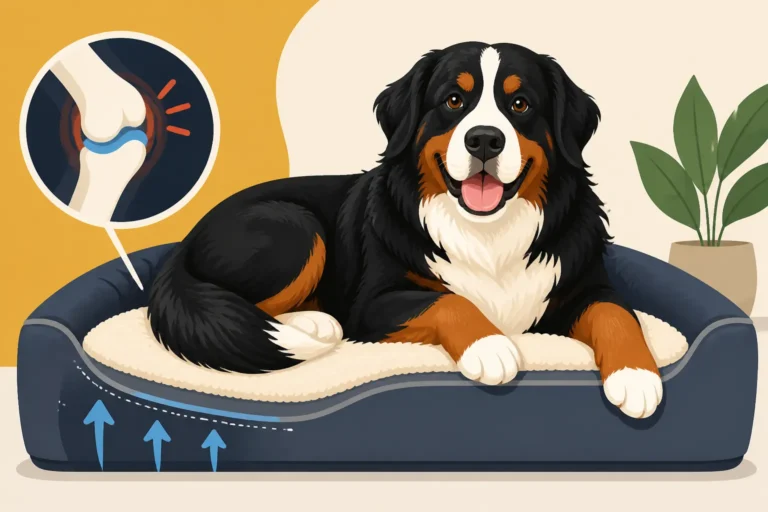
Beyond ambient air temperature, provide specific cooling spots. Elevated dog beds, often found on Amazon or Chewy, allow air to circulate underneath, preventing heat from radiating up from the floor. Cooling mats, which use gel or water to absorb heat, can also be a godsend. Place these in areas where your dog naturally likes to rest. Many Berners gravitate towards tile floors or bathtubs for their natural coolness, so ensure these are accessible. Thinking about Keeping a Room Cool Enough for a Bernese Mountain Dog should be a daily consideration from late spring through early fall.
Adjusting Exercise and Outdoor Routines
During Southern summers, the traditional midday walk or trip to the dog park is simply out of the question for a Bernese Mountain Dog. Exercise must be limited to the very early morning hours, often before the sun fully rises, and late in the evening after sunset, once temperatures have significantly dropped. Even then, keep sessions short, low-intensity, and always on grass or shaded paths to protect their paws from hot pavement. Pavement Temperature and a Bernese Mountain Dog's Pads can reach scorching levels that cause severe burns.
Consider indoor activities as alternatives, such as brain games, puzzle toys, or short training sessions in a cool environment. Swimming in a cool lake or a kiddie pool can be a great way for them to exercise and cool down simultaneously, provided they are supervised and introduced to water safely. Remember, even short bursts of activity in inappropriate conditions can lead to overheating. For detailed guidance, consult articles like Exercising a Bernese Mountain Dog in Summer.
Essential Cooling Aids and Hydration
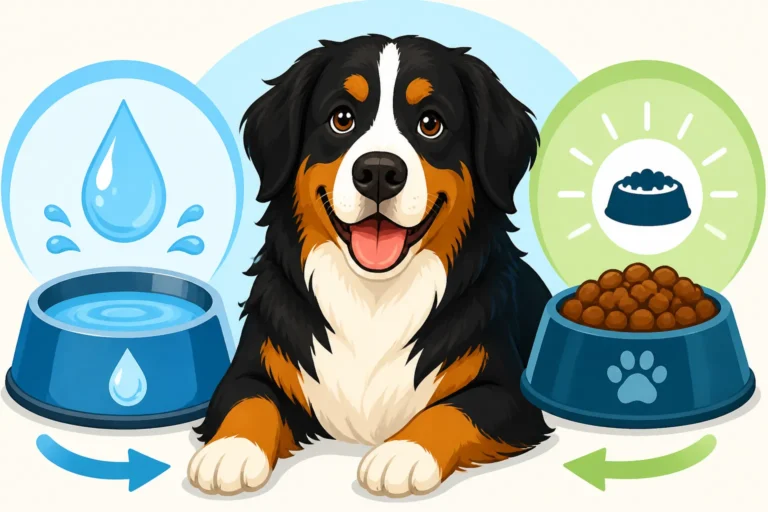
Having the right gear and maintaining constant hydration are non-negotiable for a Bernese Mountain Dog in hot weather. Always have fresh, cool water available, both indoors and out. Multiple bowls, kept topped up, are a good idea. Consider adding ice cubes to their water bowl or using a large, ceramic bowl that helps keep water cooler for longer.
When outdoors, a portable water bottle and collapsible bowl are absolute must-haves. Look into products like cooling vests or bandanas that you can wet and put on your dog; these can provide temporary relief, especially during those brief, essential potty breaks outside. For specialized cooling products or even a different type of slow feeder that might encourage water intake, online retailers like Chewy can be a treasure trove of options. Some owners even explore fresh food diets, with companies like Ollie offering options that can sometimes feel lighter and more hydrating for dogs during hotter months.
Here’s a quick table outlining common cooling aids and their benefits:
| Cooling Aid | Description | Benefits | Considerations |
|---|---|---|---|
| Elevated Dog Beds | Beds with a mesh or fabric surface raised off the floor. | Allows air circulation underneath, prevents heat from floor. | Ensure sturdy enough for a large Berner; widely available on Amazon. |
| Cooling Mats | Gel-filled or water-activated mats that absorb body heat. | Provides an immediate cool spot for resting; portable. | Some require refrigeration; check durability for heavy chewers. |
| Cooling Vests/Bandanas | Garments that you wet and wring out, worn by the dog. | Evaporative cooling on the dog's torso or neck. | Requires re-wetting; effectiveness varies by humidity. |
| Kiddie Pool | Shallow pool for supervised wading and splashing. | Excellent for full-body cooling; fun enrichment. | Needs to be clean, fresh water; not all dogs enjoy water. |
| Frozen Treats/Kongs | Kongs stuffed with frozen peanut butter, yogurt, or broth. | Provides mental stimulation and hydration; internal cooling. | Offer in moderation; supervise to prevent choking on large ice chunks. |
| Ceramic Water Bowls | Heavy, non-porous bowls that stay cooler than plastic or metal. | Keeps water refreshingly cool for longer. | Can be heavy to move; easily accessible from stores like Chewy. |
Recognizing and Responding to Heatstroke
Despite your best efforts, accidents can happen, or a day can turn unexpectedly warm. It's not enough to prevent heatstroke; you must also be prepared to act swiftly and correctly if your Bernese Mountain Dog shows signs of it. Heatstroke is a severe, life-threatening condition that requires immediate veterinary attention. Time is of the essence, and every minute counts.
Never underestimate the speed at which a large, double-coated dog can succumb to heatstroke. What might seem like a mild panting session can quickly escalate into a medical emergency. Knowing the symptoms and having a plan in place is not just responsible pet ownership; it's a commitment to your Berner's survival. This is a situation where delay can have devastating, irreversible consequences.
The Critical Signs of Heatstroke
Beyond the early signs of overheating, heatstroke manifests with more severe and alarming symptoms. You might observe extreme, frantic panting that doesn't cease, even when resting. Their gums could become brick red, or even turn pale or bluish in later stages, indicating circulatory collapse. Their drool may be thick, excessive, and foamy. Your Berner might appear disoriented, stumbling, or collapsing. Vomiting and diarrhea, sometimes bloody, can also occur.
As the condition progresses, they may suffer seizures, muscle tremors, or lose consciousness. The skin inside their ears might feel burning hot to the touch. This is a medical emergency, and you need to get them to a veterinarian immediately. This isn't a situation where you wait to see if they'll "feel better." The internal organs are being damaged, and every second matters.
Immediate First Aid for Overheating
If you suspect your Bernese Mountain Dog is suffering from heatstroke, immediate action is critical while simultaneously arranging transport to the nearest veterinary emergency clinic. Your first priority is to try and lower their body temperature safely.
- Move to a Cooler Location: Get your dog out of the sun and into the coolest available spot immediately, ideally an air-conditioned room or in the shade.
- Apply Cool Water: Use cool (not ice cold) water to wet their entire body, focusing on the head, neck, armpits, and groin areas. You can use a hose on a gentle setting, wet towels, or even just your hands. The goal is to facilitate evaporative cooling. Do NOT use ice-cold water or ice packs, as this can cause blood vessels to constrict, trapping heat inside, and can even lead to hypothermia if overdone.
- Offer Small Amounts of Water: If your dog is conscious and able to drink, offer small amounts of cool water. Do not force them to drink.
- Air Circulation: Use a fan if available to blow air over their wet body, which will accelerate evaporative cooling.
- Seek Veterinary Care: This is the most important step. Even if your dog seems to be cooling down, internal damage may have occurred. Call ahead to the vet clinic to let them know you’re coming so they can prepare. For specific guidance on what to do, refer to Cooling a Collapsed Bernese Mountain Dog in the Field.
Long-Term Consequences of Heatstroke
Even if your Bernese Mountain Dog survives a heatstroke episode, there can be lasting damage. The extreme internal temperatures can cause irreversible harm to vital organs, including the kidneys, liver, heart, and brain. Dogs who have experienced heatstroke are often more susceptible to future episodes, and their overall health might be compromised.
Some Berners may develop chronic kidney disease, liver issues, or even neurological problems months or years after a severe heatstroke event. This is why prevention is so crucial and why taking every precaution during Southern summers is a testament to your love for your Berner. Understanding the potential for Lasting Damage After a Bernese Mountain Dog Overheats really underscores the seriousness of the issue and the importance of vigilance.
Ultimately, while a Bernese Mountain Dog can survive a Southern summer, it requires immense dedication and proactive management from their human companions. It means accepting that your majestic mountain dog will need a vastly different lifestyle during these months, prioritizing their comfort and safety above all else. With careful planning, a cool home environment, and an unwavering commitment to their well-being, you can ensure your beloved Berner enjoys a happy, healthy life, even in the warmest climates.
Disclaimer
This article is for general informational purposes only and does not constitute professional advice. Laws, prices and regulations vary by location and change over time. Consult a qualified professional for guidance on your specific situation.