How Often a Bernese Mountain Dog Should Be Brushed
Oh, the majestic Bernese Mountain Dog coat! It's one of their most defining features, right? That beautiful, flowing tricolor fur that just begs for cuddles. But if you’re a Berner parent, you know that beauty comes with a distinct challenge: shedding, mats, and the never-ending quest to keep that glorious coat looking its best without losing your mind (or your vacuum cleaner). It can feel like a full-time job just staying ahead of the fur! This guide is here to help you navigate the often-hairy question of how often a Bernese Mountain Dog should be brushed, providing practical advice to keep both you and your fluffy companion happy.
Understanding the Bernese Mountain Dog Coat
Before we dive into brushing schedules, it’s really helpful to understand what you're dealing with. The Bernese Mountain Dog coat isn't just one layer; it's a marvel of canine engineering, designed for a specific purpose in their ancestral alpine environment. Knowing its structure helps us understand why consistent grooming is so crucial.
The Double Coat's Purpose
Bernese Mountain Dogs hail from the chilly mountains of Switzerland, and their coat is perfectly adapted to protect them from harsh weather. They have what's known as a "double coat." This means two distinct layers working in harmony. The outer coat, often called guard hairs, is longer, coarser, and somewhat water-repellent. It's the layer that gives your Berner that signature glossy look and helps shed snow and rain. Beneath this lies the undercoat – a dense, woolly layer of soft, fine hairs. This undercoat is an incredible insulator, trapping air close to the body to keep them warm in winter and, surprisingly, helping to regulate their temperature in summer by protecting them from the sun's direct heat.
This natural design, while beautiful and functional, means that regular care is non-negotiable. Without it, the dense undercoat can quickly become matted, especially in areas where friction occurs, like behind the ears, under the legs, or around the "trousers" on their hindquarters. These mats aren't just unsightly; they can pull on the skin, causing discomfort, irritation, and even skin infections if left unchecked. A matted coat also loses its insulating properties, making it harder for your Bernese Mountain Dog to regulate their body temperature effectively.
Seasonal Shedding
Now, let's talk about the big one: shedding. All double-coated breeds shed, but Bernese Mountain Dogs are particularly renowned for their "coat blows" or seasonal shedding. Twice a year, typically in spring and fall, your Berner will undergo a significant shedding period where they "blow" their undercoat. This is when you'll truly understand why some people jokingly call them "Bernese Mountain Sheds."
During these times, the amount of fur that comes off can be astonishing. It will seem to appear on every surface of your home, cling to your clothes, and magically find its way into your food. This is a natural process where the dog sheds its old, insulating winter coat to make way for a lighter summer coat, and then sheds that lighter coat for a new, thicker winter one. It's their body's way of adapting to changing temperatures. If you've never experienced it, it can be a bit of a shock, but it’s entirely normal.
Even outside of these major shedding seasons, Bernese Mountain Dogs still shed year-round, just at a more moderate pace. This is why consistent, year-round brushing is so important – it helps manage the continuous shedding, prevents mats from forming, and distributes natural oils through the coat, keeping it healthy and shiny. Ignoring this daily maintenance means you'll spend far more time and effort (and possibly money at the groomer) trying to fix problems later. How Much a Bernese Mountain Dog Sheds in a Week might give you an idea of what to expect, but believe me, it often feels like more!
Establishing a Regular Brushing Schedule
Given the Bernese Mountain Dog’s magnificent but demanding coat, a consistent brushing routine isn’t just good practice—it’s absolutely essential. Think of it as preventative care, much like dental hygiene for us. A little bit often goes a long way in preventing big problems down the road.
Daily Maintenance Brushing
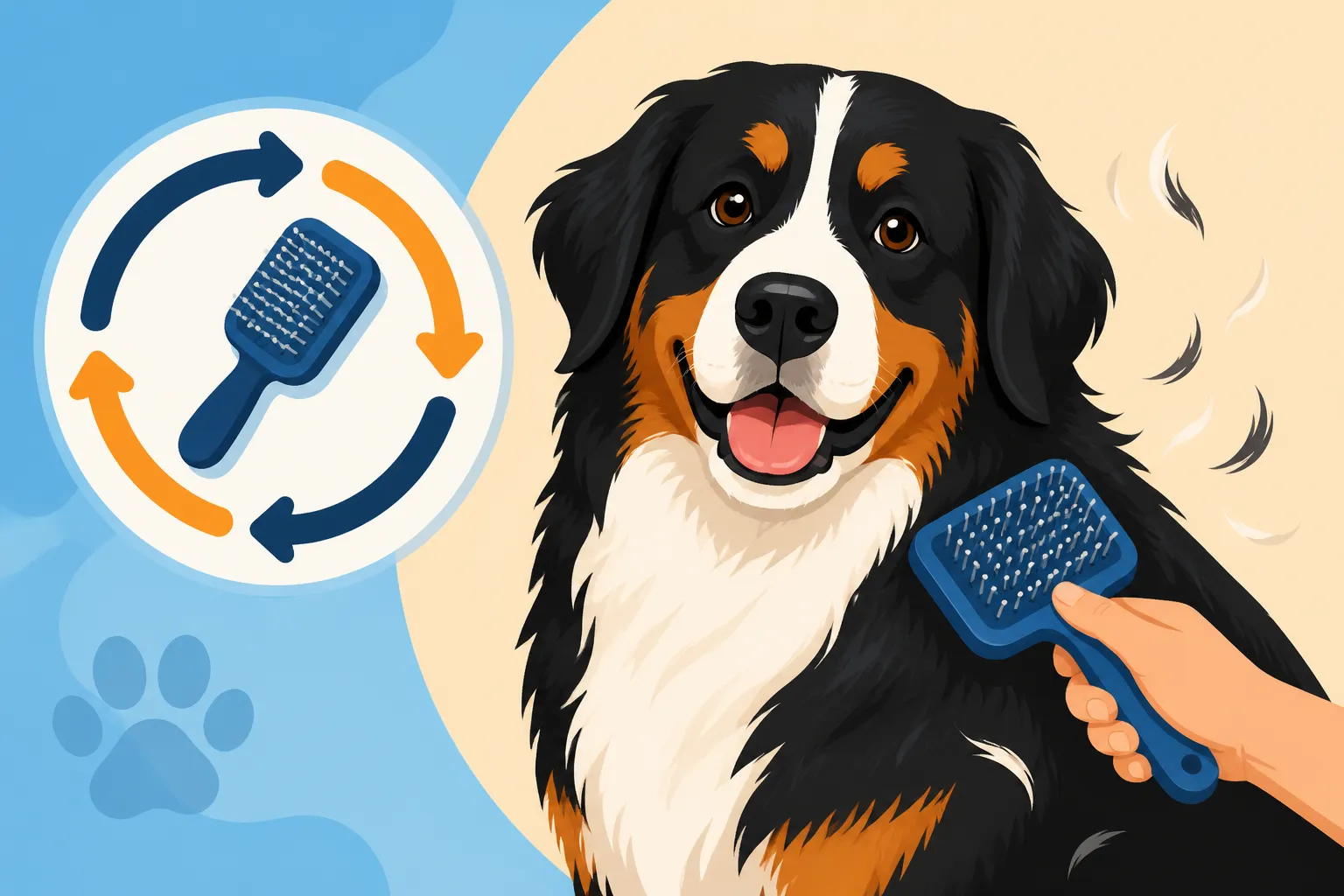
For most Bernese Mountain Dogs, particularly those with fuller coats or in climates where they might be prone to tangles, a quick daily brush is highly recommended. I know, daily sounds like a lot, but these aren't deep, hour-long sessions. We're talking about 5-10 minutes, maybe while you're watching TV or enjoying your morning coffee. The goal here is to catch any loose hairs before they become entangled and to prevent surface mats from even starting.
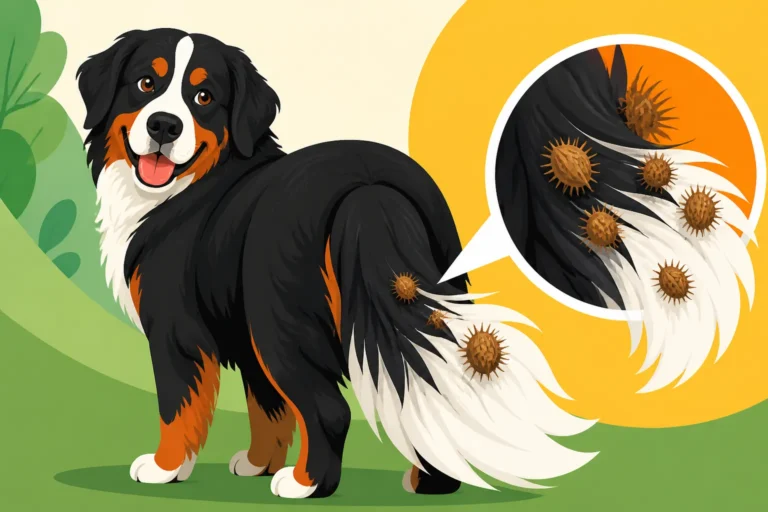
During these daily sessions, you’re primarily focusing on the outer layer and gently working through any minor tangles that might have formed. This is also an excellent opportunity to check for burrs, sticks, or other debris they might have picked up on their last walk, especially if they’ve been romping through tall grass or wooded areas. Pay particular attention to areas prone to friction: behind the ears, under the legs, and their "trousers" on their rear. These quick checks can save you a lot of headache later. Plus, it's a wonderful bonding experience! You're building trust and making grooming a positive, normal part of their day.
Weekly Deep Brushing
While daily brushing handles the surface, once a week you’ll want to dedicate more time to a thorough, deep brushing session. This is where you really get down into the dense undercoat, removing dead hair that daily brushing might miss. These sessions can take anywhere from 30 minutes to an hour, depending on your Berner's coat length, thickness, and how much dead undercoat they're holding onto.
For these longer sessions, you’ll need a good quality undercoat rake and a sturdy slicker brush. The rake is crucial for working through the dense undercoat, carefully pulling out loose hairs without damaging the guard hairs. Always brush in sections, starting from the skin and working outwards. Imagine you're brushing down to the skin, but gently. Many owners use a technique where they part the coat and work in layers, ensuring no area is missed. This deep brushing is especially important for preventing the felt-like mats that can form close to the skin, which are notoriously difficult and painful to remove once established. The Felt That Forms Behind a Bernese Mountain Dog's Ear is a common trouble spot that needs this kind of weekly attention.
During Shedding Seasons
When those seasonal coat blows hit, your brushing schedule will need to kick into high gear. During these periods (typically spring and fall, but it can vary by climate and individual dog), you should plan for a deep brushing session every 2-3 days, or even daily for particularly heavy shredders. Yes, it's a lot, but it's the most effective way to manage the sheer volume of shedding fur and prevent massive mats.
The goal during these times is to remove as much of the shedding undercoat as possible. The more you get out with a brush, the less you'll find on your furniture, floors, and clothes. Many owners find a force dryer (a high-velocity dog dryer, not a human hairdryer) incredibly helpful during these periods. After a bath, it literally "blows" the loose undercoat out of the dog's fur, significantly reducing brushing time. Spring, When a Bernese Mountain Dog's Undercoat Lets Go is a prime example of when this intensified routine is critical. It’s also wise to check for any sudden changes in shedding pattern or coat quality, as these could sometimes indicate underlying health issues. If you notice anything unusual, a quick chat with your vet is always a good idea.
| Brushing Frequency | Goal & Focus | Key Tools Recommended | Time Commitment |
|---|---|---|---|
| Daily (5-10 min) | Surface tangles, debris removal, bonding | Pin brush, wide-toothed comb | Low |
| Weekly (30-60 min) | Deep undercoat removal, mat prevention | Undercoat rake, slicker brush | Moderate |
| Seasonal (Every 2-3 days, or daily) | Mass removal of blowing undercoat, intense mat prevention | Undercoat rake, slicker brush, force dryer (optional) | High, but essential |
Essential Tools for Bernese Mountain Dog Grooming
Having the right tools makes all the difference when it comes to grooming a Bernese Mountain Dog. Trying to tackle that magnificent double coat with just any old brush is like trying to empty an ocean with a teacup – frustrating and ineffective. Investing in a few key items will save you time, effort, and keep your Berner much more comfortable. Many of these can be found easily on platforms like Chewy or Amazon.
Must-Have Brushes
-
Undercoat Rake: This is your secret weapon for the Bernese Mountain Dog’s dense undercoat. An undercoat rake has long, sturdy metal teeth designed to penetrate through the topcoat and gently pull out loose, dead undercoat without cutting the guard hairs. Look for one with rotating teeth, as these are often more comfortable for your dog and prevent snagging. Using it with a gentle, raking motion, always in the direction of hair growth, will help prevent those dreaded mats from forming deep within the coat. It’s particularly effective during the heavy shedding seasons when you need to remove a lot of fur.
-
Slicker Brush: A slicker brush typically has a wide head covered in fine, short wires bent at an angle. This brush is fantastic for removing smaller tangles and loose hair from the topcoat and getting a good amount of undercoat out, especially after using the rake. It also helps to smooth the coat and distribute natural oils, leaving it looking healthy and shiny. Be gentle when using a slicker brush, especially on areas with thinner skin, as the wire bristles can scratch if too much pressure is applied. It's excellent for those feathery bits on their legs and tail, helping to prevent Tangles Behind a Bernese Mountain Dog's Elbows and other common trouble spots.
-
Pin Brush: This looks more like a human hairbrush, with widely spaced metal pins, often with rubber tips. A pin brush is great for general maintenance, especially for the longer guard hairs. It's excellent for detangling surface mats and for finishing the coat after using the rake and slicker brush, leaving it smooth and flowing. It’s also the perfect brush for your daily quick once-over, helping to catch any new tangles and keep the coat looking neat. The gentle nature of the pin brush makes it ideal for areas that might be sensitive.
-
Wide-Toothed Comb: While not a "brush" in the traditional sense, a sturdy, wide-toothed metal comb is indispensable for checking your work. After you've brushed an area, run the comb through it. If the comb glides easily, you've done a good job. If it snags, you know there's still a tangle or dead undercoat that needs more attention. It's also fantastic for carefully working through small, stubborn knots that the brushes might struggle with, especially around the ears and feathering.
Other Helpful Gear
Beyond the core brushes, a few other items can seriously elevate your grooming game and make life with a Bernese Mountain Dog much easier.
-
Force Dryer (High-Velocity Dryer): If you can invest in one piece of equipment beyond the brushes, make it a force dryer. These are not human hairdryers; they blow cool or warm air at a very high velocity. After bathing your Bernese Mountain Dog, a force dryer is amazing at pushing water out of their dense coat, drastically cutting down drying time (which can take hours otherwise!). More importantly for grooming, it literally blasts loose undercoat out of their fur. You'll be amazed at the clouds of hair that emerge, especially during shedding season. It makes weekly and seasonal deep brushing significantly more efficient and effective, and helps to prevent How Long a Wet Bernese Mountain Dog Takes to Dry problems. You can find excellent options on retailer sites like Amazon or Chewy.
-
Detangling Spray: For those inevitable knots and tangles, a good quality detangling spray can be a lifesaver. Spritzing a matted area with detangler before trying to brush it out can soften the hair and make it much easier to work through without pulling on your dog's skin. This reduces discomfort for your Berner and frustration for you. Look for sprays formulated for long-haired or double-coated breeds.
-
Grooming Table (with arm): While not strictly essential, if you have a back that complains or a Berner who wiggles a lot, a sturdy grooming table can be a game-changer. It elevates your dog to a comfortable working height, saving your back, and the attached grooming arm allows you to secure your dog safely so they can't jump off. This creates a much more controlled environment for longer grooming sessions.
-
De-shedding Shampoo and Conditioner: While these won't stop shedding entirely (nothing will!), using a de-shedding shampoo and conditioner during bath time can help to loosen dead undercoat, making it easier to remove during the subsequent drying and brushing. Follow up with a good conditioner to keep their skin healthy and coat soft. Regular bathing can actually help with shedding by washing out loose hairs. How Many Baths a Bernese Mountain Dog Gets a Year can be a contentious topic, but often more frequent baths during shedding season are beneficial.
Common Brushing Challenges and Solutions
Grooming a Bernese Mountain Dog, while rewarding, definitely comes with its own set of challenges. Their size, coat type, and sometimes their "Berner stubbornness" can make grooming feel like a wrestling match. But don't despair! With the right approach and a healthy dose of patience, you can overcome most hurdles.
Dealing with Mats and Tangles
Mats are the bane of every long-haired dog owner's existence, and Bernese Mountain Dogs are particularly prone due to their dense undercoat. Mats can form quickly in high-friction areas like behind the ears, under the armpits, around the collar, and on their "trousers."
- Gentle Approach is Key: Never, ever try to yank or rip a mat out. This is incredibly painful for your dog and will quickly teach them to hate grooming. Start by isolating the mat. Use a detangling spray generously on the mat and work it in.
- Finger Teasing: Often, you can start by gently teasing apart the mat with your fingers, working from the outer edges inward. Slowly pull small strands of hair away from the main knot.
- Comb or Mat Breaker: Once you've loosened it a bit, use the wide-toothed comb, working very carefully from the tip of the hair closest to the skin, gradually moving outwards. For really tough, compacted mats, you might consider a specialized mat breaker tool, but use these with extreme caution as they have sharp blades. If you're unsure, it's always safer to cut the mat out carefully with blunt-nosed scissors, always cutting away from the skin. For more severe cases, it might be worth considering Cutting a Mat Out of a Bernese Mountain Dog's Coat or seeking professional help.
- Prevention is the Best Cure: The absolute best way to deal with mats is to prevent them. This circles back to your consistent daily and weekly brushing routine. By regularly removing loose undercoat, you minimize the chances of mats forming in the first place.
Making Brushing a Positive Experience
No one wants a dog that fights every grooming session. Making brushing a positive, calm, and even enjoyable experience is paramount, especially with a large breed like a Berner.
- Start Young: If you have a Bernese Mountain Dog puppy, start introducing them to brushing early. Even short, gentle sessions with a soft brush can help them associate grooming with positive attention. The Weekly Handling a Bernese Mountain Dog Should Accept should definitely include brushing.
- Positive Reinforcement: Always use treats, praise, and gentle encouragement. Make it a game! Reward calm behavior throughout the session. If your Berner sits patiently, offer a high-value treat.
- Short and Sweet: Especially when they are young or if they are initially resistant, keep sessions short. Five minutes of positive brushing is far better than a twenty-minute struggle that leaves both of you stressed. You can gradually increase the duration as they become more comfortable.
- Calm Environment: Choose a quiet time and place where you won't be interrupted. Soft music or a calm voice can also help.
- Patience and Empathy: Remember, your Berner might not understand why you're doing this. Be patient. If they show signs of discomfort or stress, take a break. Push too hard, and you risk creating a negative association that will be hard to undo. If your Berner is particularly sensitive, consider trying different brushes to see which one they tolerate best.
When to Seek Professional Help
Sometimes, despite your best efforts, the coat situation might become overwhelming, or you might encounter a challenge beyond your comfort level. That's perfectly okay! Professional groomers are experts for a reason.
- Severe Matting: If your Bernese Mountain Dog develops severe, widespread matting, especially close to the skin, it’s often best to let a professional groomer handle it. They have the tools and expertise to safely and painlessly remove mats, sometimes requiring a full shave-down (a "dematting" often involves discomfort if done improperly). Trying to tackle severe matting at home can be painful for your dog and potentially lead to skin irritation or cuts.
- Seasonal "Blow Outs": During the heaviest shedding seasons, a professional de-shedding treatment at a groomer can make a huge difference. They often have powerful force dryers and specialized tools that can remove an incredible amount of dead undercoat in one session, giving you a fresh start. You can discuss with them Whether a Groomer Charges Extra by Bernese Mountain Dog Size or for specific services.
- Nail Trims and Other Tasks: If your Bernese Mountain Dog is particularly resistant to nail trims, ear cleaning, or other specific grooming tasks, a groomer or veterinary technician can often perform these with less stress for both of you. They have specialized training and experience in handling reluctant dogs.
- Time Constraints: Let's be real, life gets busy. If you simply don't have the time to commit to the rigorous brushing schedule a Bernese Mountain Dog needs, a regular appointment with a professional groomer can be a fantastic solution to keep your Berner's coat in top condition.
Remember, a professional groomer isn't a sign of failure; it's a valuable resource for ensuring your Bernese Mountain Dog stays healthy, comfortable, and beautiful.
Disclaimer
This article is for general informational purposes only and does not constitute professional advice. Laws, prices and regulations vary by location and change over time. Consult a qualified professional for guidance on your specific situation.