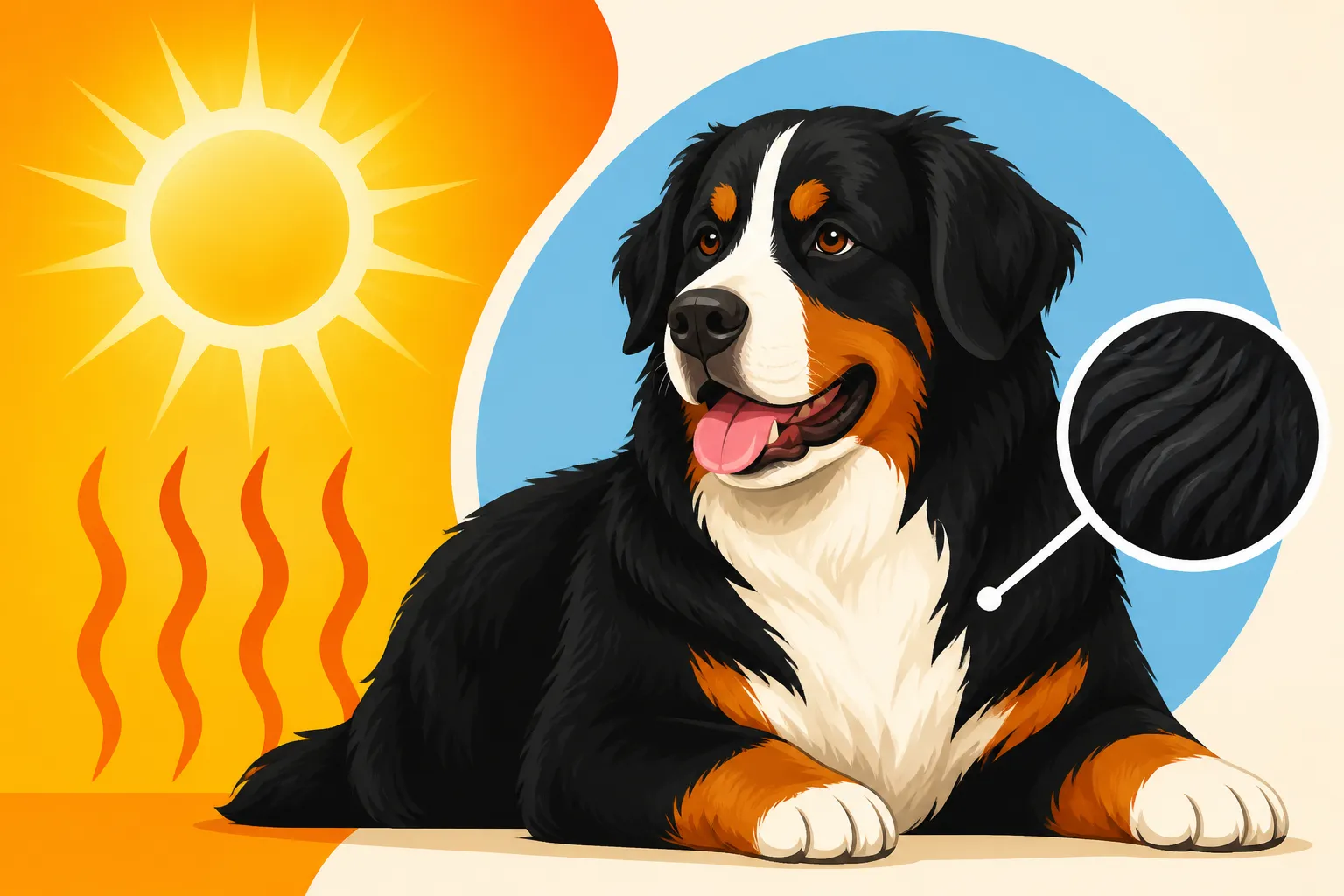
Heat and the Bernese Mountain Dog’s Black Coat
There’s nothing quite like the sight of a magnificent Bernese Mountain Dog, their glossy tricolor coat shining, but that very beauty comes with a significant challenge when the temperatures rise. Many of us Bernese owners know that gut-wrenching worry when our big, furry friends start panting heavily on a warm day, fearing that they might overheat. This comprehensive guide is here to help you understand why your Berner's black coat makes them particularly vulnerable to heat and, more importantly, what you can do to keep them safe, comfortable, and happy all year round.
The Unique Challenges of a Bernese Mountain Dog's Coat in Heat
It’s easy to look at a Bernese Mountain Dog’s stunning coat and just see beauty, but for those of us living with these gentle giants, we also see a built-in winter parka that can become a real liability in warmer weather. Their ancestors thrived in the chilly Alpine valleys of Switzerland, where a thick, insulating coat was a matter of survival. Fast forward to a warm summer day in, say, Texas or even a surprisingly hot spring day in New England, and that same coat becomes a major heat trap.
The Physics of a Black Coat and Heat Absorption
One of the most obvious, yet often underestimated, factors contributing to a Berner's heat vulnerability is the color of their coat. A significant portion of a Bernese Mountain Dog’s beautiful patterning is jet black, and anyone who has ever worn a black shirt on a sunny day knows exactly what that means. Black absorbs more solar radiation than lighter colors. It's not just a fashion statement; it's a scientific principle.
When the sun beats down on your Berner's black fur, that energy isn't just reflected away; a large portion of it is absorbed directly into the coat, and subsequently, into their skin. This absorption leads to a more rapid increase in their core body temperature compared to a dog with a lighter coat. Imagine wearing a thick black sweater in direct sunlight – that’s essentially what your Bernese Mountain Dog is experiencing. This is a crucial distinction that differentiates them from many other breeds, highlighting Why a Black Coat Overheats a Bernese Mountain Dog more readily. It’s a constant battle against the sun's rays, making every minute spent outdoors in the heat a calculated risk.
Beyond Color: Coat Density and Insulation
While the black coloration is a major player, it's certainly not the only one. The Bernese Mountain Dog possesses a dense double coat, consisting of a longer, silky outer coat and a thick, woolly undercoat. This undercoat is truly remarkable – it's designed to provide exceptional insulation against the frigid cold of their native Swiss Alps, keeping them warm and snug even in deep snow. It's what gives them that characteristic plush, cuddly feel.
However, this fantastic feature becomes a significant disadvantage when the mercury rises. That same undercoat that insulates against cold also insulates against the dissipation of internal body heat. It essentially traps a layer of warm air close to their skin, preventing their natural cooling mechanisms from working efficiently. Even when shedding, which Berners do with gusto, that undercoat can remain surprisingly dense, clinging on and continuing to act as a barrier against heat loss. This constant struggle with heat retention is a primary reason why even on an overcast, warm day, a Bernese Mountain Dog can still be at risk. Their body simply can't regulate its temperature as easily as a single-coated or short-haired breed.
Understanding Heat Stress and Heatstroke in Berners
The beautiful Bernese Mountain Dog, with its dense coat and generally calm demeanor, can sometimes mask its discomfort, making it even more vital for owners to be vigilant. Heat stress and heatstroke are not just "feeling a bit warm" – they are serious medical emergencies that can escalate rapidly and have devastating consequences. Knowing the signs and understanding the progression is key to protecting your beloved companion.
Recognizing the Early Signs of Overheating
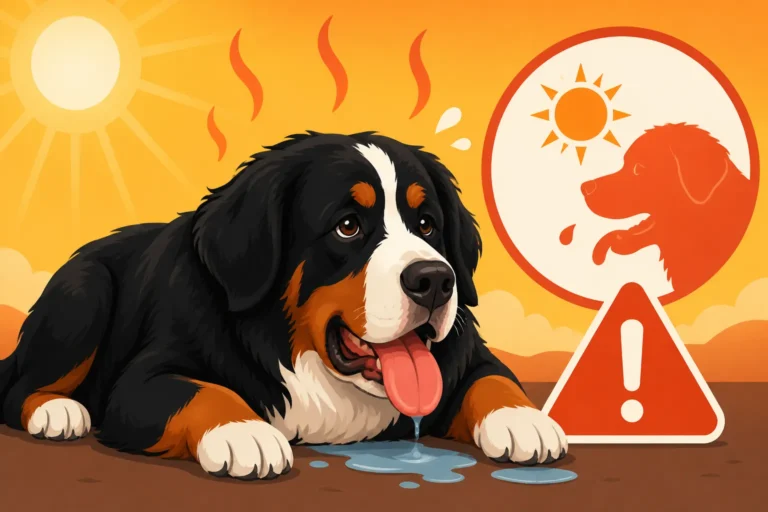
It's tempting to think that a dog will just find a cool spot if they're too warm, but for a Berner, especially one with a strong desire to be near their human, this isn't always enough. The early signs of overheating can be subtle, and it's our responsibility as owners to be keenly aware of them. The first and most common indicator is excessive panting. While panting is normal for dogs to cool down, if it's sustained, rapid, and shallow, even after they've stopped exercising, it's a red flag. Their tongue might also appear wider and darker than usual.
Another tell-tale sign is increased drooling. Berners can be a bit drooly anyway, but an unusual amount of thick, ropey saliva is a definite warning. They might start actively seeking shade or a cool surface, digging at the ground, or pressing their body against cooler walls. Their energy levels will likely drop, showing lethargy or weakness, and their movements might become slower or more deliberate. They may even become less responsive to commands or seem a bit disoriented. Pay close attention to these nuances, because catching them early can prevent a full-blown emergency. For a more detailed look into these behaviors, refer to How a Bernese Mountain Dog Behaves Before Heat Stroke.
The Progression to Full-Blown Heatstroke
If those early warning signs are missed or ignored, a Bernese Mountain Dog can quickly progress from heat stress to heatstroke, which is a life-threatening condition. Once heatstroke sets in, the dog's internal cooling mechanisms are completely overwhelmed, and their body temperature rises to dangerous levels (typically above 105°F or 40.5°C). At this point, the symptoms become much more severe and alarming.
You might see staggering or stumbling, severe muscle weakness, or even collapse. Vomiting and diarrhea, sometimes bloody, are common as the internal organs begin to shut down. Their gums might turn bright red initially, then become pale or even bluish as their body struggles. Their heart rate will be extremely rapid, and breathing will become labored. In severe cases, seizures can occur, and ultimately, loss of consciousness. This rapid progression highlights the critical importance of immediate intervention. Every minute counts when dealing with heatstroke, as prolonged high body temperature can cause irreversible damage to the brain, kidneys, liver, and heart. The lasting consequences can be severe, so understanding Lasting Damage After a Bernese Mountain Dog Overheats is vital.
Practical Strategies for Keeping Your Berner Cool
Living with a Bernese Mountain Dog means embracing their needs, and during warmer months, that means proactive management of their environment and activities. It’s not about keeping them locked indoors, but about making smart choices that ensure their comfort and safety.
Timing Walks and Outdoor Activities Wisely
This is perhaps one of the most straightforward yet impactful changes you can make. Forget those leisurely midday strolls in summer. For a Bernese Mountain Dog, especially one with a dark, dense coat, the hottest parts of the day are simply off-limits for anything more strenuous than a quick potty break. We're talking early morning, before the sun has a chance to fully warm up the world, and late evening, once the sun has dipped below the horizon and the air has started to cool down.
Always, always check the pavement temperature. If it's too hot for your bare hand or foot, it's too hot for your Berner's paws. Hot asphalt or concrete can not only burn their pads but also radiate heat up into their body, significantly increasing their risk of overheating. Consider sticking to shaded, grassy areas, or even better, trails where the ground stays cooler. Remember, their enthusiasm might make them push past their limits, so it's up to you to be the responsible one and cut walks short if you see any signs of distress. For more specific guidance on this, consult The Hours a Bernese Mountain Dog Should Not Walk.
Creating a Cool and Comfortable Indoor Environment
Your home becomes your Bernese Mountain Dog’s sanctuary during hot weather. Air conditioning is a Berner owner's best friend. If you have it, use it! Keeping the house at a comfortable, consistent temperature is paramount. If central air isn't an option, strategically placed fans can help circulate air, just make sure they aren't blowing directly into your dog's face for extended periods, as this can dry out their eyes.
Beyond active cooling, consider simple structural changes. Draw curtains or blinds on windows facing the sun to block out direct light and keep rooms from heating up. Designate a "cool zone" for your Berner – often a tiled floor in a bathroom or kitchen, or a spot near a vent. Cooling mats, which contain a gel that activates with pressure, can be a godsend, providing a consistently cool surface for them to lie on. For more tips on creating an optimal environment, check out Keeping a Room Cool Enough for a Bernese Mountain Dog. Remember, even inside, a Bernese Mountain Dog can get warm, especially if they're playing or just came in from outside.
Hydration and Water Access
This might sound obvious, but ensuring your Bernese Mountain Dog has constant access to fresh, cool water is non-negotiable. Large breeds like Berners need a lot of water, and even more so when it's hot. Have multiple water bowls around the house, both indoors and outdoors in shaded areas. Stainless steel bowls are great because they can help keep water cooler for longer.
Consider adding ice cubes to their water bowls. Many Berners love to crunch on ice or simply enjoy the chilled water. On walks, always carry a portable water bottle and a collapsible bowl specifically for your dog. Offer water frequently, even if they don't seem thirsty. Dehydration can quickly exacerbate the effects of heat, making them more susceptible to heat stress. Water isn't just for drinking; a shallow kiddie pool can also be a fantastic way for your Berner to cool off their paws and belly, offering both hydration and a fun way to reduce body temperature. This often ties into Whether a Bernese Mountain Dog Swims to Cool Off, which many do enjoy, even if they're not natural swimmers.
Debunking Myths and Making Informed Decisions About Grooming
When faced with a large, fluffy dog in summer, the natural inclination for many owners is to reach for the clippers. It seems logical, right? Less fur equals less heat. But with a Bernese Mountain Dog, this seemingly helpful act can actually do more harm than good. It's crucial to understand how their unique coat functions before making any drastic grooming decisions.
The Truth About Shaving a Bernese Mountain Dog's Coat
Let’s be clear: shaving your Bernese Mountain Dog in the summer is generally not recommended. It's a common misconception that stripping them of their fur will keep them cooler, but it often has the opposite effect. Their double coat is not just for warmth; it acts as an insulator against heat as well, creating an air barrier that helps regulate their body temperature. Think of it like a thermos: it keeps cold things cold and hot things hot. Their coat works similarly, protecting them from both extremes.
When you shave a Berner, you strip away this natural protection. First, it exposes their sensitive skin directly to the sun's harsh UV rays, dramatically increasing their risk of sunburn and even skin cancer. Second, it interferes with the natural growth cycle of their coat, often leading to "clipper alopecia" where the undercoat grows back coarser and thicker, sometimes never returning to its original texture. This can make them even hotter in subsequent summers and more prone to matting. Lastly, it removes that crucial insulating layer, potentially making it harder for them to cool themselves down. For a deeper dive into this, read The Case Against Shaving a Bernese Mountain Dog in June. It’s a decision that often comes from a place of love and concern, but it's important to be armed with the facts.
Effective Grooming for Heat Management
Instead of shaving, the key to effective heat management through grooming lies in diligent and regular brushing. Your Bernese Mountain Dog's coat, particularly their dense undercoat, sheds out in clumps during warmer months. This natural shedding process is their body's way of reducing insulation. Your job is to assist this process.
Invest in a good quality slicker brush, an undercoat rake, and a deshedding tool like a Furminator (used carefully and not excessively, as these can damage the coat if overused). Daily or every-other-day brushing sessions are essential, especially during heavy shedding periods in spring and fall. The goal is to remove as much dead, loose undercoat as possible. This creates better airflow to the skin, allowing heat to dissipate more efficiently. Professional groomers experienced with double-coated breeds can also provide a "deshedding treatment" which involves special shampoos, conditioners, and high-velocity dryers to help blast out that loose undercoat. This can make a remarkable difference in your dog’s comfort levels. Learn more about effective techniques in Brushing Out a Bernese Mountain Dog's Undercoat. It’s a commitment, but one that directly contributes to your Berner’s well-being.
Essential Cooling Accessories and Tools
While diligent management and smart timing are paramount, sometimes our Bernese Mountain Dogs need a little extra help to beat the heat. Thankfully, there’s a wide array of products designed to provide that much-needed relief. These accessories aren't substitutes for common sense, but they can significantly enhance your Berner's comfort and safety during warmer spells.
Cooling Vests, Bandanas, and Other Wearables
These items are designed to actively cool your dog's body by utilizing evaporation. Cooling vests typically cover a significant portion of the dog's back and chest, areas where heat dissipation is crucial. They work by absorbing water and then slowly releasing it through evaporation, which draws heat away from the dog's body. Brands like Ruffwear's Swamp Cooler Vest are popular and well-regarded for their effectiveness. Similarly, cooling bandanas wrap around the neck, focusing on the large blood vessels there to cool the blood circulating to the brain.
When using these, it's important to soak them thoroughly in cool water (not icy, as extreme cold can constrict blood vessels and hinder cooling) and wring them out so they are damp, not dripping. Ensure the fit is comfortable and doesn't restrict movement. They can be a fantastic aid for shorter, necessary outdoor excursions or for helping your Berner settle down comfortably indoors when it's warm. Just be mindful that they need to be re-wet periodically to remain effective. Many owners find these a small but mighty investment, potentially reducing the need for costly emergency vet visits that even comprehensive pet insurance, like policies from Healthy Paws, might cover only after a deductible.
Portable Fans, Cooling Pads, and Elevated Beds
Beyond wearables, there are several stationary accessories that can make a huge difference in creating cool zones for your Berner.
- Portable Fans: Small, battery-operated fans can be clipped onto crates, strollers (if your Berner is carted), or placed near their resting areas to provide localized airflow. Even a gentle breeze can help with evaporative cooling, especially if your dog is damp.
- Cooling Pads: These come in various forms, from gel-filled mats that activate upon pressure to water-filled pads. They offer a cool surface for your dog to lie on, effectively drawing heat away from their body. Look for durable, puncture-resistant options, especially if your Berner likes to "dig" before settling down.
- Elevated Beds: Beds like those from Coolaroo or K&H Pet Products lift your dog off the hot ground, allowing air to circulate underneath them. This simple design can prevent heat from building up on their underside, which is particularly helpful on patios or decks.
Here’s a quick overview of some popular cooling solutions:
| Product Type | How It Works | Best For | Key Considerations |
|---|---|---|---|
| Cooling Vests | Evaporative cooling, absorbs water, releases as heat dissipates. | Walks, outdoor activities, active cooling. | Must be re-wet, correct sizing is crucial, can feel heavy when wet. |
| Cooling Bandanas | Targets blood vessels in the neck for systemic cooling. | Shorter outings, quick relief, mild heat. | Limited coverage, needs frequent re-wetting. |
| Cooling Mats | Gel or water-filled, provides a cool surface for resting. | Indoor use, crates, designated cool spots. | Durability, can be punctured, temperature can warm over time. |
| Elevated Beds | Allows airflow underneath, prevents heat transfer from hot surfaces. | Outdoor patios, indoor relaxation. | Simple, no active cooling, requires shaded spot if outdoors. |
| Portable Fans | Creates localized airflow for evaporative cooling. | Crates, car rides, personal cool zones. | Battery life, noise level, safety around curious paws. |
| Kiddie Pools | Provides a shallow pool of water for splashing and lying in. | Outdoor fun, full-body cooling. | Needs supervision, regular cleaning, dog must enjoy water. |
Remember, each Bernese Mountain Dog is an individual, so what works wonders for one might be less effective for another. Experiment with a few options to find what your Berner responds to best.
What to Do in a Heat Emergency
Despite our best efforts, sometimes accidents happen, or the heat becomes overwhelming faster than expected. Knowing what to do in a heat emergency can literally be the difference between life and death for your Bernese Mountain Dog. There's no time for hesitation; quick, decisive action is crucial.
Immediate First Aid Steps
If you suspect your Bernese Mountain Dog is overheating or experiencing heatstroke, you need to act immediately. The very first step is to get them out of the heat source. Move them to the coolest, shadiest spot you can find, ideally indoors in an air-conditioned space.
Next, start actively cooling them down. The most effective way to do this is with cool (not ice-cold) water. Drape cool, wet towels over their body, focusing on areas with large blood vessels like the neck, armpits, and groin. You can also use a garden hose to gently wet their fur with cool water, or let them stand in a shallow pool of cool water if available. Be careful not to use ice-cold water, as this can cause the blood vessels to constrict, hindering heat loss, and can also induce shivering, which raises body temperature.
Offer small amounts of cool water to drink, but don't force it, especially if they are disoriented or struggling to swallow, as this could lead to aspiration. Throughout this process, monitor their temperature if you have a rectal thermometer. Aim to bring their temperature down to between 102.5°F and 103°F (39.2°C to 39.4°C). Once their temperature reaches this range, stop active cooling to prevent overcooling and hypothermia. Every moment in extreme heat causes more cellular damage, so acting swiftly is paramount. More immediate field advice can be found in Cooling a Collapsed Bernese Mountain Dog in the Field.
When to Seek Veterinary Care
Even if you manage to bring your Berner's temperature down and they seem to be recovering, a veterinary visit is absolutely essential after any suspected heatstroke incident. Heatstroke can cause significant internal damage to organs like the kidneys, liver, heart, and brain, and these effects may not be immediately apparent. A veterinarian will need to assess for potential complications, perform blood tests to check organ function, and provide supportive care such as IV fluids.
Don't assume your dog is "fine" just because they've stopped panting excessively. The internal damage can lead to issues days or even weeks later. Transport your Bernese Mountain Dog to the vet as quickly and safely as possible, ensuring they remain as cool as possible during the journey. Keep the car air conditioning on full blast or drive with windows down to create airflow. Call ahead to let the veterinary clinic know you are coming so they can be prepared for your arrival. These emergency visits can be expensive, highlighting the value of having a good pet insurance policy, such as those offered by Healthy Paws, which can help alleviate the financial burden during stressful times. Proactive care and swift emergency action are the best gifts you can give your Berner.
Long-Term Considerations for Bernese Mountain Dogs in Warmer Climates
Bringing a Bernese Mountain Dog into your life is a significant commitment, and part of that commitment involves understanding their needs in your specific environment. If you live in a region with consistently warm or hot weather, it's not just about getting through a few summer months; it's about a fundamental adjustment to your lifestyle and long-term planning for your dog's well-being.
Lifestyle Adjustments for Hotter Regions
The reality is that Bernese Mountain Dogs, with their thick, insulating double coats and predisposition to overheating, are not ideally suited for tropical or consistently hot climates. If you reside in such a region, your lifestyle with a Berner will inherently involve more limitations than someone living in a cooler area. Exercise will be almost exclusively relegated to the very early morning or late evening hours. Midday walks, even short ones, become a serious risk. This means you might need to adjust your own daily schedule significantly to accommodate your dog's needs.
Housing is another major factor. Reliable air conditioning is not a luxury; it's a necessity. Your Berner should have constant access to a cool indoor environment. Leaving them outside for extended periods in warm weather, even in the shade, is incredibly dangerous. Consider a shaded, secure outdoor run with plenty of water and cooling mats for brief supervised outdoor breaks, but never as their primary living space. When planning travel, you’ll need to factor in your dog’s heat sensitivity for every leg of the journey. For a deeper discussion on this topic, it's worth exploring Whether a Bernese Mountain Dog Suits a Hot Climate. It’s a harsh truth, but acknowledging it upfront helps ensure a long, healthy life for your furry friend.
Health Monitoring and Preventative Measures
Beyond daily adjustments, a long-term strategy for a Bernese Mountain Dog in warmer climates involves heightened health monitoring and preventative measures. Regular veterinary check-ups are always important, but for Berners in heat-prone areas, they become even more critical. Your vet can help assess your dog's overall health and identify any underlying conditions that might make them more susceptible to heat stress. For instance, dogs with heart conditions, respiratory issues, or obesity will struggle even more in the heat. As they age, their ability to regulate body temperature can diminish further, making Screening an Older Bernese Mountain Dog an important discussion point with your vet.
Discuss with your vet about baseline bloodwork to establish normal organ function, which can be crucial if a heat-related emergency ever occurs. Be diligent with weight management; a lean Berner is a cooler Berner. Ensure they are always well-hydrated, even adding water to their food if they aren't big drinkers. Investing in a rectal thermometer for home use, and learning how to use it safely, is also a wise preventative measure for all Berner owners, especially those in warmer regions. Being proactive and aware of the specific challenges presented by The Temperature a Bernese Mountain Dog Stops Coping will allow you to provide the best possible care, ensuring your gentle giant remains comfortable and healthy for as long as possible. Many Bernese Mountain Dog owners find peace of mind with robust pet insurance plans, like those from Healthy Paws, which can help cover unexpected health issues or emergencies, allowing them to make the best decisions for their dog's care without financial stress.
Disclaimer
This guide provides general information about Bernese Mountain Dogs and heat management. It is not a substitute for professional veterinary advice. Always consult with your veterinarian regarding specific concerns about your dog's health, diet, and care.