Lasting Damage After a Bernese Mountain Dog Overheats
There’s nothing quite as terrifying as seeing your beloved Bernese Mountain Dog struggle in the heat, panting excessively, perhaps even collapsing. You rush them to the vet, praying they’ll pull through, and thankfully, many do. But the nightmare doesn't always end there. The truth is, even if your Berner survives an acute episode of overheating or heatstroke, the damage left behind can be profound and lasting, changing their health and your daily routine forever. This guide aims to shed light on those long-term consequences, helping you understand what to watch for and how to provide the best possible care for your resilient companion.
The Immediate Crisis: What Overheating Does to Your Berner's Body
When a Bernese Mountain Dog, or any dog, overheats, their core body temperature rises to dangerous levels, typically above 104°F (40°C). This isn't just about feeling uncomfortable; it's a critical emergency where the body's intricate systems begin to break down under the extreme stress. Their beautiful thick coats, while perfect for cold Swiss winters, make them incredibly susceptible to rapid overheating, especially their black portions which absorb more solar radiation. Understanding the initial impact helps us grasp why the long-term effects can be so severe.
The Cascade of Internal Damage
Imagine your Berner's body as a finely tuned machine. When it overheats, it’s like the engine redlining for too long without adequate cooling. Proteins in the body, essential for all cellular functions, start to denature, meaning they lose their structure and can no longer perform their jobs. Enzymes, which catalyze vital biochemical reactions, become inactive. Cell membranes, which control what goes in and out of cells, lose their integrity, leading to cellular dysfunction and widespread tissue death.
This initial cellular damage doesn't just affect one area. It creates a domino effect across multiple organ systems. The body's natural cooling mechanisms, like panting, become inefficient or even detrimental as the dog struggles. This leads to a state of hyperthermia that can quickly spiral out of control, causing systemic inflammation, dehydration, and a dramatic drop in blood pressure. It’s a full-body assault that leaves every cell reeling from the thermal injury.
Critical Body Systems at Risk
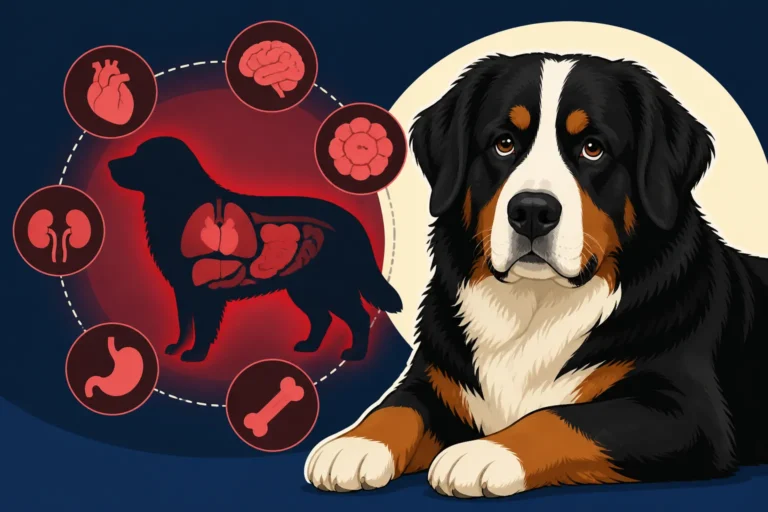
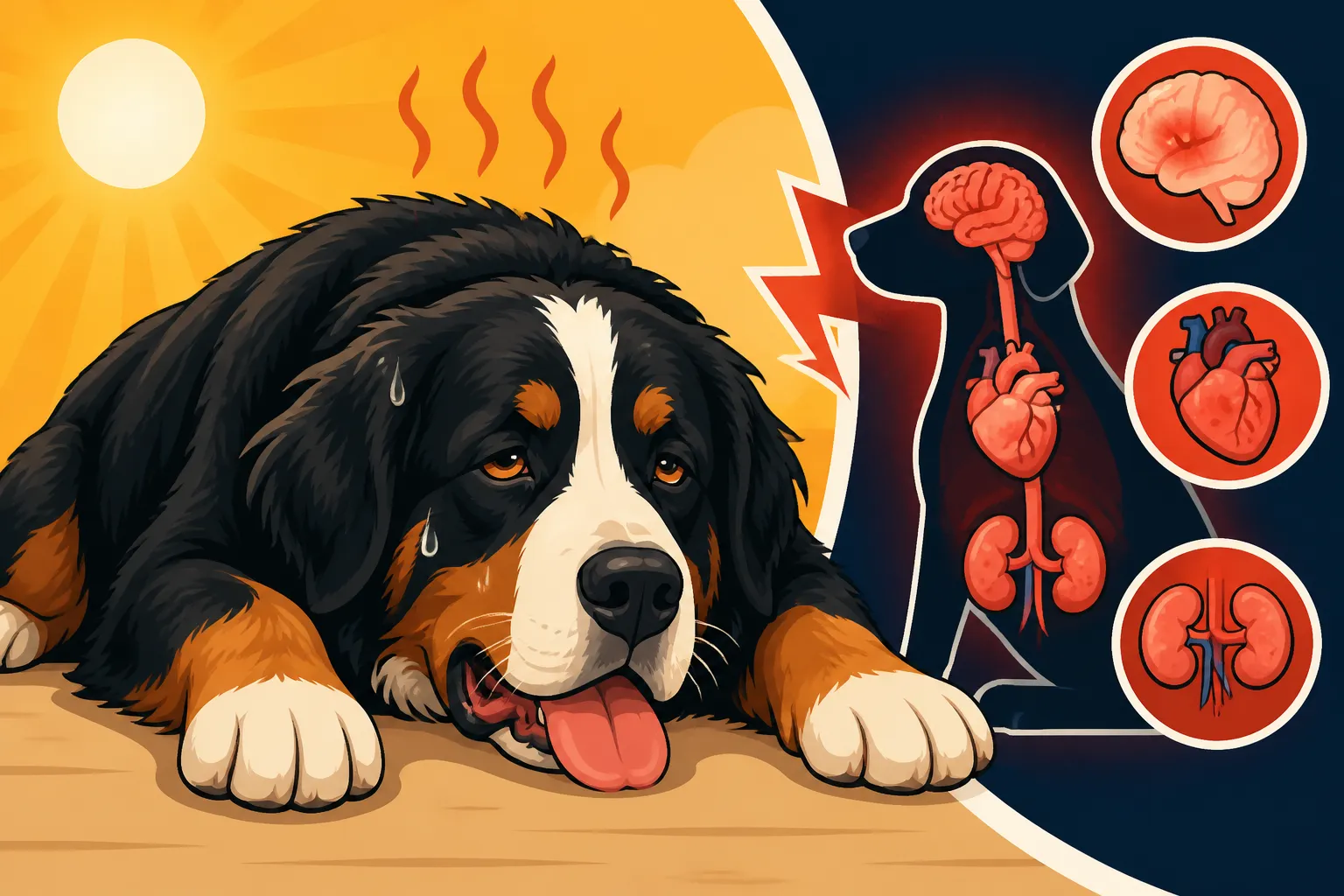
During severe overheating, several key organ systems are particularly vulnerable. The brain, highly sensitive to temperature fluctuations, can swell, leading to neurological issues. The kidneys, responsible for filtering toxins, can shut down. The liver, a crucial metabolic organ, suffers extensive cell death. Even the lining of the gastrointestinal tract can be compromised, leading to issues like bloody diarrhea.
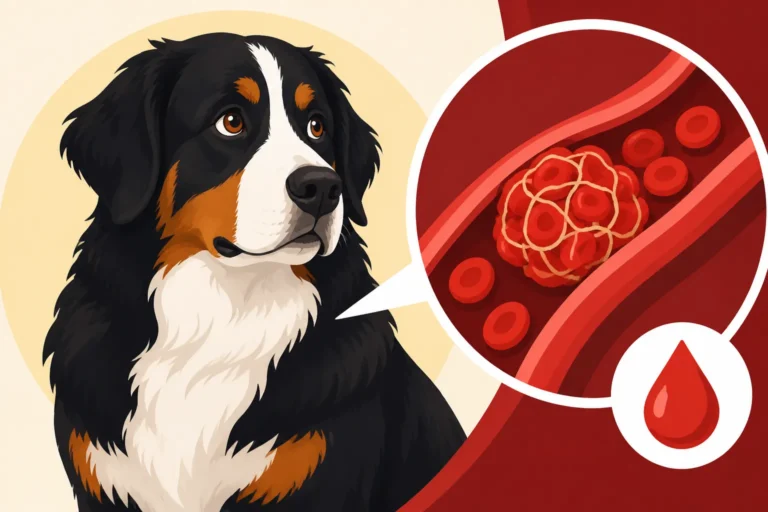
Furthermore, a terrifying complication known as disseminated intravascular coagulation (DIC) can develop. This is where the body's clotting mechanisms go haywire, leading to both excessive clotting in small blood vessels and widespread uncontrolled bleeding. It's a dire situation that often has a poor prognosis, even if the dog is initially stabilized. This widespread damage is why even a seemingly full recovery might hide insidious long-term problems. It's a stark reminder of why it's so important to be aware of The Temperature a Bernese Mountain Dog Stops Coping.
Beyond the Brink: Recognizing Heatstroke and Acting Fast
The difference between a dog making a full recovery and suffering lasting damage often comes down to how quickly and effectively you intervene. Recognizing the early signs of distress and knowing exactly what to do can be a lifesaver, literally. It's crucial for every Bernese Mountain Dog owner to understand How a Bernese Mountain Dog Behaves Before Heat Stroke.
Early Warning Signs You Can't Ignore
It's tempting to think a little heavy panting is normal for a Berner in warm weather, but you need to be hyper-vigilant. Early signs of overheating include excessive panting that sounds labored or different than normal, bright red gums, drooling, and a glazed or anxious look in their eyes. They might start seeking shade relentlessly or become sluggish. You might also notice their ears or paws feel very warm to the touch.
As the situation worsens, these signs escalate. They might stumble, show signs of confusion, or even collapse. Vomiting and diarrhea, sometimes bloody, can occur. Muscle tremors and seizures are also alarming indicators of severe heatstroke. If you observe any of these symptoms, particularly the more severe ones, immediate action is paramount. Never underestimate the speed at which a Berner can go from warm to critically overheated.
Crucial First Aid Steps
If you suspect your Bernese Mountain Dog is overheating, your first priority is to cool them down gently and get them to a vet immediately. Do not use ice water, as this can cause blood vessels to constrict, trapping heat inside, and can lead to shock. Instead, move your dog to a cooler environment, ideally an air-conditioned car or shaded area. Wet their fur, especially on their paws, belly, inner thighs, and neck, with cool (not cold) water. You can use a hose, wet towels, or even your hands. A fan can also help accelerate evaporative cooling.
While cooling, call your vet or the nearest emergency veterinary clinic to let them know you're on your way. Time is of the essence. Continuing the cooling process during transit is also vital. The goal is to lower their body temperature slowly and steadily, not abruptly. For more detailed steps, you can refer to guidance on Cooling a Collapsed Bernese Mountain Dog in the Field. Remember, even if your dog seems to improve, a vet visit is non-negotiable, as internal damage might not be immediately apparent.
The Critical Vet Visit
Once at the veterinary clinic, the medical team will take over, focusing on stabilizing your Berner and addressing the immediate life-threatening complications. They'll measure core body temperature, administer intravenous fluids to combat dehydration and support organ function, and monitor vital signs closely. Blood tests will be performed to assess organ damage, electrolyte imbalances, and clotting issues.
Treatment might include oxygen therapy, medications to protect the brain, and therapies to manage DIC if it develops. The vet will monitor for kidney failure, liver damage, and neurological changes. The first 24-48 hours are critical for survival, and intense supportive care is often required. This initial period is often harrowing and can rack up significant bills, highlighting the value of a comprehensive pet insurance plan like those offered by Healthy Paws, which can help cover these emergency costs.
The Lingering Shadow: Long-Term Damage After Heatstroke
Surviving heatstroke is a testament to a dog's resilience and their owner's quick thinking, but it's often not the end of the journey. The severe physiological stress and organ damage from the initial event can leave a lasting impact, leading to chronic health issues that require ongoing management. It's a sad reality that sometimes, even after the immediate danger passes, the body doesn't fully recover.
Kidney and Liver Compromise
The kidneys are highly susceptible to damage during heatstroke due to reduced blood flow and direct thermal injury. While immediate treatment can often prevent acute kidney failure, a significant portion of affected kidney tissue might be permanently damaged. This can lead to chronic kidney disease (CKD) over time, a progressive condition where the kidneys gradually lose their ability to filter waste products from the blood. Dogs with CKD may require special diets, regular bloodwork, and medications to manage symptoms and slow progression. This is why regular Bloodwork a Bernese Mountain Dog Should Have Yearly becomes even more critical after a heatstroke episode, often needing more frequent checks.
Similarly, the liver can suffer extensive damage. Liver cells are very sensitive to heat and oxygen deprivation. While the liver has a remarkable capacity for regeneration, severe or prolonged damage can result in chronic liver disease. This might manifest as decreased appetite, weight loss, jaundice, or other metabolic disturbances. Long-term management could involve prescription diets, liver support supplements, and periodic blood tests to monitor liver enzyme levels. Both kidney and liver damage can significantly impact a Berner's quality of life and shorten their already too-brief lifespan.
Brain and Neurological Impact
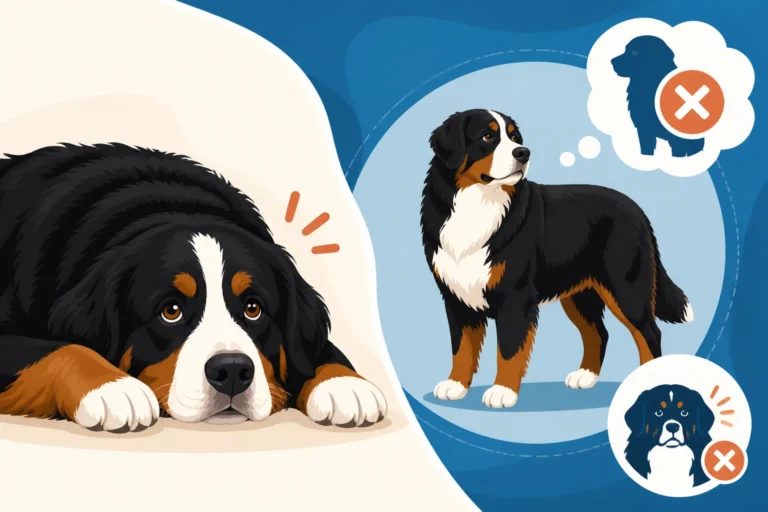
The brain is incredibly sensitive to high temperatures and oxygen deprivation. Even if your Bernese Mountain Dog appears neurologically normal after recovery, subtle or profound changes can emerge weeks or months later. This can include persistent behavioral changes such as increased anxiety, fearfulness, or even aggression. Some dogs may develop chronic seizures, requiring lifelong anticonvulsant medication. Cognitive dysfunction, similar to dementia in humans, might also become apparent, leading to disorientation, altered sleep-wake cycles, and house-soiling accidents.
In some severe cases, permanent brain damage can result in ataxia (incoordination), weakness, or changes in gait, similar to what's seen in conditions like The Bernese Mountain Dog Whose Back Legs Give Out. These neurological deficits can significantly impact mobility and quality of life, requiring adaptive care, physical therapy, and careful management of their environment. The emotional toll on owners is immense, as they grapple with a dog that may no longer be the same.
Heart and Blood Clotting Issues
The cardiovascular system is under immense strain during heatstroke. The heart works overtime to pump blood to the surface for cooling, and the extreme temperatures can directly damage heart muscle cells. This can sometimes lead to chronic heart problems, such as arrhythmias (irregular heartbeats) or even heart failure, which might only become apparent months after the initial event. Even subtle changes can predispose a dog to future cardiac issues. Therefore, any Bernese Mountain Dog recovering from heatstroke should undergo Heart Screening for a Bernese Mountain Dog to identify potential underlying damage.
Furthermore, as mentioned earlier, heatstroke can trigger disseminated intravascular coagulation (DIC). While DIC is often resolved in acute survival, some dogs may have a predisposition to clotting abnormalities or increased risk of thromboembolic events (blood clots) long-term. This requires careful monitoring and sometimes preventative medication. The complex interplay of these systemic issues means that a heatstroke survivor often lives with a fragile internal ecosystem that needs constant vigilance.
Increased Susceptibility
Perhaps one of the most disheartening long-term consequences is the increased susceptibility to future heat-related illnesses. Once a Bernese Mountain Dog has experienced heatstroke, their body's ability to regulate temperature may be permanently impaired. This means they are at a much higher risk of overheating again, even with less extreme conditions or shorter exposures to heat. Their "thermal tolerance" is significantly reduced.
This heightened vulnerability means owners must adopt an even more stringent approach to heat management. A dog that once enjoyed a brisk walk on a warm day might now need to be kept indoors during certain hours, restricting their usual activities. This leads us to consider how we can best manage their environment and routines to prevent a recurrence, understanding that their future is intrinsically linked to careful, proactive care.
A Lifetime of Vigilance: Managing a Recovered Berner
For a Bernese Mountain Dog that has survived overheating, life often becomes a delicate balance of careful management and unwavering vigilance. It's about adapting their lifestyle to protect their compromised systems and ensure they can still enjoy a good quality of life. This means a significant commitment from their human companions.
Environmental Adjustments
The most critical long-term adjustment is creating an environment that minimizes any risk of future overheating. This means absolutely no outdoor activity during the hottest parts of the day, even if it's just lounging in the yard. For many Bernese Mountain Dogs, this means walks are relegated to the very early morning or late evening hours, or sometimes even skipped entirely on exceptionally hot days. Understanding The Hours a Bernese Mountain Dog Should Not Walk becomes paramount.
Maintaining a cool indoor environment is also essential. Air conditioning is not a luxury; it's a necessity for a heatstroke survivor. Cooling mats, elevated beds that allow air circulation, and access to fresh, cool water at all times are crucial. Some owners even consider installing dedicated cooling systems or fans in their dog's favorite resting spots. It’s also important to remember The Case Against Shaving a Bernese Mountain Dog in June, as their double coat actually provides insulation against heat and cold. Stripping it can expose them to sunburn and disrupt their natural thermoregulation.
Here's a quick comparison of key considerations for a Berner post-heatstroke:
| Area of Concern | Pre-Heatstroke Management | Post-Heatstroke Management |
|---|---|---|
| Activity Level | Moderate exercise, adjust for heat | Minimal exercise in heat, strict cool-hour walks only |
| Indoor Cooling | Fans, open windows often suffice | AC critical, cooling mats, elevated beds, constant cool water |
| Outdoor Access | Supervised play, shaded areas | Extremely limited during warm weather, strictly monitored |
| Grooming | Regular brushing, no shaving | Regular brushing, never shave, monitor coat for matting |
| Diet | Standard large-breed formula | May require prescription diets (renal, hepatic, low-fat) |
| Vet Visits | Annual check-ups, vaccines | Frequent check-ups (3-6 monthly), specialized screenings |
| Emergency Preparedness | Awareness of heatstroke signs | Always have emergency vet contact, cooling supplies on hand |
Dietary and Supplement Support
For Bernese Mountain Dogs with chronic kidney or liver damage, dietary changes are often a cornerstone of management. Your vet may prescribe special therapeutic diets formulated to support kidney or liver function, which typically have controlled protein, phosphorus, or sodium levels. These diets are not optional; they are a critical component of slowing disease progression and managing symptoms.
Beyond prescription diets, your veterinarian might recommend specific supplements. Omega-3 fatty acids can have anti-inflammatory properties beneficial for overall organ health. Antioxidants might be suggested to combat cellular damage. Joint supplements, while not directly related to heatstroke, might be considered if mobility is affected by neurological damage or if the dog is gaining weight due to reduced activity. Always consult your vet before adding any supplements, as some can interfere with medications or specific dietary needs.
Regular Veterinary Monitoring
Because of the potential for chronic and progressive conditions, a Bernese Mountain Dog recovering from heatstroke will require a more intensive veterinary care schedule. This often means check-ups every three to six months, rather than the standard annual visit. These visits will include thorough physical exams, repeat bloodwork to monitor kidney and liver values, and potentially urinalysis to check kidney function.
For dogs with suspected cardiac involvement, regular echocardiograms or ECGs might be recommended. Neurological assessments will be ongoing. This increased frequency of veterinary care can be costly, making a robust pet insurance plan, such as Healthy Paws, an invaluable asset. They can help shoulder the financial burden of these regular diagnostics and long-term treatments, ensuring you can prioritize your Berner’s health without undue financial stress. It’s a peace of mind that allows you to focus on loving and caring for your dog.
Ultimately, preventing overheating in the first place is the best defense against these devastating long-term complications. Being mindful of Exercising a Bernese Mountain Dog in Summer and understanding Why a Black Coat Overheats a Bernese Mountain Dog are fundamental to keeping our beloved companions safe and healthy.
Disclaimer
This article is intended for informational purposes only and does not constitute veterinary advice. Always consult with a qualified veterinarian for any health concerns or before making any decisions about your pet's medical care.