Whether a Bernese Mountain Dog’s Ears Should Hang
One of the first things that captures your heart when you look at a Bernese Mountain Dog is that sweet, melting expression, framed so perfectly by those soft, floppy ears. But if you’re new to the breed, or just admiring them from afar, you might wonder, "Is there a specific way those ears are supposed to hang? What’s considered 'correct'?" This guide will clear up all those questions, diving into the nuances of the Bernese Mountain Dog ear standard, the practicalities of caring for those adorable floppy ears, and what to watch for to keep them healthy.
The Bernese Mountain Dog Breed Standard: All About Those Ears
When we talk about a dog's "breed standard," we're essentially looking at the blueprint for what the ideal dog of that breed should look like and behave like. For Bernese Mountain Dogs, their ears are a defining feature that contributes significantly to their overall expression and charming demeanor. It’s not just about them being floppy; there’s a specific way they should be set and carried that speaks to the breed's heritage and function.
The Ideal Ear Set and Shape
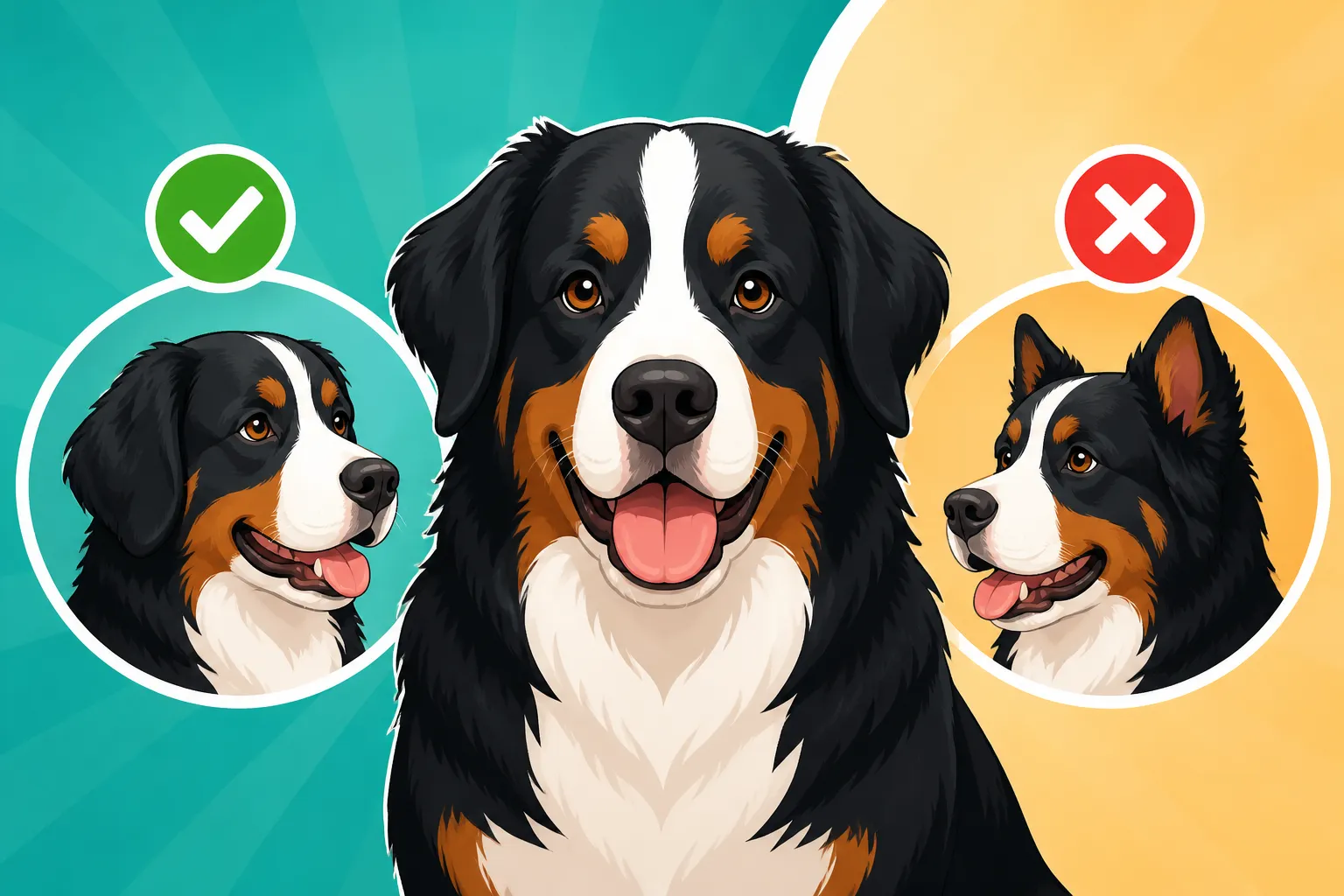
The Bernese Mountain Dog standard describes ears as medium-sized, triangular in shape, and gently rounded at the tip. They should be set high on the head, but not too high, and not too low either. When the dog is alert, the ears should lie flat against the head, creating a beautiful frame for their face. They should have a slightly raised fold at the base when the dog is attentive, drawing a gentle line from the eye to the ear's inner corner. This contributes to that intelligent, gentle, and alert expression we all know and love.
Think of it like this: if you were to gently pull the ear forward, the tip should just about reach the inner corner of the eye. This gives you a good idea of their intended length and placement. They aren't meant to be excessively long, nor are they supposed to be tiny nubs that disappear into their thick ruff. The size and placement are all about balance, complementing the strong, sturdy head that is characteristic of the breed. Anything too large or too small, or set too low, can alter that classic Bernese expression and would be considered less desirable in the show ring, though it would never make a Berner any less wonderful in your home!
What 'Hanging' Truly Means in the Standard
The term "hang" for Bernese Mountain Dog ears refers to their natural drop, known as "drop ears" or "pendulous ears." They are never meant to stand erect, like a German Shepherd, nor should they be semi-prick, like a Collie. They should lie close to the head, framing the face softly. Imagine a beautiful, heavy velvet drape – it hangs, but it’s substantial and lies smoothly. That's the essence of a Berner's ears.
What you don't want to see, according to the standard, are ears that are "houndy" – meaning too long, too low-set, and perhaps a bit thin, giving a mournful or overly heavy appearance. Nor do you want ears that "fly" or stand out from the head, which can happen if the cartilage is weak or the ear is set improperly. These subtle differences in how a Bernese Mountain Dog's ears hang are what give them that quintessential Berner look. It's a delicate balance of size, shape, set, and carriage that makes them just right. For a deeper dive into their physical traits, you might want to read The Bernese Mountain Dog Breed Standard which details all these finer points of their appearance.
Common Ear Health Concerns for Bernese Mountain Dogs
While those beautiful hanging ears are a hallmark of the Bernese Mountain Dog, they also come with a unique set of challenges when it comes to health. The very design that makes them so endearing can inadvertently create a breeding ground for problems if not properly cared for. Understanding these common issues is key to keeping your Berner happy and comfortable.
Ear Infections and Trapped Moisture
The most common issue with pendulous ears across many breeds, including our beloved Berners, is the increased risk of ear infections. Because the ear flap hangs down, it covers the ear canal, trapping warmth and moisture inside. This creates a dark, humid environment that is absolutely ideal for the growth of bacteria, yeast, and even fungi. Imagine walking around with a damp cloth over your ear all day – not exactly ideal for hygiene, right?
After a swim, a bath, or even just a particularly humid day, moisture can get trapped in the ear canal, leading to an infection. You might notice your Bernese Mountain Dog shaking their head a lot, scratching vigorously at their ears, or even holding one ear a little lower than the other. Sometimes, there might be a foul odor emanating from the ear, or you could see a discharge – waxy, brownish, or even pus-like. If you gently lift the ear flap, the skin inside might look red, inflamed, or even swollen. It's truly uncomfortable for them, and because Berners can be stoic about pain, it's important to be vigilant. Whether a Bernese Mountain Dog Hides Discomfort is a good read to understand their pain tolerance.
Allergies and Their Impact on Ear Health
Beyond trapped moisture, allergies are another significant culprit for ear problems in Bernese Mountain Dogs. Just like people, dogs can suffer from environmental allergies (like pollen, dust mites, or molds) or food allergies. When a Berner experiences an allergic reaction, it often manifests as itchy skin, and the ears are a prime target. The skin inside and around the ear canal can become inflamed, itchy, and irritated, leading to excessive scratching and head shaking.
This constant scratching and irritation can break down the skin's natural barrier, making it even easier for secondary bacterial or yeast infections to take hold. It becomes a vicious cycle: allergies cause inflammation and itching, the dog scratches, which then leads to an infection, exacerbating the discomfort. Identifying and managing allergies is crucial. Your vet might suggest dietary changes, antihistamines, or specific allergy medications. Sometimes, the only outward sign of an underlying allergy might be recurring ear infections that just don't seem to clear up completely. Keep an eye out for other signs of allergies, like paw licking or skin rashes, as these often go hand-in-hand with ear issues. To learn more about how common these issues are, check out Skin and Ear Problems in a Bernese Mountain Dog.
Practical Care for Your Berner's Ears
Caring for those beautiful, floppy Bernese Mountain Dog ears isn't just about keeping them pretty; it's about proactively preventing those uncomfortable and sometimes painful infections. A consistent routine of cleaning and inspection is your best defense. Think of it as a small investment of time each week that pays off in a happier, healthier Berner.
Routine Cleaning and Inspection
Because of their pendulous nature, Bernese Mountain Dog ears require regular attention. I recommend a weekly ear check. This isn't just a quick glance; it's a gentle lift of the ear flap, a sniff, and a peek deep into the canal opening. What are you looking for? Any redness, swelling, unusual discharge, or a funky smell. A little bit of light brown wax is normal, but anything excessive, dark, or yellow-green is a red flag.
When it comes to cleaning, you don't need to go overboard, but a gentle cleaning can make a huge difference. Use a veterinarian-approved ear cleaning solution – avoid anything harsh like rubbing alcohol, which can dry out and irritate the delicate skin. Apply the cleaner directly into the ear canal until it's full, then gently massage the base of the ear for about 30 seconds. You'll hear a squishy sound, which means the cleaner is working its way in there. After massaging, let your Berner shake their head; this helps dislodge debris. Then, use a cotton ball or soft gauze to wipe away any visible solution and debris from the outer ear and the entrance to the ear canal. Never use cotton swabs (Q-tips) to go deep into the ear canal, as you could inadvertently push debris further in or damage the eardrum.
You can easily find these gentle cleaning solutions and plenty of cotton balls on pet supply sites like Chewy. Having a dedicated ear cleaning station with all your supplies makes the task much less daunting. Making this a positive experience with treats and praise is crucial. The Weekly Handling a Bernese Mountain Dog Should Accept covers techniques for making routine care less stressful for your big dog.
When to Seek Veterinary Help
Even with the best routine care, sometimes issues still arise. Knowing when to call your vet is critical. Don't play guessing games with your Berner's health, especially when it comes to their ears. If you notice any of the signs of infection mentioned earlier – excessive head shaking, persistent scratching, a foul odor, redness, swelling, or any unusual discharge – it's time to make that appointment.
Another important indicator is if your Berner seems to be in pain when you touch their ears, or if they resist having them handled, which is unusual for such a generally tolerant breed. An untreated ear infection can not only be incredibly painful but can also lead to more serious problems, including middle or inner ear infections, which are much harder to treat and can even affect balance and hearing. Your vet will be able to properly diagnose the issue, whether it's a bacterial infection, yeast, mites, or an allergic reaction, and prescribe the appropriate medication. This might include ear drops, oral antibiotics, or anti-inflammatory drugs. Remember, a quick visit to the vet for ear discomfort is almost always better (and often less expensive in the long run) than trying to self-treat something that could become much worse. Always err on the side of caution with your Berner's health.
| Aspect | Healthy Bernese Mountain Dog Ear | Signs of Potential Issue | Action Required |
|---|---|---|---|
| Appearance | Clean, pale pink, minimal wax | Redness, swelling, dark/yellow wax | Vet visit |
| Smell | Neutral, clean | Foul, yeasty, or pungent odor | Vet visit |
| Behavior | No scratching, head shaking | Frequent scratching, head tilting | Close observation, potential vet visit |
| Discharge | None or very minimal light wax | Excessive, dark, puss-like | Vet visit |
| Touch Sensitivity | Tolerant to handling | Pain, pulling away, growling | Immediate vet visit |
Preparing for Grooming and Vet Visits
Because of their size and their glorious double coat, Bernese Mountain Dogs often require professional grooming, and ear cleaning is typically part of that package. However, even if you groom at home, teaching your Bernese Mountain Dog to be comfortable with ear handling from a young age is paramount. Imagine trying to clean the ears of a 100-pound dog who is convinced you’re trying to remove them! It won’t be fun for anyone. Start early with gentle touches, lifting the ear flaps, and praising them profusely. This will make routine cleaning a breeze and vet visits much less stressful when it comes time for an examination.
When you take your Berner to the groomer, make sure to discuss their ear care routine. Some groomers might do a basic wipe, while others offer a full cleaning. If your dog has a history of ear infections, it's wise to communicate this so the groomer can be extra gentle and vigilant. They can also help trim any excess hair around the ear opening, which can sometimes block airflow and contribute to moisture retention. You can find specialized tools for this, like blunt-tipped scissors or ear powder, on sites like Chewy, but always exercise caution or leave it to a professional. Given their significant size, managing a Bernese Mountain Dog for any kind of care can be a challenge, so you might find Grooming a Bernese Mountain Dog Too Big to Lift a helpful read for general handling tips.
Understanding the Nuances of Ear Carriage and Breed Health
Beyond the standard, there are practical considerations and natural variations in ear carriage. Sometimes, what might look like a "fault" to an untrained eye is simply a variation within healthy norms, or perhaps an indication of something deeper in their health or development.
Age, Development, and Ear Carriage
Just like puppies of many breeds, a Bernese Mountain Dog puppy’s ears might not always hang perfectly. During their rapid growth phases, especially when they are teething, their cartilage can soften or change, leading to ears that might seem to "fly" or stand a bit awkwardly for a while. This is usually temporary and resolves as they mature. Their heads are also growing quickly, and the ears need to catch up, or simply adjust to the new proportions.
It's also worth noting that a very young puppy's ears might appear disproportionately large for their head, or they might seem to be set a bit differently. As they fill out and their skull develops, the ears will often settle into their mature position. If you have concerns about a puppy's ear set, especially if it seems very unusual or asymmetrical, it’s always a good idea to chat with your breeder or vet. They can offer reassurance or advise if there’s a genuine concern. You can observe how rapidly they grow in What a Bernese Mountain Dog Weighs at Each Month and understand that many physical traits are in flux during this time.
When Ear Carriage Signals Something Else
While most variations are harmless, a sudden change in how your adult Bernese Mountain Dog's ears hang can sometimes be a subtle indicator of a problem. For example, if one ear suddenly seems lower, or they're constantly tilting their head, it could be a sign of an ear infection, an ear hematoma (a blood blister in the ear flap, often caused by vigorous head shaking), or even an injury. An ear that's swollen or hot to the touch definitely warrants attention.
In rare cases, nerve damage or a neurological issue could affect ear carriage, but these would typically come with other noticeable symptoms. For the most part, if your Berner's ears have always hung in a certain way and suddenly change, it’s worth a closer look. They're usually pretty consistent once they're fully grown. It's just another part of observing your dog and knowing what's "normal" for them, so you can spot anything that deviates from their usual happy self. Sometimes, what seems like a simple cosmetic change can be a tiny whisper that your dog is trying to tell you something.
The Overall Impact of Ear Health and Appearance
Ultimately, the way your Bernese Mountain Dog's ears hang is a key component of their breed identity and plays a significant role in both their appearance and their overall health. Getting to know those ears, understanding their needs, and being proactive in their care will ensure your Berner remains the picture of health and happiness.
Beyond the Show Ring: What Matters Most
While the breed standard dictates precise characteristics for ear set and carriage, for the vast majority of Bernese Mountain Dog owners, what truly matters is a healthy, comfortable dog. Whether your Berner's ears are absolutely "perfect" by show ring standards is far less important than ensuring they are free from pain, infection, and irritation. A dog whose ears are constantly bothering them simply can't enjoy life to the fullest.
Therefore, focus on the practical aspects: regular cleaning, vigilant inspection, and prompt veterinary attention when needed. Teach your Berner to enjoy ear rubs and handling, which makes all these tasks so much easier. Consider it a loving routine that strengthens your bond and safeguards their well-being. Ultimately, a Bernese Mountain Dog with clean, healthy, comfortable ears is a happy Bernese Mountain Dog, and that's the best standard of all.
Ensuring Lifelong Comfort and Well-being
Investing time and effort into your Bernese Mountain Dog's ear care throughout their life will pay dividends. From puppyhood, when you're gently introducing them to ear cleaning tools and sounds, to their senior years, when mobility might make self-grooming more difficult, those ears will need your attention. Older Berners, like older humans, can sometimes have compromised immune systems, making them more susceptible to infections, or may simply be less able to clean their own ears effectively.
Incorporating ear checks into your regular grooming routine – perhaps when you're doing their weekly brush out or after their bath – makes it a natural part of their life. Keep your cleaning solutions and cotton balls easily accessible, maybe even near their food from Chewy, so it becomes a seamless part of their daily care. This holistic approach to their care ensures that every part of your magnificent Bernese Mountain Dog, right down to their beautiful, floppy ears, is well looked after, allowing them to live out their years in comfort and joy.
Disclaimer
This article is for general informational purposes only and does not constitute professional advice. Laws, prices and regulations vary by location and change over time. Consult a qualified professional for guidance on your specific situation.