The Bernese Mountain Dog Eye Shape and Color
One of the most captivating features of a Bernese Mountain Dog is undeniably their soulful eyes, often giving them that intelligent, gentle, and utterly devoted expression we all adore. But sometimes, as owners, we find ourselves squinting a little, wondering if their eye shape, color, or even the way their eyelids sit is "normal" or exactly what the breed standard describes. This guide is here to demystify what makes for those classic Berner eyes, what to look for, and what might warrant a closer look from your vet, helping you understand this important part of your beloved companion's overall health and appearance.
The Ideal Bernese Mountain Dog Eye: Shape and Set
When you look into the eyes of a well-bred Bernese Mountain Dog, you're looking for a specific set of characteristics that contribute to their hallmark kind and intelligent expression. It’s not just about the color, but the very structure and placement of the eyes themselves.
Almond Shape and Moderate Size
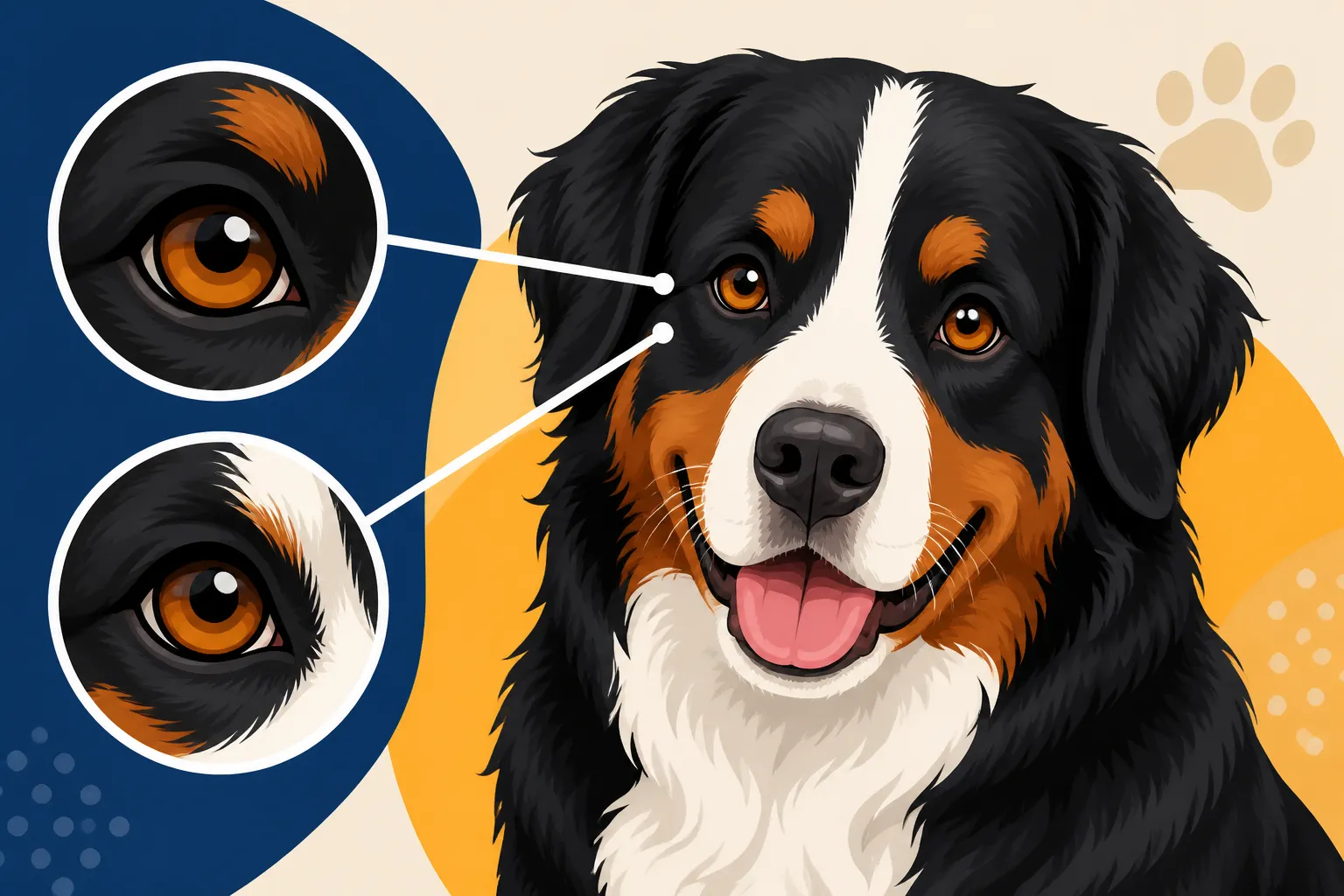
The breed standard for Bernese Mountain Dogs typically describes their eyes as being almond-shaped, rather than perfectly round. This subtle distinction is incredibly important because it influences their entire facial expression. A round eye can sometimes give a dog a perpetually surprised or vacant look, which isn't characteristic of the calm, self-assured Berner. The almond shape provides that slightly more contemplative and gentle gaze.
Furthermore, the size of the eyes should be moderate – neither too large nor too small for their substantial head. Eyes that are too large can appear prominent and sometimes more susceptible to injury or environmental irritants. Conversely, eyes that are too small can seem beady or disproportionate, again detracting from that soft expression. Think of it as a Goldilocks scenario: just right. The eyes should be proportionate to the skull, balancing the breadth of the forehead and the length of the muzzle.
Eye Placement and Expression
The way a Bernese Mountain Dog's eyes are set in their skull is just as crucial as their shape. They should be set neither too deep nor too shallow. Deep-set eyes can sometimes make a dog appear suspicious or give them a shadowed look, while shallow-set, or prominent, eyes can make them look startled and offer less protection to the eye itself. The ideal is a well-seated eye that still projects that characteristic "gentle and intelligent" expression. The Kind Expression a Bernese Mountain Dog Standard Wants delves deeper into how all these facial features combine to create that quintessential Berner look.
Their eye placement also contributes to their overall temperament appearance. A Bernese Mountain Dog should appear alert and observant, but never sharp or fearful. The eyes are a direct window into this perceived demeanor, and their moderate, well-placed set helps convey their confident, good-natured disposition. When you greet a Berner, their eyes should meet yours with a calm curiosity, not darting away nervously or staring aggressively.
The Deep, Dark Hue: Color and Pigmentation
Beyond shape and set, the color of a Bernese Mountain Dog's eyes and the pigmentation surrounding them are key elements in defining their striking appearance and confirming adherence to the breed standard.
Dark Brown is the Standard
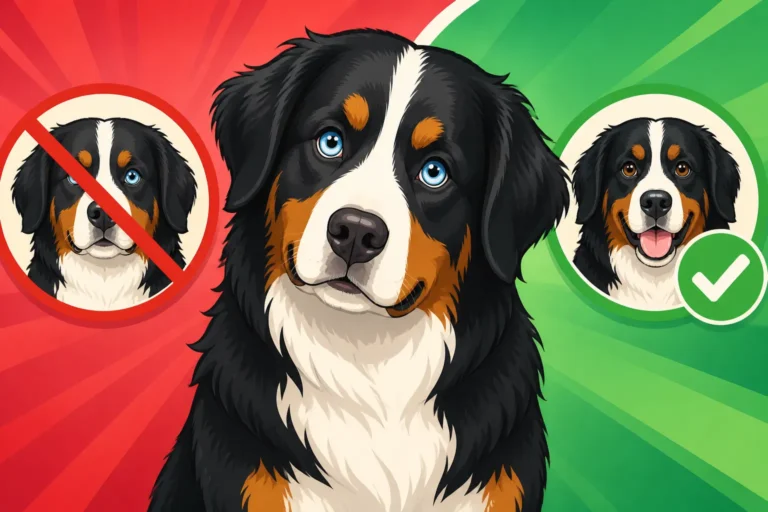
For a Bernese Mountain Dog, the ideal eye color is consistently described as dark brown. The darker, the better, really. This deep hue blends harmoniously with their rich black coat and the rust markings, creating a balanced and striking facial picture. Lighter eyes, sometimes referred to as "yellow" or "light brown" eyes, are considered a fault in the breed standard. While they don't necessarily indicate a health issue, they do alter the dog's characteristic expression, often making it seem less soulful or intense.
Imagine a Bernese with brilliant dark eyes; they seem to convey so much depth and understanding. Now imagine those same eyes, but a shade or two lighter. While still a beautiful dog, that certain "oomph" or profound gaze might be missing. This emphasis on dark eyes is not just an aesthetic preference; it's part of maintaining the specific look and feel that defines the breed.
Pigmentation Around the Eye Rims
Equally important to the eye color itself is the pigmentation of the eye rims, often called "eyeliner." These should be completely black. Darkly pigmented eye rims not only frame the eye beautifully, enhancing the deep brown color, but also serve a practical purpose: they help protect the eye from harsh sunlight, much like human sunglasses. This is especially true for a breed that often has a prominent white blaze running up their face; strong black pigmentation acts as a visual break and offers definition.
A lack of proper pigmentation around the eye rims, sometimes appearing as pink or flesh-colored areas, can make the eyes look "soft" or unfinished. It can also give the dog a somewhat worried or tired appearance. In cases where the pigmentation is patchy or absent, it's considered a fault in the show ring, as it deviates from the strong, defined look desired in the breed. This dark pigmentation extends to the nose and lips, completing the tricolor canvas of their face, as discussed in Bernese Mountain Dog Markings and What They Mean.
Common Eye Variations and Health Concerns
While the breed standard paints a picture of perfection, like any living creature, Bernese Mountain Dogs can exhibit variations or develop health issues that affect their eyes. Understanding these is vital for responsible ownership.
Lighter Eyes and "Haw" Eye
As mentioned, lighter brown or yellowish eyes are a departure from the ideal dark brown. While not usually indicative of a health problem, they do change the Bernese's characteristic expression. Some owners might find their Berner's eyes appear lighter in certain lighting conditions, which is normal, but a consistently light eye color is a genetic trait. It's often simply a cosmetic difference.
Another common variation is what's sometimes called a "haw" eye, where the red or pink nictitating membrane (the third eyelid) is visibly prominent in the inner corner of the eye or along the lower lid. This can be more noticeable in some individuals than others. While a slight showing can be normal, if it's overly prominent or appears inflamed, it could be a sign of irritation or even an underlying structural issue. Keeping the area clean and free of irritants, perhaps with gentle eye wipes from a trusted brand like Chewy, can help manage minor issues.
Entropion, Ectropion, and Other Conditions
More serious concerns relate to the eyelids themselves. Eyelids That Roll Inward on a Bernese Mountain Dog specifically addresses entropion, a condition where the eyelid rolls inward, causing the eyelashes to rub against the cornea. This is incredibly uncomfortable and can lead to irritation, pain, corneal ulcers, and even vision impairment if left untreated. Symptoms often include excessive tearing, squinting, and rubbing at the eyes. Conversely, ectropion is when the eyelid rolls outward, exposing the delicate conjunctival tissue. While less painful than entropion, it can lead to chronic dryness, irritation from foreign bodies, and recurrent infections because the eye isn't properly protected.
Other eye conditions that can affect Bernese Mountain Dogs, like many other breeds, include cataracts (clouding of the lens, often age-related), progressive retinal atrophy (PRA), or even distichiasis (extra eyelashes growing from the eyelid margin). Regular veterinary check-ups, especially as your Berner ages, are crucial for early detection and management of these conditions. The article Eye Conditions in a Bernese Mountain Dog offers a more detailed look at the various ocular health challenges a Bernese might face.
| Eye Trait | Ideal (Breed Standard) | Common Variation/Concern | Potential Impact |
|---|---|---|---|
| Shape | Almond-shaped | Round or too small/large | Alters expression, potential for less protection |
| Placement | Well-set, neither too deep nor too prominent | Deep-set or prominent | Alters expression, increased injury risk |
| Color | Dark brown | Lighter brown, yellowish | Changes characteristic soulful expression, cosmetic fault |
| Eye Rims | Fully black pigmented | Pink or patchy pigmentation | "Soft" expression, reduced protection from sun |
| Lid Position | Tight, close-fitting | Entropion (inward roll), Ectropion (outward roll) | Irritation, pain, infection, vision problems |
| Third Eyelid | Not readily visible | "Haw" eye (prominent nictitating membrane) | Can be normal, but excessive showing may indicate issue |
Tear Staining and General Eye Care
Tear staining, while often more obvious on dogs with lighter coats, can still be a concern for Bernese Mountain Dogs, particularly around their white facial markings. It manifests as reddish-brown streaks beneath the eyes, caused by porphyrins (pigments found in tears) that darken upon exposure to light. While usually benign, excessive tear staining could indicate blocked tear ducts, allergies, or irritation.
Regular, gentle cleaning of the area around your Berner's eyes with a damp cloth or a veterinarian-approved eye cleaner is a good preventative measure. You can find various tear stain removers and eye cleaning solutions at pet supply retailers like Chewy, which can help keep the area tidy and reduce discoloration. It's also important to keep the hair around their eyes trimmed to prevent it from irritating the eye itself. This is part of comprehensive grooming which is vital for a Bernese, as detailed in Grooming a Bernese Mountain Dog's Long Tricolor Coat. Good eye hygiene isn't just about looks; it's about comfort and preventing minor irritations from becoming larger problems.
Eyes as a Window to Overall Health
Beyond aesthetics and specific conditions, your Bernese Mountain Dog's eyes can offer clues about their general health and well-being. A change in their usual sparkle or clarity can sometimes be an early indicator of a systemic issue.
Indicators of Overall Health
Healthy Berner eyes should appear bright, clear, and free from excessive discharge or redness. A dull, cloudy, or excessively watery eye could be a sign of anything from allergies or a minor irritation to a more serious infection or even a systemic illness affecting other parts of the body. For example, a sudden onset of cloudiness might indicate glaucoma, while a persistent discharge could point to a bacterial or viral infection.
Always observe your dog's eyes as part of your daily routine. Do they look the same as yesterday? Is there any squinting, pawing at the face, or sensitivity to light? Changes in eye appearance, especially if accompanied by other symptoms like lethargy, loss of appetite, or behavioral changes, warrant a prompt visit to the veterinarian. A vet will be able to perform a thorough examination and recommend appropriate treatment or further diagnostics. Regular check-ups are especially important as a Bernese Mountain Dog ages, typically around five or six years old, as discussed in Caring for a Bernese Mountain Dog After Six.
Age-Related Eye Changes
Just like people, Bernese Mountain Dogs can experience age-related changes in their eyes. A common occurrence in older dogs is nuclear sclerosis, a bluish-grey haze that appears in the lens. This is a natural aging process and, unlike cataracts, typically doesn't significantly impair vision. However, it's always best to have your vet confirm it's nuclear sclerosis and not something more problematic.
Cataracts, on the other hand, do lead to vision loss and can make the lens appear opaque and white. They can be caused by genetics, injury, disease (like diabetes), or simply old age. While some cataracts progress slowly, others can develop quickly. If you notice your older Bernese becoming more hesitant in unfamiliar environments or bumping into objects, it might be a sign of impaired vision. Ensuring their environment is safe and predictable can help them navigate life with reduced eyesight. You can also explore vision-supportive supplements or special bowls from retailers like Chewy designed for older dogs, though always consult your vet first.
Ultimately, your Bernese Mountain Dog's eyes are a reflection of their health and spirit. Taking the time to understand what constitutes healthy, typical Berner eyes, and being vigilant for any changes, is a key part of being a responsible and loving owner. Their beautiful, expressive gaze is one of the many reasons we cherish them so much, and keeping those eyes bright and clear ensures they can continue to see the world—and you—with that characteristic devotion.
Disclaimer
This article is for general informational purposes only and does not constitute professional advice. Laws, prices and regulations vary by location and change over time. Consult a qualified professional for guidance on your specific situation.