The Appenzeller and Entlebucher Beside the Bernese Mountain Dog
For anyone who has fallen in love with the majestic Bernese Mountain Dog, it's natural to wonder about their origins and perhaps even their cousins. You might have stumbled upon terms like "Appenzeller" or "Entlebucher" and felt a pang of curiosity, wondering how these distinctly Swiss breeds relate to our beloved Berners. This guide will take a deep dive into the fascinating world of the Swiss Sennenhunds, exploring the unique characteristics, shared heritage, and subtle differences between the Bernese Mountain Dog, the Appenzeller, and the Entlebucher.
Understanding the Sennenhund Family
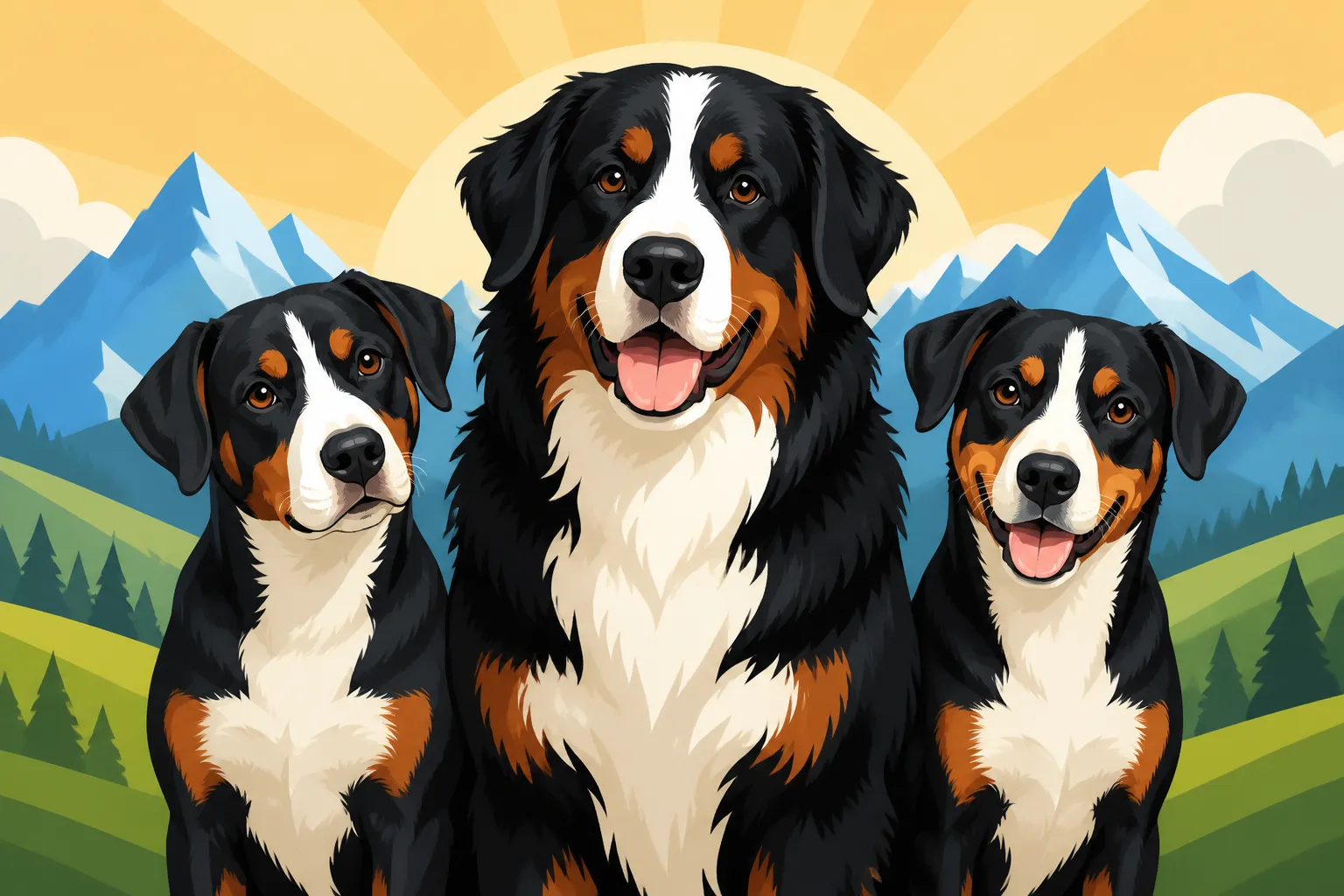
When you hear "Bernese Mountain Dog," you're likely picturing that magnificent tri-color coat and gentle expression. But did you know our Berners are just one part of a larger, equally charming family of Swiss working dogs? These breeds, known collectively as Sennenhunds, share a common heritage rooted in the alpine pastures and farms of Switzerland. It can be a little confusing to keep them all straight, especially since they often share that striking tri-color pattern, but each one has its own distinct personality and purpose.
A Shared Heritage of Swiss Mountain Dogs
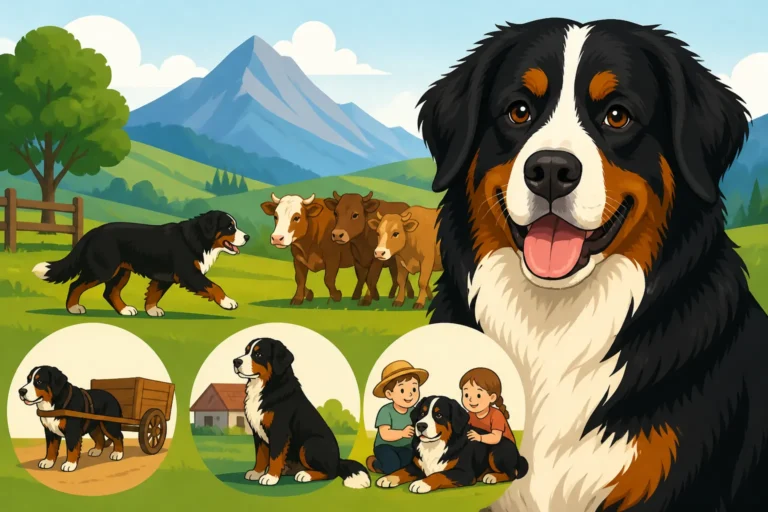
Imagine the rugged, breathtaking landscape of the Swiss Alps, with farmers relying on strong, intelligent dogs for various tasks. This is the birthplace of the Sennenhunds. For centuries, these dogs were indispensable partners to dairymen and farmers, known as "Senn" in Swiss German. They were not just pets; they were integral members of the family and the workforce. They herded cattle, guarded property, pulled carts laden with milk and cheese, and kept their human companions company through long, isolated days. This shared history means they all possess certain traits: a robust build, a loyal nature, and a keen intelligence. They were bred for endurance and versatility, capable of handling harsh mountain weather and a variety of duties. When we talk about The Swiss Valley the Bernese Mountain Dog Comes From, we're talking about the very cradle of this shared heritage, where these dogs honed their instincts and physical prowess.
The Importance of the "Sennenhund" Name
The term "Sennenhund" itself is a powerful clue to their shared identity and purpose. "Senn" refers to the alpine dairymen, and "Hund" simply means dog. So, literally, they are "dairy farmer's dogs" or "alpine pasture dogs." This name isn't just a label; it’s a descriptor of their historical role. Each of the four Swiss Sennenhund breeds — the Greater Swiss Mountain Dog, the Bernese Mountain Dog, the Appenzeller Sennenhund, and the Entlebucher Sennenhund — was developed in a specific region of Switzerland, often named after their canton or valley of origin. While they all served similar functions, subtle differences in environment and specific tasks led to the development of unique physical traits and temperaments. Understanding the "Sennenhund" name helps us appreciate that these aren't just random breeds; they are distinct variations on a foundational working dog type, each perfectly suited to their particular niche in the Swiss countryside. If you've ever wondered What Sennenhund Means in a Bernese Mountain Dog's Name, now you know it's a badge of honor, signifying their working lineage.
The Bernese Mountain Dog: Our Gentle Giant
Ah, the Bernese Mountain Dog. For many, this is the first image that comes to mind when they think of a large, tri-color dog. There's a reason they're so popular: their stunning looks combined with an often incredibly sweet and docile nature. But don't let their cuddly appearance fool you entirely; beneath that fluffy coat is a powerful, capable working dog with a rich history. Owners often grapple with the reality that these magnificent creatures, despite their size, crave a gentle touch and can be surprisingly sensitive.
Signature Looks and Temperament
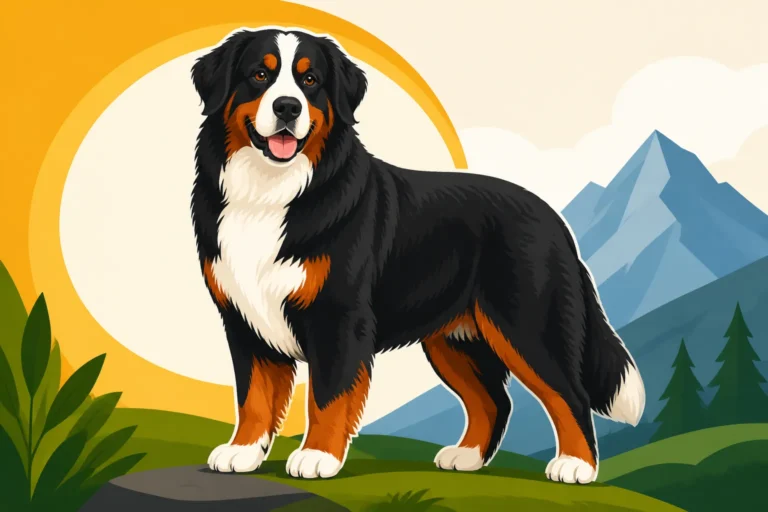
The Bernese Mountain Dog is undeniably striking. They boast a long, flowing tri-color coat, predominantly jet black with rich rust or tan markings on their cheeks, over their eyes, on all four legs, and a distinctive white blaze running up their forehead. The white chest, often referred to as the "Swiss cross," is another hallmark. Their expression is usually soft, intelligent, and deeply devoted, making them instantly appealing. When it comes to temperament, they are generally described as good-natured, calm, and intelligent. They're often slow to mature, remaining somewhat puppy-like until they're two or three years old. This means they require consistent, positive reinforcement training, as they can be quite sensitive to harsh corrections. They thrive on human companionship and are known for forming strong bonds with their families, often described as "velcro dogs" who want to be wherever you are. They are watchful but not typically aggressive, tending to observe rather than confront. This combination of beauty and a generally placid disposition is a huge part of their appeal, and it's what makes many people consider The Kind of Home a Bernese Mountain Dog Belongs In.
A History of Farm Work and Companionship
Historically, the Bernese Mountain Dog, or Berner Sennenhund, was a versatile farm dog from the Canton of Bern. They were the ultimate multi-taskers, equally adept at herding dairy cattle, guarding the farm from predators, and pulling carts laden with goods to market. Imagine a Berner patiently hauling milk cans over rough terrain, their powerful build making light work of the load. This drafting ability is still celebrated today, with many modern Berners enjoying carting as a hobby. Their guarding instinct wasn't about aggression, but about presence and warning; a hundred-pound dog barking a deep "woof" was usually enough to deter unwelcome visitors. Beyond their practical duties, they were beloved companions, living closely with their farming families. This dual role of worker and family member has shaped the breed into the affectionate, sometimes goofy, but always loyal dogs we know today. Their history helps explain why they appreciate having a "job" to do, even if that job is simply collecting the mail or carrying a backpack on a walk. This understanding of their background helps us appreciate What a Bernese Mountain Dog Did on a Swiss Farm.
The Appenzeller Sennenhund: The Agile Herder
Moving from the Bernese's gentle giant stature, we encounter the Appenzeller Sennenhund – a breed that brings a different kind of energy and a more compact, athletic build to the Sennenhund family. Many people unfamiliar with the nuances might just see another tri-color dog, but the Appenzeller is a distinct and lively character, often surprising owners with its zest for life.
Distinctive Features and High Energy
The Appenzeller Sennenhund hails from the Appenzell region of Switzerland and is noticeably smaller and more agile than the Bernese. While still a solidly built dog, they typically stand about 19-23 inches at the shoulder and weigh between 48-70 pounds. Their coat is also tri-color, but it's much shorter, dense, and glossy, without the long feathering of a Berner. A signature feature is their curled tail, carried tightly over their back, often described as a "posthorn" tail. But the most striking difference is their energy level. Appenzellers are known for being incredibly active, athletic, and possessing a high prey drive. They are quick, intelligent, and always seem to be looking for their next task. This isn't a dog content to lounge on the sofa all day; they thrive on activity, mental stimulation, and a clear purpose. If you're comparing them to a Berner, think of the difference between a leisurely stroll and a brisk hike up a mountain trail. Their inherent drive and athleticism are what make them such effective herders.
A Watchful and Spirited Companion
The Appenzeller's temperament is often described as lively, confident, and somewhat spirited. They are fiercely loyal to their families but can be reserved, even suspicious, of strangers. This makes them excellent watchdogs; they are quick to alert their owners to anything out of the ordinary with a loud, distinctive bark. This watchful nature means early and consistent socialization is absolutely crucial to ensure they grow into well-adjusted adults who can discern a genuine threat from a friendly visitor. They are highly intelligent and eager to please those they trust, which makes them very trainable, but they also possess an independent streak and require a confident, experienced handler. Their high energy and intelligence mean they excel in dog sports like agility, obedience, and of course, herding. They form incredibly strong bonds with their human companions, but they need an outlet for their boundless energy and sharp minds. Without it, they can become bored and destructive, a common frustration for owners who underestimate their needs. When looking at The Appenzeller Against the Bernese Mountain Dog, it's clear the activity demands are on a whole different level.
The Entlebucher Sennenhund: The Compact Powerhouse
Completing our tour of the smaller Swiss Sennenhunds, we arrive at the Entlebucher Sennenhund. Often the least known of the four, the Entlebucher is a vibrant, incredibly robust dog in a surprisingly compact package. Don't let their size fool you; these are powerful, intelligent dogs bred for demanding work, and they come with a personality to match.
Size, Build, and Energetic Demeanor
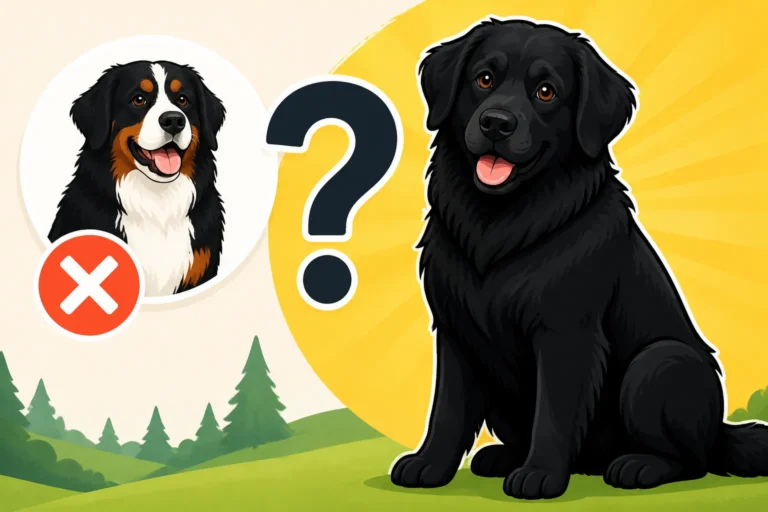
Originating from the Entlebuch valley in the canton of Lucerne, the Entlebucher is the smallest of the Sennenhunds. Males typically stand around 17-20 inches at the shoulder and weigh 55-65 pounds, with females being slightly smaller. Their build is decidedly sturdy and muscular, giving them a compact, powerful appearance. They share the tri-color coat pattern, but like the Appenzeller, their coat is short, hard, and dense, perfect for deflecting harsh weather. Many Entlebuchers are born with a natural bobtail, while others have a long tail that may be docked where permitted. While they are the smallest, they are far from being a lapdog. Their energy levels are incredibly high, akin to the Appenzeller, demanding significant daily exercise and mental engagement. They possess an endless zest for life, often described as boisterous and playful, especially as puppies, which can be a handful given their strength and quickness. They are quick to learn but also quick to get into mischief if not properly stimulated. People often wonder Whether the Entlebucher Is a Smaller Bernese Mountain Dog, and while they share the Sennenhund lineage, their energy and specific purpose truly set them apart.
A Loyal and Industrious Worker
The Entlebucher Sennenhund was primarily bred to drive cattle, a demanding job that required courage, quickness, and intelligence. They are known for their strong herding instinct, often attempting to "herd" their human family members or other pets. This drive to work means they thrive when given a job, whether it's formal herding, advanced obedience, agility, or even just long, challenging hikes. They are incredibly devoted to their families and can be quite protective, especially of children within their trusted circle. Like the Appenzeller, they are watchful and vocal, making excellent alarm dogs. They are intelligent and eager to please their loved ones but require a firm, consistent, and positive training approach. Without proper structure and an outlet for their intelligence and energy, an Entlebucher can become quite demanding or even develop undesirable behaviors. They are not a breed for the faint of heart or those seeking a purely decorative companion; they are a partner in activity, an industrious worker at heart, even in a modern home. Providing them with constructive activities, perhaps even some sturdy toys from Chewy to challenge their minds, can be incredibly beneficial.
Key Differences and Similarities in the Breed Standard
Understanding the individual traits of each Sennenhund breed is one thing, but seeing them side-by-side really highlights their unique characteristics while also appreciating their shared heritage. The breed standards for each are meticulously detailed, defining everything from their ideal size and conformation to the exact placement of their markings and their expected temperament. It’s here that the subtle, and sometimes not-so-subtle, differences truly shine through.
Coat Types and Markings
Perhaps the most immediately obvious difference between the Bernese Mountain Dog and its Appenzeller and Entlebucher cousins lies in their coats. The Bernese boasts a long, thick, double coat, often described as soft and flowing, with feathering on its legs and tail. This coat, while beautiful, requires substantial grooming to prevent mats and manage shedding, especially during seasonal changes. It’s also the reason why Berners are so sensitive to heat, and owners often worry about Heat and the Bernese Mountain Dog's Black Coat.
In contrast, both the Appenzeller and Entlebucher Sennenhunds have short, dense, and harsh double coats. These coats are much lower maintenance in terms of tangles and brushing, though they still shed. They provide excellent protection against the elements but offer less insulation than the Berner's long coat. All three breeds share the striking tri-color pattern: a black base with rust/tan markings and white. However, the exact placement and amount of white can vary slightly by standard. For instance, the Appenzeller typically has a tight, curled tail over its back, a distinctive feature not found in the Bernese. The Bernese is known for its "Swiss cross" on the chest and a prominent white blaze. While all share the black, rust, and white palette, the presentation and texture of the fur are incredibly different, making grooming and climate suitability unique for each. If you've ever wondered Why Only the Bernese Mountain Dog Has a Long Coat, it really sets them apart in the Sennenhund family.
Size, Stature, and Lifespan Considerations
Size is another significant differentiator. The Bernese Mountain Dog is the largest of the three, typically weighing between 70-115 pounds and standing 23-27 inches tall. They are truly magnificent, substantial dogs. Their large size, however, can come with its own set of challenges, including predispositions to certain joint issues and a notably shorter lifespan compared to many other breeds. Sadly, many Berner owners know the heartbreak of Why a Bernese Mountain Dog Lives Only Seven or Eight Years.
The Appenzeller Sennenhund is a medium-sized dog, usually weighing 48-70 pounds and standing 19-23 inches tall. They have an athletic, agile build, bred for quick movements and endurance. The Entlebucher Sennenhund is the smallest, weighing 55-65 pounds and standing 17-20 inches tall, embodying a compact, powerful structure. These smaller breeds generally boast longer lifespans than the Bernese, often living into their early to mid-teens, which is a major factor for prospective owners to consider. Their smaller stature also means they often experience less strain on their joints, though proper care and nutrition are still vital. Their overall robust health and longevity are often a topic of discussion when comparing The Four Swiss Breeds Beside the Bernese Mountain Dog.
| Feature | Bernese Mountain Dog | Appenzeller Sennenhund | Entlebucher Sennenhund |
|---|---|---|---|
| Size (Height) | 23-27 inches | 19-23 inches | 17-20 inches |
| Weight | 70-115 lbs | 48-70 lbs | 55-65 lbs |
| Coat Type | Long, thick, double coat with feathering | Short, dense, harsh double coat | Short, dense, harsh double coat |
| Tail | Long, bushy, carried low (can be high when alert) | Curled tightly over back (posthorn tail) | Natural bobtail or long (often docked where permitted) |
| Energy Level | Moderate, enjoys walks but also calm indoors | High, very active, needs consistent mental and physical work | High, very active, needs consistent mental and physical work |
| Grooming | High (prone to mats, heavy shedding) | Moderate (seasonal shedding) | Moderate (seasonal shedding) |
| Watchdog | Good, deep bark, more observant | Excellent, very vocal, quick to alert | Excellent, very vocal, quick to alert |
| Temperament | Good-natured, calm, devoted, sensitive, slow to mature | Lively, confident, spirited, loyal, can be reserved with strangers | Loyal, energetic, playful, intelligent, can be protective |
| Lifespan | 7-8 years (often shorter due to cancer and joint issues) | 12-14 years | 11-13 years |
| Original Role | Draft, herding, guardian, companion | Herding, guardian, driving cattle | Driving cattle, herding, guardian |
Temperament and Drive: What to Expect
Beyond their looks and size, the fundamental differences in temperament and drive are critical for prospective owners. The Bernese Mountain Dog, while certainly capable of work, is renowned for its more laid-back, gentle, and affectionate nature. They are often described as wanting to be a part of everything the family does, even if that means just lounging nearby. They have a moderate energy level and are usually content with daily walks and playtime, often being quite calm indoors. However, their sensitivity means they need patient, positive reinforcement training.
The Appenzeller and Entlebucher, on the other hand, are dogs with considerably higher energy and drive. They retain a much stronger working instinct, particularly for herding and guarding. Their intelligence is coupled with a need for constant mental and physical engagement. They are spirited, confident, and can be quite vocal, making them excellent watchdogs. However, this also means they require more dedicated training, socialization, and activities to prevent boredom and potential behavioral issues. They thrive when given a job or participating in dog sports, and their eagerness to please is channeled into these active pursuits. Understanding these core temperamental differences is vital for anyone considering one of these breeds, as matching a dog's drive to your lifestyle is paramount for a happy life together. Just as we discuss The Bernese Mountain Dog Breed Standard, the standards for these other breeds also highlight their distinct working drives.
Deciding Which Swiss Sennenhund is Right for You
Choosing a dog is a huge decision, and when you're looking at a family of breeds as diverse yet visually similar as the Sennenhunds, it can feel overwhelming. You might adore the Bernese for their cuddly nature but worry about their lifespan, or be drawn to the smaller Appenzeller but question if you can meet their energy demands. It's about honesty with yourself regarding your lifestyle, your experience, and what you can truly commit to.
Matching Energy Levels to Your Lifestyle
This is perhaps the single most important factor when considering an Appenzeller or Entlebucher compared to a Bernese. Do you lead an active, outdoorsy lifestyle with plenty of time for long hikes, runs, or engaging dog sports? Or are you looking for a more relaxed companion who will enjoy a couple of walks a day and be content to cuddle on the couch?
-
For the Bernese Mountain Dog: If you appreciate a dog with a calmer demeanor indoors, who enjoys leisurely walks and moderate playtime, and thrives on being a gentle, affectionate family member, the Berner might be a fantastic fit. They are big dogs, so they still need exercise, but they don't have the relentless, driving energy of their smaller cousins. They are wonderful for families who want a devoted companion but aren't necessarily training for dog agility competitions every weekend. You still need to manage their size and strength, but their general willingness to relax with you is a huge plus for many households. Providing them with comfortable, orthopedic beds and plenty of enrichment toys from places like Chewy can help keep them happy and mentally stimulated without requiring constant intense physical activity.
-
For the Appenzeller or Entlebucher Sennenhund: If your life revolves around outdoor activities, if you're an experienced dog owner ready for consistent, high-energy engagement, and if you value a dog with a strong working drive and protective instincts, then these breeds deserve a serious look. They are not content to be couch potatoes. They need a job, whether it's formal training, advanced obedience, agility, hiking, or even just long, challenging play sessions. Without adequate mental and physical stimulation, they can become bored, destructive, or even nippy due to pent-up energy. They are incredible partners for active individuals or families who understand their needs and are prepared to meet them daily. Don't underestimate their drive just because they're not a hundred-pound dog; their intensity is formidable!
Grooming and Care Expectations
While all dogs require care, the sheer difference in coat types among the Sennenhunds means vastly different grooming routines.
-
The Bernese Mountain Dog's long coat is a majestic feature, but it's also a commitment. Expect regular, often daily, brushing to prevent mats, especially behind the ears, under the legs, and on their "trousers." They are heavy seasonal shedder's, and their hair will become a ubiquitous part of your home. Professional grooming appointments for baths and de-shedding treatments will likely be a regular expense. And let's not forget the sheer volume of dirt and burrs a long coat can collect on walks! Managing a Bernese coat can be a big undertaking, and many owners are looking for tips on Grooming a Bernese Mountain Dog's Long Tricolor Coat.
-
The Appenzeller and Entlebucher Sennenhunds, with their short, dense coats, are generally lower maintenance in comparison. They still shed, especially seasonally, but you won't be battling mats or endless tangles. Regular brushing with a slicker or rubber curry brush will help manage loose hair and keep their coats healthy and shiny. Baths are generally less frequent unless they get particularly dirty. While they may track in mud, their short coats make cleanup significantly easier than dealing with a mud-soaked Berner. This difference in grooming needs can be a deal-breaker for some, so it's important to be realistic about the time and effort you're willing to invest in keeping your dog well-groomed and comfortable.
Ultimately, all three of these Swiss Sennenhunds are wonderful breeds, but they are designed for different lifestyles. The Bernese offers a giant, affectionate, if shorter-lived, companion, while the Appenzeller and Entlebucher provide highly energetic, compact, and long-lived working partners. Consider your home, your family, your schedule, and your previous dog experience carefully before bringing one of these magnificent dogs into your life.
Disclaimer
This article is for general informational purposes only and does not constitute professional advice. Laws, prices and regulations vary by location and change over time. Consult a qualified professional for guidance on your specific situation.