Arthritis in a Bernese Mountain Dog by Six
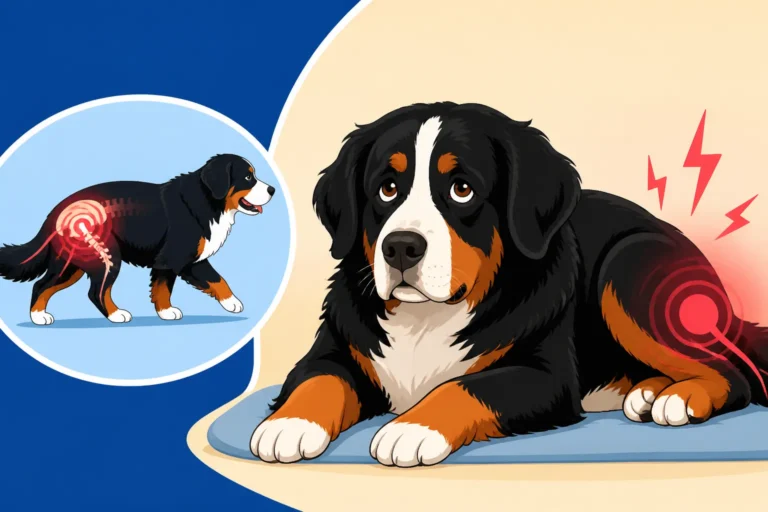
It’s a truly disheartening moment when you start to notice your beloved Bernese Mountain Dog, still in what feels like the prime of their life at around six years old, struggling with the simple joys they once took for granted. That once effortless trot might be replaced by a hesitant gait, or they might be slower to rise after a nap. This guide is here to help you understand why arthritis often appears so early in our majestic Berners, how to spot those subtle signs, and most importantly, how we can all work together to manage the condition and ensure our furry family members continue to live their happiest, most comfortable lives possible.
The Heartbreaking Reality of Early Arthritis in Bernese Mountain Dogs
Watching a Bernese Mountain Dog slow down at an age when other breeds are still spry can be incredibly tough. You see them, still so full of love and personality, but their bodies might already be telling a different story. It’s not fair, and it’s a reality many Berner owners face.
Why Berners Are Prone to Joint Issues So Young
Bernese Mountain Dogs, with their impressive size and rapid growth rate, are unfortunately predisposed to a host of orthopedic challenges that can lay the groundwork for early-onset arthritis. It's often a combination of genetics, their sheer weight, and the immense stress placed on their developing joints during puppyhood. We’re talking about a breed that can easily hit 100 pounds or more, and those joints, particularly the hips and elbows, bear the brunt of that weight every single day.
Conditions like hip and elbow dysplasia, which are rampant in large breeds, significantly contribute to this vulnerability. If a Berner has malformed hip or elbow joints from birth, the cartilage and bones grind against each other abnormally. This constant friction and instability lead to inflammation and wear, accelerating the degeneration of the joint surfaces. It’s like having a car with misaligned tires – the wear and tear happen much faster. Another common culprit is osteochondritis dissecans (OCD), a condition where cartilage doesn't properly form and can detach, creating loose flaps within the joint. All these developmental issues, even if subclinical for a while, eventually manifest as painful arthritis. Understanding these underlying predispositions is crucial. It’s not just "bad luck"; there are specific physiological reasons why our beautiful Berners are more susceptible. To dive deeper into some of these foundational issues, you might find our article on Joint Disease in a Hundred Pound Bernese Mountain Dog particularly enlightening.
Recognizing the Subtle Signs Around Age Six
One of the most frustrating things about dogs, and especially stoic breeds like the Bernese Mountain Dog, is their incredible ability to hide discomfort. They don't complain like we do. By the time they're showing obvious signs of pain, the arthritis is often quite advanced. Around age six, these signs are usually subtle and can be easily missed or attributed to "just getting older." You might notice a slight hesitation before jumping into the car, or they might take a moment longer to settle into a comfortable position. Their morning stretch might seem a bit more labored, or they might be less enthusiastic about their favorite walk. They might even just lie down more often during play sessions, or seem generally less keen on activities they once loved.
Pay close attention to changes in their gait: a slight stiffness, a shortened stride, or a subtle limp, especially after rest or strenuous activity. They might shift their weight more, or seem to bunny hop occasionally with their hind legs. Watch them interact with stairs or getting up from a slippery floor – increased difficulty is a huge red flag. Sometimes, the only sign is a change in personality; they might be less tolerant of being touched in certain areas, or even snap if pain is triggered unexpectedly. It’s about knowing your dog’s baseline and recognizing any deviation, no matter how small. These nuanced observations are vital for catching arthritis early, which is key to effective management. For a broader perspective on their health journey, our piece on Why a Bernese Mountain Dog Lives Only Seven or Eight Years touches on the various health challenges these dogs face.
Understanding the Types of Arthritis Affecting Berners
When we talk about arthritis in Bernese Mountain Dogs, it's not a single, monolithic condition. It encompasses various forms of joint inflammation and degeneration, each with its own characteristics and implications for our beloved companions. Knowing the specific type of arthritis can guide more targeted and effective treatment strategies.
Degenerative Joint Disease Osteoarthritis
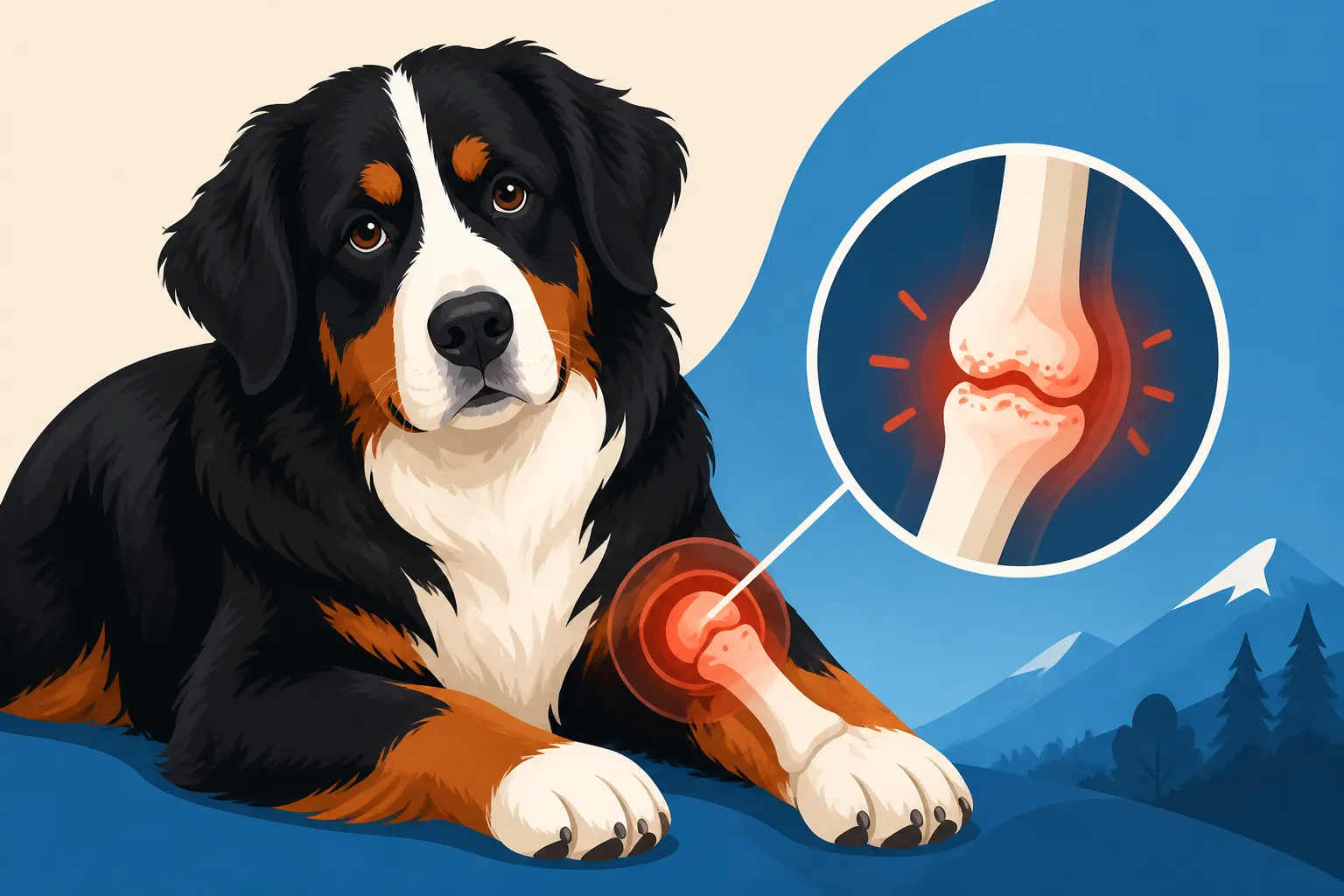
The most common form of arthritis, especially in large and giant breeds like the Bernese Mountain Dog, is degenerative joint disease (DJD), often referred to as osteoarthritis (OA). This is essentially a progressive and irreversible condition characterized by the breakdown of the cartilage that cushions the ends of bones in a joint. When this protective cartilage wears away, bone grinds on bone, leading to pain, inflammation, reduced mobility, and the formation of osteophytes, or bone spurs, around the joint margins. These spurs are the body's attempt to stabilize the damaged joint, but they often end up causing more stiffness and pain.
In Berners, DJD commonly affects the weight-bearing joints such as the hips, elbows, shoulders, and knees. Imagine a hinge on a gate that's rusted and worn down – it no longer moves smoothly, and every swing causes friction and a grating sound. That's essentially what's happening inside an arthritic joint. The inflammation and pain lead to a vicious cycle: the dog moves less to avoid pain, which then causes muscles to weaken, further destabilizing the joint and exacerbating the problem. The constant discomfort can significantly diminish their quality of life, making everyday activities like walking, playing, or even lying down difficult. Early recognition and intervention are paramount to slow the progression of this debilitating disease.
Secondary Arthritis from Developmental Conditions
While DJD can occur spontaneously, it very frequently develops as a secondary consequence of pre-existing developmental orthopedic conditions in Bernese Mountain Dogs. These conditions, often genetic, predispose the joints to abnormal wear and tear from a young age, leading inevitably to premature arthritis. The most prevalent of these are hip dysplasia and elbow dysplasia. With hip dysplasia, the hip joint doesn't form correctly, leading to looseness and instability. Over time, the ball and socket grind against each other, causing cartilage erosion and DJD. Similarly, elbow dysplasia encompasses several conditions that result in abnormal development of the elbow joint, leading to incongruity and chronic irritation that culminates in arthritis. For more on preventative measures, consider checking out OFA Clearances a Bernese Mountain Dog Should Have.
Another significant contributor is osteochondritis dissecans (OCD), particularly in the shoulder joint, where abnormal cartilage growth can lead to loose flaps and inflammation. Cruciate ligament tears in the knee, especially common in active Berners, also frequently lead to secondary arthritis. When the cranial cruciate ligament tears, the knee joint becomes unstable, leading to excessive movement and accelerated cartilage degradation. Even if surgically repaired, the joint has often already sustained damage, making arthritis a likely long-term outcome. These developmental conditions are not just issues in themselves; they are ticking time bombs for early and often severe arthritis, making genetic screening and responsible breeding practices incredibly important for the future health of the breed. If you're observing signs that might indicate problems with their mobility, especially related to their hind legs, our article on The Bernese Mountain Dog Whose Back Legs Give Out offers further insights into hindquarter issues.
Proactive Steps for Managing Arthritis from an Early Age
Managing arthritis in a Bernese Mountain Dog isn't just about reacting to pain; it’s about taking proactive steps to slow its progression and maximize their comfort and mobility for as long as possible. The earlier we start, the better the outcome for our furry friends.
Early Diagnosis and Veterinary Consultation
The moment you suspect even the slightest change in your Berner’s movement or demeanor, it's time to schedule a vet visit. Don't wait until they're overtly limping or crying out in pain. For a large breed like the Bernese Mountain Dog, regular veterinary check-ups are non-negotiable, even if they seem perfectly healthy. Many veterinarians recommend annual check-ups to establish a baseline and catch subtle changes. Your vet will perform a thorough physical examination, assessing their gait, range of motion, and checking for any pain, swelling, or crepitus (a grinding sensation) in their joints. They might recommend diagnostic imaging, such as X-rays, to visualize the bone and joint structures, looking for signs of cartilage loss, bone spurs, or joint effusion (fluid buildup).
Sometimes, early arthritis might not be dramatically visible on an X-ray, but a skilled vet can interpret subtle changes. They might also suggest blood tests to rule out other conditions or establish a baseline before starting certain medications. Early diagnosis allows for prompt intervention, which can significantly slow the progression of the disease and improve your dog's long-term quality of life. Don't underestimate the value of these early conversations with your vet; they are your best partner in advocating for your dog's health. Pet insurance providers like Healthy Paws often highlight the importance of early diagnosis and consistent veterinary care, as pre-existing conditions typically aren't covered once symptoms begin.
Weight Management and Nutritional Support
This cannot be stressed enough: maintaining a lean body condition is arguably the single most impactful thing you can do for a Bernese Mountain Dog with or prone to arthritis. Every extra pound your dog carries adds significant stress to their already compromised joints. Imagine carrying a heavy backpack all day – that’s what excess weight feels like to an arthritic dog. Studies consistently show that lean dogs experience less pain and have a slower progression of arthritis compared to overweight dogs. Your vet can help you determine your Berner’s ideal weight and create a tailored weight loss plan if needed. This often involves precise portion control, switching to a lower-calorie, high-quality large-breed specific diet, and ensuring adequate but controlled exercise.
Beyond managing weight, nutritional support plays a vital role. Many large-breed dog foods are formulated with joint health in mind, containing ingredients like glucosamine, chondroitin, and omega-3 fatty acids (EPA and DHA). Glucosamine and chondroitin are often called "chondroprotectants" because they are thought to help maintain cartilage health and reduce inflammation, though their efficacy can vary between individuals. Omega-3s, particularly those derived from fish oil, are powerful natural anti-inflammatories. Discussing appropriate supplements and diet changes with your vet is essential, as the right nutritional strategy can make a tangible difference in their comfort and mobility.
Controlled Exercise and Physical Therapy
The idea of exercising an arthritic dog might seem counterintuitive, but appropriate, controlled exercise is absolutely crucial. It’s a delicate balance: too little exercise leads to muscle weakness and stiffness, while too much can exacerbate inflammation and pain. The goal is to maintain muscle mass around the joints to provide stability and support, keep the joints mobile, and prevent stiffness. High-impact activities like jumping, running on hard surfaces, or strenuous fetching should be avoided or severely limited.
Instead, focus on low-impact activities. Leash walks on soft surfaces like grass are excellent, ensuring they are consistent but not overly long, especially when they are already experiencing discomfort. Swimming or hydrotherapy is often considered the gold standard for arthritic dogs. The buoyancy of the water reduces stress on the joints while allowing for full range of motion and muscle strengthening. Many specialized canine rehabilitation centers offer hydrotherapy in underwater treadmills or heated pools. Physical therapy, guided by a certified canine rehabilitation therapist, can also be immensely beneficial. This might include specific exercises, stretches, therapeutic massage, and even modalities like therapeutic ultrasound or cold laser therapy. These interventions help improve flexibility, reduce pain, build strength, and restore better movement patterns, all contributing to a better quality of life. If you're considering this for your dog, our article on Hydrotherapy for an Arthritic Bernese Mountain Dog offers practical advice.
Medical Interventions and Pain Management Strategies
While lifestyle and environmental adjustments are crucial, medical interventions are often necessary to effectively manage the pain and inflammation associated with arthritis in Bernese Mountain Dogs. This often involves a multi-modal approach, combining various treatments to target different aspects of the disease.
NSAIDs and Other Oral Medications
Non-Steroidal Anti-Inflammatory Drugs (NSAIDs) are a cornerstone of arthritis management in dogs, just as they are in humans. Medications like carprofen (Rimadyl), firocoxib (Previcox), deracoxib (Deramaxx), and meloxicam (Metacam) work by reducing inflammation and pain in the joints. They can dramatically improve a dog's comfort and mobility, often leading to a noticeable improvement in their overall demeanor and willingness to engage in activity. However, it's vital that NSAIDs are prescribed and monitored by a veterinarian. They are powerful drugs and can have side effects, particularly affecting the gastrointestinal tract (upset stomach, vomiting, diarrhea) and, less commonly, the kidneys or liver. Your vet will likely recommend baseline blood work before starting NSAIDs and periodic monitoring afterwards to ensure your dog tolerates the medication well.
Beyond NSAIDs, other oral medications might be used. Gabapentin, often used in conjunction with NSAIDs, can help manage neuropathic (nerve) pain and provide additional pain relief. Amantadine is another adjunct pain medication that works on specific pain receptors. In some cases, veterinarians might also consider corticosteroids for very severe, acute flare-ups, but these are generally avoided for long-term use due to more significant side effects. The choice of medication and dosage will be highly individualized, based on your Berner's specific condition, response to treatment, and overall health. Don't ever self-prescribe or use human medications; what's safe for us can be toxic for dogs. Managing the financial aspect of long-term care can be daunting, so our guide on Pain Medication Costs for an Arthritic Bernese Mountain Dog might be helpful.
Complementary Therapies and Alternative Treatments
In recent years, there's been a growing appreciation for complementary and alternative therapies that can be used alongside conventional medicine to provide comprehensive arthritis management. These treatments aim to reduce pain, improve function, and enhance overall well-being without relying solely on pharmaceuticals. Acupuncture, for example, involves inserting thin needles into specific points on the body to stimulate nerve function, reduce inflammation, and release natural pain-relieving chemicals. Many dogs respond very positively to acupuncture, often showing increased comfort and mobility.
Therapeutic laser therapy (cold laser therapy) uses specific wavelengths of light to penetrate tissues, promoting cell regeneration, reducing inflammation, and alleviating pain. It's non-invasive and often very relaxing for dogs. Chiropractic adjustments, performed by a certified veterinary chiropractor, can address spinal misalignments that might be contributing to pain or altered gait. Regenerative medicine, such as Platelet-Rich Plasma (PRP) injections or stem cell therapy, involves using the dog's own cells to promote healing and reduce inflammation within the joint. While these are often more advanced and costly options, they can offer significant relief in select cases. Always discuss these options with your veterinarian to ensure they are appropriate for your Bernese Mountain Dog and are performed by qualified professionals. Many pet insurance plans, like those offered by Healthy Paws, are starting to cover some of these alternative therapies when prescribed by a veterinarian, so it's worth checking your policy.
Surgical Options for Severe Cases
For some Bernese Mountain Dogs with severe arthritis, particularly that stemming from developmental conditions or acute injuries, surgical intervention may be considered as a way to alleviate pain and improve joint function when conservative measures are no longer sufficient. It's a big decision, always made in consultation with your vet and a veterinary orthopedic specialist. For example, in cases of severe hip dysplasia leading to debilitating arthritis, a total hip replacement (THR) can be a life-changing procedure. This involves replacing the damaged ball and socket of the hip joint with prosthetic components, offering a complete restoration of pain-free function in successful cases. This is a major surgery with a significant recovery period, but the results can be remarkable.
For elbow dysplasia leading to severe arthritis, various surgical procedures can be performed to address the underlying issues, such as fragment removal or osteotomies (bone cuts) to realign the joint. While these may not offer a complete "cure" for arthritis, they can significantly reduce pain and improve comfort. Similarly, if a cruciate ligament tear has led to severe instability and subsequent arthritis in the knee, various stabilization surgeries (like TPLO or TTA) can restore joint mechanics, thus slowing the progression of arthritis. Amputation might even be considered as a last resort for an extremely painful and untreatable limb, though this is rare and only for exceptional circumstances. Each surgical option comes with its own risks, recovery challenges, and financial considerations, so a thorough evaluation and discussion with your veterinary team are critical.
Adapting Your Home for an Arthritic Bernese Mountain Dog
Life with an arthritic Bernese Mountain Dog means making some thoughtful adjustments around the house. These changes aren't just about comfort; they're about preventing further injury, reducing daily strain, and ultimately, extending their quality of life.
Creating a Comfortable and Safe Environment
Imagine yourself with aching joints – every step, every rise, every slippery surface becomes a challenge. The same is true for your Berner. One of the most important things you can do is invest in high-quality orthopedic dog beds. These beds provide excellent support, cushioning their joints and distributing their weight evenly, which is crucial for a large dog. Place them in several convenient spots around the house so your dog doesn’t have to travel far to rest comfortably.
Slippery floors (hardwood, tile, laminate) are a major hazard. They force an arthritic dog to exert more effort to maintain traction, leading to slips, falls, and increased strain on their joints. Lay down runners, area rugs, or anti-slip mats in high-traffic areas, especially where they eat, drink, or sleep. Consider ramps for getting into and out of cars, onto furniture (if allowed), or even up a few porch steps. Avoid stairs if possible, or assist your dog with a sling or harness. Raised food and water bowls can also alleviate strain on their neck and front joints while eating. Ensure their outdoor space is safe too – remove obstacles, maintain even ground, and provide easy access to shelter. Even small modifications can make a profound difference in their daily comfort and confidence. For specific recommendations, our guide on Bedding for an Arthritic Bernese Mountain Dog can offer more detailed advice.
Maintaining Quality of Life and Emotional Well-being
Arthritis doesn't just affect a dog's physical health; it can take a significant toll on their emotional and mental well-being too. A dog in chronic pain might become withdrawn, anxious, or even irritable. It's heartbreaking to see their spark diminish. Our job as owners is to ensure their quality of life remains high, even if their physical capabilities are reduced. This means continuing to engage them mentally and emotionally. Puzzle toys, gentle training sessions using positive reinforcement, and short, manageable sniff walks can provide mental stimulation without putting undue stress on their joints.
Maintain a consistent routine, as predictability can reduce anxiety. Continue to socialize them gently, perhaps with one or two calm, familiar dogs rather than a boisterous dog park. Most importantly, offer boundless patience, affection, and understanding. They aren’t being "stubborn" when they’re slow to respond; they’re often in pain. Learn to read their cues for discomfort and respect their limits. Celebrate small victories, like a comfortable nap or a wagging tail on a short walk. It’s also important for you, the owner, to acknowledge the emotional toll. Watching your beloved companion age and struggle is difficult. Support groups or discussions with your vet can provide valuable emotional assistance. Remembering their intrinsic value, beyond their physical prowess, is key to helping them live a full, dignified life, even with arthritis. For broader insights into supporting a dog with mobility challenges, our piece on Living With a Bernese Mountain Dog Losing Its Back Legs might offer additional perspectives.
Here's a quick overview of common arthritis management strategies:
| Strategy | Primary Benefit | Key Considerations |
|---|---|---|
| Weight Management | Reduces joint stress, slows disease progression | Requires strict diet, consistent monitoring, vet guidance |
| NSAIDs | Reduces pain and inflammation | Vet prescription required, potential side effects, blood monitoring |
| Joint Supplements | Supports cartilage health, mild anti-inflammatory | Efficacy varies, takes time to show effect, quality matters |
| Controlled Exercise | Maintains muscle, improves flexibility | Low-impact only (e.g., swimming, short walks), avoid high-impact |
| Physical Therapy | Builds strength, improves mobility, reduces pain | Requires certified therapist, consistent home exercises |
| Acupuncture/Laser Therapy | Natural pain relief, reduces inflammation, promotes healing | Requires trained professional, variable individual response |
| Orthopedic Beds | Provides cushioning, reduces pressure points | Invest in high-quality, supportive options |
| Non-Slip Surfaces | Prevents slips/falls, reduces joint strain | Use rugs, runners, or paw grippers |
| Ramps/Slings | Assists with mobility, reduces impact on joints | Training may be required, ensure proper fit |
Disclaimer
This article is for general informational purposes only and does not constitute professional advice. Laws, prices and regulations vary by location and change over time. Consult a qualified professional for guidance on your specific situation.